
Hear from Our Customers
When drainage works the way it should, you stop watching the weather with anxiety. No more standing water sitting against your foundation for three days after a nor’easter. No more soggy patches that kill the grass, chew up the lawn, and make the backyard unusable for half the spring. That’s what a properly designed drainage system actually gives you not just a dry yard, but your property back.
For Greenlawn homeowners, this matters more than most people realize. Close to 70% of homes in this hamlet were built in the 1940s through the 1960s. Those Cape Cods, ranches, and split-levels were never designed with today’s drainage demands in mind and after decades of added patios, extended driveways, and landscape changes, the way water moves across these properties has shifted completely. The original grading that may have worked in 1962 isn’t doing the job anymore.
And for properties in the northern sections of Greenlawn, closer to Centerport Harbor, there’s an added layer: the water table sits higher than most homeowners expect. When heavy rain hits and the soil is already near saturation, water has nowhere to go but up and across your yard. A drainage system designed for this specific condition not just a generic Long Island fix is what actually solves it.
We’re a landscape drainage contractor serving Greenlawn and the surrounding North Shore communities, including Centerport, East Northport, Elwood, and the broader Town of Huntington. Drainage isn’t a side service here it’s a core part of what we do, and it shows in how we approach every project.
Before anything gets installed, there’s a real site assessment. Where is the water coming from? What’s changed on the property over the years? Is there a grading issue upstream that a catch basin alone won’t fix? These are the questions that separate a system that works from one that fails at the first major storm. In a hamlet like Greenlawn where most homes have 60-plus years of landscape history behind them, that diagnostic step isn’t optional it’s the whole reason the fix holds.
We understand the Town of Huntington’s permitting requirements, Suffolk County’s stormwater regulations, and the specific conditions that affect properties across Greenlawn’s neighborhoods, from Greenlawn South to the areas bordering Centerport. When you call, you’re talking to people who already know the terrain.
It starts with a site walkthrough. We map how water is moving across your property where it’s entering, where it’s pooling, and where it needs to go. For Greenlawn homes, this step often reveals things that aren’t obvious at first glance: a neighbor’s downspout directing flow onto your lot, a grade that’s shifted over decades of freeze-thaw cycling, or an old drainage pipe that’s been silently failing for years. You can’t design the right system without understanding the full picture first.
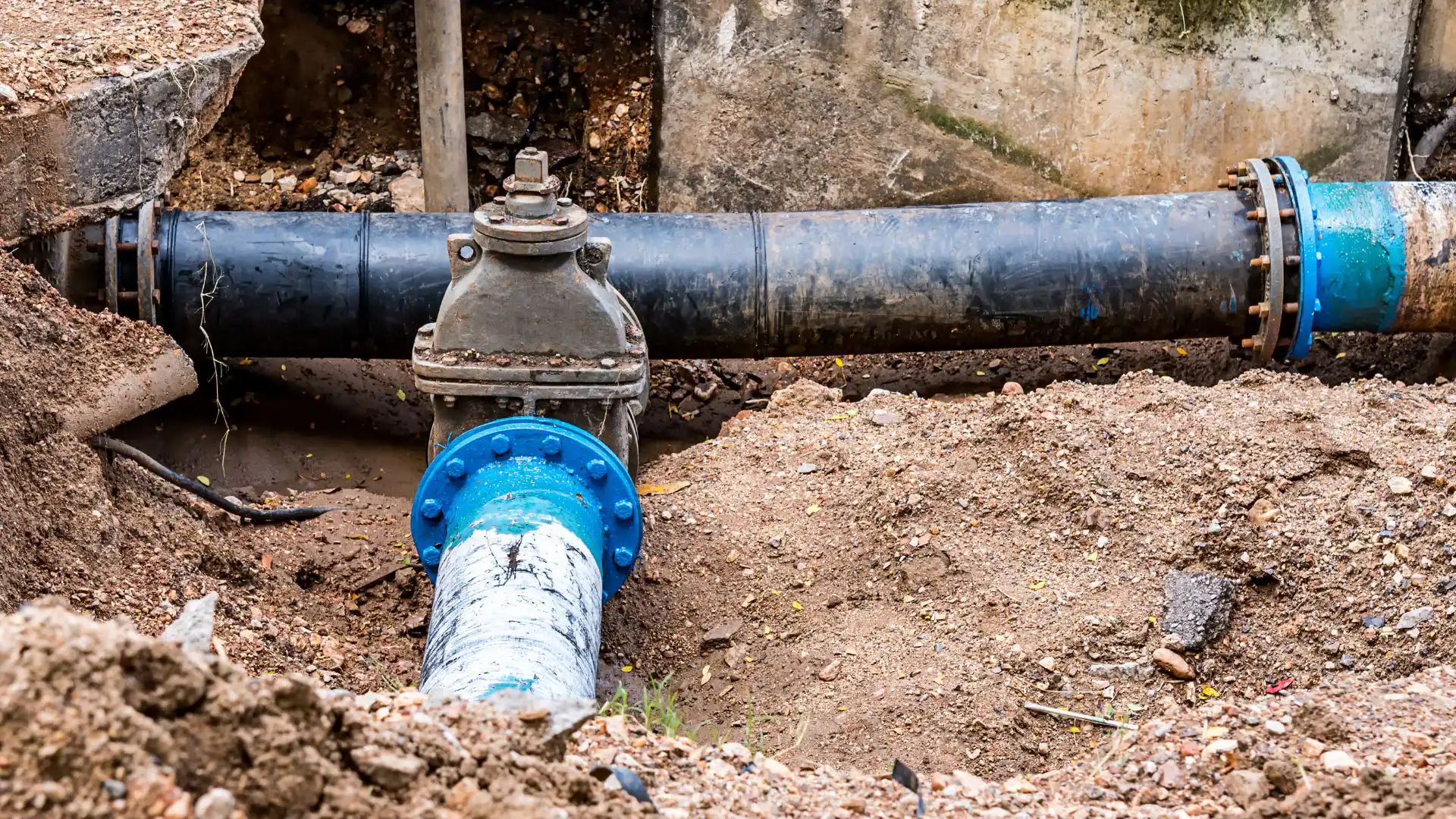
From there, we design a drainage system specifically for your property and its conditions. That might mean a French drain to intercept and redirect subsurface water, a catch basin to collect surface runoff at a low point, a trench drain along a driveway edge, or a combination of systems working together. Every design accounts for the Town of Huntington’s permitting requirements and Suffolk County’s stormwater discharge rules so the work is done right and done legally.
Installation is handled cleanly, with full attention to your existing lawn and landscape. Once the system is in, we restore the yard topsoil, turf, and any disturbed areas brought back properly. The goal isn’t just a functioning drainage system. It’s a yard that looks the way Greenlawn yards are supposed to look, and stays that way through every nor’easter and summer storm that follows.
Ready to get started?
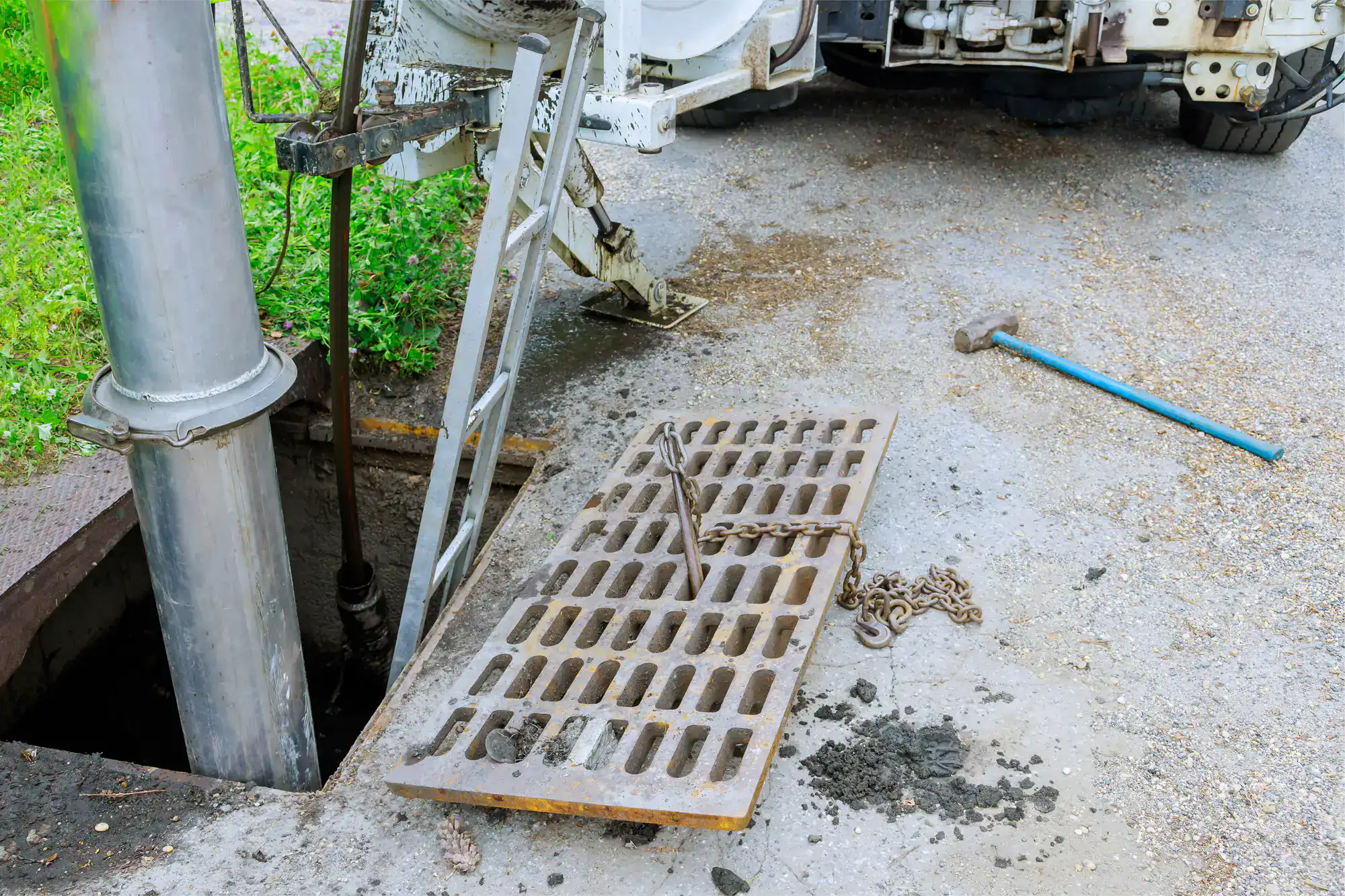
Our yard drainage services in Greenlawn cover the full scope of what it takes to move water correctly off a residential property. French drain installation is one of the most common solutions we provide here particularly for properties in lower-lying areas or those near the Centerport Harbor side of the hamlet where the water table runs higher. Catch basins and trench drains handle surface runoff at specific collection points, like the base of a slope or along a driveway edge where water sheets off during heavy rain. Dry creek beds offer a functional and visually clean option for properties where redirecting flow through the landscape makes more sense than burying pipe.
Regrading is often part of the picture too, especially on Greenlawn’s older properties where the original slope has shifted or where additions and hardscape have changed the drainage geometry entirely. In some cases, the drainage problem isn’t a missing system it’s a grading issue that no amount of pipe will fix on its own.
Every project includes a written quote, a clear scope of work, and a workmanship warranty. There are no vague estimates that expand once work starts. Suffolk County’s stormwater code and the Town of Huntington’s permitting requirements are factored in from the start, not discovered mid-project. If your yard has a drainage problem whether it’s a soggy lawn, water pooling near the foundation, or a basement that smells damp every spring this is the service that addresses it at the source.
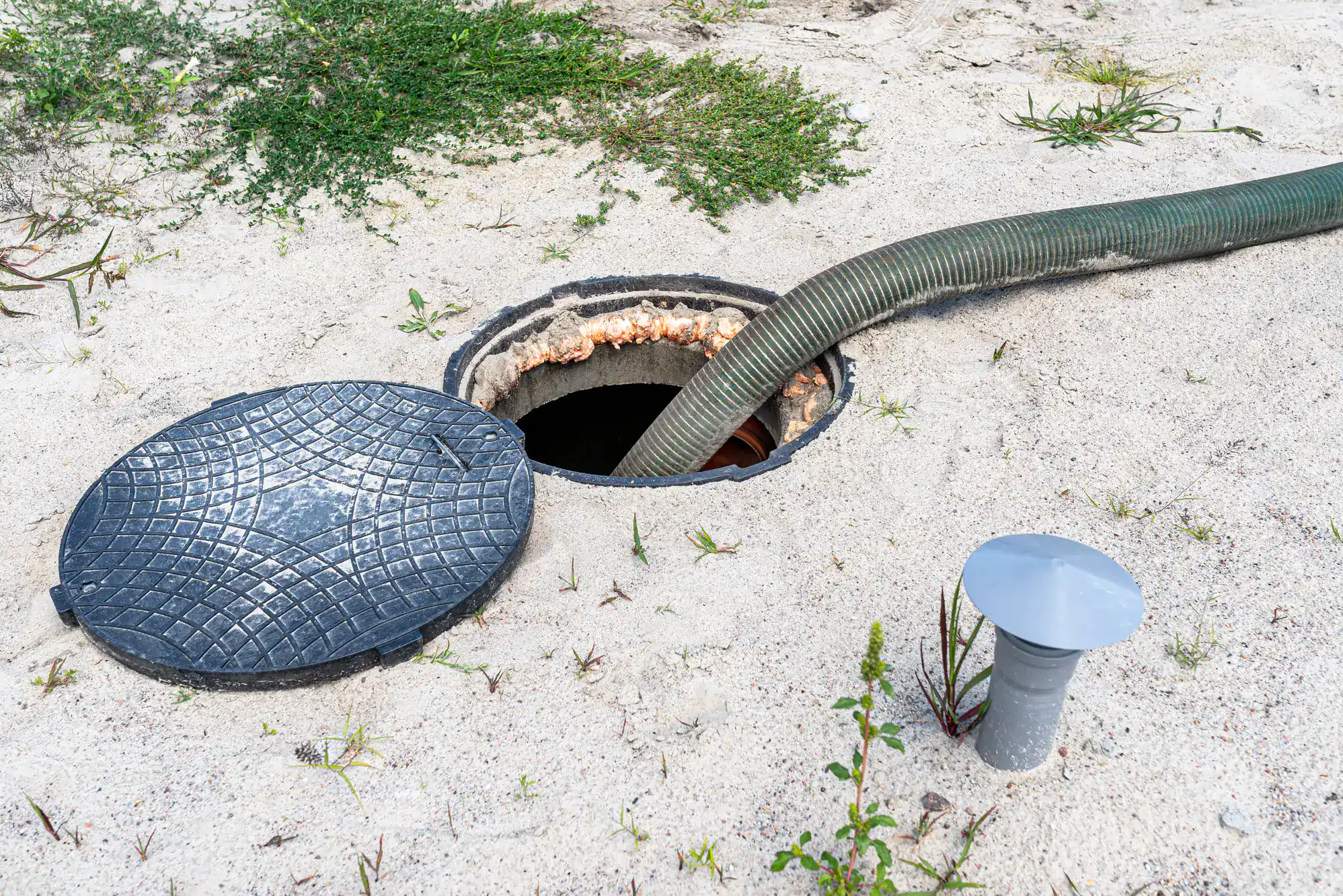
This is one of the most common points of confusion, and it matters a lot when you’re trying to find the right help. Plumbers work on the pipe systems inside your home drains, sewer lines, water supply. When you have standing water in your yard or water pooling against your foundation, that’s not a plumbing problem. It’s a landscape drainage problem, and it requires a completely different set of skills and solutions.
We install systems that manage how water moves across, through, and away from your property French drains, catch basins, trench drains, regrading, and surface water redirection. No plumber installs a French drain. No plumber recontours a yard’s slope to redirect water away from a 1960s split-level foundation. If you’ve already called a plumber about yard flooding in Greenlawn and been told it’s “not a plumbing issue,” that’s because it isn’t. This is the call to make instead.
Most residential drainage projects fall somewhere between $2,100 and $7,200, with the national average sitting around $4,600. Where your project lands depends on the scope a single French drain along a problem area costs significantly less than a full drainage system combining catch basins, regrading, and pipe runs across a larger property.
In Greenlawn specifically, a few factors tend to push projects toward the mid-to-upper range. Homes built in the 1940s through 1960s often have more complex drainage histories decades of landscape change, aging original infrastructure, and grading that’s shifted over time. Diagnosing and addressing the root cause correctly takes more work than a quick surface fix. Properties near Centerport Harbor may also require more engineered solutions due to higher water table conditions. The way to get an accurate number is a site assessment, not a ballpark over the phone. That assessment is what tells you what the property actually needs and what it doesn’t.
It depends on the scope of the project. Minor drainage work like a small French drain that doesn’t connect to municipal infrastructure may not require a permit. But projects that involve significant grading changes, connections to the stormwater system, or larger-scale excavation typically do require approval from the Town of Huntington Building Department.
There’s also Suffolk County’s stormwater management code to factor in. County law prohibits discharging yard drainage directly into the municipal storm sewer system without proper authorization, and there are protections around recharge basins that are common throughout Suffolk County. A drainage contractor who doesn’t understand these requirements can create legal and compliance issues for the homeowner after the fact. We handle the permitting process as part of the project so you’re not left navigating Town of Huntington or Suffolk County requirements on your own.
This situation is more common than most homeowners expect, and it almost always comes down to the same core issue: the previous contractor treated the symptom without identifying the cause. A catch basin was installed where water pooled, but the source of that water a grading problem at the back of the property, a neighbor’s runoff redirected onto the lot, or a failed original drainage pipe was never addressed. The system looked right but wasn’t designed for the actual problem.
In Greenlawn, this is especially common on older properties where the drainage situation has layers to it. A 1958 Cape Cod that’s had a rear patio added, a two-car driveway expanded, and a detached garage built over the past 40 years has a fundamentally different drainage geometry than it did when it was built. The fix has to account for all of those changes, not just the most visible wet spot. The site assessment is where that full picture gets mapped and it’s what determines whether the solution actually holds.
Long Island’s four-season climate creates specific challenges that warmer-climate drainage systems don’t face. Greenlawn gets genuine winter and with it comes freeze-thaw cycling that can shift grades, crack pipe joints, and heave drainage infrastructure that wasn’t installed with those conditions in mind. A system that was correctly sloped in October can have its pitch compromised by March after a winter of temperature swings.
Spring is typically the peak demand season for drainage services in Greenlawn nor’easters, heavy rain systems, and snowmelt all converge when the ground is still partially frozen or saturated from winter, which reduces the soil’s ability to absorb water quickly. Summer brings its own challenge: intense, short-duration thunderstorms that push a lot of water across the surface in a short window. A drainage system designed for average rainfall conditions will fail during these peak events. Materials and installation methods need to account for Long Island’s full seasonal range, not just the wet months.
A French drain is one of the most effective solutions for many Greenlawn yards, but whether it’s the right solution for your specific property depends on what’s actually causing the flooding. A French drain works by intercepting subsurface water water moving through the soil and redirecting it to an appropriate discharge point. If your yard floods because groundwater is migrating toward a low point on your property, a French drain addresses that directly.
But if the problem is surface runoff water sheeting across the yard during a heavy storm because there’s no place for it to go a catch basin or trench drain may be more effective, or a combination of both. For properties in the northern sections of Greenlawn near Centerport Harbor, where the water table sits higher, the discharge point for any French drain needs to be carefully engineered. You can’t rely on deep soil infiltration when the saturated zone is already close to the surface. The site assessment is what determines which system or which combination of systems actually matches what your property needs.