Hear from Our Customers
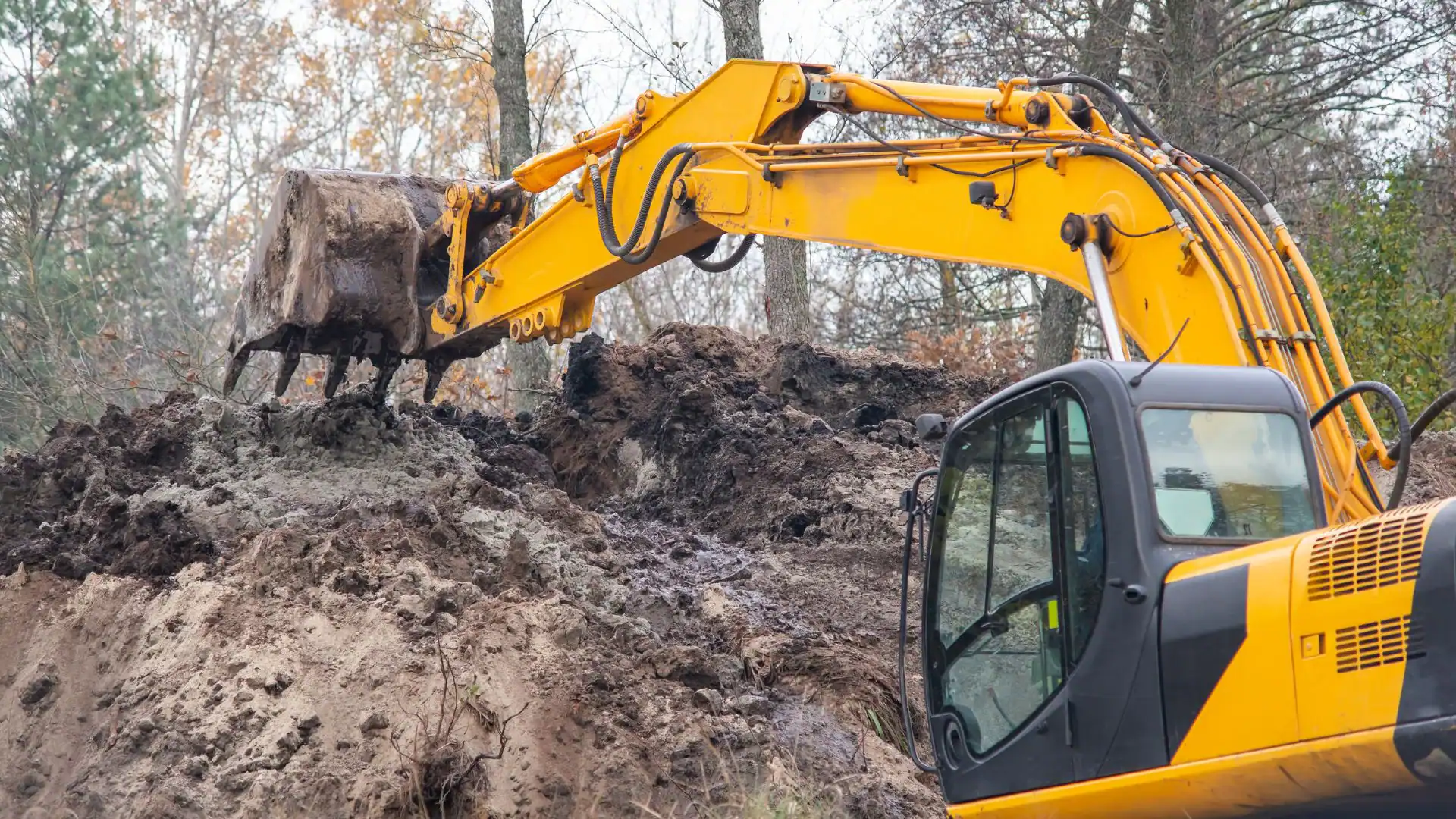
Most excavation problems in Greenlawn don’t start with bad equipment they start with a contractor who didn’t know what they were walking into. When the ground shifts from sandy loam to packed glacial till three feet down, or a buried boulder shows up mid-dig, the difference between a smooth job and a blown timeline comes down to experience. You need someone who has worked this specific ground before, not someone learning on your property.
Greenlawn sits within Long Island’s North Shore moraine zone. That means the subsurface is genuinely unpredictable variable soil layers, cobbles, and boulders are common across both the older mid-century neighborhoods near the LIRR station and the newer lots in Harborfield Estates. A contractor who primarily works the flat outwash plains on the south shore won’t bring that same read of the land here.
Then there’s drainage. Your proximity to Centerport Harbor and the Long Island Sound means that how your site is graded at the end of the job isn’t just an aesthetic issue it affects your neighbors, your property, and Suffolk County’s environmental standards. Getting the finish grade right the first time protects your investment and keeps your project out of compliance territory.
We’re a locally operated excavation contractor serving Greenlawn and the broader Town of Huntington. This isn’t a regional company that added your zip code to a service list we’re a crew that has worked North Shore properties, navigated the Town of Huntington Building Department’s permit process, and dealt with the kind of subsurface conditions that come with moraine-zone geology firsthand.
Whether you’re in an established neighborhood off Route 25A, breaking ground on a new build in Harborfield Estates, or managing a commercial project along Greenlawn’s western corridor near the light industrial zone, our approach stays the same clear communication, honest scoping, and work that holds up after the machines leave.
Greenlawn homeowners invest seriously in their properties. This is a community ranked among the best places to live in Suffolk County, and the work done on your land should reflect that standard.
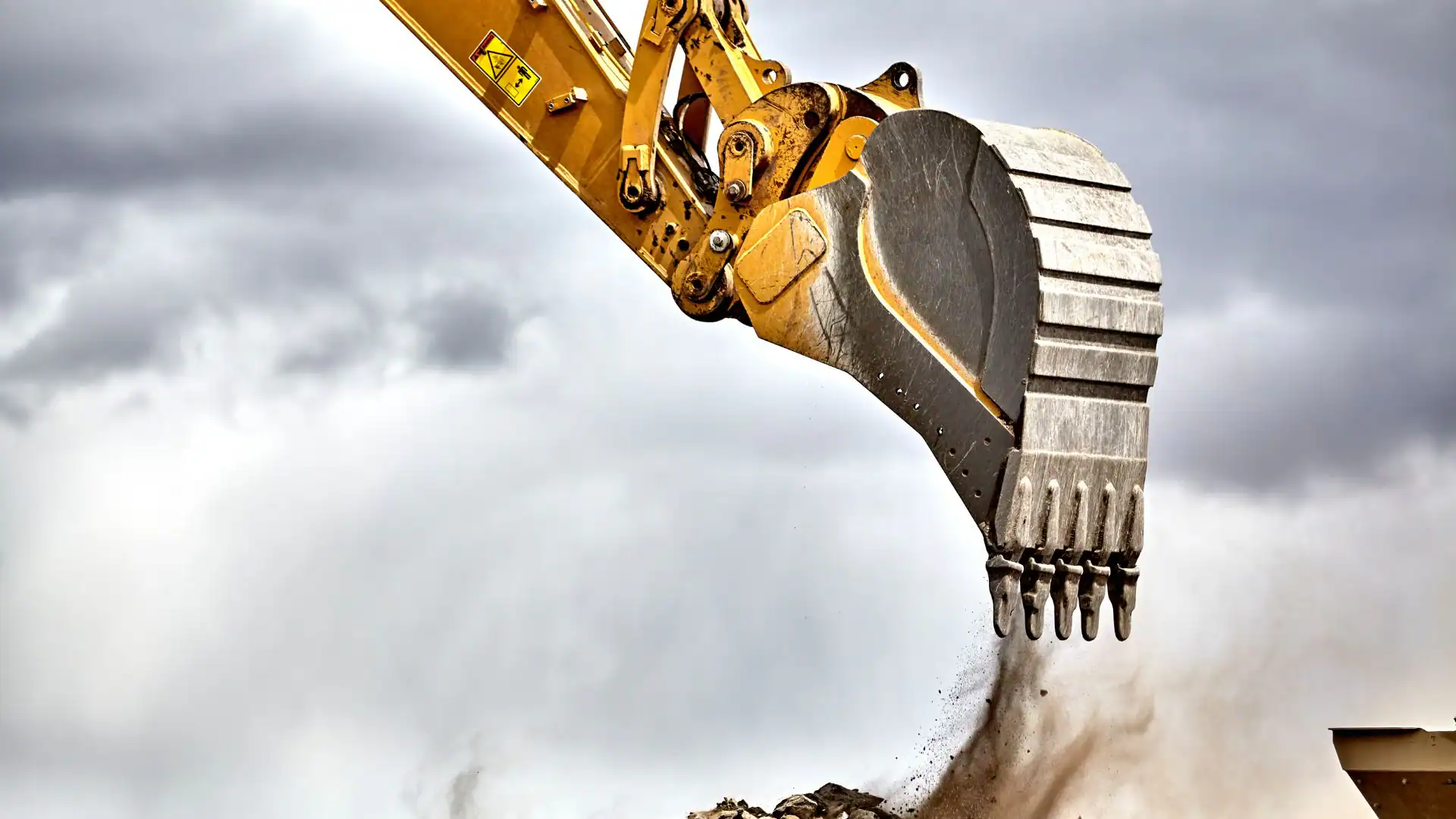
It starts with a site visit and a real conversation about your project what you’re building, what the timeline looks like, and what the ground conditions on your specific lot are likely to involve. From there, you get a written quote that spells out exactly what’s included: excavation depth and volume, spoil removal, grading specifications, and any erosion controls required. No line items that appear only on the final invoice.
Before any machine moves, New York 811 is notified no exceptions. Long Island’s subsurface infrastructure is decades deep, and a utility strike isn’t just a delay, it’s a serious liability. This step is non-negotiable on every job we run in Greenlawn. If your project requires a building permit through the Town of Huntington Building Department, that gets addressed before work begins too, not after a stop-work order.
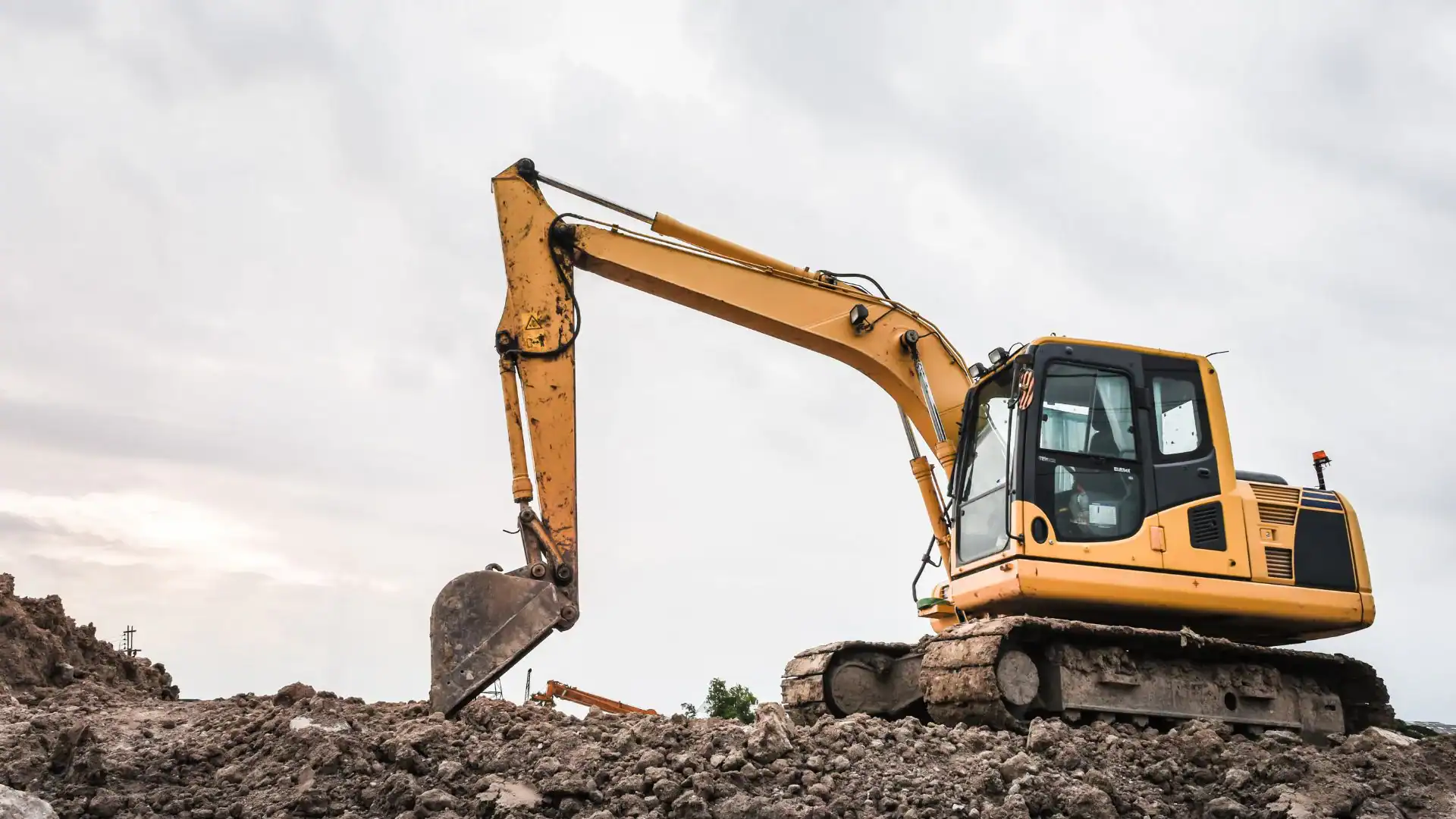
Once the job is underway, the process moves in a logical sequence: clearing, excavation, cut and fill where needed, grading to the specified finish level, and dig and haul for all excavated material disposed of properly at a registered facility in compliance with Suffolk County’s environmental requirements. When we leave, your site is ready for whatever comes next.
Ready to get started?
We handle the complete range of excavation and site work that Greenlawn residential and commercial projects require. That means land clearing, excavation, cut and fill, site preparation, trenching, grading, and dig and haul all under a single contract. You’re not coordinating three separate crews or chasing down a haulage operator after the excavator leaves.
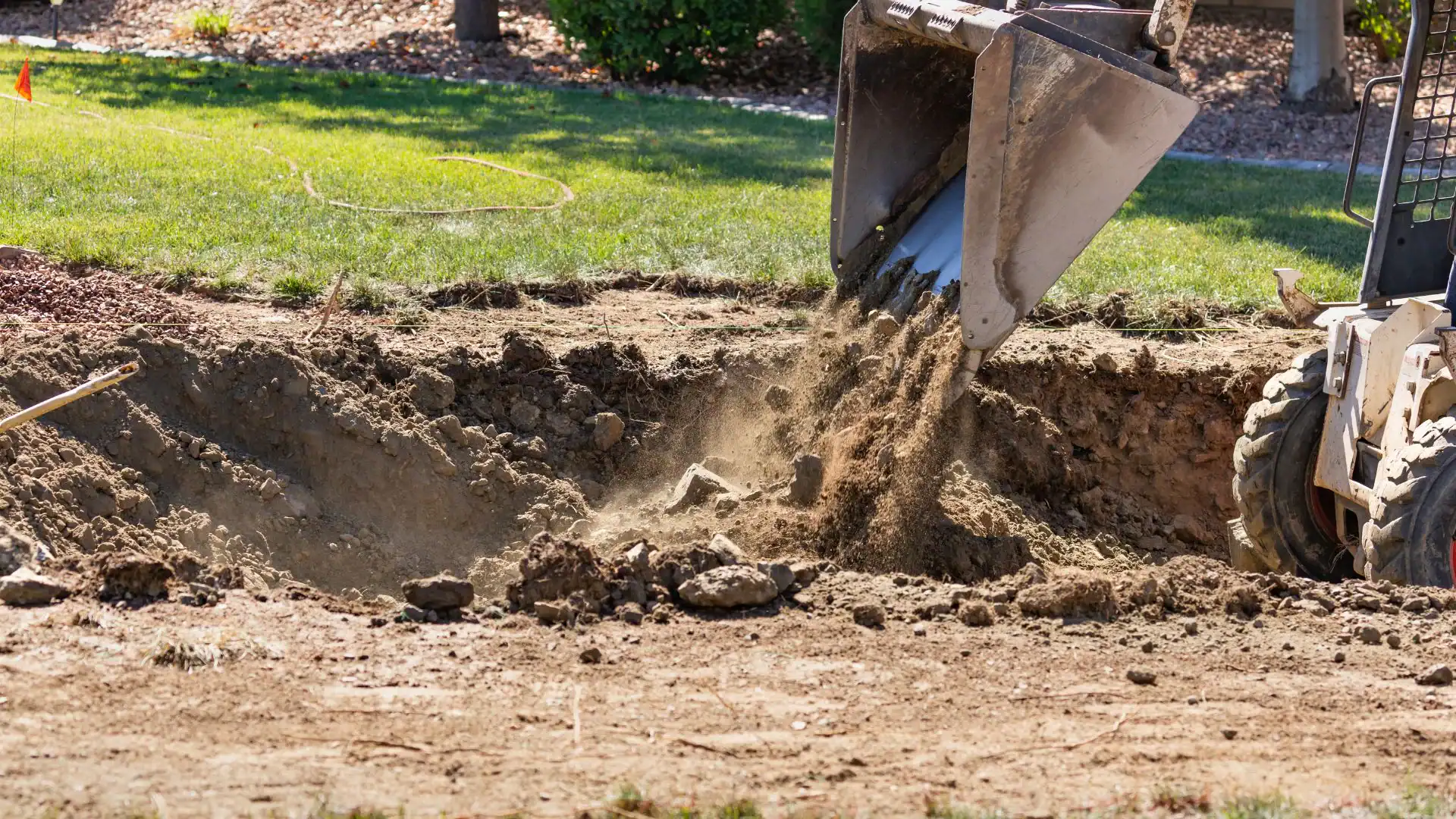
For residential clients in Greenlawn, the most common projects include pool excavations, driveway regrading, drainage correction, retaining wall dig-outs, and site preparation for additions or accessory structures. The older housing stock in the established neighborhoods off 25A often needs drainage systems updated and grades corrected after decades of settling. The newer Harborfield Estates lots half-acre sites built from 2016 onward are at the stage where first-generation grading and site improvement work is actively underway.
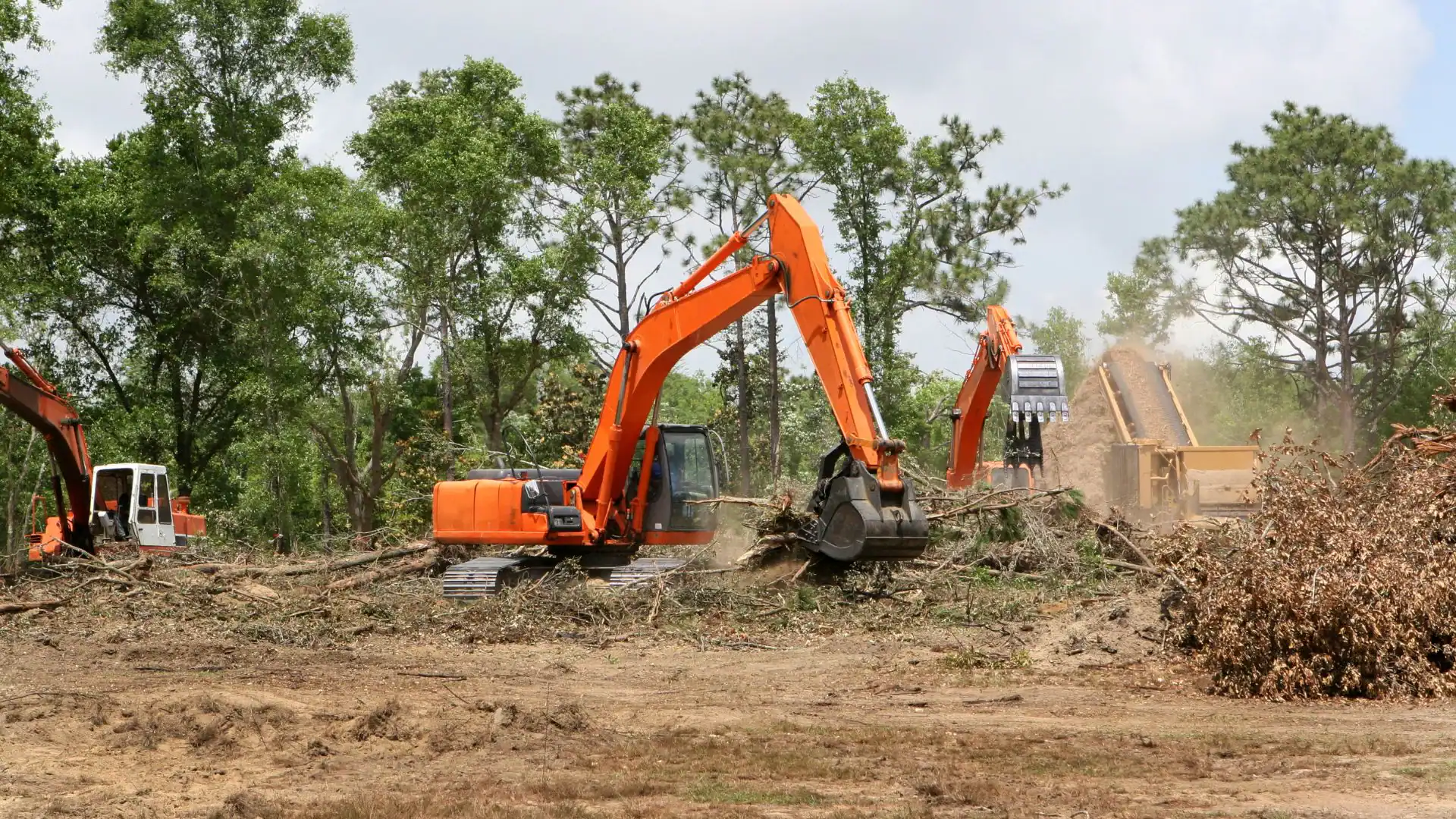
For commercial clients, the same full-scope capability applies. Site preparation, cut and fill for level building pads, and land clearing for development projects in the Greenlawn area are all within scope. Every job residential or commercial includes proper spoil disposal through a registered processor. Suffolk County’s groundwater protections are serious, and how excavated material is handled matters. You won’t be left wondering where your soil ended up.
It depends on the scope of the work. In Greenlawn, excavation that’s part of a permitted construction project a new home, an addition, a pool, or an accessory structure requires a building permit from the Town of Huntington Building Department before any work begins. This is the governing permit authority for Greenlawn, and their process has its own application requirements, fee structure, and inspection standards that are specific to the Town of Huntington.
Smaller, standalone grading or drainage work may not always require a full building permit, but it’s worth confirming before you assume it doesn’t. Getting that wrong can result in a stop-work order that holds up not just the excavation but every trade scheduled to follow. We’re familiar with the Town of Huntington’s requirements and can help you understand what your specific project needs before work starts so there are no surprises mid-job.
New York 811 is the state’s underground utility notification system, and yes it applies to every excavation project, no matter the size. New York State law requires all excavators to notify 811 before breaking ground, triggering a process where gas, electric, water, telecommunications, and other underground utility lines are located and marked. Skipping this step creates serious legal and financial exposure if a line gets struck.
On Long Island, this matters more than in many other parts of the state. Decades of utility installation across established suburban communities like Greenlawn mean the subsurface can be more complex than it looks from above. We complete a New York 811 notification on every job before the first machine moves it’s not optional, and it’s not something that gets skipped to save a day on the schedule. If your contractor isn’t mentioning 811 upfront, that’s a flag worth paying attention to.
Greenlawn’s geology is genuinely different from much of Long Island. The North Shore sits within the Harbor Hill moraine zone a glacial deposit that left behind a highly variable mix of sandy loam, dense till, cobbles, and boulders. South shore towns sit on flat outwash plains with relatively uniform sandy soils that are easier and faster to excavate. When you’re digging in Greenlawn, you may hit a boulder field at three feet that changes the entire scope of the job.
We price this reality into our quotes honestly which means contingency language around rock encounters, appropriate equipment selection, and realistic timelines. A quote that doesn’t account for these conditions isn’t a better deal it’s an incomplete one. When you compare quotes, look at what’s actually included: spoil removal, NY 811 compliance, permit coordination, erosion controls, and site cleanup. A detailed quote that covers the full scope will almost always look higher than one that leaves those items out and adds them later.
Drainage is one of the most important outcomes of any excavation and grading project in Greenlawn, and it’s not something to treat as an afterthought. The hamlet’s proximity to Centerport Harbor and the Long Island Sound means that stormwater leaving your property doesn’t just disappear it moves toward environmentally sensitive waterways. Suffolk County has strong environmental protections tied to groundwater quality, and excavation or grading that disrupts existing drainage patterns can trigger neighbor disputes, county-level scrutiny, and compliance issues that are expensive to resolve after the fact.
Good grading directs water away from your foundation, away from neighboring properties, and into appropriate drainage channels or dry wells. On sloped North Shore lots which are common in Greenlawn getting the finish grade right requires both the right equipment and an operator who understands how water moves across this specific terrain. This isn’t something you want done by a crew that’s learning the lay of the land on your job.
Dig and haul covers the full process of excavating material and removing it from your property not just moving it to the back corner of your lot or leaving it in a pile for you to deal with. It means loading the excavated soil, debris, or fill into trucks and transporting it to a registered processing or disposal facility. In Suffolk County, this matters because the county’s environmental regulations around soil and construction debris handling are tied to protecting the Nassau-Suffolk Aquifer System the sole-source groundwater supply that the entire region depends on for drinking water.
When we complete a dig and haul job in Greenlawn, the excavated material is disposed of through a compliant facility. You won’t be left with a liability question about where your soil ended up, and you won’t find out months later that the haulage was handled in a way that creates a problem for you. The full scope from first dig to final disposal is managed under one contract, and what’s included is spelled out in writing before work begins.
The most reliable windows for excavation in Greenlawn are spring roughly April through June and fall, from September through November. During these periods, the ground is workable, site access is generally good, and the weather is cooperative enough to keep projects on schedule. Summer is also productive, though heavy rainfall from summer storms and the occasional tropical system moving up the coast can cause temporary site flooding and access delays on lower-lying lots.
Winter is the main constraint. Ground freeze conditions typically set in from December through February, and frozen ground can halt or significantly slow excavation work. The transition periods late fall and early spring often bring saturated soil conditions that limit equipment access and increase the risk of site damage if a crew pushes through when they shouldn’t. If you’re planning a project that has a hard deadline a pool for summer, a foundation before winter the earlier you schedule, the more buffer you have. Greenlawn’s spring booking window fills up faster than most homeowners expect, particularly for pool excavations and site prep tied to construction permits.