
Hear from Our Customers
Water in your basement doesn’t stay in your basement. It works into your walls, feeds mold, compromises your air quality, and quietly chips away at the structural integrity of a home worth well over half a million dollars in this market. Catching it early and fixing it correctly is the difference between a manageable repair and a foundation problem that costs five figures to address.
For Greenlawn homeowners specifically, the stakes are higher than they might be elsewhere on Long Island. The North Shore’s morainal soils the glacially deposited clay and till that define this terrain hold water against your foundation walls far longer than the sandier outwash soils further south. After a significant storm, that soil stays saturated for days, building hydrostatic pressure that finds every crack, every joint, every weak point in your foundation perimeter.
The August 2024 flooding event that prompted a Suffolk County Disaster Emergency declaration hit this exact geography hardest. Homes without functioning drainage and sealed foundations took on water that standard homeowner’s insurance typically doesn’t cover. A dry basement isn’t just a comfort upgrade it’s protection for your family, your air quality, and one of the most valuable assets you own.
We’re a Long Island-based contractor that works specifically in this region not a national franchise operating out of a call center two states away. That distinction matters when the contractor walking through your basement actually understands what North Shore soil conditions do to a foundation over time, and isn’t reading from a script written for somewhere else.
Greenlawn sits in the Town of Huntington, and the homes here range from mid-century capes and ranches along the Cuba Hill Road and Old Fields Road corridors to the newer colonials in Harborfield Estates built after 2016. These aren’t interchangeable properties they have different foundation types, different drainage histories, and different vulnerabilities. Knowing that before we show up changes how we approach the inspection and what we recommend.
Every estimate is written after a thorough in-home inspection, itemized, and transparent. No phone quotes, no pressure to sign the same day, no upselling systems your home doesn’t need.
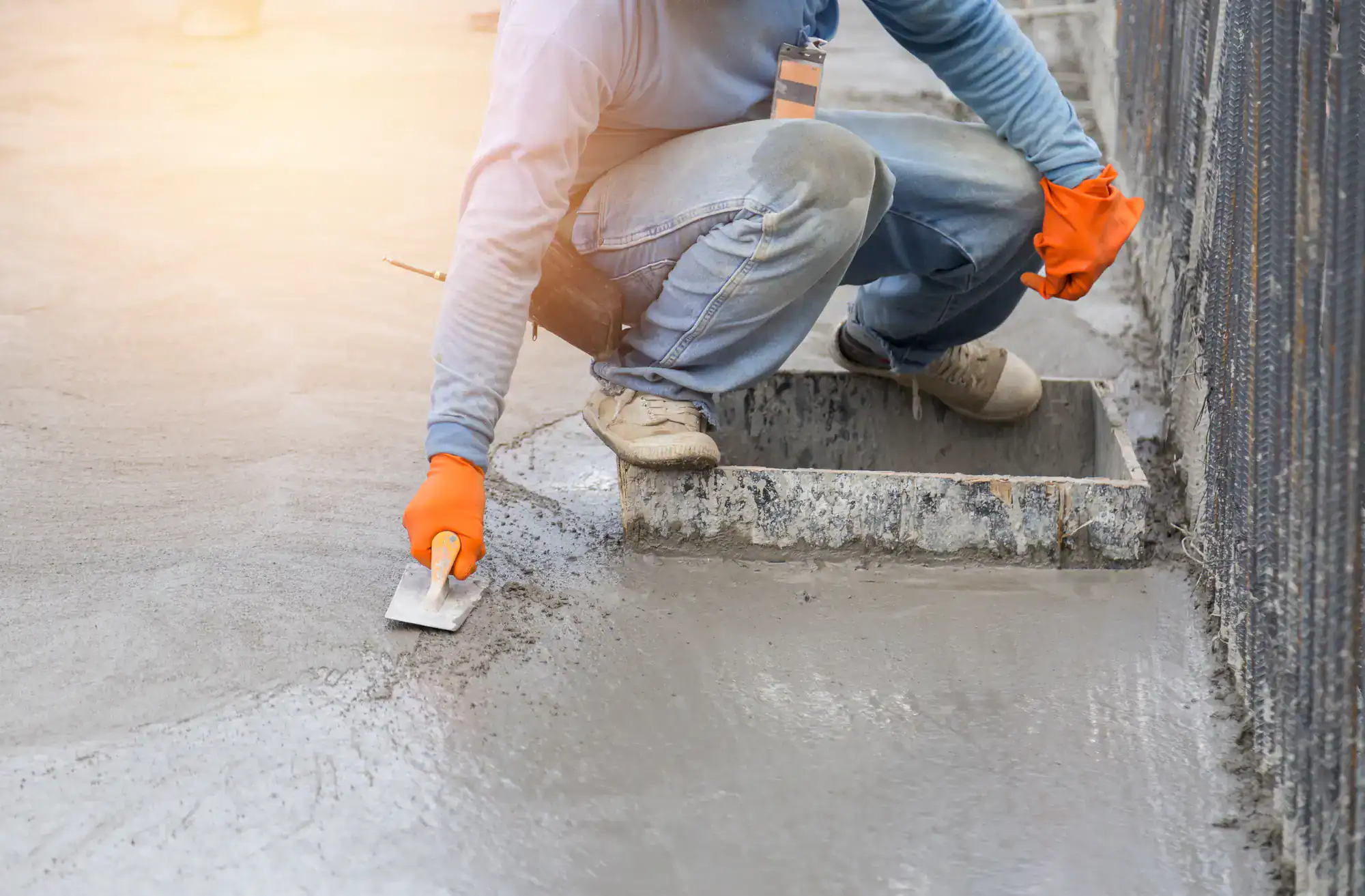
The first thing we do is look not quote. Every basement waterproofing job in Greenlawn starts with a full in-home inspection where we assess the foundation walls, examine the wall-floor joint, check for efflorescence or staining that indicates water migration patterns, evaluate exterior grading, and get a clear picture of what’s actually happening at your specific property. That inspection drives everything that follows.
Once we understand the source and path of the water intrusion, we put together a written, itemized estimate that explains what we found, what we recommend, and why. For many Greenlawn homes particularly older construction along the Broadway corridor the most common entry point is the wall-floor joint, where hydrostatic pressure from saturated clay soils forces water through the weakest seam in the foundation perimeter. Interior drainage systems, crack injection, or sump pump installation may each be appropriate depending on what the inspection reveals. We don’t apply the same solution to every home because the same solution doesn’t work for every home.
Because this is structural work, some projects require a building permit through the Town of Huntington’s Department of Engineering Services. Any contractor performing waterproofing work in Suffolk County is also required to hold a valid Home Improvement Contractor license under Suffolk County Article II we carry both, and we handle the permit process for you so it doesn’t become another item on your list.
Ready to get started?
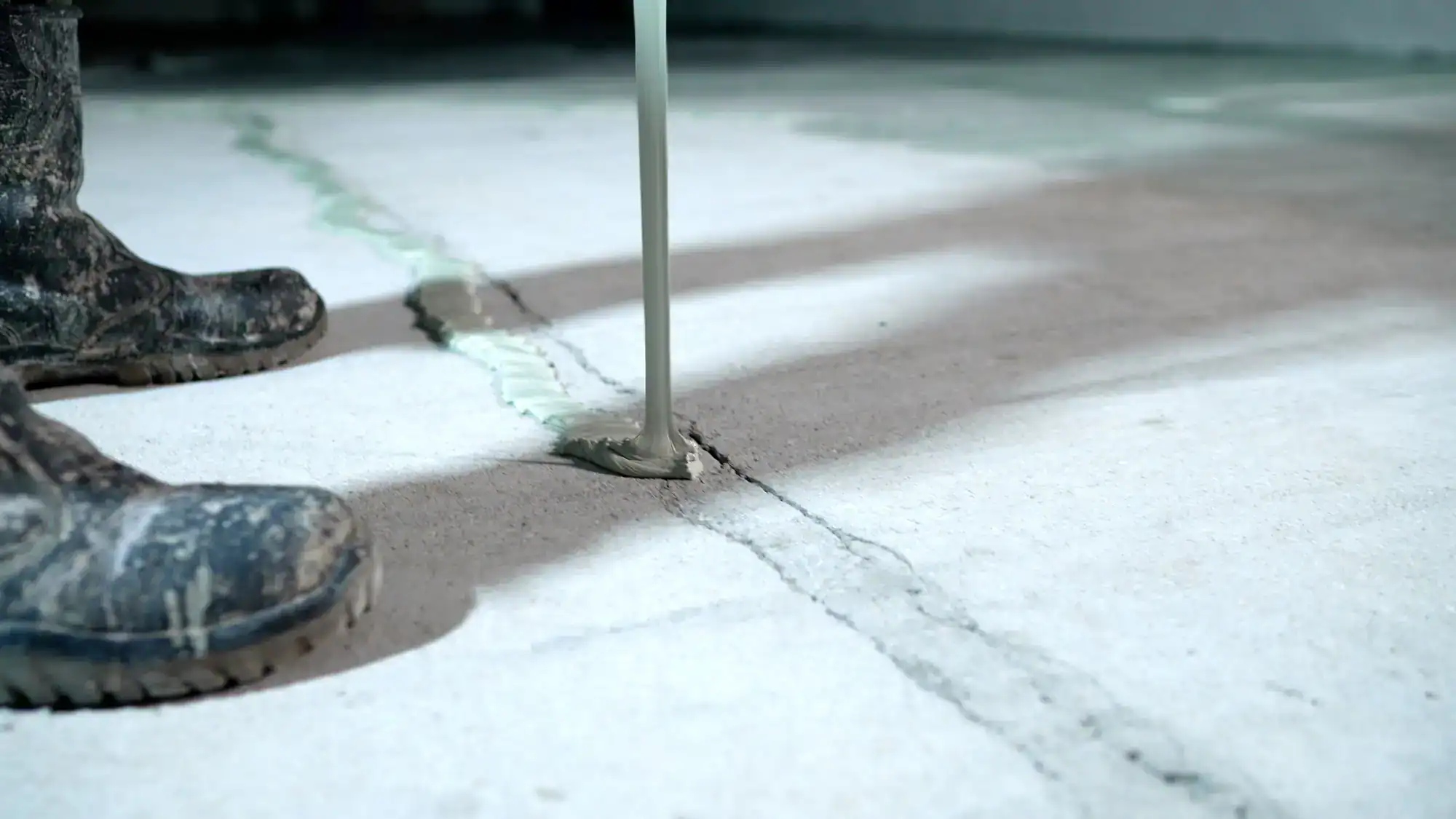
Basement waterproofing isn’t one thing it’s a category that covers several distinct problems and several distinct solutions, and what you actually need depends on what’s going on in your specific foundation. We work across the full range: foundation crack sealing using epoxy and polyurethane injection, interior basement waterproofing systems that manage water at the perimeter before it reaches your floor, waterproofing basement walls with membrane and drainage board applications, and sump pump installation sized for the actual water load your Greenlawn property faces including battery backup units that keep your basement protected when the power goes out mid-storm.
For older homes in Greenlawn the post-war construction that lines much of the hamlet’s residential corridors poured concrete and concrete block foundations have been through 50 to 80 years of Long Island’s freeze-thaw cycles. The micro-cracks that formed decades ago don’t stay micro-cracks forever. Foundation crack sealing at that stage is a targeted, cost-effective fix. Waiting until those cracks become structural issues is not.
For the newer Harborfield Estates colonials, the concern is different: initial waterproofing membranes installed during construction have a lifespan, and homes built in 2016 are now entering the window where the first signs of system stress typically appear. If your newer home is showing moisture you didn’t expect, that’s worth looking at sooner rather than later. Whatever the age of your home, the inspection tells us where you actually stand.
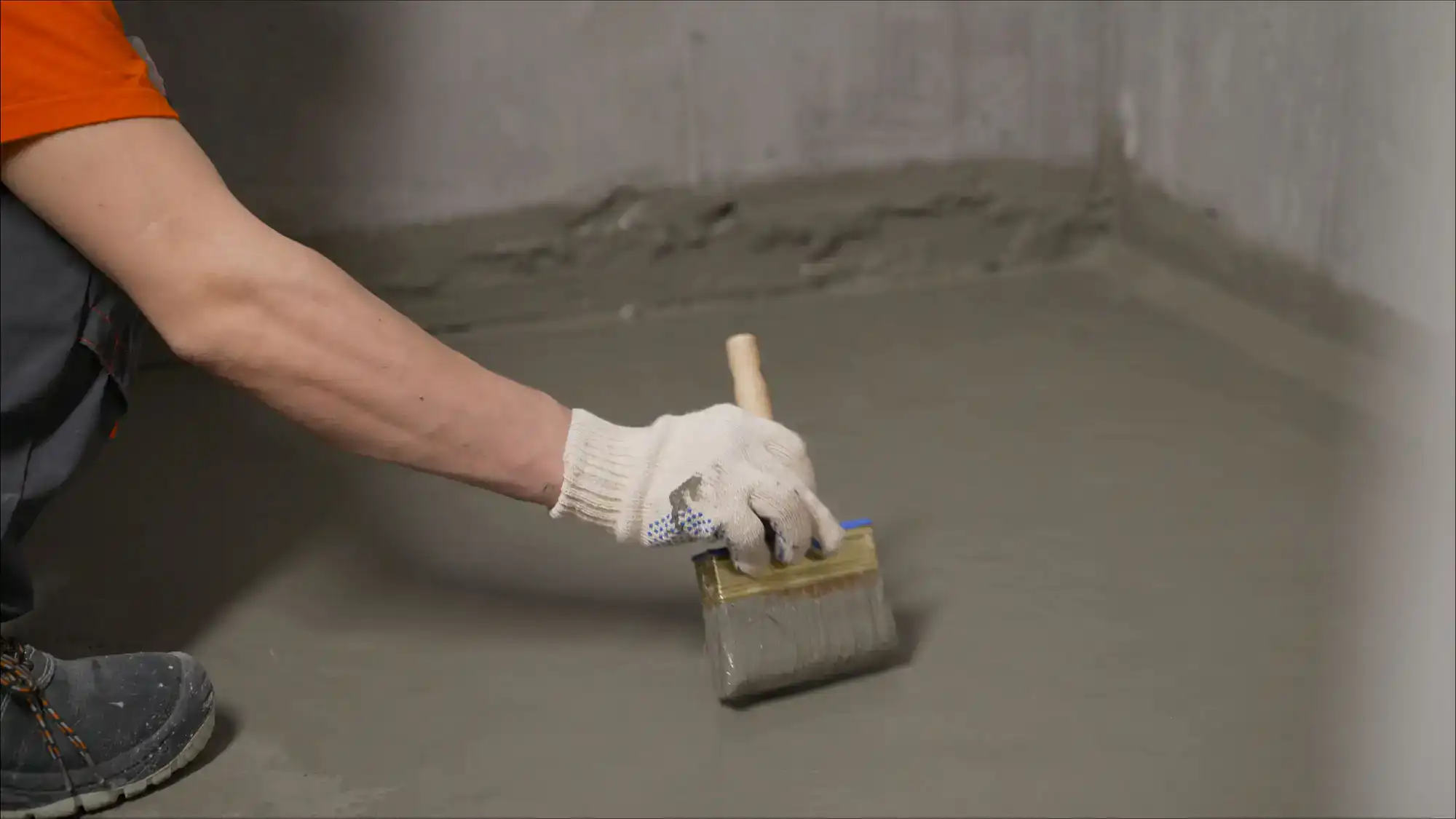
The most common reason is the soil your home sits on. Greenlawn is on the North Shore of Long Island, in terrain shaped by glacial deposits specifically morainal soils that contain heavy clay and glacial till. Unlike the sandier outwash soils you find further south on the island, these North Shore soils have very low permeability. When a significant storm hits, the ground saturates quickly and stays saturated for days. That sustained saturation builds hydrostatic pressure essentially, the weight of water-laden soil pressing against your foundation walls from the outside.
That pressure finds the path of least resistance, which is usually the wall-floor joint, an existing crack, or a deteriorated section of block or poured concrete. If your basement floods during or after heavy rain, you’re almost certainly dealing with hydrostatic pressure working through one of those entry points. The fix depends on where the water is getting in and how which is exactly why a proper inspection comes before any recommendation.
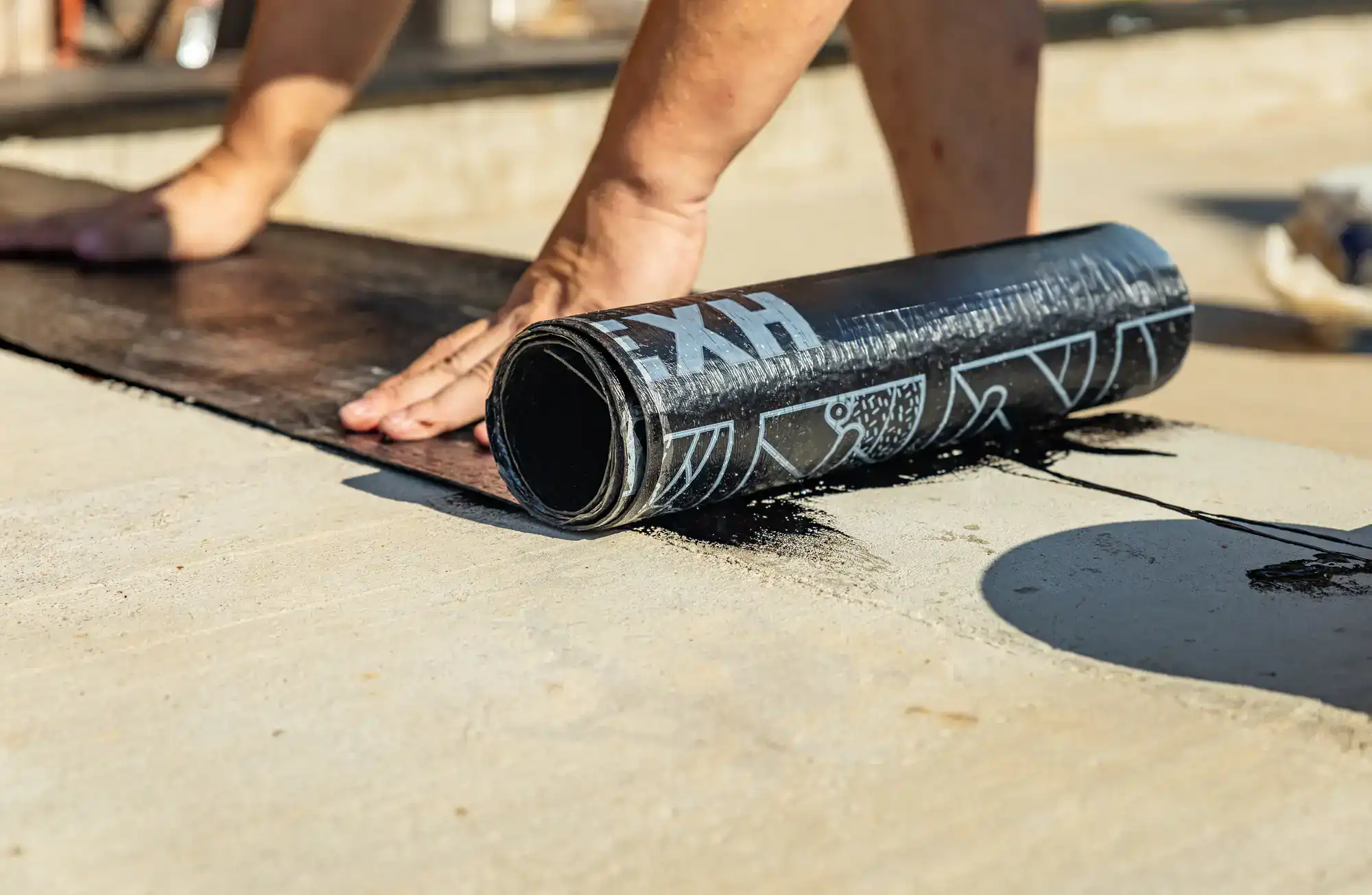
Exterior waterproofing addresses the problem at its source it involves excavating around the foundation, applying a waterproof membrane or coating to the outside of the wall, and installing drainage that redirects water away before it ever reaches the foundation. It’s the most comprehensive approach, but it’s also the most invasive and expensive, and it’s not always necessary or practical depending on your property layout and what’s actually driving the water intrusion.
Interior waterproofing manages water after it enters the foundation perimeter typically through a drainage channel installed along the base of the interior walls that directs water to a sump pump, which then discharges it away from the home. This approach doesn’t stop water at the source, but it controls it effectively and prevents it from pooling across your basement floor. For many Greenlawn homes dealing with wall-floor joint intrusion or seepage through block walls, interior systems are the more practical and cost-effective long-term solution. The right answer depends on your foundation type, your site’s drainage conditions, and the severity of the problem which is why we inspect before we recommend.
The honest answer is that it depends on what your basement actually needs. A targeted foundation crack repair using epoxy or polyurethane injection can run in the hundreds of dollars for a single crack. A full interior drainage system with sump pump installation for a typical Greenlawn home runs significantly more national averages for a full basement waterproofing project on a 1,000-square-foot space come in around $13,000 to $15,000, though the actual number depends on your foundation’s condition, the size of the space, and the scope of work required.
What’s worth keeping in mind is the cost of doing nothing. In a market where Greenlawn homes carry a median value of over $683,000, a crack that costs $800 to seal today can develop into a structural failure that costs $20,000 or more to address down the road. Basement moisture also affects your home’s resale value a buyer’s inspector will flag it, and undisclosed water issues can derail a closing. The inspection is free. That’s the right place to start.
It depends on the scope of the work. Cosmetic repairs applying sealant to a minor crack, for example generally don’t require a permit. But structural work, including the installation of an interior drainage system, significant foundation crack repair, or any work that affects the structural elements of your foundation, typically does require a building permit through the Town of Huntington’s Department of Engineering Services.
At the county level, Suffolk County Article II on Home Improvement Contractors explicitly lists waterproofing as a covered category of residential work, which means any contractor performing this work in Greenlawn is required to hold a valid Suffolk County Home Improvement Contractor license. We’re fully licensed and handle the permit process on your behalf when it’s required so you’re not navigating town building departments on your own. If you’re ever unsure whether a specific repair requires a permit, we can walk you through that during the inspection.
These are two different problems, and sometimes you need both. A sump pump is the right solution when your basement is dealing with water that accumulates from below rising groundwater, hydrostatic pressure from saturated soil, or water that’s already making its way through the foundation perimeter and needs somewhere to go. Given Greenlawn’s proximity to the North Shore water table and the clay-heavy soils that stay saturated long after a storm passes, a properly sized sump pump is essential infrastructure for many homes here not an optional upgrade.
Foundation crack sealing addresses a different entry point: a specific crack in the wall or floor where water is migrating through. If you’re seeing water coming through a visible crack rather than seeping up from the floor or along the wall-floor joint, crack injection may be the primary fix. In many cases, the right answer is a combination seal the active crack and install a sump pump with battery backup so your basement stays protected even if the power goes out during the next significant storm. The inspection tells us which scenario you’re actually in.
If your basement took on water during the August 2024 storm or if you noticed new cracks, staining, or efflorescence in the months that followed then yes, your foundation likely experienced stress it hadn’t seen before. The August 18–19 rainfall event that prompted Governor Hochul’s Suffolk County Disaster Emergency declaration dropped up to 10 inches of rain on the North Shore in under 24 hours. That kind of event doesn’t just flood basements it saturates soil to a depth and duration that accelerates existing crack development and can compromise foundation drainage systems that were previously functioning adequately.
Even if your basement didn’t flood visibly during that storm, the sustained saturation of Greenlawn’s clay soils during and after that event put significant hydrostatic pressure on foundations across the hamlet. Hairline cracks that were stable before that storm may now be wider. Drainage systems that were marginally adequate may now be undersized for the conditions this area is facing. A post-storm inspection isn’t about finding a problem to fix it’s about knowing where your foundation actually stands before the next significant weather event arrives.