
Hear from Our Customers
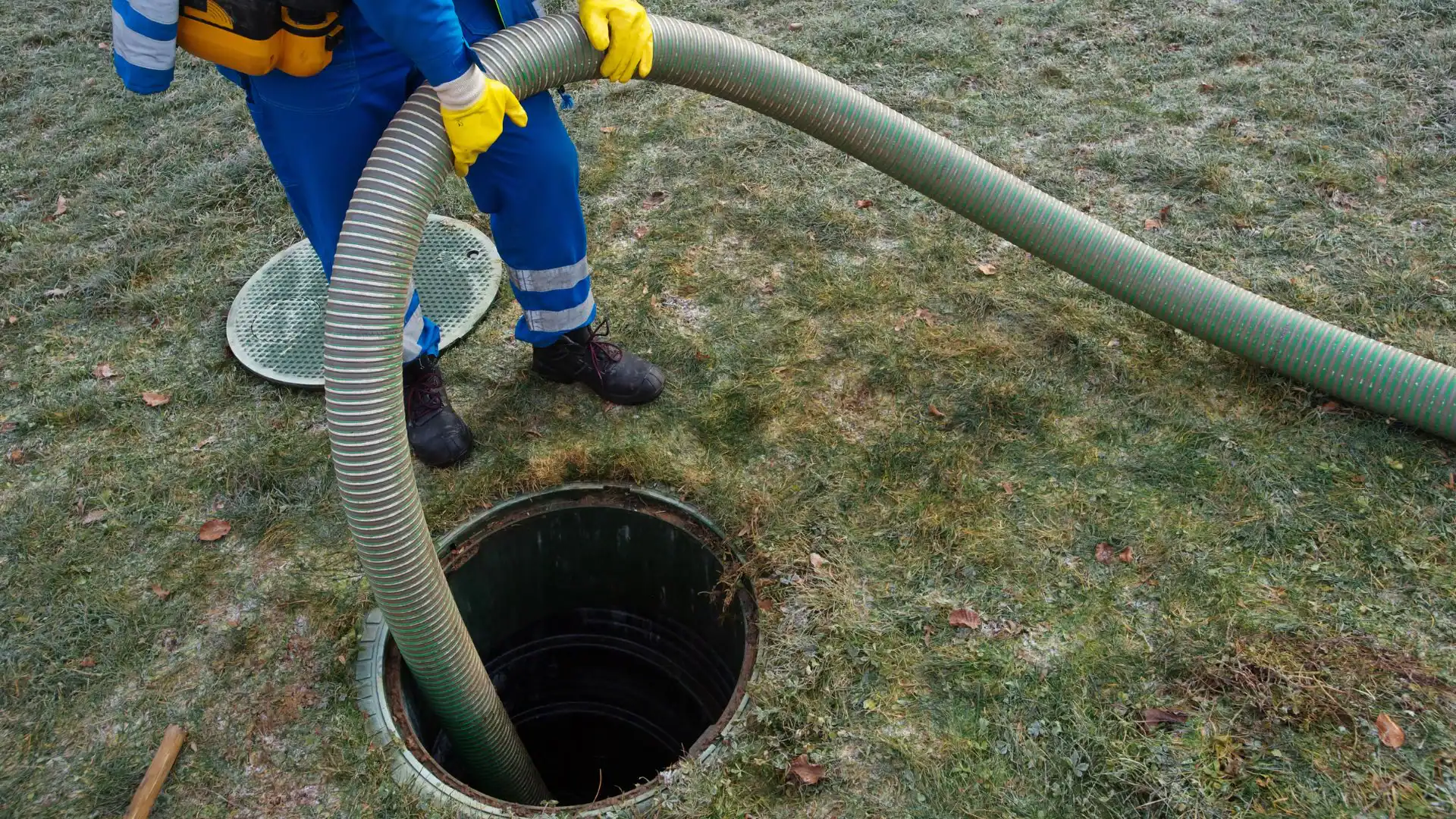
Standing water after a storm isn’t just an inconvenience it’s a slow, compounding problem. Saturated soil pushes against foundations. Water that has nowhere to drain sits against your structure for days, and over time, that adds up to real damage. In Montauk, where median property values sit above $1.36 million, the cost of ignoring a drainage problem almost always outpaces the cost of fixing it.
What changes after a properly designed drainage system is installed is straightforward. Your yard dries out. Water moves away from your home instead of pooling against it. You stop watching the forecast with the same anxiety every time a nor’easter rolls in off the Atlantic.
For properties near Fort Pond or in the Ditch Plains area, there’s an additional layer to this. Many of those homes face water pressure from more than one direction ocean-side storm surge from the south and freshwater flooding from the north. A drainage system that accounts for both exposure points isn’t a luxury for those properties. It’s the only version of the solution that actually works.
We work on Long Island properties where the conditions are demanding and the stakes are high. Montauk is as demanding as it gets one road in, water on three sides, and a storm history that goes back to the Hurricane of ’38. We’ve seen what this coastline does to properties that weren’t built or maintained with drainage in mind.
What that means for you is that we’re not learning Montauk’s drainage challenges on your property. We already understand the sandy loam soils, the shallow water table, the East Hampton Town stormwater requirements, and the specific flood vulnerabilities that show up differently in Ditch Plains than they do near Montauk Harbor. That local knowledge shapes every assessment we do and every system we install.
We’re fully licensed and insured for drainage and earthworks in New York State. We provide written quotes, stand behind our work with a workmanship warranty, and we don’t leave a torn-up yard behind when the job is done.
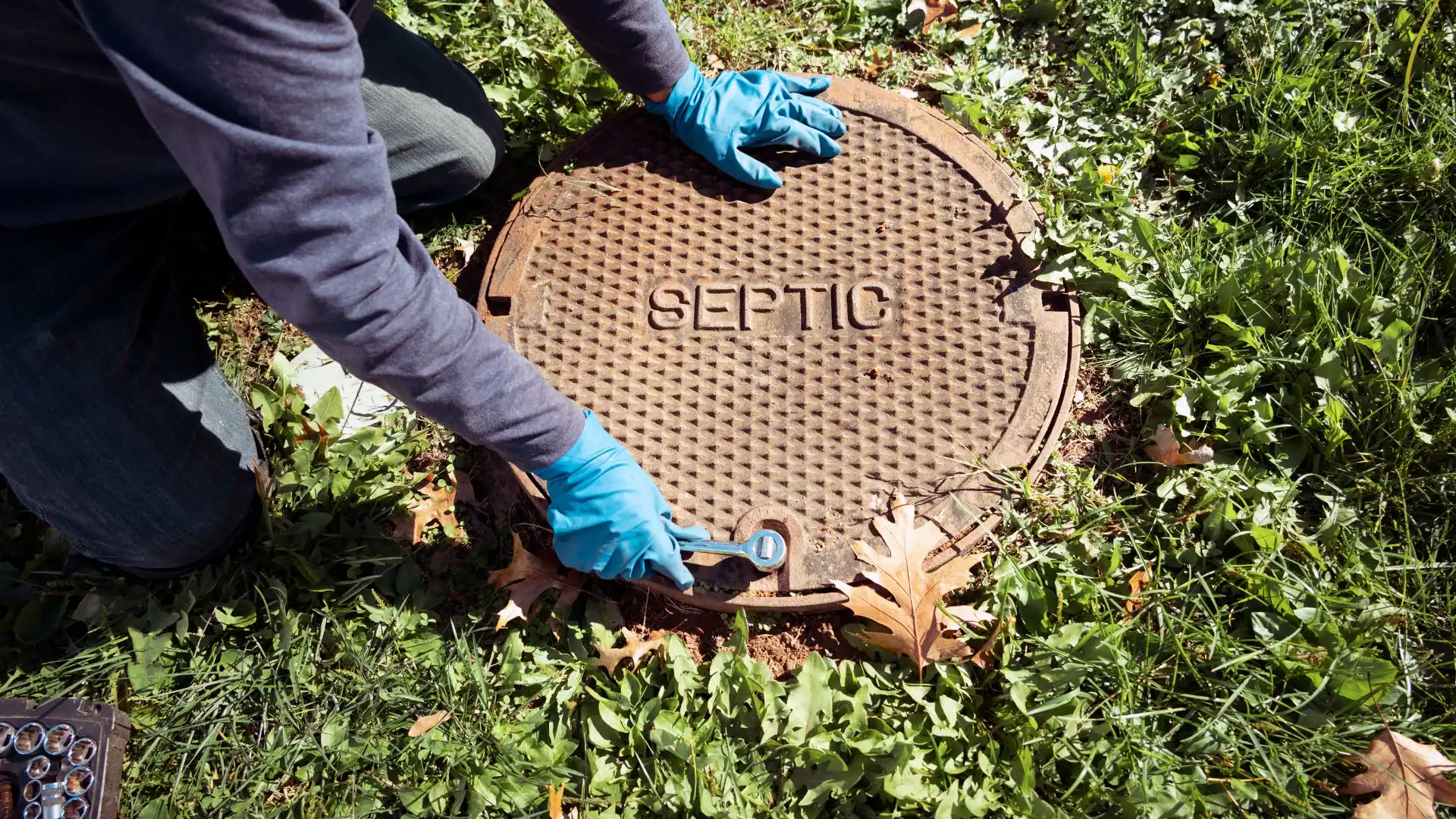
It starts with a site assessment. We walk your property, look at where water is entering, where it’s sitting, and where it needs to go. In Montauk, that assessment accounts for things that don’t come up on a typical inland job your proximity to the ocean or bay, the elevation of your lot relative to surrounding areas, and whether your property sits in one of the five flood-vulnerable zones identified in Montauk’s own coastal planning research. That context matters before a single design decision gets made.
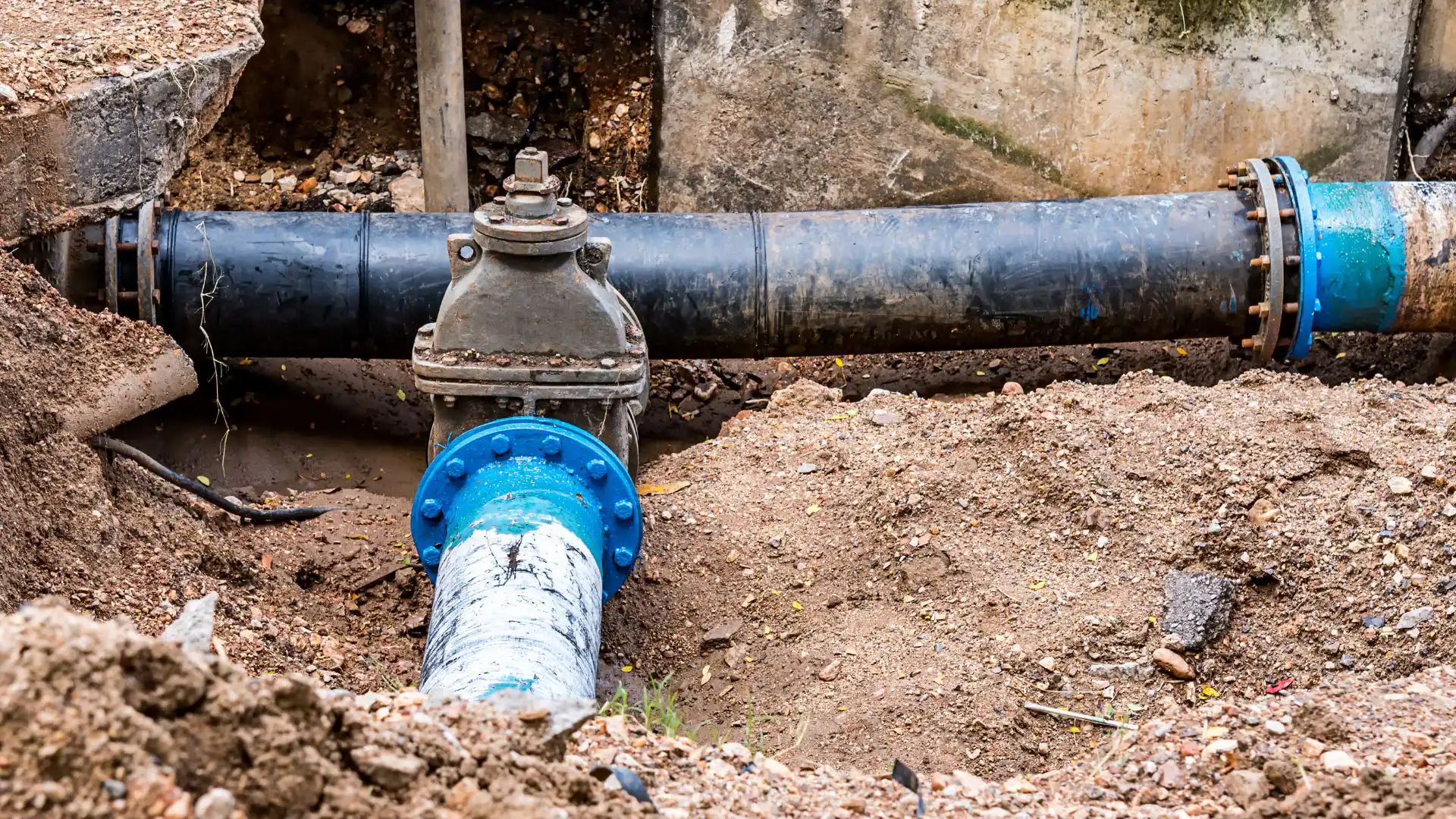
From there, we design a system that fits your specific situation. That might mean a French drain to intercept subsurface water before it reaches your foundation. It might mean catch basins to capture surface runoff, a regraded section of yard to redirect flow, or a combination of all of it. Every property is different, and Montauk properties are especially different from each other depending on where they sit on the peninsula.
One thing worth knowing for second-home owners and rental property investors: we’re used to working around seasonal schedules. If your property is booked solid through the summer, fall and spring are often the best windows for drainage work better contractor availability, lower disruption, and your yard is fully restored before peak season arrives. We’ll plan around your calendar.
Ready to get started?
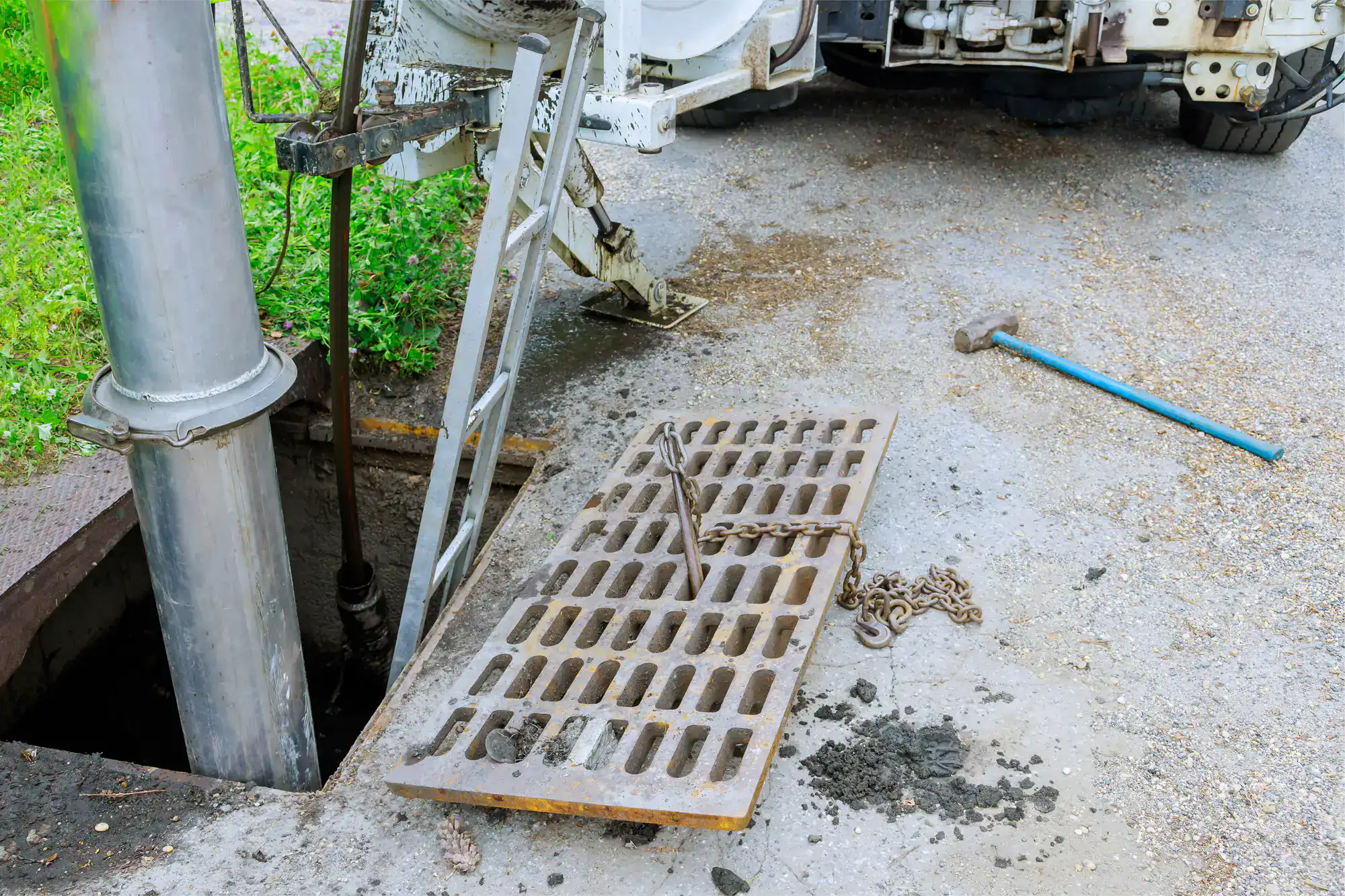
The drainage services we provide in Montauk cover the full scope of what a coastal property typically needs. French drain installation, catch basin and trench drain systems, yard grading and regrading, surface water redirection, and subsurface drainage design are all part of what we do. And because we handle the earthworks side as well, we restore the yard after installation turf, plantings, and hardscaping left the way they should be when we’re finished.
What makes the work here different from a standard suburban drainage job is the environment. Salt air accelerates corrosion on drainage hardware. Freeze-thaw cycles stress pipe joints. Storm surge can deposit debris that clogs a system that wasn’t designed with that in mind. We specify materials and installation methods appropriate for the East End coastal environment, not just what works in a typical Nassau County backyard.
All drainage work in Montauk falls under East Hampton Town’s stormwater management code, which requires that all runoff be contained within your property lines and returned to the ground through appropriate means. That’s not a technicality it’s a real legal requirement that affects how a drainage system needs to be designed. We’re familiar with those requirements and design every system in compliance with East Hampton Town code and the NYSDEC MS4 permit obligations that apply to this area.
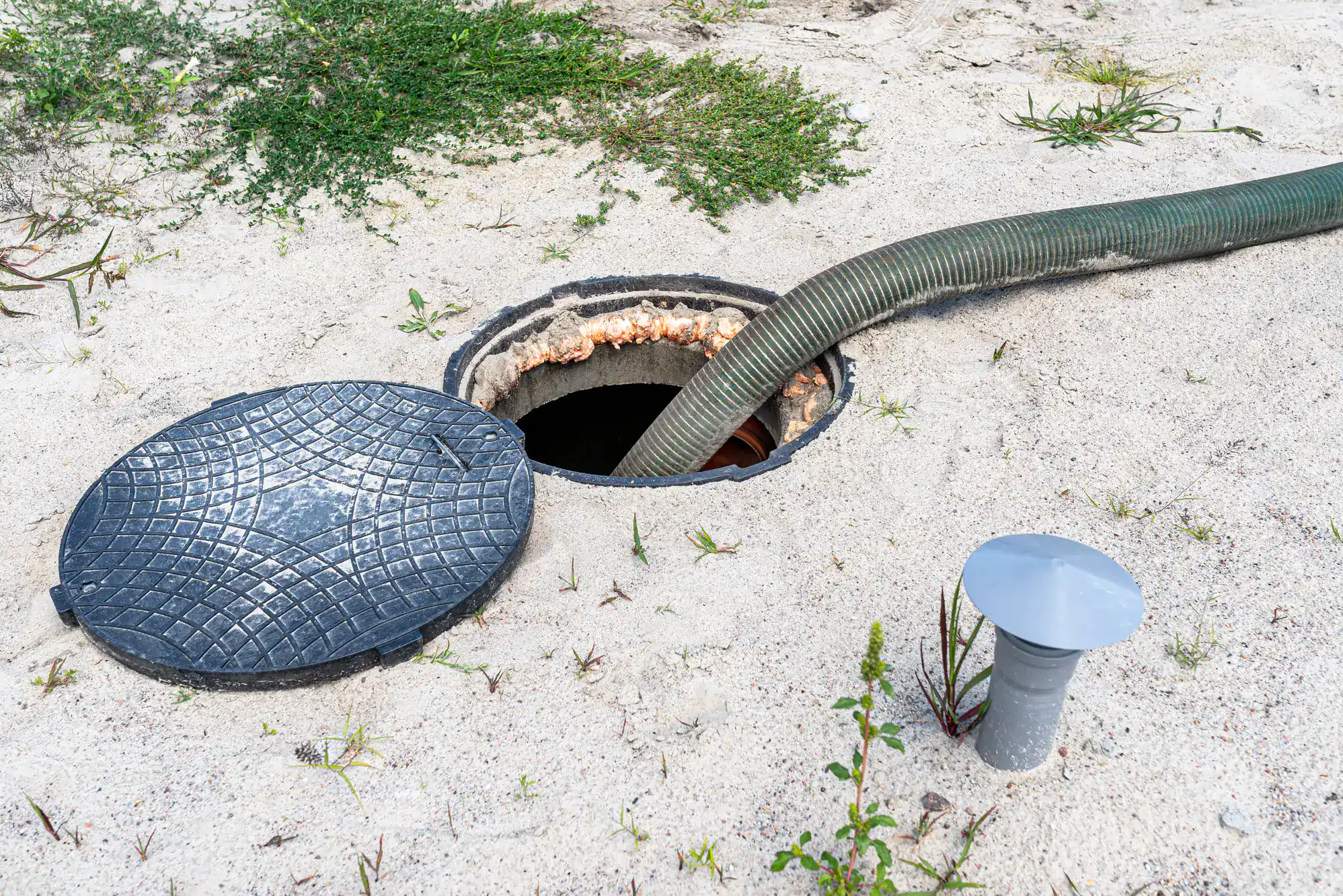
Sandy soils are supposed to drain well and in theory, they do. But Montauk’s soils are more complicated than they look. The dominant soil type across the peninsula is Montauk fine sandy loam, a USDA-classified series that can have hardpan layers beneath the surface that block downward drainage even when the top layer feels dry and loose. Add a shallow water table which is a reality when you’re surrounded by ocean and bay on three sides and you have conditions where the soil simply can’t absorb water fast enough during a heavy rain event.
The other factor is topography. Many residential areas in Montauk, particularly near Fort Pond and in lower sections of downtown, are flat enough that surface water has nowhere to go naturally. Without a designed drainage system to intercept and redirect that water, it just sits. A proper site assessment will identify whether your flooding is a soil issue, a topography issue, or both and the solution gets designed accordingly.
The honest answer is that it depends on where the water is coming from and where it’s going. A French drain is most effective when you’re dealing with subsurface water water that’s moving through the soil toward your foundation or pooling underground. It intercepts that flow and redirects it before it becomes a surface problem. A catch basin works better when you have surface water accumulating in a specific low spot, like a depression in the yard or a low point near a driveway.
Many Montauk properties need a combination. If you’re in Ditch Plains or near the harbor, you may be dealing with surface water coming in from one direction and subsurface saturation from another. A single-solution approach won’t cover that. The right answer comes out of a proper site assessment not a phone call, and not a guess based on a photo. We walk the property, look at the grading, and design a system based on what’s actually happening there.
It depends on the scope of the work, but it’s worth taking seriously. Montauk falls under East Hampton Town jurisdiction, which has specific stormwater management regulations and is covered under an MS4 permit administered by the New York State Department of Environmental Conservation. East Hampton Town’s code requires that all stormwater runoff be contained within your property lines and returned to the ground through appropriate means which means any drainage system that redirects water off your property or alters natural drainage patterns may require approval.
For straightforward installations like a French drain or catch basin that discharge within your own property, permitting requirements are often minimal. But for larger-scale grading work or systems that involve a discharge point near a wetland, pond, or coastal area which describes a significant number of Montauk properties additional review may be required. We’re familiar with East Hampton Town’s process and can help you understand what applies to your specific project before any work begins.
Most residential drainage installations in Montauk take between one and three days depending on the scope. A single French drain run along a foundation or a catch basin installation in a problem area is usually a one-day job. A more comprehensive system involving multiple drain lines, regrading, and discharge infrastructure takes longer typically two to three days.
During the work, there will be excavation. That means disturbed turf, open trenches, and equipment on your property. We’re upfront about that because it’s the reality of the job. What we’re also upfront about is that we restore the yard when we’re done soil compacted, turf replaced or reseeded, and any plantings or hardscaping returned to their pre-installation condition. For Montauk properties with high-end landscaping, we take particular care with that restoration step. If you’re managing a rental property and have a seasonal schedule to work around, we’ll factor that into the project timeline from the start.
The straightforward answer is that waiting makes it worse and more expensive. Water that consistently pools near a foundation doesn’t just sit there it works its way into cracks, saturates the soil against your footings, and over time contributes to settling, wall movement, and water intrusion into the structure. Foundation repairs from water damage run anywhere from $23,000 to $48,000. A drainage system that prevents that damage typically costs a fraction of that.
In Montauk specifically, the urgency is higher than in most places. The peninsula has a documented 60% probability of experiencing a major hurricane-scale flood event within the next 30 years, according to Montauk’s own Coastal Assessment Resiliency Plan. The municipal drainage infrastructure along Route 27 through downtown is already documented as overtaxed and unable to handle heavy storm events. When that public infrastructure is overwhelmed, your private property drainage system is the last line of defense. A system that’s marginal in a normal rain event will fail in the storm that actually matters.
Yes and in Montauk, that distinction is one of the most important questions you can ask. Most generic drainage contractors design for rainfall runoff, which is a manageable and predictable problem. Coastal storm surge is a different category. It moves differently, carries more volume, and can come from directions your yard’s natural grading was never designed to handle.
We design drainage systems with Montauk’s coastal exposure in mind. That means accounting for the dual-direction flooding that affects properties near Fort Pond and Napeague, where water can arrive from both the ocean side and the bay side in the same storm event. It means sizing systems for peak storm volumes, not just average rainfall. And it means using materials that hold up in a salt-air environment where standard hardware degrades faster than it would inland. The Army Corps of Engineers’ FIMP project is rebuilding Montauk’s public shoreline but that work stops at your property line. What happens on your lot is your responsibility, and a system designed for coastal conditions is the only version worth installing here.