Hear from Our Customers

Most Montauk property owners aren’t dealing with a simple overgrown lawn. They’re dealing with coastal scrub that’s crept back over a season, invasive species taking hold along a bluff edge, or a lot that needs to be cleared and prepped before a builder can start all while navigating East Hampton Town’s clearing restrictions that most contractors don’t fully understand. Getting that wrong isn’t just an inconvenience. It’s a stop-work order, a fine, or a mandatory revegetation requirement on a property worth well over a million dollars.
When the clearing is done correctly, the difference is immediate. Your site is clean, the permitted clearing envelope has been respected, and the next phase whether that’s construction, landscaping, or simply reclaiming a property you’ve owned for years can move forward without a call from the Town. For seasonal owners managing their Montauk land from the city, that kind of certainty isn’t a luxury. It’s the whole point of hiring a professional.
The terrain here also demands more than a standard approach. Properties near Ditch Plains, along Lake Montauk, or on the Napeague corridor each carry their own site conditions sandy coastal soils, bluff-adjacent slopes, wetland buffers that affect how clearing equipment is deployed and what areas need to stay untouched. A contractor who’s worked this peninsula knows the difference. One who hasn’t can cause damage that takes years and significant cost to reverse.
We are a Long Island land clearing and earthworks contractor with real, on-the-ground experience on the East End. That matters in Montauk more than it does almost anywhere else in Suffolk County, because this isn’t a jurisdiction where a contractor can show up, run equipment across a lot, and call it done. East Hampton Town’s clearing codes are layered, specific, and actively enforced and the properties here, from Hither Hills to the bluffs above the Atlantic, don’t forgive a contractor who doesn’t know what they’re doing.
Every job we start with an honest assessment of what your property can and can’t support under the Town’s current clearing allowances. No assumptions, no guesswork. You get a clear scope, a straightforward quote, and a crew that shows up when we say we will which, for anyone managing a Montauk property from Manhattan, is worth more than most people realize until they’ve dealt with a contractor who didn’t.
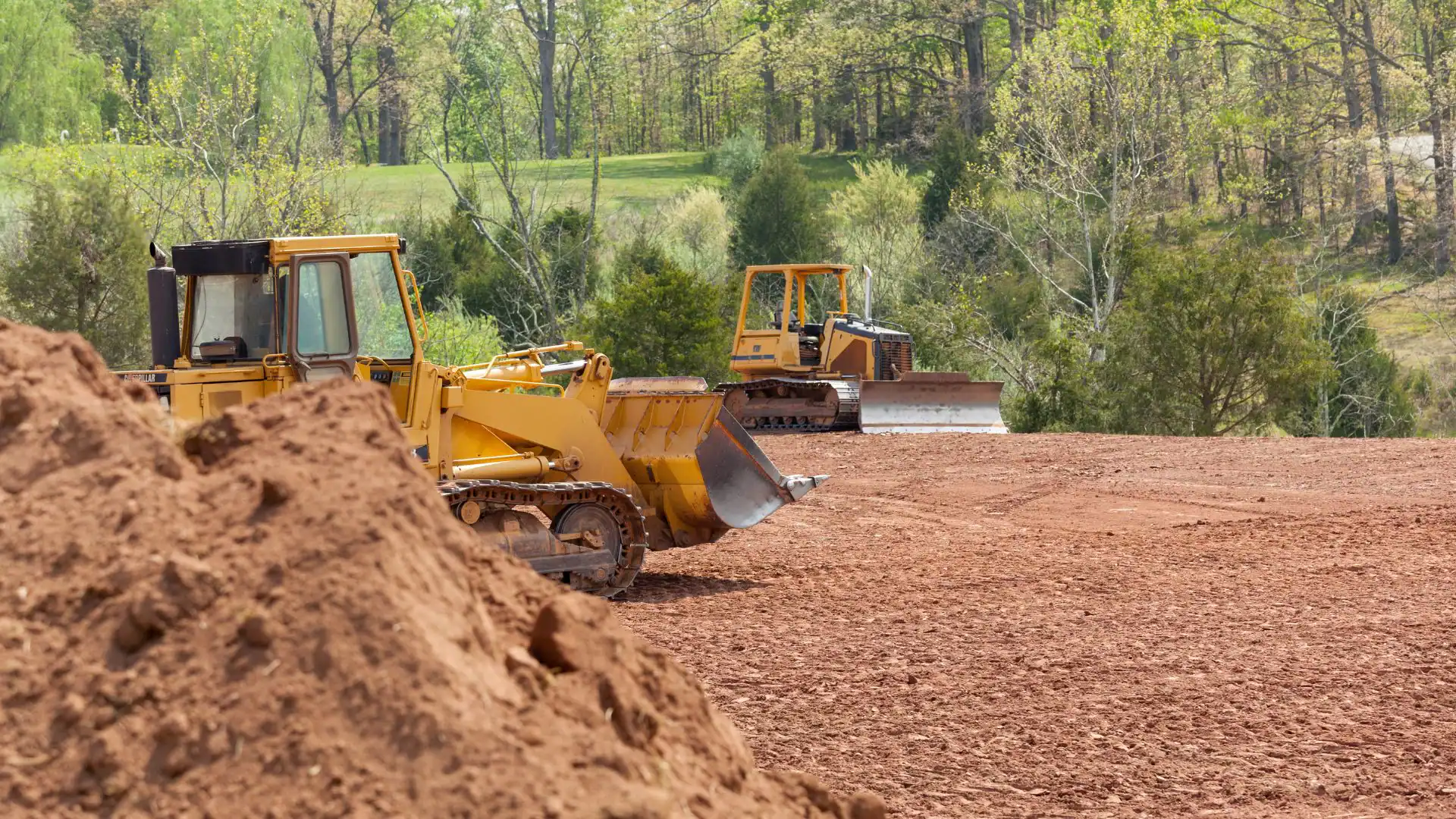
It starts with a site assessment. Before any equipment is scheduled, we review your property against East Hampton Town’s clearing codes including the applicable clearing percentage for your lot size, whether your land falls within the Water Recharge Overlay District or the Harbor Protection Overlay District, and whether any portion of your property sits within a setback zone that requires a Natural Resources Special Permit before work can begin. On Atlantic-facing properties in Montauk, that bluff setback extends 150 feet from the bluff line. Skipping this step is how property owners end up in front of the Town’s enforcement board.
Once the permitted scope is confirmed, you get a written quote that breaks down exactly what’s included clearing, stump removal, debris disposal, and site cleanup. No line items that appear at invoice time that weren’t in the original quote. For most Montauk jobs, timing matters as much as scope. The window between the end of winter and the start of the summer season is short, and if you need the property ready before Memorial Day whether for construction, a sale, or your own arrival the schedule needs to be locked in early.
The work itself is matched to your site. Coastal sandy soils, bluff-adjacent slopes, and properties near Fort Pond or Lake Montauk all require a different approach than a flat inland lot. When the crew leaves, the site is clean, the cleared area stays within what the Town permits, and you have documentation of the work completed useful for any follow-up with contractors, architects, or the Town itself.
Ready to get started?
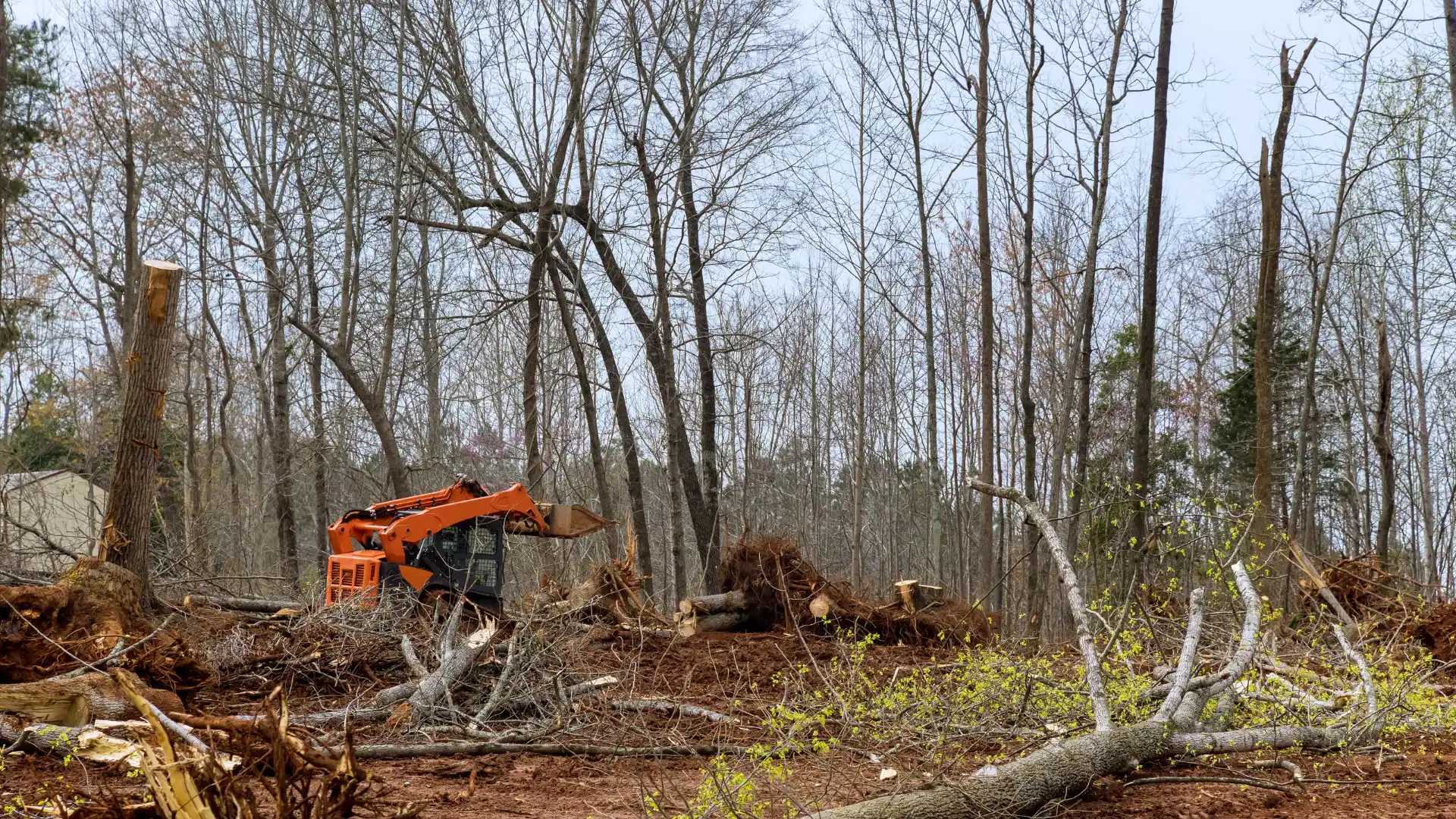
Land clearing in Montauk covers a wider range of conditions than most people expect when they first call. Some properties need full lot clearing ahead of new construction removing trees, shrubs, stumps, and accumulated brush down to a clean, graded surface. Others need targeted brush clearing along a property boundary, overgrown property clearing after a season of neglect, or land reclamation work on a lot that’s been left untended long enough that invasive coastal scrub has taken over. East Hampton Town has documented invasive species pressure across the Montauk area specifically, and removing those plants correctly not just cutting them back matters for the long-term health of the site.
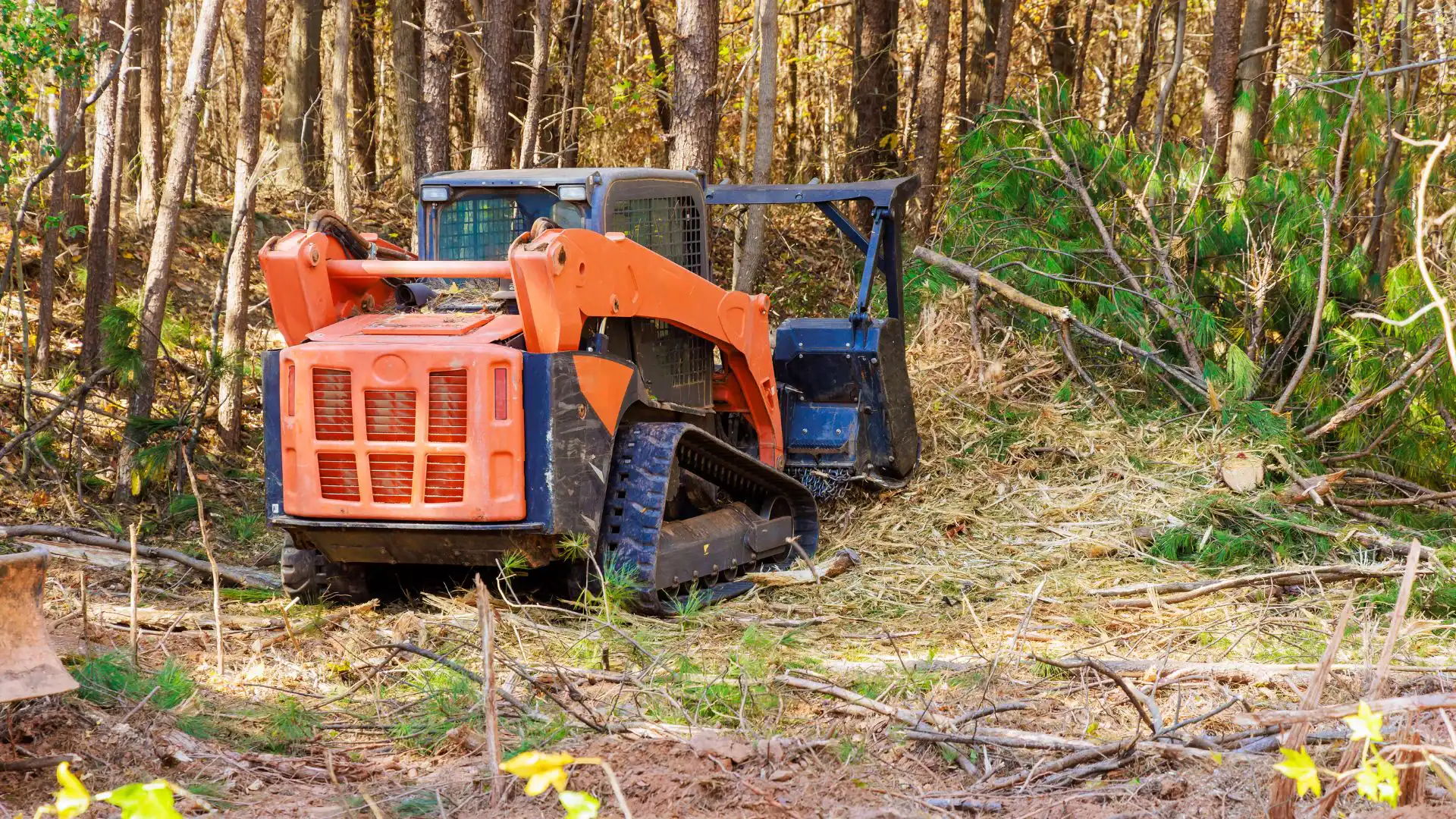
We handle the full scope: vegetation removal, tree and shrub clearing, stump grinding, debris hauling, and site cleanup. Every service is delivered within the clearing limits that apply to your specific property under East Hampton Town Code. If your lot is in a sensitive overlay zone, near a shoreline buffer, or adjacent to one of the five nature preserves covering more than 5,500 acres across the Montauk peninsula, that gets factored in before a single machine moves.
For property owners who aren’t on-site during the work which describes a large share of Montauk’s seasonal and absentee owners the process includes clear communication before and after the job, with documentation of what was done and what the site looks like when the crew is finished.
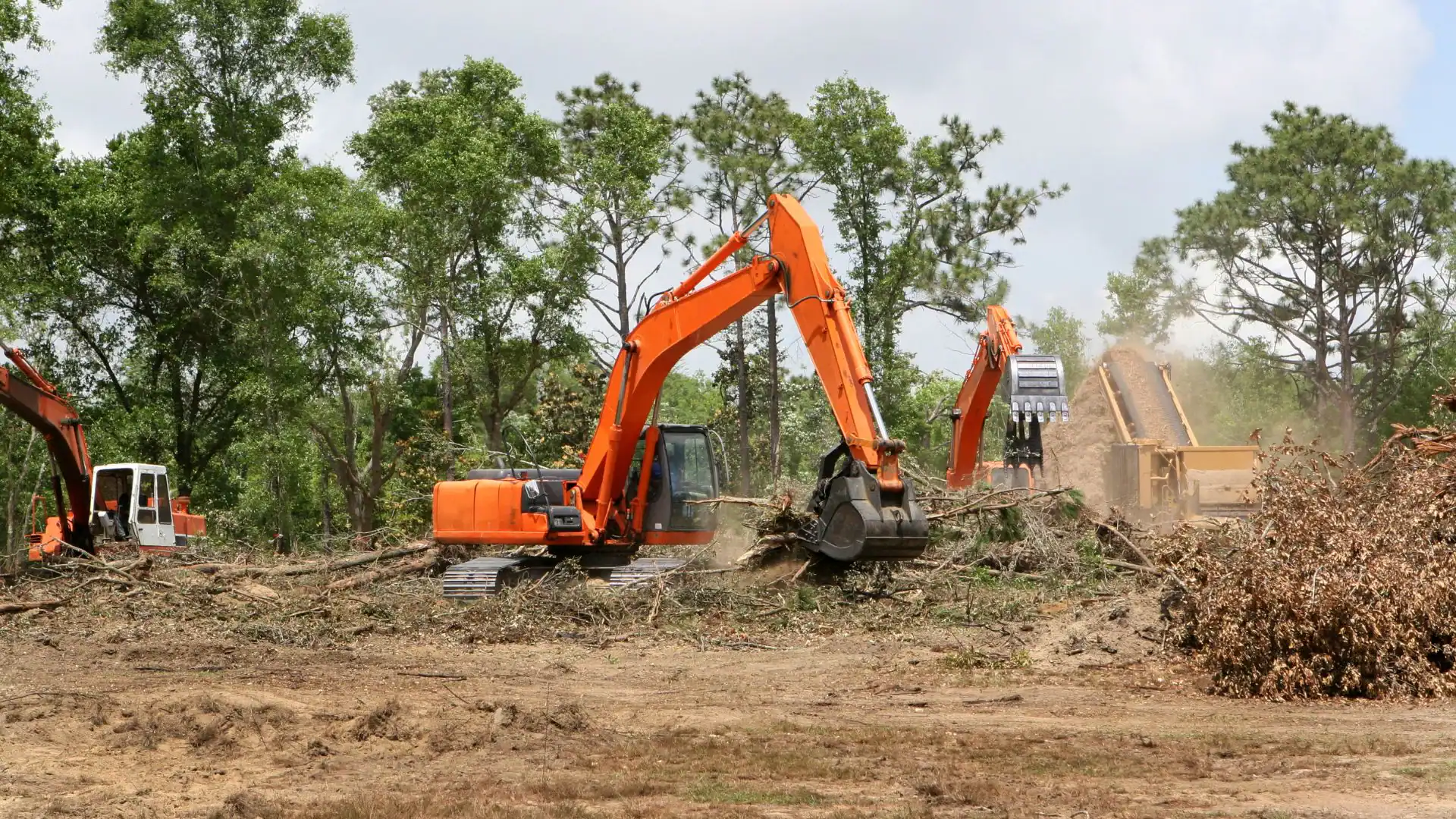
East Hampton Town sets maximum clearing percentages based on lot size, and those limits apply to every residential property in Montauk. Generally, the Town’s clearing code allows approximately 45 to 50 percent of a residential lot to be cleared, with the exact figure depending on the total square footage of your parcel. For larger lots, the permitted clearing area is calculated using the Town’s Quick Reference Table, which scales the allowance as lot size increases.
What makes Montauk more complicated than most of Long Island is the overlay districts. If your property falls within the Water Recharge Overlay District or the Harbor Protection Overlay District which covers a significant portion of Montauk given its proximity to the ocean, sound, bay, and freshwater bodies your permitted clearing area may be more restricted than the base residential allowance. Before any work begins, the applicable limits for your specific parcel need to be confirmed against the current Town Code. That’s something we do as part of the initial assessment, not something left to the property owner to figure out independently.
It depends on where your property is and what you’re planning to clear. For standard residential clearing within the permitted percentage limits, a formal clearing permit is not always required but that doesn’t mean there are no regulatory considerations. East Hampton Town’s clearing codes are self-executing, meaning the limits apply whether or not a permit has been pulled, and clearing in excess of what’s allowed can trigger enforcement action regardless of whether anyone filed paperwork.
Where permits do become mandatory is in sensitive natural resource areas. If your property has any portion within 150 feet of the Atlantic Ocean bluff line which applies specifically to Montauk properties east of Map No. 174 clearing, grading, or excavation in that zone requires a Natural Resources Special Permit from the Town before work can begin. The same applies to properties within 50 to 100 feet of other bluff lines, dune crests, or the landward edge of a beach. If there’s any question about whether your property triggers the NRSP requirement, that question needs an answer before equipment arrives, not after.
The consequences are real and they fall on the property owner, not the contractor. East Hampton Town enforces its clearing restrictions with stop-work orders, fines, and mandatory revegetation requirements meaning you may be required to replant cleared vegetation at your own expense, in addition to paying any fines assessed. On a Montauk property where land values routinely exceed a million dollars, the financial exposure from a clearing violation is significant and not something that gets resolved quickly or cheaply.
This is exactly why the regulatory assessment happens before any clearing begins, not as an afterthought. A contractor who doesn’t check the permitted clearing envelope before quoting a job is either unaware of the Town’s restrictions or is choosing to ignore them and either way, you’re the one who bears the consequences. We won’t quote a scope that exceeds what your property is permitted to support under East Hampton Town Code. If the clearing you want requires a permit or a variance, you’ll know that upfront so you can make an informed decision about how to proceed.
Yes but it requires a different level of care than clearing an interior lot, and the regulatory requirements are stricter. East Hampton Town Code prohibits clearing, grading, and excavation within 150 feet of the Atlantic Ocean bluff line on Montauk properties without a Natural Resources Special Permit. That setback exists because the bluffs along Montauk’s south shore are geologically active they erode, they shift, and removing the vegetation that stabilizes them can accelerate that process in ways that are difficult and expensive to reverse.
Outside the protected setback zone, coastal properties can be cleared but the equipment selection, the approach to root systems, and the handling of debris all need to account for the sandy, unstable soils common along Montauk’s bluff-top and dune-adjacent properties. Clearing that’s done without that awareness can destabilize the very ground you’re trying to improve. We assess coastal site conditions before any work begins and will not clear within a protected setback zone regardless of what a property owner requests. Protecting the bluff protects the property and the investment behind it.
This is one of the most common situations on the Montauk peninsula, particularly for seasonal owners who’ve had a property sitting between visits. Coastal scrub, invasive species, and opportunistic woody growth can reclaim a cleared area surprisingly fast in Montauk’s maritime climate consistent moisture, mild winters, and fertile coastal soils create conditions where vegetation doesn’t stay cleared on its own for long.
The starting point is always a site assessment, not a quote. Before anything else, the property needs to be walked to understand what’s there what species are present, what’s invasive versus native, what the terrain looks like under the overgrowth, and what the permitted clearing envelope allows under East Hampton Town Code. From there, a realistic scope gets built around what can actually be cleared, in what sequence, and with what equipment given the site conditions. For heavily overgrown properties, that process sometimes happens in phases particularly if invasive species removal needs to be handled separately from general brush clearing. You’ll know the full picture before any work begins.
Spring is the most in-demand window, and for good reason. April and early May give you the time to get a property cleared and ready before the summer season begins before traffic on NY Route 27 makes equipment mobilization more complicated, and before the most aggressive vegetation growth of the year takes hold. For seasonal owners who need a property ready for summer arrivals or for a builder starting a project after Memorial Day, that spring window is the critical scheduling target. It books up faster than most people expect.
Autumn September through October is the second-best window. Vegetation growth slows, the summer crowds have thinned, and properties being prepared for winter, listed for sale, or readied for off-season construction work can be cleared efficiently before the ground conditions change. Winter clearing is also possible in Montauk given the peninsula’s relatively mild maritime climate, and it can be a practical option for property owners who want work done during the off-season without competing for spring scheduling. Whenever you’re planning to clear, earlier contact means better scheduling options especially for larger or more complex sites that require regulatory review before the work can begin.