Hear from Our Customers
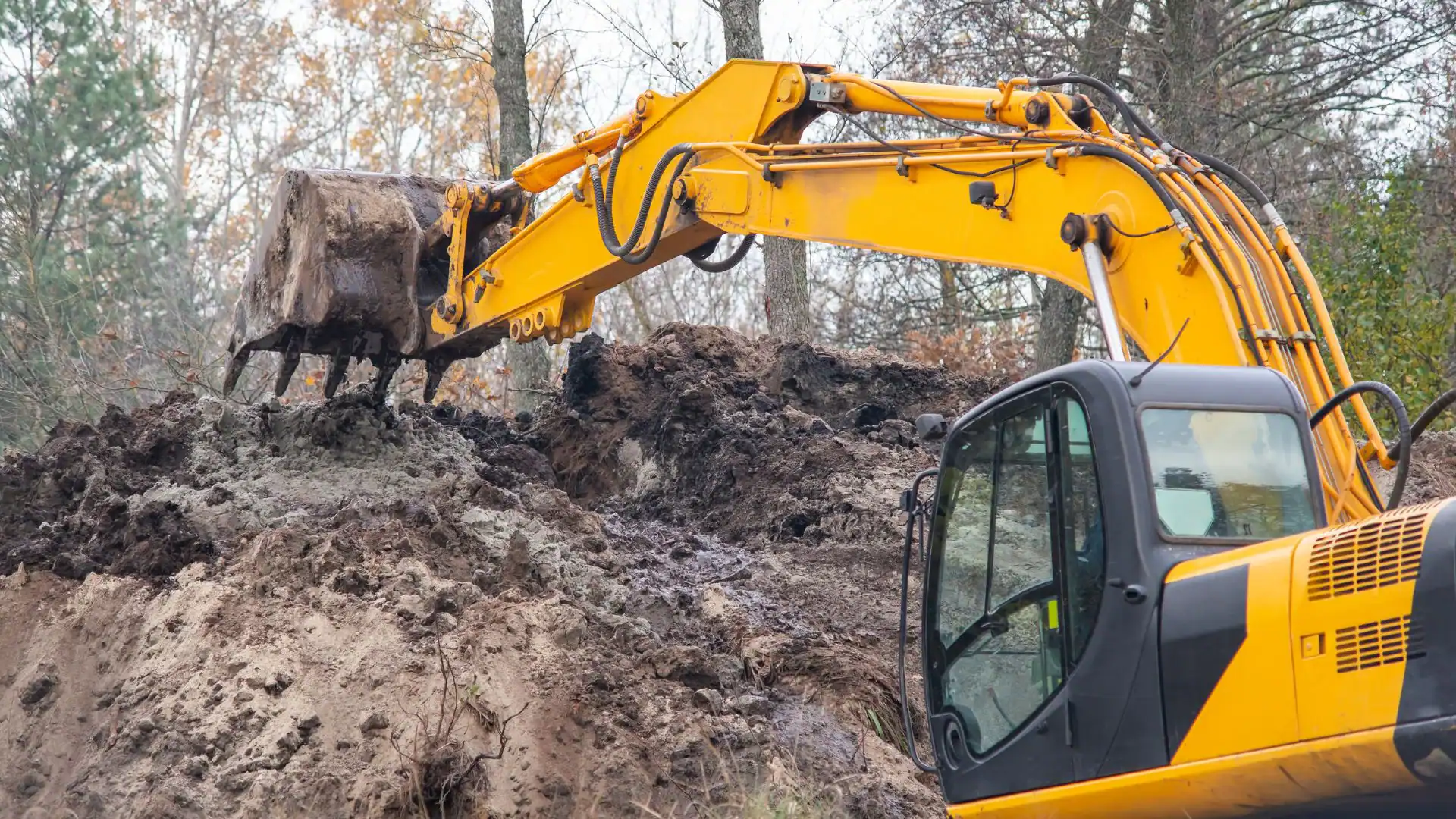
When excavation is handled correctly from the start, everything downstream gets easier. Your builder isn’t waiting on a re-dig. Your drainage isn’t fighting the site. Your septic isn’t failing a county inspection because the soil conditions weren’t properly assessed. That’s the difference between a contractor who shows up and one who actually understands the job.
In Montauk, that gap matters more than almost anywhere else on Long Island. The glacial till beneath these bluffs behaves differently than the flat sandy soils you’d find in central Suffolk County. Excavating near the ocean-facing properties around Ditch Plains or the low-lying areas bordering Fort Pond Bay requires someone who reads a coastal site not just operates on one. Get that wrong and you’re not just dealing with a bad grade. You’re dealing with erosion, runoff into sensitive waterways, and potentially a stop-work order from the Town of East Hampton.
There’s also the calendar. If you’re managing a renovation from the city and your Montauk property needs to be ready before the summer rental season, a delay isn’t just inconvenient it has a real dollar figure attached to it. We finish what we commit to, communicate when something changes, and don’t leave you guessing from 120 miles away.
We’re a licensed and fully insured excavation contractor serving Montauk and the East End of Long Island. We handle the full earthworks scope land clearing, excavation, cut and fill, grading, dig and haul, trenching, and retaining walls under one contract, with one point of contact. That matters a lot when you’re not on-site to manage the moving parts yourself.
Working in Montauk means understanding the Town of East Hampton’s permitting requirements, the NYSDEC coastal overlays, and the I/A OWTS septic mandate that affects every property in the hamlet. We don’t learn those things on your job. We already know them because we’ve worked in this regulatory environment and understand what it takes to keep a project compliant and on schedule.
From the bluff-adjacent properties near Camp Hero to the tighter residential blocks around the town center, we bring the right equipment, the right process, and the kind of communication that remote property owners actually need.

It starts with a site assessment and a written quote that actually tells you what’s included. Spoil removal, erosion controls, site cleanup it’s all in there. We don’t quote low and adjust once the machine is on-site. You know what you’re getting before anything moves.
From there, we handle permitting coordination. In Montauk, that means knowing whether your property falls within East Hampton Town’s 150-foot dune setback or 100-foot bluff line restriction before we ever break ground. If your project requires a NYSDEC Tidal Wetlands permit or falls within the Coastal Erosion Hazard Area, we walk you through what that means for your timeline not after you’ve already committed, but before. That kind of upfront clarity is what keeps a Montauk project from stalling mid-scope.
Once we’re on-site, we work to the agreed schedule. Erosion and sediment controls go in as a standard part of every coastal job not an add-on. When the work is done, the site is clean, graded to spec, and ready for whatever comes next. If anything changes during the job, you hear about it from us before it shows up on an invoice.
Ready to get started?
Montauk isn’t a one-size-fits-all excavation market. The properties near Napeague sit on some of the most erosion-vulnerable land in New York State. The bluff-adjacent lots near the eastern end of the hamlet carry NYSDEC and Town of East Hampton restrictions that don’t apply in most other parts of Suffolk County. And because there’s no municipal sewer anywhere in Montauk, every property runs on a septic system which means I/A OWTS excavation is one of the most consistent and most regulated earthworks tasks we handle here.
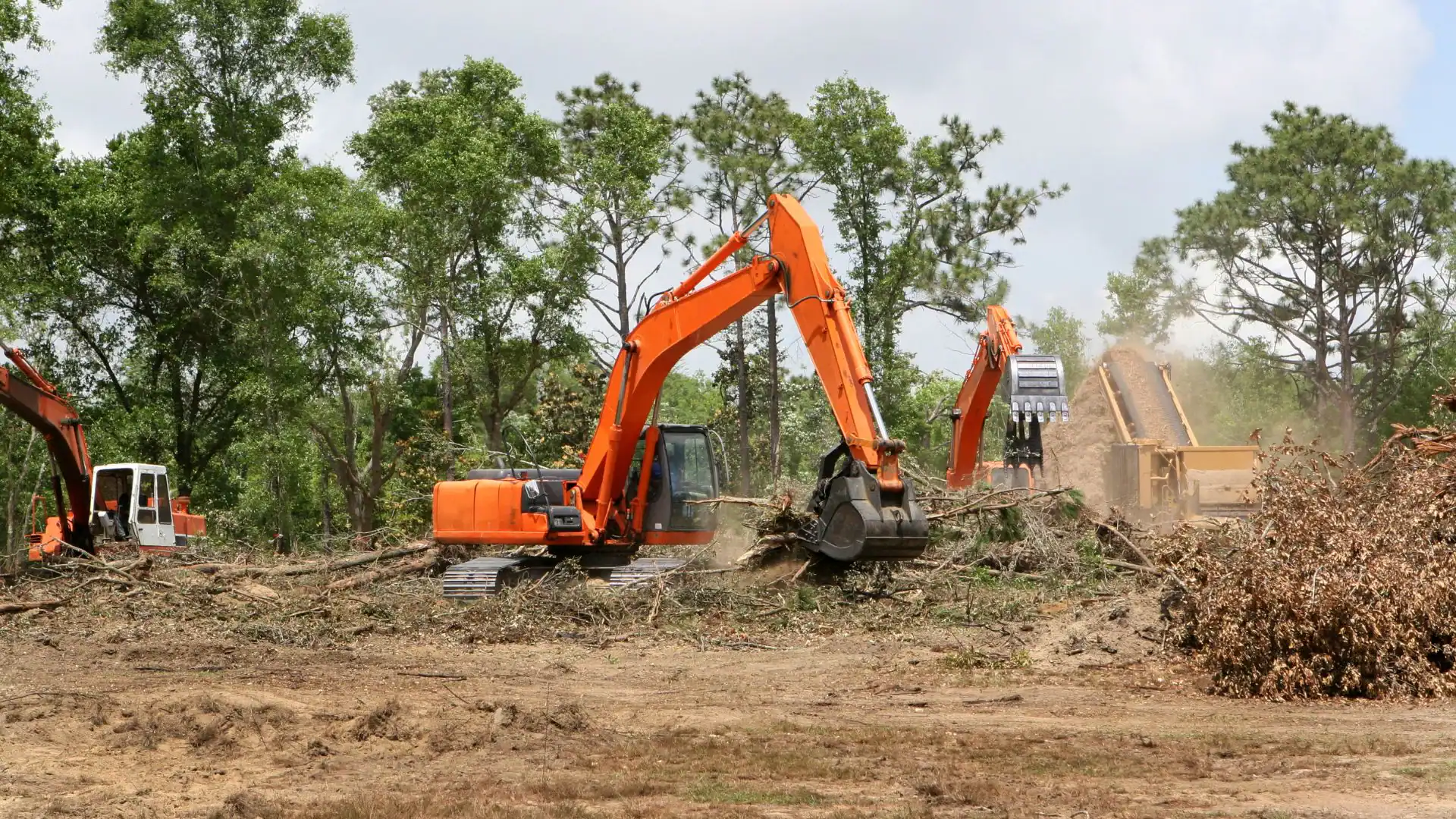
The services we provide in Montauk cover the full scope: land clearing and site preparation, excavation, cut and fill, dig and haul, trenching for utilities and drainage, finish grading, and retaining wall construction. If your project involves a pool installation, a foundation, a septic upgrade to I/A OWTS standards, or a drainage correction after storm damage, we have the equipment and the site experience to handle it including compact machinery for the tighter residential blocks near the town center where a full-size excavator isn’t practical.
Every Montauk job also includes proper coastal erosion and sediment controls. That’s not a line item we add at the end it’s built into how we work on every site near the water, the bluffs, or the dunes.
In most cases, yes and in Montauk specifically, the permitting picture is more involved than in most other parts of Long Island. The Town of East Hampton requires that a staked survey showing your property’s clearing envelope be submitted with any building permit application that involves clearing or grading. That envelope defines exactly where work can happen on your lot, and it has to come from a licensed surveyor before anything else moves forward.
Beyond that, if your property is near the ocean, the bluffs, or any tidal wetland area which describes a significant portion of Montauk’s residential stock you may also need a NYSDEC Tidal Wetlands permit or a Coastal Erosion Hazard Area approval before excavation can begin. These aren’t formalities. They’re enforceable requirements with real consequences for non-compliance. We help clients understand exactly what applies to their site before we quote the job, so there are no permit surprises after the machine arrives.
The Town of East Hampton’s natural resources protection code sets hard setbacks that apply specifically to Montauk and the surrounding area. For ocean-facing properties east of Map No. 174 in Montauk, no clearing, grading, or excavation is permitted within 150 feet of the dune crest without a special permit. For bluff-adjacent properties, the restriction is 100 feet from the bluff line. These aren’t soft guidelines they’re codified restrictions, and violations can result in stop-work orders, fines, and mandatory remediation.
What this means practically is that a lot of Montauk properties have a smaller buildable and workable footprint than the lot size suggests. Before any excavation begins near the bluffs or dunes, the setback lines need to be clearly established on-site. We factor this into every assessment we do for Montauk properties because working inside those setbacks without the proper approvals creates legal exposure for you as the property owner, not just for us as the contractor.
I/A OWTS stands for Innovative/Alternative On-Site Wastewater Treatment System the nitrogen-reducing septic technology that Suffolk County now mandates for all new residential construction and major renovation projects. The requirement went into effect in July 2021, and it applies to every property in Montauk because there is no municipal sewer infrastructure serving the hamlet. Every home, rental property, and commercial building runs on an on-site system.
The reason this matters for excavation is that I/A OWTS installations have specific dimensional requirements, soil condition standards, and inspection checkpoints that a standard cesspool swap doesn’t involve. The Suffolk County Department of Health Services needs to verify soil conditions at the bottom of the excavation before any leaching structures go in. That means the excavation has to be done to the right depth, in the right location, and with enough coordination built into the schedule to accommodate the inspection. We’ve worked through this process and understand what it takes to get it right the first time.
Montauk’s subsurface is meaningfully different from the flat sandy plains you find in central or western Suffolk County. The bluffs and much of the elevated terrain in Montauk are composed of glacial till a mix of sand, gravel, and clay deposited during the last ice age. That material doesn’t behave uniformly. Depending on where you’re excavating, you can encounter pockets of clay that hold water, gravel layers that drain freely, or unstable zones near the bluff face where groundwater movement and wave undercutting have already compromised the material.
In practical terms, this means site assessment in Montauk isn’t just a formality. The right equipment selection, excavation approach, and slope management all depend on what the soil is actually doing at your specific location. Properties near the bluffs require particular care disturbing unstable glacial material incorrectly can trigger erosion that extends well beyond the immediate work area. We assess these conditions before we dig, not after something goes wrong.
If your project needs to be complete before the summer rental season, you should be having conversations with contractors in January or February at the latest and ideally locking in a start date by March. The April through June window is the most competitive construction period in Montauk, and excavation contractors who work regularly on the East End fill their schedules quickly once spring approaches.
The seasonal pressure is real in Montauk in a way it isn’t in most other markets. A Montauk property that rents for significant weekly rates in July and August can’t afford to be mid-excavation when renters arrive. That’s not just a scheduling inconvenience it’s lost income with a specific dollar figure attached. Booking early gives you a committed start date, time to work through East Hampton Town’s permitting process if needed, and a realistic buffer if weather or soil conditions require any adjustment to the original plan.
Licensing and insurance are the baseline and in Montauk, they’re non-negotiable given the property values and regulatory environment involved. But beyond that, the most important thing to verify is whether the contractor actually knows how to work in the Town of East Hampton’s regulatory framework. Ask them directly: are you familiar with the clearing envelope requirement? Do you know the bluff and dune setback rules? Have you worked with the NYSDEC on coastal permits? A contractor who can answer those questions specifically not vaguely is one who won’t create compliance problems on your site.
For Montauk property owners who aren’t on-site during construction, communication matters just as much as technical competence. You need a contractor who will tell you when something changes before it becomes a problem, not after. Ask how we handle schedule changes, how we communicate during the job, and whether our quotes are written and itemized. A verbal estimate that shifts once equipment is on the ground is a pattern worth avoiding especially when you’re managing the project remotely from the city.