
Hear from Our Customers
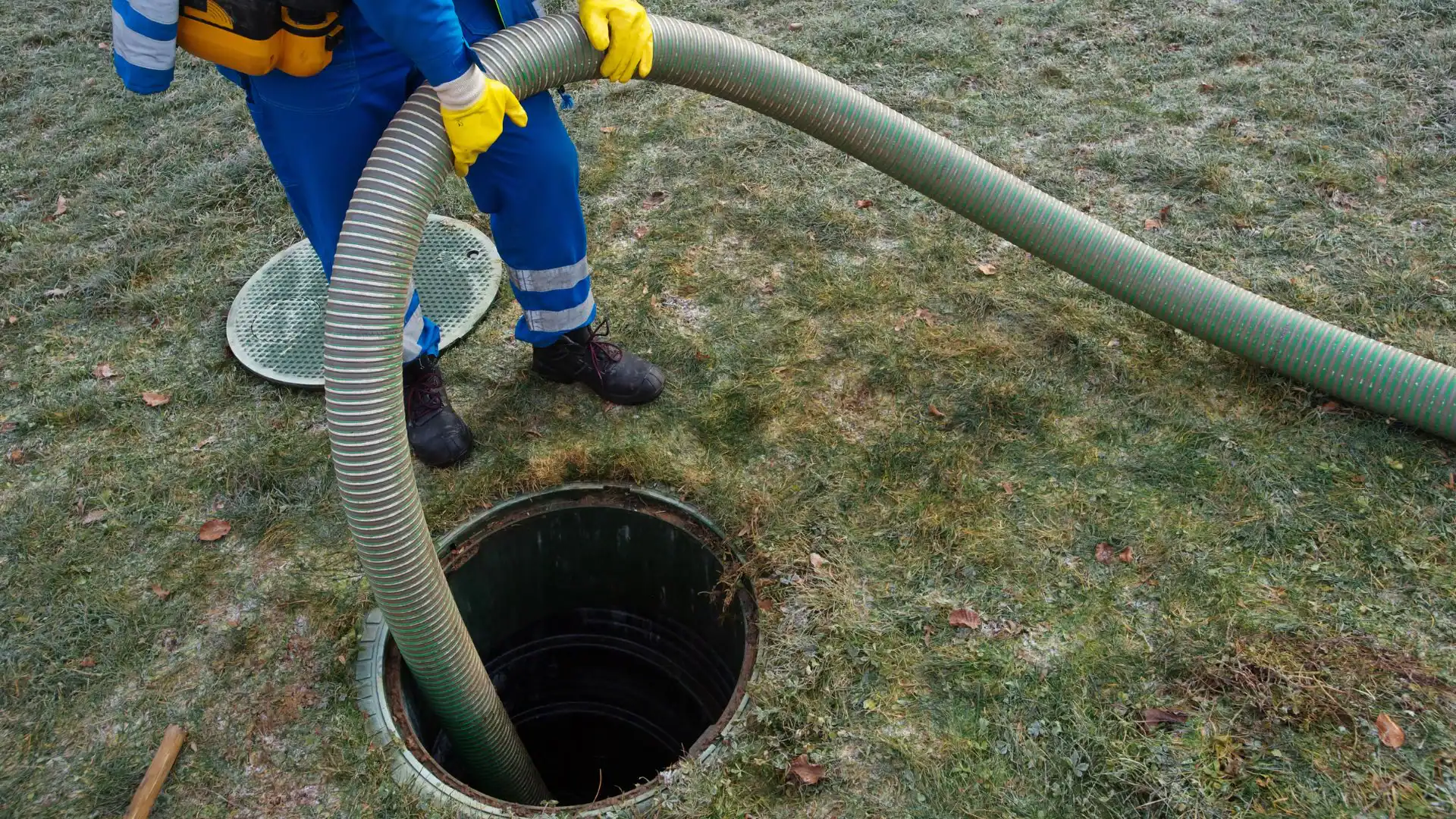
Standing water isn’t just an eyesore. In Mount Sinai, it’s a signal that something in the ground isn’t moving water the way it should. Left alone, that water finds the path of least resistance and that path usually leads toward your foundation, your basement, or your neighbor’s property.
The homes along Crystal Brook Hollow Road, the neighborhoods off North Country Road, and the properties sitting on the slopes above Mount Sinai Harbor all share the same underlying challenge: glacial till that alternates between sandy layers and clay. The clay holds water above it like a bowl. When a heavy rain hits or a nor’easter pushes moisture onshore from the Sound that bowl overflows. A drainage system that wasn’t designed for this specific soil profile won’t solve it.
When drainage is done right here, the difference is immediate. The yard that used to sit underwater for days after a storm drains within hours. The corner near the foundation that always looked soft and saturated firms up. Your landscaping investment the turf, the beds, the hardscaping stops being undermined by water you can’t see. For a Mount Sinai home valued at $660,000 or more, that’s the kind of protection that actually holds.
We focus on landscape drainage for homeowners across the North Shore of Long Island, and Mount Sinai is where we’ve built our deepest expertise. This isn’t a flat-terrain, sandy-soil job. The Harbor Hill Moraine runs right through Mount Sinai, and the soil profile it left behind requires a contractor who’s worked in it before not one learning on your property.
We understand the Town of Brookhaven’s stormwater regulations, including the rules around where water can and cannot be discharged, and the additional requirements that apply to properties near Mount Sinai Harbor and its associated waterways. That means the system we install won’t just work it’ll be compliant, documented, and designed so it doesn’t create a new problem for you or your neighbors.
From the harbor-adjacent properties near Cedar Beach to the uphill lots on Pipe Stave Hollow Road, we’ve seen how water moves through Mount Sinai. That local knowledge is what separates a drainage system that lasts from one that fails in the next big storm.
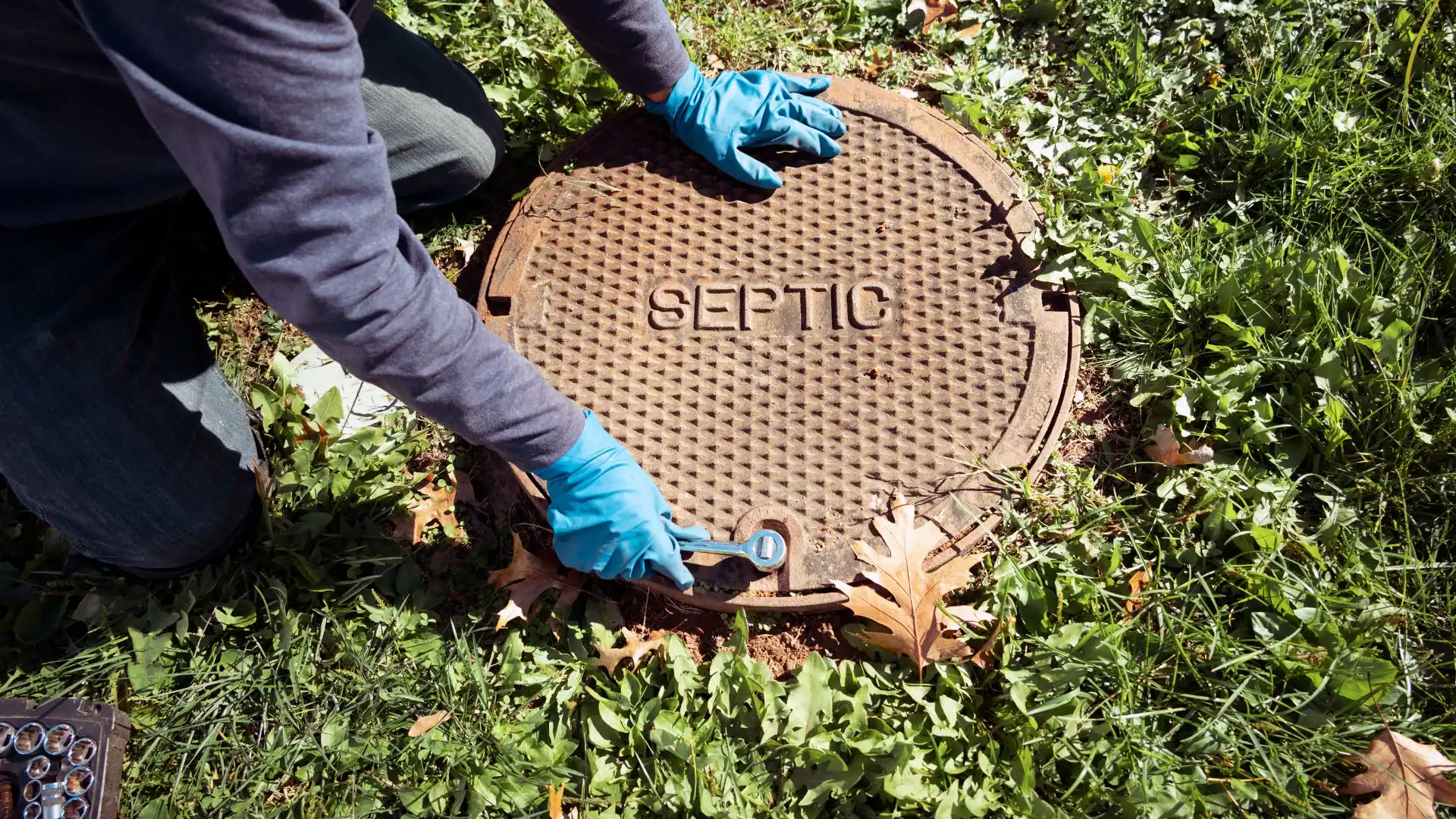
It starts with a site assessment not a sales pitch. We walk your property, map how water is currently moving across and through it, and identify where the system is breaking down. In Mount Sinai, that often means checking for clay layers close to the surface, evaluating the slope between your yard and neighboring properties, and confirming where a compliant discharge point exists. If you’re near the harbor or any of the hamlet’s waterways, we factor in wetland buffer requirements from the start not after permits get complicated.
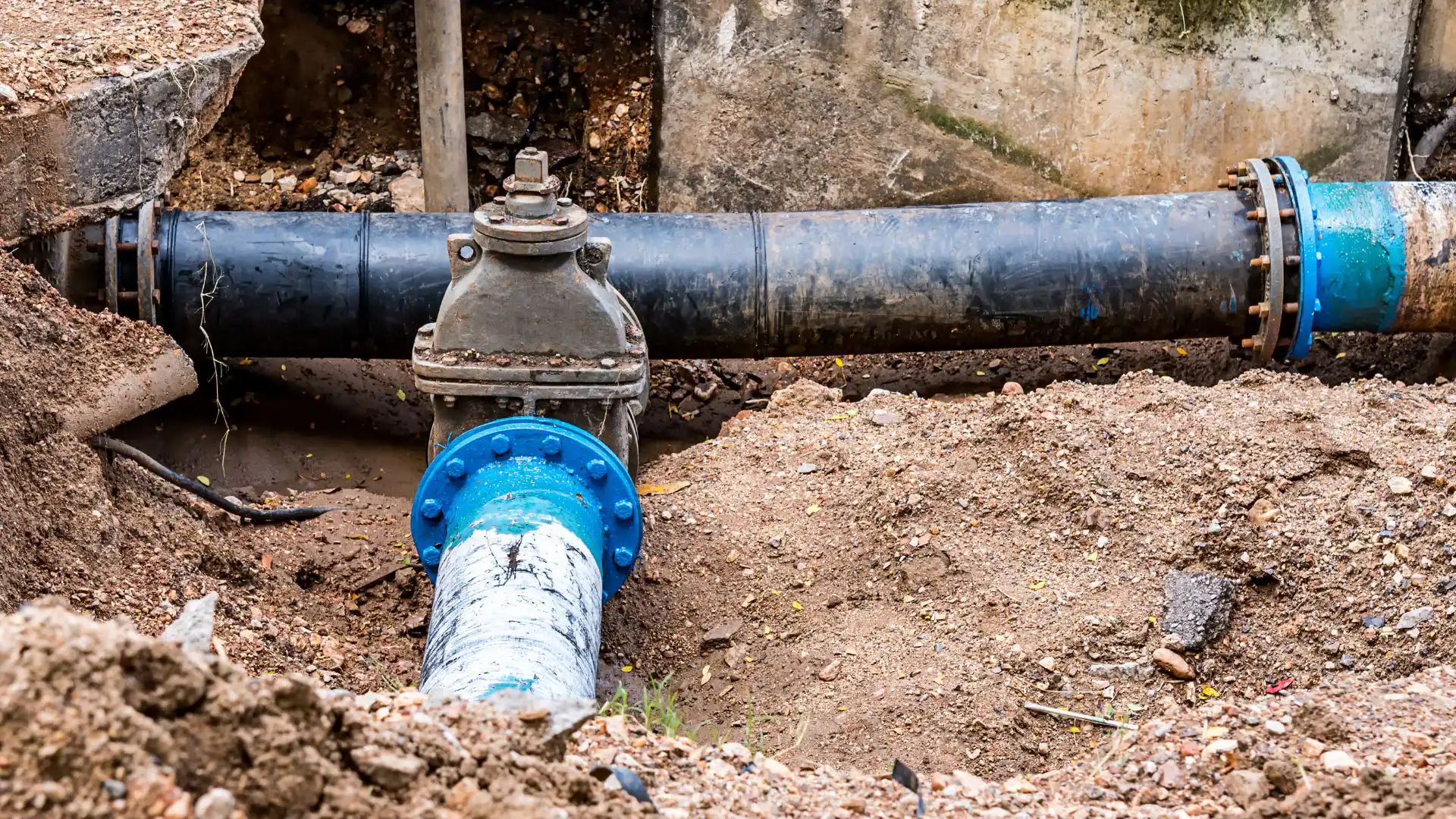
From there, we put together a written proposal that outlines exactly what’s being installed, where it goes, and what it connects to. No vague estimates. You know the scope before any work begins. Depending on what the site calls for, that might mean a French drain system, a catch basin and pipe network, regrading, downspout redirection, or some combination of all of them. The solution follows the diagnosis not the other way around.
Once the work is done, we don’t leave you with a construction site. Disturbed turf gets restored, topsoil is graded, and the finished yard looks like the work was done by someone who actually cared what it looked like when they left. The drainage system gets integrated into your landscape not just dropped into it.
Ready to get started?
Drainage services in Mount Sinai have to account for things that don’t apply everywhere else on Long Island. The hilly terrain means water moves faster and with more force than it does on flat ground. The glacial soil means percolation rates vary dramatically within a single yard. Properties near Mount Sinai Harbor face high water tables that limit how much subsurface drainage can accomplish on its own. And the Town of Brookhaven’s stormwater rules mean the discharge point for any drainage system has to be planned and approved not improvised.
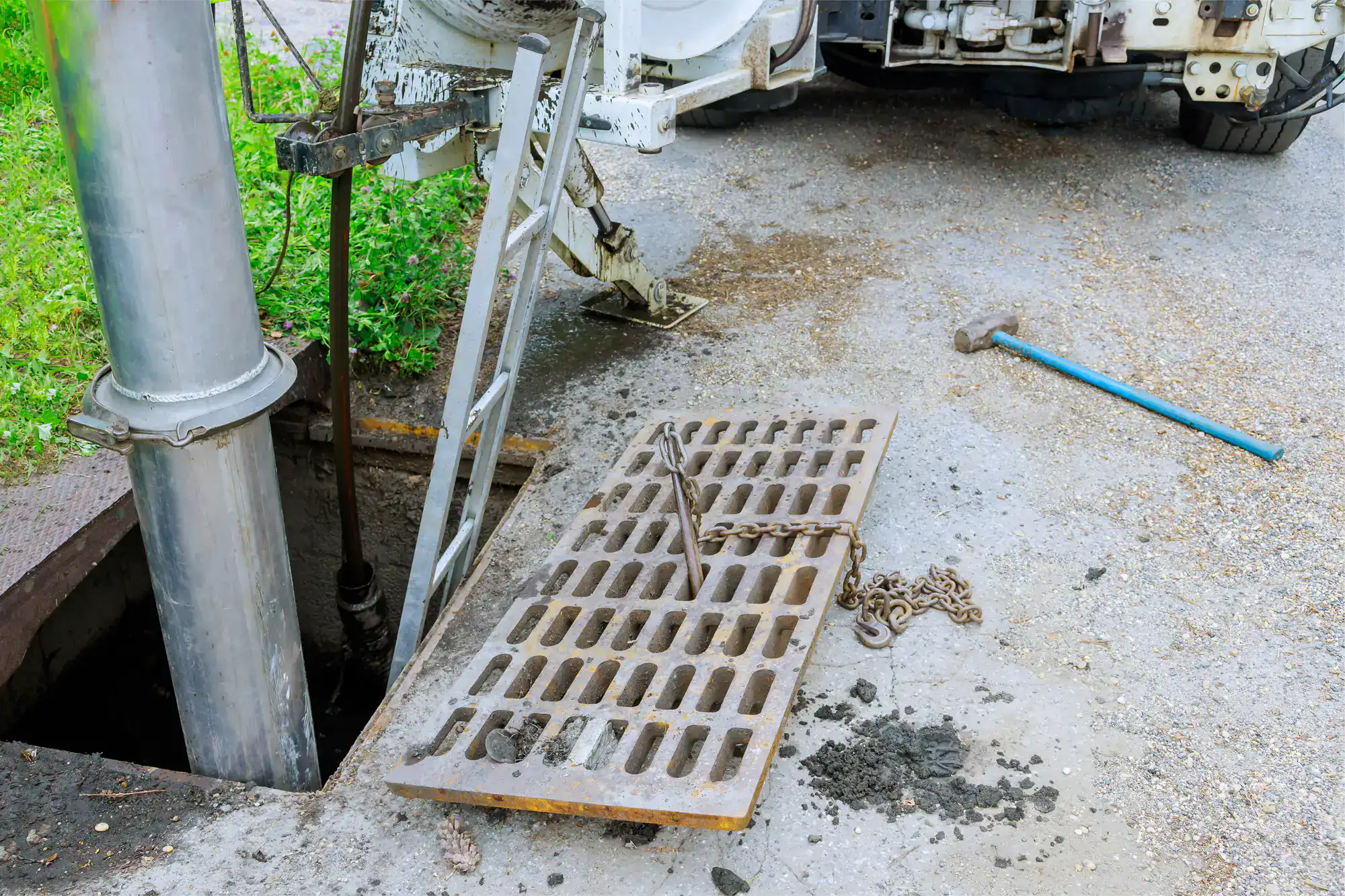
What we install here reflects all of that. French drain systems are sized for peak storm flow, not average rainfall because nor’easters and summer convective storms on the North Shore can drop several inches in an hour. Catch basins are positioned based on actual water flow mapping, not guesswork. Pipe grades are set to move water reliably, and geotextile fabric is used consistently to prevent silt from clogging the system within a season or two.
Every project includes a written scope, clear material specs, and a workmanship warranty. If a permit is required for your project under Town of Brookhaven guidelines, we handle that process. You’re not left navigating municipal requirements on your own while also managing a construction project in your backyard.
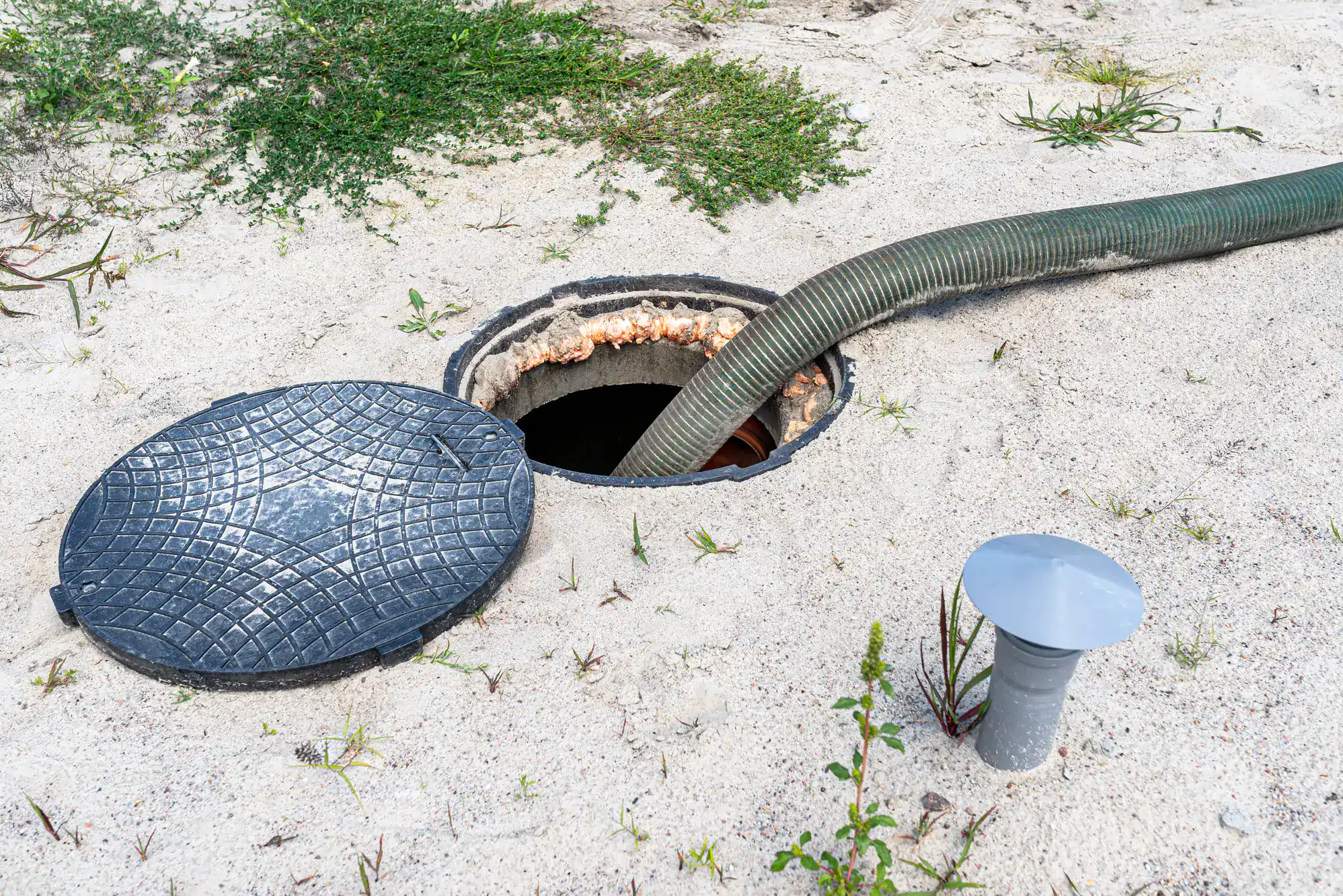
This is one of the most common situations we run into on the North Shore. The short answer is usually that the previous system was either undersized, incorrectly installed, or designed without accounting for Mount Sinai’s specific soil conditions. The glacial till beneath most yards in this hamlet contains clay layers that hold water above them and a French drain installed in sandy soil above a clay layer will fill up and stop functioning quickly. If the system wasn’t designed around what’s actually in the ground, it won’t perform when a real storm hits.
The other common failure is discharge. A lot of drainage installs redirect water without a properly planned outlet. Under Town of Brookhaven stormwater regulations, you can’t legally discharge onto an adjacent property and systems that do this either fail when the neighbor’s yard backs up, or create a regulatory issue down the road. A proper diagnostic looks at the full picture: what was installed, where it discharges, whether it was sized correctly, and whether the soil profile was actually accounted for in the design.
For a residential drainage project in Mount Sinai, most homeowners are looking at somewhere between $2,500 and $8,000 depending on the scope. A straightforward French drain installation on a smaller lot with a clear discharge point sits toward the lower end. A more complex system one that involves catch basins, regrading, downspout integration, and pipe runs across a larger sloped property will sit higher. Properties near Mount Sinai Harbor that require additional engineering for high water table conditions or wetland buffer compliance can push beyond that range.
The more useful number to keep in mind is what you’re protecting. The average Mount Sinai home is valued at over $660,000. Foundation repairs from water intrusion run $23,000 to $48,000. A basement flooding event averages $10,000 to $26,000 in damage. A properly installed drainage system isn’t a luxury expense it’s the cheapest form of structural protection available to you as a homeowner here.
There’s no single answer that works for every property, which is exactly why a site assessment matters before any system is specified. That said, the soil conditions common to Mount Sinai glacial till with alternating clay and sand layers do create some consistent patterns. Clay layers close to the surface mean that purely subsurface drainage often isn’t enough on its own. Water perches above the clay and needs to be intercepted before it reaches that layer, or redirected along the surface before it can accumulate.
For most upland properties in Mount Sinai, a combination of French drains, proper surface grading, and strategically placed catch basins works well. For properties near the harbor where the water table is already elevated, the emphasis shifts more toward surface management swales, channel drains, and grading that moves water away from structures before it can saturate the ground. The right system follows the site conditions, not a catalog description.
It depends on the scope and location of the work. For most standard residential drainage installations a French drain, a catch basin system, downspout redirection permits aren’t always required. But there are situations in Mount Sinai where they are. Projects that disturb a significant area of land, projects near the harbor or associated waterways where wetland buffer rules apply, and larger grading work that affects stormwater flow across property lines can all trigger permit requirements under the Town of Brookhaven’s stormwater management regulations.
The rule that matters most practically is this: under Town of Brookhaven Chapter 86A, stormwater cannot be diverted to adjacent private property without prior approval. That means any drainage system needs a compliant discharge point whether to the street, an approved dry well, or a natural outlet. We review permit requirements as part of every project assessment, and we handle the filing process when permits are needed. You won’t be left figuring that out on your own.
A few signs are worth paying attention to. If the area near your foundation feels soft or spongy when you walk on it especially after rain water is likely sitting against your foundation longer than it should be. If you’re seeing efflorescence (white mineral deposits) on basement walls, or noticing musty odors after wet weather, subsurface water is already making contact with your foundation. Cracks forming in basement walls or floors can also indicate hydrostatic pressure building up from saturated soil outside.
In Mount Sinai specifically, the freeze-thaw cycle from November through March accelerates these problems. Water that saturates the soil in fall freezes and expands, putting pressure on foundation walls and drainage infrastructure alike. By spring, what started as a yard drainage issue can show up as foundation cracking or basement seepage. The earlier a drainage system is installed, the less cumulative damage occurs. Waiting for visible structural damage to appear means the water has already been doing its work for a while.
This is a genuinely important question, and the honest answer is: it depends on where the water is coming from. If water is entering your basement through the wall or floor because hydrostatic pressure is pushing it through the concrete, that’s a waterproofing issue and an interior or exterior waterproofing contractor is the right call. But in a large number of cases, what looks like a foundation waterproofing problem is actually a landscape drainage problem that’s been left unaddressed long enough to reach the foundation.
When the soil around your foundation stays saturated because surface water isn’t moving away from the house a grading issue, a failed French drain, a downspout discharging too close to the foundation the fix starts outside, not inside. We address the source. An interior waterproofing system manages the symptom. For many Mount Sinai homeowners, correcting the exterior drainage first resolves the basement moisture issue entirely, at a fraction of the cost of interior waterproofing. If you’re unsure which situation you’re dealing with, a site assessment will tell you and we’ll give you a straight answer about whether drainage is the right starting point or whether you need a different trade involved.