
Hear from Our Customers
Water in your basement isn’t just an inconvenience it’s a slow-moving threat to your foundation, your air quality, and the value of your home. Once you address it properly, you stop losing finished space to moisture damage, stop worrying every time a Nor’easter rolls through, and stop putting off the basement project you’ve been planning for years.
Mount Sinai’s terrain is part of the equation. The hills and hollows throughout the hamlet the elevated lots in Mount Sinai Hills, the slopes along Crystal Brook Hollow Road push water downhill and concentrate it against foundation walls in ways that flat-terrain homes simply don’t experience. That lateral pressure is a specific problem that requires a specific solution, not a coat of paint from a hardware store.
The proximity to Mount Sinai Harbor matters too. Homes in the northern part of the hamlet sit above a water table that’s naturally higher than what you’d find a few miles inland, and it shifts with the seasons. When that water table rises after a heavy storm the kind that tracks right up the Long Island Sound hydrostatic pressure builds against your foundation from below and from the sides. A properly designed waterproofing system accounts for that. A generic one doesn’t.
We work with homeowners across the North Shore of Suffolk County and Mount Sinai is one of those communities where the conditions are specific enough that experience in the area genuinely matters. The glacially-formed terrain, the harbor-adjacent groundwater, the mid-century concrete block foundations that make up a significant portion of Mount Sinai’s housing stock these aren’t details you pick up from a textbook. They’re things you learn from actually working here.
When you call us, you’re not getting a national franchise dispatcher routing a crew from three counties over. You’re getting a local contractor who has seen what happens to foundations in this zip code after a hard rain, who understands the difference between a hillside lot off Mount Sinai Hills and a flat lot closer to Route 25A, and who will give you an honest assessment before recommending anything.
Every project starts with an in-home inspection interior and exterior before any scope or price is discussed. That’s not a policy. It’s just the only honest way to do this work.
It starts with a thorough inspection of your basement and foundation walls, floor, cove joints, any visible cracks, and the exterior drainage conditions around your home. For homes in Mount Sinai, that exterior walkthrough includes paying attention to slope and grade, because a lot of water intrusion on hillside lots here traces back to surface drainage before it ever becomes a foundation issue. The inspection tells us what’s actually happening, so the solution addresses the cause and not just what’s visible on the wall.
From there, you get a written, itemized estimate. No phone quotes, because a basement waterproofing problem in Mount Sinai can’t be scoped accurately without seeing the foundation. The estimate outlines exactly what’s being done, what products are being used, and what the finished system will include. Most projects in this area run two to three days depending on scope.
The work itself whether that’s foundation crack sealing in Mount Sinai, an interior drainage channel, sump pump installation, or a combination is completed with minimal disruption to your home. Before we leave, the system is tested, the space is cleaned up, and you have a written warranty in hand. If the Town of Brookhaven Building Division requires a permit for any structural scope of work, that’s handled up front, not as an afterthought.
Ready to get started?
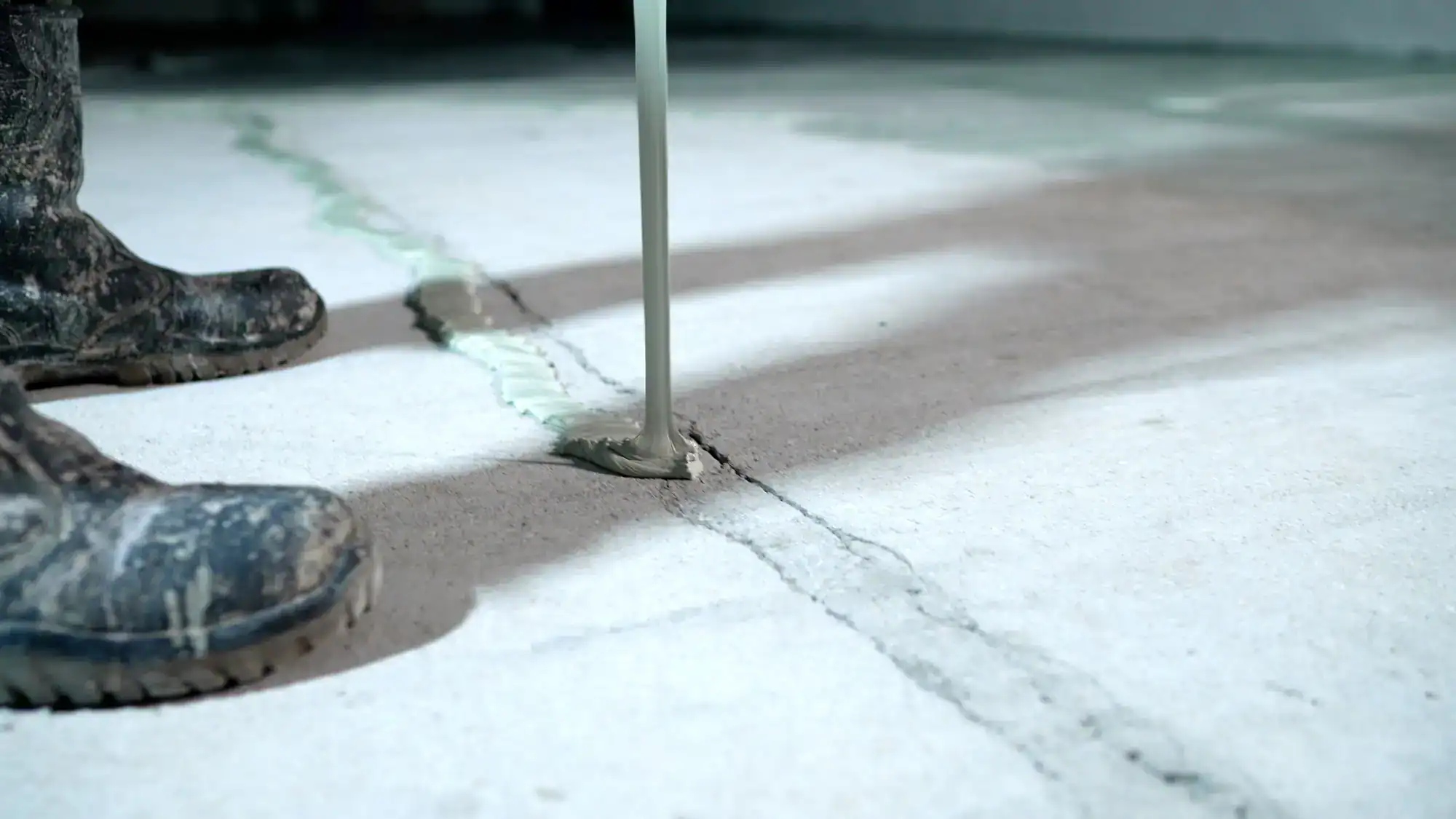
Basement waterproofing in Mount Sinai, NY covers a range of work depending on what your foundation actually needs. Foundation crack sealing with epoxy or polyurethane injection is the right call for isolated shrinkage cracks in poured concrete foundations common in the post-war and 1960s-era homes that make up a large share of Mount Sinai’s housing stock. Crystalline penetrating sealers are better suited for the concrete block foundations of that same era, where water is migrating through mortar joints rather than a single crack. The product selection isn’t arbitrary it’s based on what your foundation is made of and how the water is getting in.
For homes dealing with chronic water intrusion or high water table pressure particularly those closer to Mount Sinai Harbor an interior drainage system with a properly sized sump pump is often the most reliable long-term solution. Sump pump installation in Mount Sinai, NY should be sized for peak storm conditions, not average rainfall. The convective storms that move along the Sound can drop two to four inches of rain in a matter of hours, and a pump that handles a normal rain event may be completely overwhelmed when it actually matters. Battery backup systems are standard on every sump installation we perform, because the power outages that come with major storms are exactly when the pump needs to be running.
Waterproofing basement walls in Mount Sinai also includes addressing exterior grading and drainage where it’s contributing to the problem because sometimes the most effective fix starts outside the foundation, not inside it.
It usually comes down to where your home sits relative to the surrounding terrain. In Mount Sinai, a lot of the housing is built into or near hillside lots areas like Mount Sinai Hills and the slopes off Crystal Brook Hollow Road where rainwater doesn’t just fall on your property, it travels downhill from the properties above you and concentrates against your foundation wall. A moderate rain event that wouldn’t cause problems on a flat lot can produce significant lateral pressure on an uphill-facing foundation wall.
The other factor is soil. Long Island’s glacially-deposited soils vary considerably across short distances. Some areas have clay-heavy soils that hold water against the foundation for hours after rain stops. Others have sandy, gravelly outwash that drains fast but can shift over time and open up gaps around the foundation. The only way to know which dynamic is driving your specific problem is to walk the property and inspect the foundation which is exactly where every project we take on starts.
It depends entirely on what’s causing the problem and what scope of work is actually needed which is why we don’t offer phone quotes. That said, here are realistic ranges to set expectations before you call. Foundation crack sealing with epoxy or polyurethane injection typically runs $800 to $1,500 per crack. A full interior drainage system with a sump pump installation in Mount Sinai generally falls in the $4,500 to $10,000 range depending on the linear footage of drainage channel and the size of the pump system required. Sump pump replacement alone, without a full drainage system, typically runs $600 to $1,900.
For Mount Sinai homeowners, it’s worth framing this as asset protection rather than a repair cost. Homes in this community carry significant value, and a wet basement flagged during a buyer’s inspection is one of the fastest ways to lose a sale or absorb a major price concession. A properly waterproofed basement with a written, transferable warranty is a documented improvement that protects what you’ve built here not just a line item on a contractor invoice.
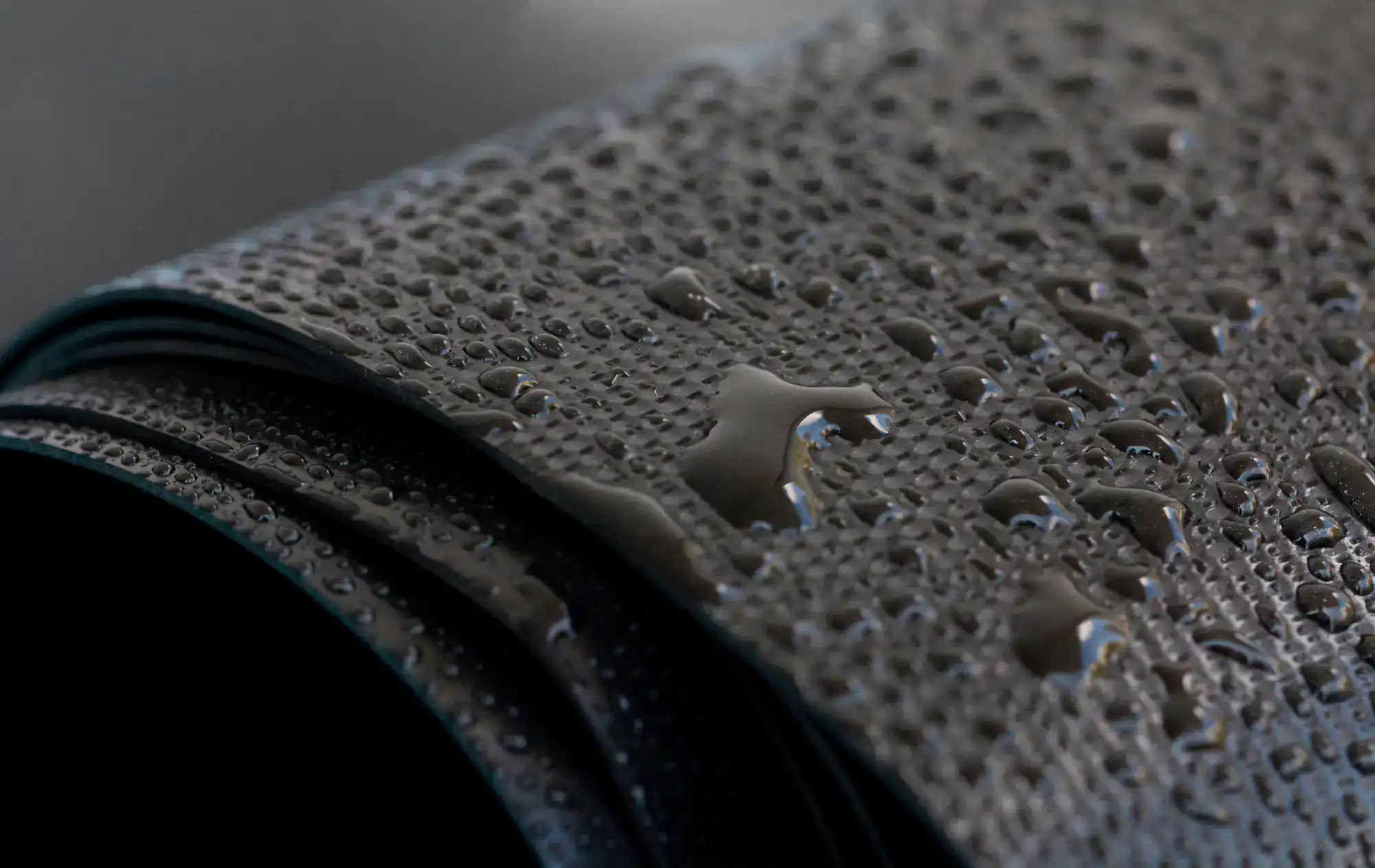
Exterior waterproofing addresses water before it reaches the foundation wall it typically involves excavating around the perimeter, applying a waterproof membrane or coating to the exterior face of the foundation, and installing drainage board and a footing drain to redirect water away from the structure. It’s the most comprehensive approach, but it’s also the most invasive and expensive, and it’s not always necessary or practical depending on the home’s site conditions.
Interior waterproofing manages water after it enters the foundation assembly typically through a drainage channel installed at the perimeter of the basement floor, which collects infiltrating water and directs it to a sump pump for removal. For many Mount Sinai homes, particularly those with high water table exposure near the harbor or those dealing with chronic hydrostatic pressure, interior waterproofing is the more practical and cost-effective long-term solution. The right answer depends on the source and mechanism of the water intrusion, which is why the inspection comes before any recommendation.
For most standard waterproofing work applying sealers, installing an interior drainage system, replacing or installing a sump pump the Town of Brookhaven Building Division typically does not require a permit. The work is considered maintenance and improvement rather than structural alteration. That said, if the project involves any structural repair to the foundation itself, or if you’re planning to finish the basement into livable space as part of the same project, a permit and certificate of occupancy will be required.
It’s always worth confirming with the Brookhaven Building Division directly before work begins, especially if your property is near Mount Sinai Harbor, where Suffolk County’s environmental protection regulations can apply to exterior drainage work near protected wetlands and salt marsh areas. We handle the permit question up front during the inspection and scoping process not as an afterthought once work has started.
Most foundation cracks in Mount Sinai homes fall into one of two categories: shrinkage cracks, which are common in poured concrete foundations from the 1960s and 1970s and are generally not structural, and settlement or stress cracks, which can indicate movement in the foundation and may require structural evaluation. The difference matters a lot, because the repair approach is different and the urgency is different.
Shrinkage cracks are typically vertical or slightly diagonal, relatively uniform in width, and don’t show signs of displacement meaning one side of the crack isn’t higher or further out than the other. Settlement cracks tend to be wider at one end, show horizontal displacement, or appear in patterns that suggest the foundation is moving rather than just contracting. If you’re seeing horizontal cracks in a concrete block foundation, that’s a specific concern that warrants a structural assessment, not just waterproofing. Our inspection will identify which category your crack falls into and be direct with you about whether waterproofing alone is the right answer or whether you need a structural engineer involved.
A properly installed interior drainage system with a quality sump pump should last 20 to 30 years with basic maintenance primarily annual sump pump inspections and testing the battery backup before storm season. The drainage channel itself, once installed, is essentially a passive system with no mechanical components to wear out. The pump is the component that requires attention over time.
On the North Shore, the seasonal pattern matters. The freeze-thaw cycles of late winter and early spring are when existing foundation cracks widen most aggressively a crack that was a minor seepage point in October can become a more significant infiltration point by March. Having the system inspected in late fall, before the hard freeze season, and again in early spring is a reasonable maintenance rhythm for Mount Sinai homeowners. We back our waterproofing work with a written warranty, and for homeowners planning to sell, that warranty is transferable to the new owner which is a real, documentable asset in a North Shore real estate market where buyers and their inspectors look hard at basement conditions.