
Hear from Our Customers
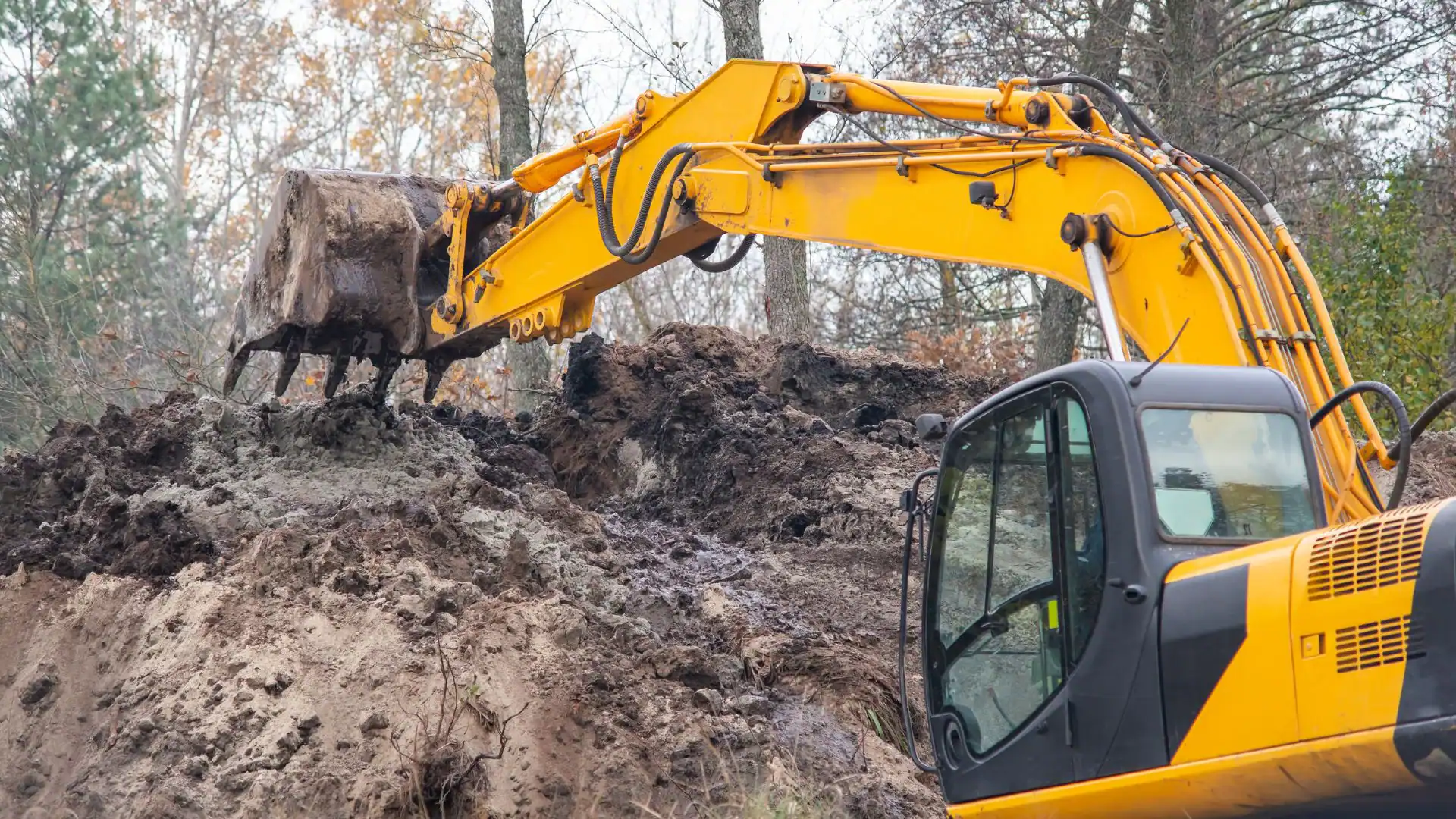
When excavation is done correctly on a Mount Sinai property, you don’t think about it again. The grade drains the way it should. The foundation sits where it was designed to sit. The pool pad is level, the spoil is gone, and the rest of your build timeline can move forward without a single callback.
What most homeowners don’t realize until it’s too late is that the terrain here changes everything. Sloped lots off Pipe Stave Hollow Road, wooded blocks with mature root systems, and properties near Mount Sinai Harbor that sit inside coastal and wetland buffer zones these aren’t standard suburban digs. A contractor who treats them like flat lot work creates drainage problems, compliance issues, and cost overruns that follow you for years.
Mount Sinai’s documented high water table is another factor that doesn’t show up in a basic quote. When excavation and final grading don’t account for how water moves through this landscape especially during nor’easters and the wet season off Long Island Sound you end up with basement intrusion, soil erosion, and foundation stress. Getting the grade right the first time isn’t a bonus here. It’s the whole job.
We’re a licensed and insured excavation contractor serving Mount Sinai and the surrounding North Shore communities of Suffolk County. Every project is handled by our experienced operators who understand the specific terrain, soil conditions, and regulatory requirements that come with working in this part of Long Island not just the general rules, but the ones that actually apply here.
Working in the Town of Brookhaven means navigating real permit requirements before a single machine moves. That includes Building Division approvals, and for properties near Mount Sinai Harbor or Cedar Beach, it may also mean New York State DEC Coastal Erosion Hazard Area permits and Brookhaven’s Wetlands and Waterways ordinance. We know when those requirements apply, and we handle them correctly because a stop-work order on a property worth close to a million dollars is not a small problem.
What you get with us is a contractor who shows up prepared, communicates clearly, and leaves the site in the condition we said we would.
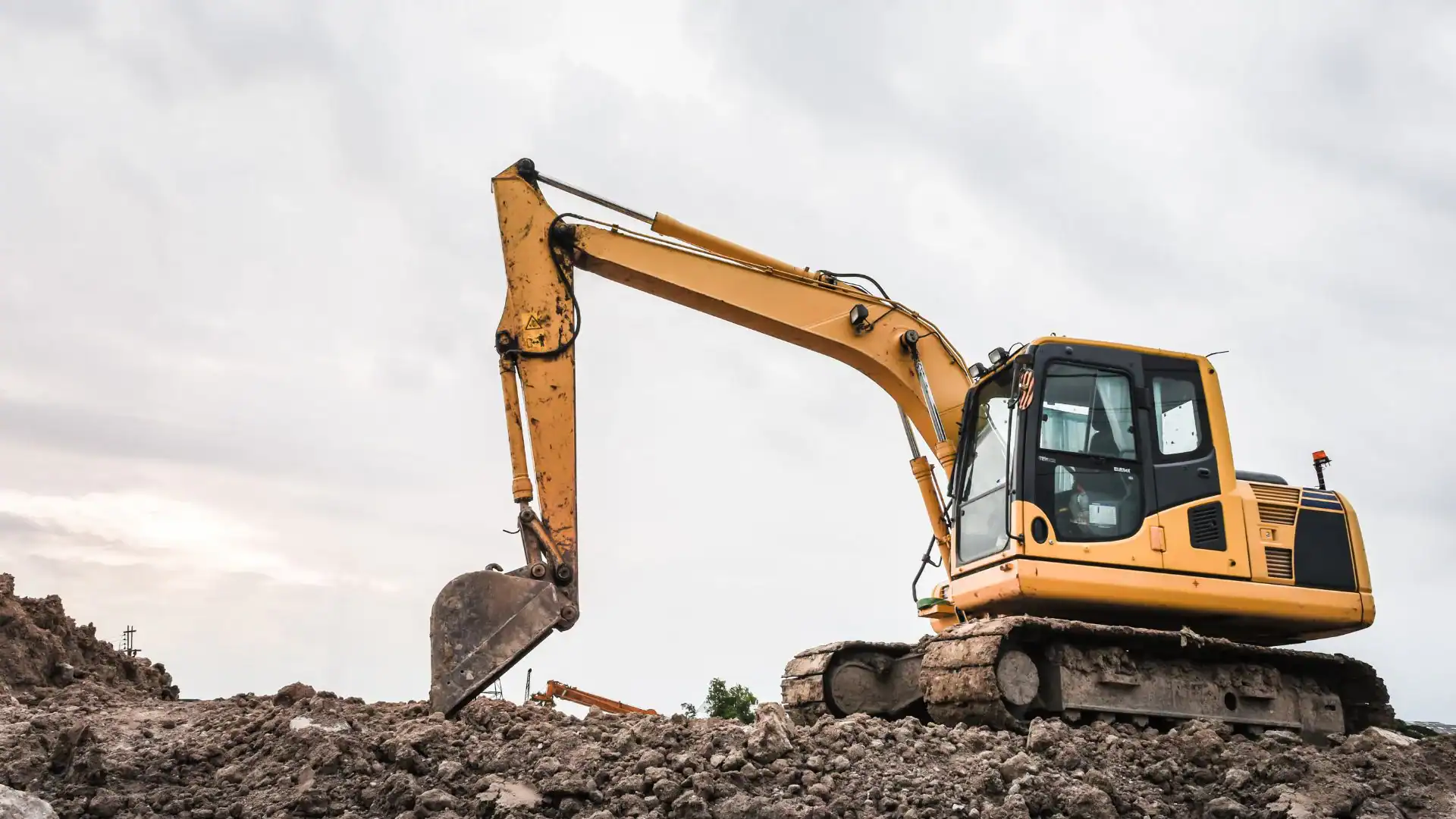
It starts with a site walkthrough. Before anything is quoted, we look at the actual lot the grade, the tree coverage, the drainage patterns, and any coastal or wetland setbacks that apply to your specific property. For Mount Sinai homeowners, that last part matters more than most people expect. A lot near the harbor or along one of the hamlet’s creek corridors can have buffer restrictions that affect where our equipment can operate and what permits need to be in place before work begins.
Once the scope is clear, you get a written quote that spells out exactly what’s included excavation, spoil removal, erosion controls, and any permit coordination that’s part of the engagement. No line items that appear after the machinery arrives. The quote you approve is the job we do.
On the day work begins, we contact NY 811 to identify underground utilities that’s a New York State legal requirement, and it’s non-negotiable on every project regardless of size. From there, the work follows the agreed sequence: clearing, cut and fill, dig and haul, and final grade. When we’re done, the site is clean, the grade performs the way it was designed to, and you have documentation of everything that was completed.
Ready to get started?
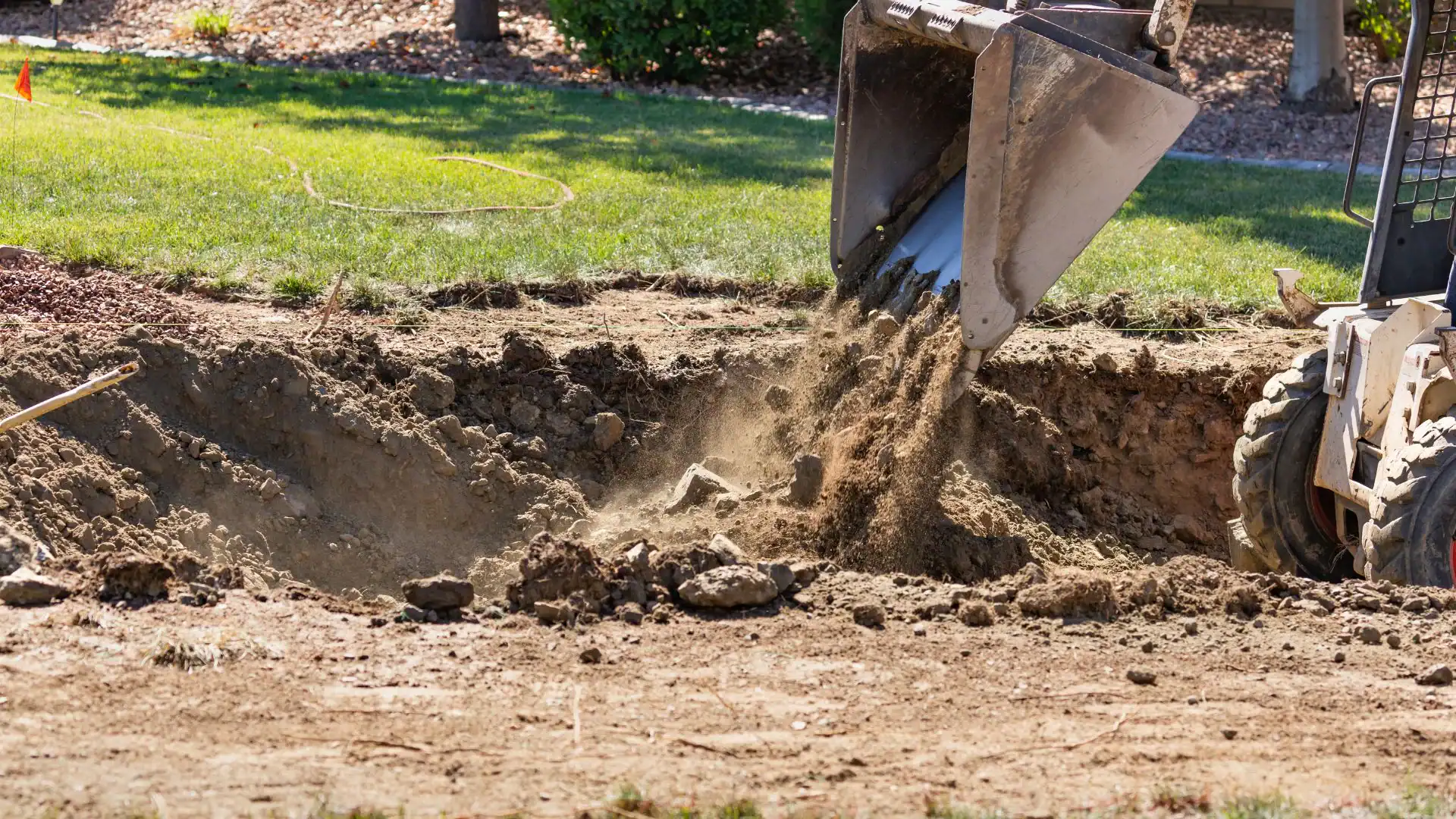
We handle the full range of excavation and site preparation work that Mount Sinai homeowners, owner-builders, and commercial clients need. That includes residential excavation for new construction and additions, pool excavation, foundation excavation, land clearing, cut and fill, dig and haul, retaining wall excavation, drainage correction, and site grading. One contractor, one scope no coordinating between separate operators while your build timeline sits still.
For new construction in the Mount Sinai School District, where custom builds are an active part of the local market, that full-scope capability matters from day one. Site clearing, foundation excavation, and spoil removal all need to move in sequence without gaps. For existing homeowners dealing with aging infrastructure and most homes here were built between 1972 and 2005 excavation for septic replacement, retaining wall rebuilds, and drainage correction is often overdue by the time it becomes urgent.
Every project we take on in Mount Sinai is approached with the Town of Brookhaven’s permit requirements built into the plan, not bolted on after. We also account for the hamlet’s coastal proximity and the noise ordinance restrictions that prohibit equipment operation before 7:00 a.m. on weekdays and at any time on weekends because your neighbors matter, and so does your compliance standing.
In most cases, yes. The Town of Brookhaven’s Building Division requires permits for excavation work that involves significant soil disturbance, including pool excavation, foundation work, and grading projects. You’ll typically need to submit a site plan and survey as part of the application before any work can legally begin. Operating without the required permit puts you at risk of a stop-work order, fines, and potentially having to undo completed work at your own expense.
For properties near Mount Sinai Harbor, Cedar Beach, or any of the hamlet’s wetland and creek corridors, additional permits may apply. New York State’s Coastal Erosion Hazard Area program and the Town of Brookhaven’s Wetlands and Waterways ordinance (Chapter 81) both restrict excavation and grading activity within mapped buffer zones. If your lot falls within one of those areas and some properties in Mount Sinai do without the owner realizing it those permits need to be secured before a machine touches the ground. We identify these requirements during the site walkthrough so nothing catches you off guard mid-project.
Excavation costs in Mount Sinai vary more than most people expect, and the reason comes down to the terrain. A flat, clear lot is a straightforward dig. A sloped, wooded property off Pipe Stave Hollow Road with a high water table and mature root systems is a different project entirely and quoting them the same way produces the cost overruns that give this industry a bad reputation.
For a standard pool excavation on a typical Mount Sinai residential lot, you’re generally looking at a range that reflects the size of the pool, the depth of the dig, the volume of spoil that needs to be hauled, and any grading required after the excavation is complete. Foundation excavation for a new build runs higher, particularly when site clearing and cut and fill are part of the scope. The most reliable way to get an accurate number is a written, itemized quote after a site walkthrough not a ballpark figure over the phone. We provide that before any commitment is made.
It’s one of the most common issues we encounter on North Shore properties, and it directly affects how excavation and final grading need to be approached. Mount Sinai’s coastal proximity and the hilly moraine terrain create conditions where groundwater sits closer to the surface than it does in many other parts of Long Island. When excavation and grading don’t account for that, you end up with water moving toward your foundation instead of away from it and that shows up as basement intrusion, saturated soil, and drainage failures that get worse every wet season.
The fix isn’t just moving dirt. It involves understanding how water flows across your specific lot, where it collects, and how the final grade needs to be shaped to redirect it. On properties near the harbor or along low-lying corridors in the hamlet, that analysis matters before the first cut is made. Getting it right during the excavation phase is significantly less expensive than correcting drainage problems after a foundation is poured or a pool deck is in place.
NY 811 is New York State’s mandatory utility notification program commonly known as “Call Before You Dig.” Under state law, any contractor performing excavation is required to contact NY 811 before breaking ground so that underground utilities can be located and marked. That includes gas lines, water mains, electrical conduit, and telecommunications infrastructure. Failing to do this isn’t just a legal violation it’s a safety risk and a financial one. Striking an unmarked utility line can result in service outages, serious injury, and significant liability for the property owner.
In Mount Sinai, where much of the housing stock dates back to the 1970s through early 2000s, underground utility infrastructure can be older and less predictably routed than on newer developments. That makes the 811 call more important, not less. We contact NY 811 on every project without exception before any equipment is mobilized. It’s a non-negotiable part of how we start every job, and it’s something you should confirm with any contractor you’re considering.
Spring is the peak season on Long Island for new construction starts and pool installations, which means excavation contractors book up quickly between March and May. If you’re planning a project that needs to be in the ground before summer, the earlier you lock in a start date, the better. Waiting until April to call about a May pool excavation is a common mistake that pushes timelines into late summer.
Fall is a solid secondary window particularly for drainage correction and retaining wall work because the ground is workable and the demand pressure from pool season has eased. Winter excavation is possible on Long Island, though ground freeze depth of 24 to 36 inches can affect timing for foundation and utility work depending on how cold the season runs. The one thing that doesn’t change by season is permit lead time Brookhaven Town Building Division applications take time to process, so starting that process early is always the right move regardless of when you want work to begin.
Yes, and for many Mount Sinai homeowners on hilly properties, it’s the most effective long-term solution available. Chronic basement water intrusion on a sloped lot is almost always a grading and drainage problem water is moving toward the foundation rather than away from it, and surface-level fixes like downspout extensions or interior sump pumps treat the symptom without addressing the cause.
The excavation-based approach involves regrading the terrain around the foundation to redirect surface water, and in some cases excavating the foundation perimeter to install proper drainage French drains, waterproof membrane, or both. On properties along wooded corridors like Pipe Stave Hollow Road, where grade changes are significant and mature trees complicate surface drainage patterns, this kind of work requires careful planning to avoid root damage while still achieving the drainage correction the site needs. The result is a foundation that performs correctly through nor’easters and Long Island Sound’s wet seasons not just during dry stretches when the problem temporarily disappears.