
Hear from Our Customers
Most drainage problems in Northwest Harbor don’t announce themselves. You come back from the city in May and the lawn is still spongy from a nor’easter that rolled through in October. There’s a water line near the foundation you don’t remember seeing before. The garden bed that took three seasons to establish is rotted out. By the time you’re looking at it, the problem has been building for months.
That’s the reality of owning a seasonal property in Northwest Woods. With nearly half of all homes here sitting vacant for a good chunk of the year, drainage failures compound quietly. A properly installed drainage system French drain, catch basin, grading correction, or a combination stops that cycle. Your yard drains the way it should, the soil firms up, and the property holds its value instead of quietly losing it to water damage you weren’t there to catch.
The wooded character of this area adds another layer. Mature trees on large lots create complex water flow paths, and root systems can infiltrate poorly specified drain pipes within a few years. The drainage solutions we install here are designed for this environment not adapted from a suburban playbook that was never built for a forested, bay-facing property on the South Fork.
We work on properties in Northwest Harbor that most drainage contractors don’t fully understand large, wooded lots with mature trees, high water tables near the bay and Northwest Creek, and a local regulatory environment that requires real familiarity with East Hampton Town’s stormwater code. That combination is specific to this corner of Long Island, and it requires a contractor who’s actually worked in it.
East Hampton Town operates under an MS4 stormwater permit that was triggered in part because of documented water quality issues in Northwest Creek the same waterway that runs through this community. That’s not background trivia. It means drainage work near that watershed is subject to real oversight, and a contractor who doesn’t know that can create compliance problems for you without realizing it.
When you call us, you’re getting a team that understands the terrain from Cedar Point to the Northwest Landing Road corridor and knows how to design a drainage system that works with this landscape, meets local code, and holds up long after the project is done.
It starts with a thorough site assessment not a quick walkthrough, but a real read of how water moves across your property. On a two-to-three-acre wooded lot in Northwest Harbor, water doesn’t just pool in one spot. It travels through terrain, around root systems, and across elevation changes before it ends up where you’re seeing the problem. Getting the diagnosis right means understanding the full path, not just the symptom at the end of it.
From there, we design a drainage system sized for actual storm conditions not average rainfall. Given Northwest Harbor’s exposure to Gardiners Bay and the nor’easters that push water inland from the South Fork, a system that handles a light rain but fails in a real event isn’t a solution. We also factor in East Hampton Town’s stormwater requirements at the design stage, including catch basin capacity limits and any setback rules that apply near wetlands or sensitive water bodies on your lot.
Once the design is set and permitting is handled, installation is precise and targeted. We’re working on properties with mature trees, established landscaping, and natural features that matter so excavation is done carefully, and restoration is part of every job. When we’re finished, the yard looks right and drains the way it should.
Ready to get started?
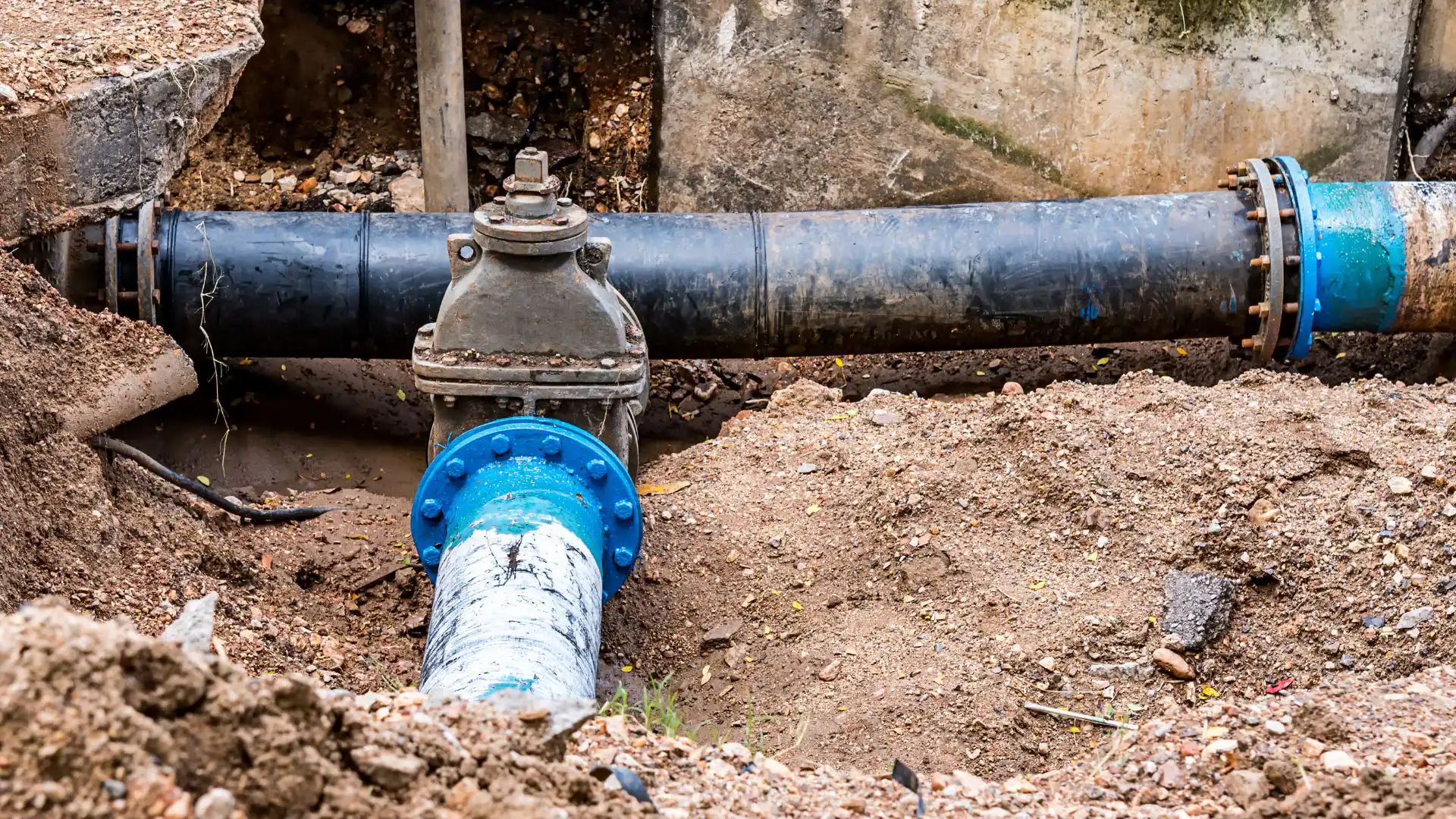
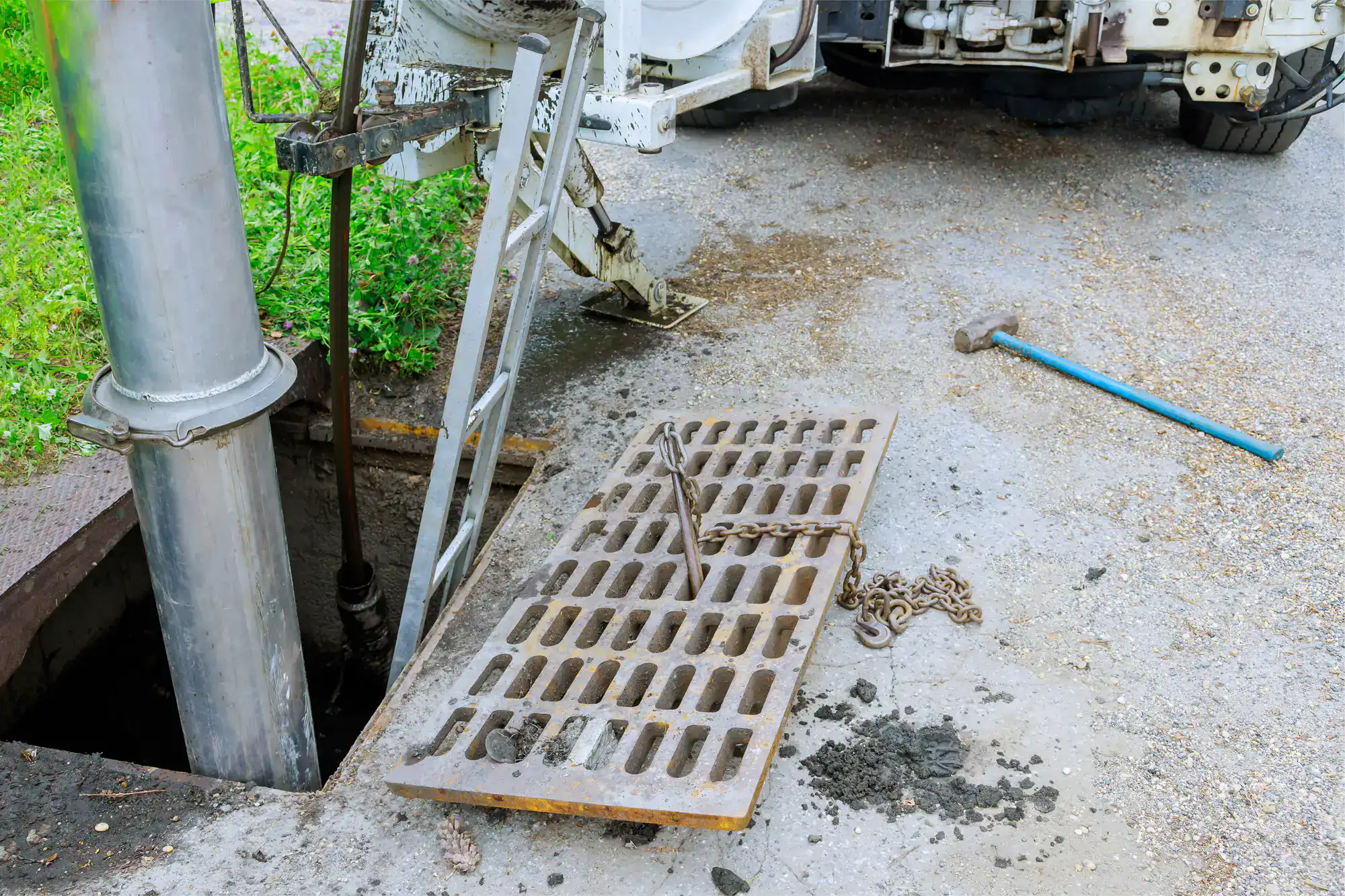
The drainage work we do in Northwest Harbor covers the full range of what large, wooded, coastal-adjacent properties actually need. French drains to redirect subsurface water away from foundations and saturated lawn areas. Catch basins to capture surface runoff before it pools. Dry wells and leaching systems designed to East Hampton Town’s code specifications. Channel and trench drains for hardscape areas where water concentrates. Regrading where the land’s slope is working against you. And in many cases, a combination of these because a property this size rarely has just one drainage issue.
Every system we install in this area is specified with root intrusion in mind. The mature oaks and maples that define Northwest Woods are beautiful, but they’re aggressive. The wrong pipe material or an unprotected French drain inlet won’t last. We use geotextile fabric wrapping, appropriate pipe specifications, and installation methods that account for the root environment around the system.
For properties near Northwest Creek or the Gardiners Bay shoreline, we also design with the town’s environmental setback requirements in mind. Work near wetlands or tidal areas in East Hampton Town requires compliance with Town Code §153, and in some cases a Natural Resources Special Permit. We handle that process so you don’t end up with a drainage system that can’t be legally completed or inspected.
It depends on the scope and location of the work, but in many cases yes. East Hampton Town has detailed stormwater regulations, and work that involves new catch basins, discharge points, or grading near wetlands or sensitive water bodies typically requires review and approval. The town’s stormwater code under Chapter 220 sets specific design requirements for catch basins and seepage pools in residential areas, and properties near Northwest Creek or the Gardiners Bay shoreline may also trigger Natural Resources Special Permit requirements under Town Code §153.
The short answer is: don’t assume it’s permit-free. A contractor who proceeds without checking can put you in a compliance position you didn’t ask for. We review permitting requirements at the design stage before anything is installed so the project moves forward cleanly and holds up to inspection.
Most residential drainage installations fall somewhere between $2,100 and $7,200, with the average landing around $4,600. That said, properties in Northwest Harbor tend to sit at the higher end of that range and sometimes beyond it because of the lot size, the complexity of water flow across wooded terrain, and the material specifications required to hold up in a root-heavy environment. A French drain on a quarter-acre suburban lot is a different job than a multi-component drainage system on a two-acre wooded property with an established tree canopy.
What’s worth keeping in mind is the comparison. Foundation repairs from water damage run $23,000 to $48,000. A single basement flooding event averages $10,000 to $26,000. For a property in Northwest Harbor valued at $1.3 million or more, a properly installed drainage system is one of the most cost-effective investments you can make. You’ll get a written quote with a clear scope before any work begins no surprises.
This is one of the most common situations we see on the South Fork. About 42% of homes in Northwest Harbor are seasonally occupied, which means drainage failures often go undetected for months. By the time you’re back on the property, the signs are there if you know what to look for: soil that stays soft or spongy well after a rain, water staining or efflorescence near the foundation, lawn areas that won’t green up evenly, garden beds with rotted roots, or catch basins that are clearly overwhelmed or clogged with leaf debris.
If you’re not sure, a site assessment is the right first step. We can walk the property, read how water is moving across the terrain, and give you a straight answer on whether you have a drainage issue and how significant it is. For absentee owners, we also work directly with property managers so you don’t have to be on-site to get the process started.
There’s no single answer that fits every property, but for the large, forested lots that define Northwest Woods, the most effective systems typically combine subsurface drainage French drains or dry wells with surface collection points like catch basins, designed to work together across the full property rather than just at one problem spot. On a two-to-three-acre wooded lot, water travels a long distance before it pools, and addressing only the visible symptom without understanding the full flow path usually means the problem returns.
One thing that’s non-negotiable on wooded properties is root protection. Mature trees will infiltrate perforated drain pipes if the system isn’t installed with the right materials geotextile fabric wrapping, root-resistant pipe specifications, and inlet protection that keeps debris from clogging the system over time. A drainage system that fails because of root intrusion two years after installation isn’t a solution. The design has to account for the environment it’s going into.
It adds a layer of complexity that inland properties don’t face. During a nor’easter or a significant coastal storm, Northwest Harbor properties near the bay can experience the compound effect of heavy rainfall and wind-driven water from Gardiners Bay pushing inland simultaneously. A drainage system that handles one of those conditions but not both will fail in the storms that matter most which are also, not coincidentally, the storms most likely to happen when the property is vacant and no one is watching.
We size drainage systems for peak storm conditions, not average rainfall. That means accounting for the volume of water that can move across a property during a real South Fork weather event, not just a standard design storm. Properties closer to the shoreline or Northwest Creek also need to be designed with discharge locations that don’t create downstream problems both for your property and for the waterways the town is actively managing under its MS4 stormwater permit.
Yes and on a wooded property in Northwest Harbor, it’s one of the most common reasons drainage systems fail prematurely. Tree roots follow moisture, and a perforated French drain pipe sitting in saturated soil is exactly the kind of environment they seek out. Without proper protection, roots can infiltrate and collapse drain pipe within two to four years, depending on the species and how aggressively the root system grows. The oaks and maples that dominate Northwest Woods are particularly persistent.
The fix isn’t avoiding French drains it’s installing them correctly for a wooded environment. That means wrapping the drain in a quality geotextile fabric that blocks root and silt intrusion, using pipe materials rated for aggressive root conditions, and protecting inlets from leaf debris that accumulates heavily under a mature tree canopy. When a French drain is specified and installed for the actual environment it’s going into not just for a generic yard it holds up. That’s the difference between a drainage system that solves the problem and one that just delays it.