Hear from Our Customers
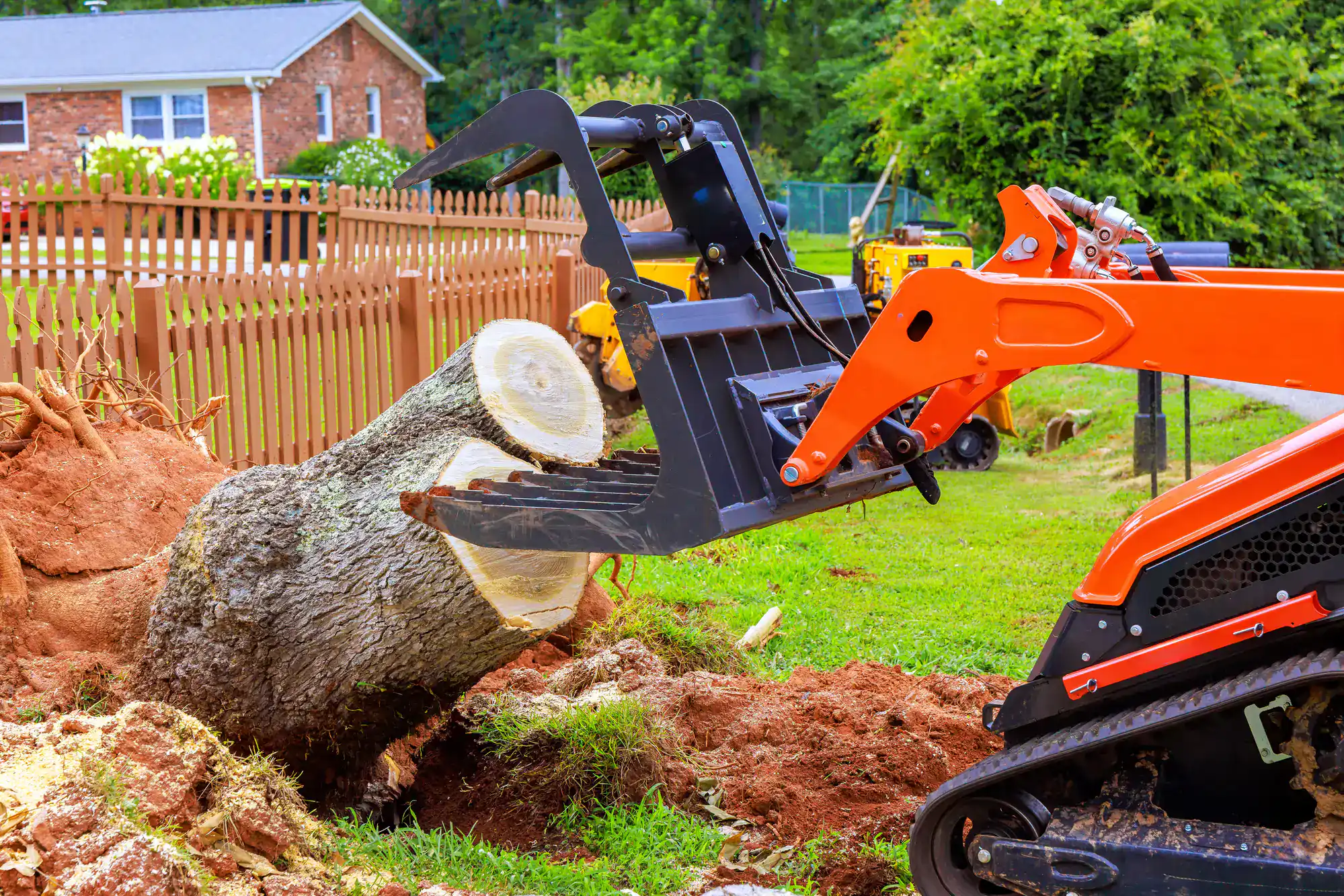
Water pooling near your foundation isn’t a minor inconvenience on a property worth over two million dollars it’s a liability. Proper landscape grading redirects that water away from your structure, protects your investment, and gives you usable outdoor space that actually functions the way it should. That’s the difference between a yard that looks okay and one that holds up.
Northwest Harbor’s glacially deposited, sandy soils drain unpredictably. In some spots on your lot, water moves through too fast. In others especially near Northwest Creek or Three Mile Harbor it sits. A lawn restoration plan that doesn’t account for those soil conditions won’t last a season. Getting the grading and soil prep right the first time means your lawn actually establishes, your drainage holds, and you’re not starting over next spring.
If you spend summers here and winters in the city, you need the property to be in real shape when you arrive not a project waiting for you. Yard renovation and property leveling services done right, with a clear scope and honest communication throughout, means you come back to what you paid for.
We’re not a lawn care crew that occasionally takes on bigger jobs. The work here landscape grading, property leveling, full yard renovation, lawn restoration requires heavy equipment, experienced crews, and a contractor who understands what large wooded lots in the Northwest Harbor area actually involve. That’s the work we do, and it’s what the company was built around.
Working in the Town of East Hampton means operating under a specific set of rules that most contractors either don’t know or ignore. Chapter 155 of the East Hampton Town Code requires commercial landscapers to hold a Town-issued endorsement separate from a standard state license. The shoreline setback regulations near Northwest Creek and Three Mile Harbor, the Harbor Protection Overlay District restrictions, the leaf blower ordinance these aren’t details you want your contractor learning on your property. We know them before we show up.
Every project starts with a written scope, a clear timeline, and payment tied to milestones not collected upfront and forgotten. That matters everywhere, but it matters especially in a community where nearly half the homes are seasonally occupied and you may not be there to watch the work happen.
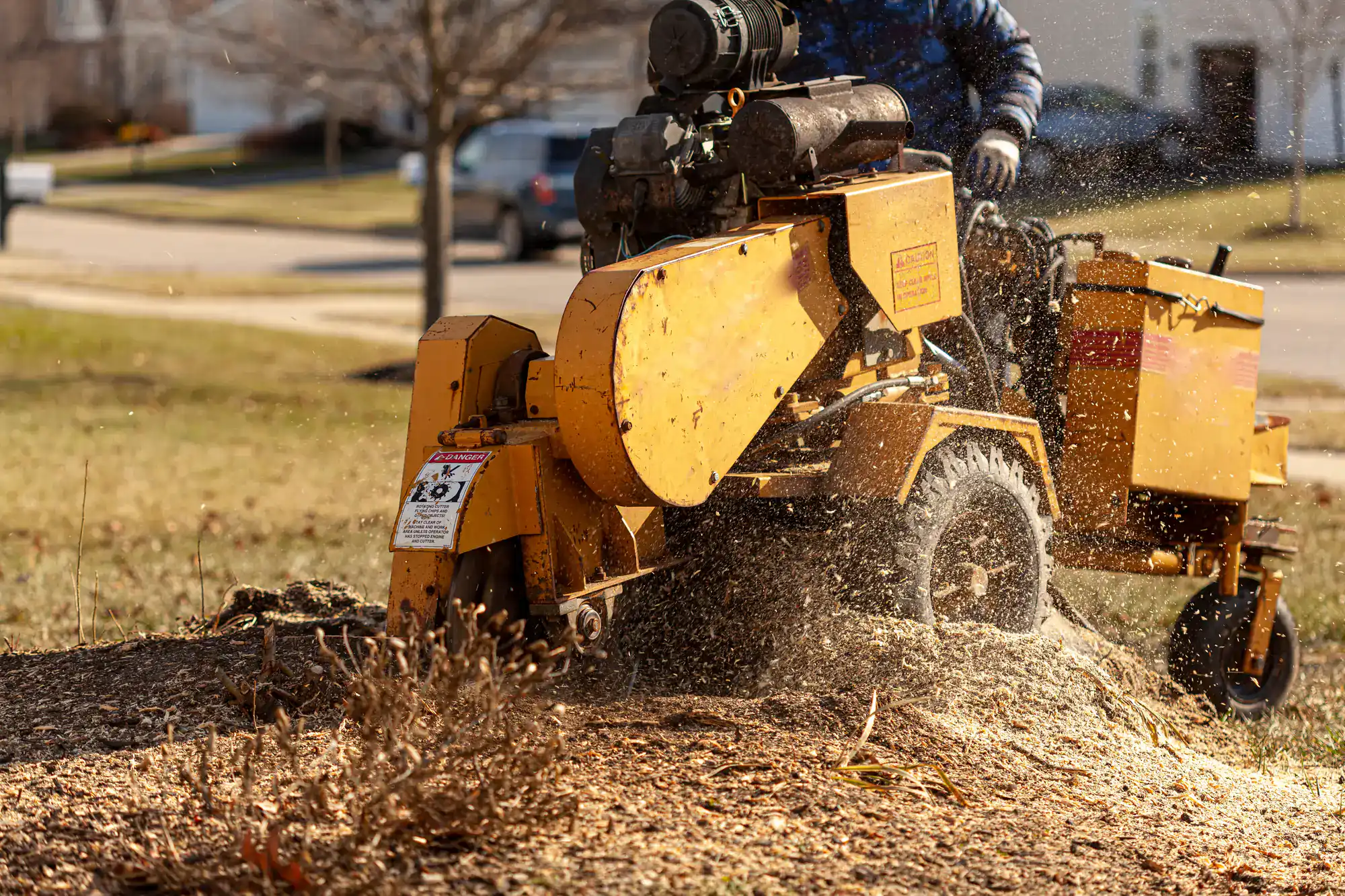
It starts with a site assessment. Before any equipment moves, we walk the property, evaluate drainage patterns, check soil conditions, and identify what’s actually causing the problem whether that’s improper grading, compacted or sandy soil that won’t support turf, or a low spot that’s been collecting water for years. On properties near Sammy’s Beach or the tidal waterways around Northwest Harbor, that assessment also accounts for setback lines and any regulatory constraints that affect where and how we can work.
From there, you get a written proposal. Specific scope, materials, timeline, and a payment schedule tied to project milestones. No vague estimates, no surprises in the final invoice. If site conditions during the job require a change, you hear about it before anything additional happens.
The work itself grading, leveling, drainage correction, soil preparation, lawn restoration is done with the equipment the job actually requires. Two- and three-acre wooded lots need more than a residential crew with hand tools. Once the structural work is complete, we move into restoration: soil amendment, seeding with varieties that hold up to coastal conditions and salt air exposure, and cleanup. When we’re done, the property is in better shape than we found it and you’ll know exactly what was done and why.
Ready to get started?
Most contractors in this market do one thing well maintenance, or hardscape, or design. What’s harder to find is a landscape contractor who handles the structural work and the restoration work together, from start to finish, on a large property. That’s the gap we fill in Northwest Harbor.
Landscape grading services address the underlying topography correcting slopes that direct water toward your foundation, eliminating low spots that hold standing water, and preparing the ground for whatever comes next. Property leveling services go hand in hand with that, especially on lots where years of root growth, erosion, or prior work have left an uneven surface that’s both unusable and visually rough. These aren’t surface fixes. They change how the property functions.
Lawn restoration services in Northwest Harbor require a different approach than inland Long Island work. The sandy soils throughout the Northwest Harbor area, the salt air exposure on properties near Gardiners Bay, and the dense shade from mature oak and pitch pine canopy all affect which grass varieties will actually establish and hold. We account for all of it soil amendment, appropriate seed selection, timing the work for fall when cooler temperatures and increased rainfall support germination so the results last. The full scope, handled by one contractor, with one point of accountability throughout.
Yes, and this is one of the most important things to verify before hiring anyone. The Town of East Hampton enacted Chapter 155 of its Town Code in 2021, which requires commercial landscapers operating within the Town including Northwest Harbor to hold a Town-issued endorsement on their home improvement contractor’s license. This is a local requirement that goes beyond the standard state-level contractor’s license, and it’s specific to East Hampton. A contractor working without it is in violation of Town Code, and that exposure falls on the homeowner as much as the contractor.
Beyond the licensing requirement, any significant grading, excavation, or land disturbance may require permits from the East Hampton Building Department before work begins. If your property is near Northwest Creek, Three Mile Harbor, or any tidal waterway, the Harbor Protection Overlay District and wetland setback rules also apply restricting where turf and landscaping can legally be established. Knowing these regulations before the first shovel goes in the ground isn’t optional. It’s what separates a contractor who protects you from one who creates problems for you.
The clearest sign you need grading first is water behavior. If you’re seeing standing water after rain, soggy areas that don’t dry out, water moving toward your foundation instead of away from it, or erosion patterns on a slope, those are drainage and grading problems and seeding over them won’t fix anything. Lawn restoration on top of a poorly graded surface is a short-term fix that fails quickly, especially through a nor’easter season when heavy precipitation hits the South Fork repeatedly.
If your lawn is thin, patchy, or struggling but the ground drains reasonably well and sits relatively level, restoration may be the right starting point soil amendment, aeration, overseeding with varieties suited to the conditions on your specific property. In Northwest Harbor, that means accounting for sandy soil composition, any salt air exposure if you’re near Gardiners Bay or Sammy’s Beach, and the shade stress that comes with large mature tree canopy throughout the area. The site assessment at the beginning of every project is specifically designed to answer this question before any work is scoped or priced.
Fall is generally the best window typically mid-September through October. Cooler air temperatures reduce stress on newly germinating seed, soil temperatures are still warm enough to support root development, and the increased rainfall that comes with the transition season does a lot of the watering work naturally. For a community on the South Fork where coastal moisture and moderate fall temperatures are consistent, this timing tends to produce the strongest results.
Spring is the second option, but it comes with more pressure. By the time second-home owners arrive in late May or early June and discover lawn problems, the best contractors are already booked deep into the season. Getting restoration work scheduled in fall or at minimum, early spring before the Hamptons rush gives you better access to scheduling and better conditions for the work itself. Summer seeding is generally the least effective approach in this climate: heat stress, inconsistent moisture, and competition from weeds all work against establishment. If you’re looking at a lawn that needs real work, the fall window is worth planning around.
Properties near Northwest Creek, Three Mile Harbor, and the Gardiners Bay shoreline face a specific set of drainage challenges that inland properties don’t. Seasonal groundwater rise, tidal influence, and the heavy precipitation that nor’easters bring up the coast can push water toward structures and saturate low-lying areas on your lot in ways that aren’t visible until the damage is already happening. Proper landscape grading creates positive drainage directing surface water away from your foundation and toward appropriate outflow points rather than letting it pool or infiltrate where it shouldn’t.
On waterfront and near-waterfront properties in Northwest Harbor, this work also has to respect the Town of East Hampton’s shoreline setback rules. No turf or landscaping can be established within 50 feet of a bluff line or dune crest, and no structures within 100 feet of a wetland’s upland boundary. A grading plan that ignores those boundaries creates legal exposure on top of the drainage problem. Getting both the technical and regulatory sides of this right is what makes the difference between a grading project that holds up and one that creates a new set of issues.
A few reasons, and they’re usually layered on top of each other. The sandy, glacially deposited soils throughout the Northwest Harbor area don’t hold moisture or nutrients the way loamy soils do seed germinates but struggles to establish without proper soil amendment. Dense shade from mature oak and pitch pine canopy creates conditions where standard turf grass varieties simply won’t survive long-term, no matter how well they’re seeded. And if the grading underneath isn’t right, water either drains too fast in dry patches or sits too long in low spots, stressing whatever turf does manage to establish.
The other common failure is timing and approach contractors who seed in summer, skip soil prep, or use grass varieties that aren’t suited to coastal conditions or shade. Restoration on a wooded lot in Northwest Harbor requires a realistic assessment of what areas can actually support turf and what areas are better served by ground cover, mulch, or naturalistic planting that works with the forest character rather than against it. The goal isn’t to turn a Northwest Harbor property into a suburban lawn it’s to create healthy, functional outdoor space that fits the property and actually lasts.
It varies significantly based on lot size, site conditions, and scope but for context, basic landscape grading on a standard residential lot typically starts in the range of $1,000 to $3,000. On a two- or three-acre wooded property in Northwest Harbor, where heavy equipment access, clearing, drainage correction, and site preparation are all part of the picture, full yard renovation projects commonly run $10,000 to $30,000 or more depending on what’s involved.
The more useful question is what the work is worth relative to what you’re protecting. On a property valued at over two million dollars, professional grading that prevents foundation moisture intrusion or a full yard renovation that adds five to ten percent to resale value isn’t a discretionary expense it’s straightforward asset protection. What drives cost up most in this market is scope creep from undiscovered site conditions and change orders that weren’t communicated upfront. That’s why every project at Gold Coast Landworks starts with a detailed written proposal specific materials, scope, and a payment schedule tied to milestones so you know what you’re committing to before any work begins.