
Hear from Our Customers
In Northwest Harbor, the water table isn’t some abstract concept it’s measurable in feet, not dozens of feet, especially on properties near Three Mile Harbor or the lower-lying lots off Route 114. When it rises after a nor’easter or a heavy spring rain, it pushes directly against your foundation walls. That pressure doesn’t announce itself. It seeps through hairline cracks, works its way under the slab, and quietly starts doing damage long before you notice it.
The homes here carry real value median property values over $1.3 million and a wet basement shows up on every inspection report. Whether you’re planning to sell in two years or stay for twenty, moisture in the foundation is a liability that compounds. Mold sets in, insulation gets compromised, framing softens, and what started as a $900 crack repair becomes a $15,000 structural problem.
For homeowners who use their Northwest Harbor property seasonally, the risk is even sharper. A slow leak that starts in October can go unnoticed until May. By then, the damage is done. A properly waterproofed basement sealed walls, working drainage, battery-backed sump pump doesn’t need you on-site to do its job. That’s the point.
Gold Coast Landworks works on Long Island’s East End, and we know Northwest Harbor’s specific conditions the glacial outwash soil, the proximity to Gardiners Bay and Three Mile Harbor, the freeze-thaw cycles that widen foundation cracks every winter. These aren’t the same conditions you’d find in a mid-Island suburb, and they’re not the same as what a contractor three counties away would typically encounter.
We serve homeowners across the East End, including Northwest Harbor, East Hampton, Sag Harbor, Springs, and the surrounding communities in Suffolk County. When we show up to assess your basement, we’re not running a sales pitch we’re looking at your specific foundation, your grading, your drainage, and your proximity to water. Then we tell you what we found and what it takes to fix it.
The East Hampton area has active code enforcement and buyers’ attorneys who scrutinize permit histories closely. We know the process, and we handle it the right way.
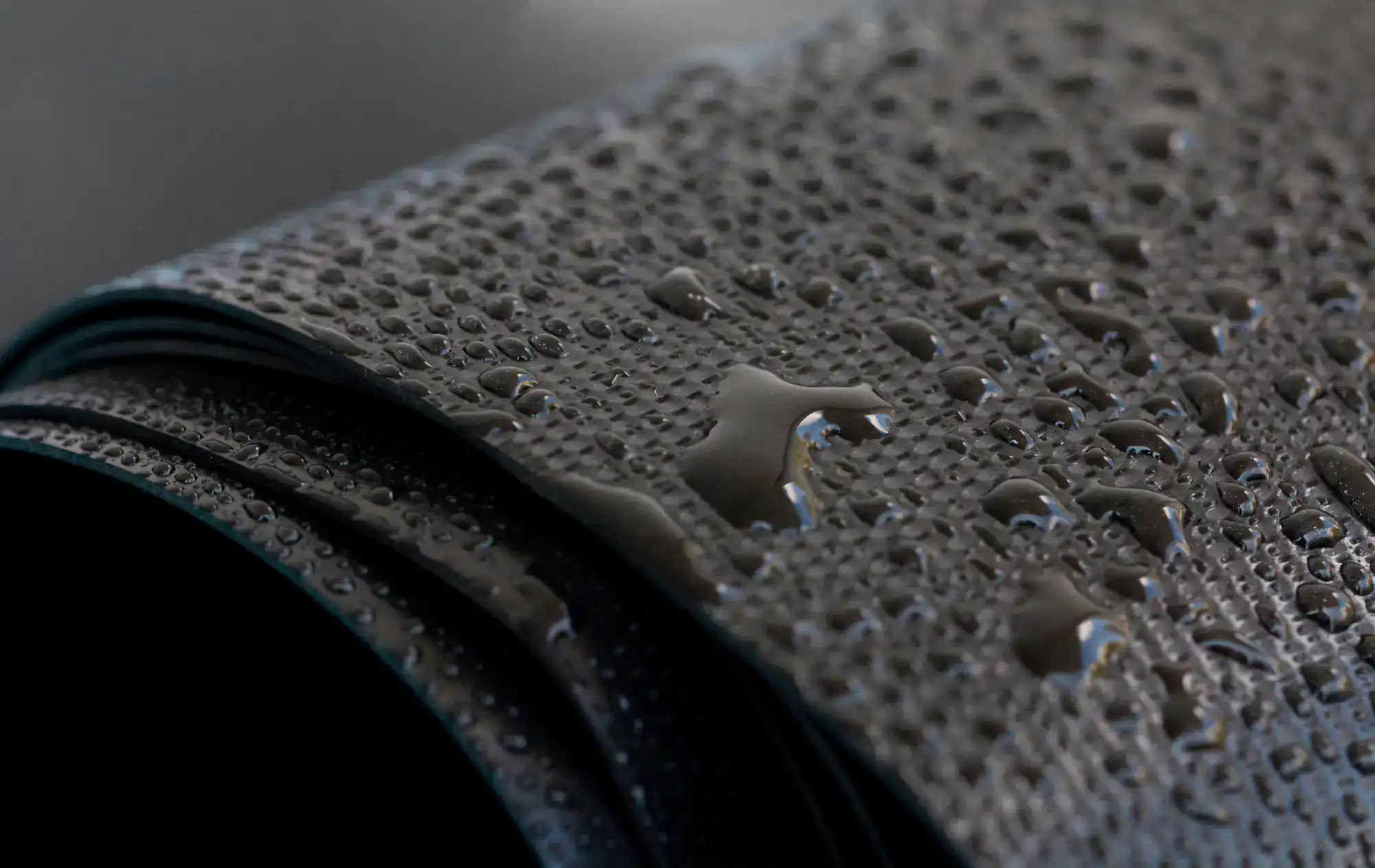
It starts with an in-person inspection no phone quotes, no estimates pulled from thin air. We walk the exterior first, checking grading, drainage patterns, and any visible foundation issues. Then we go inside and look at the walls, the floor slab, and any existing moisture damage. On properties near Northwest Creek or the lower-elevation lots in the Northwest Woods, we pay close attention to signs of hydrostatic pressure, because that’s usually what’s driving the problem.
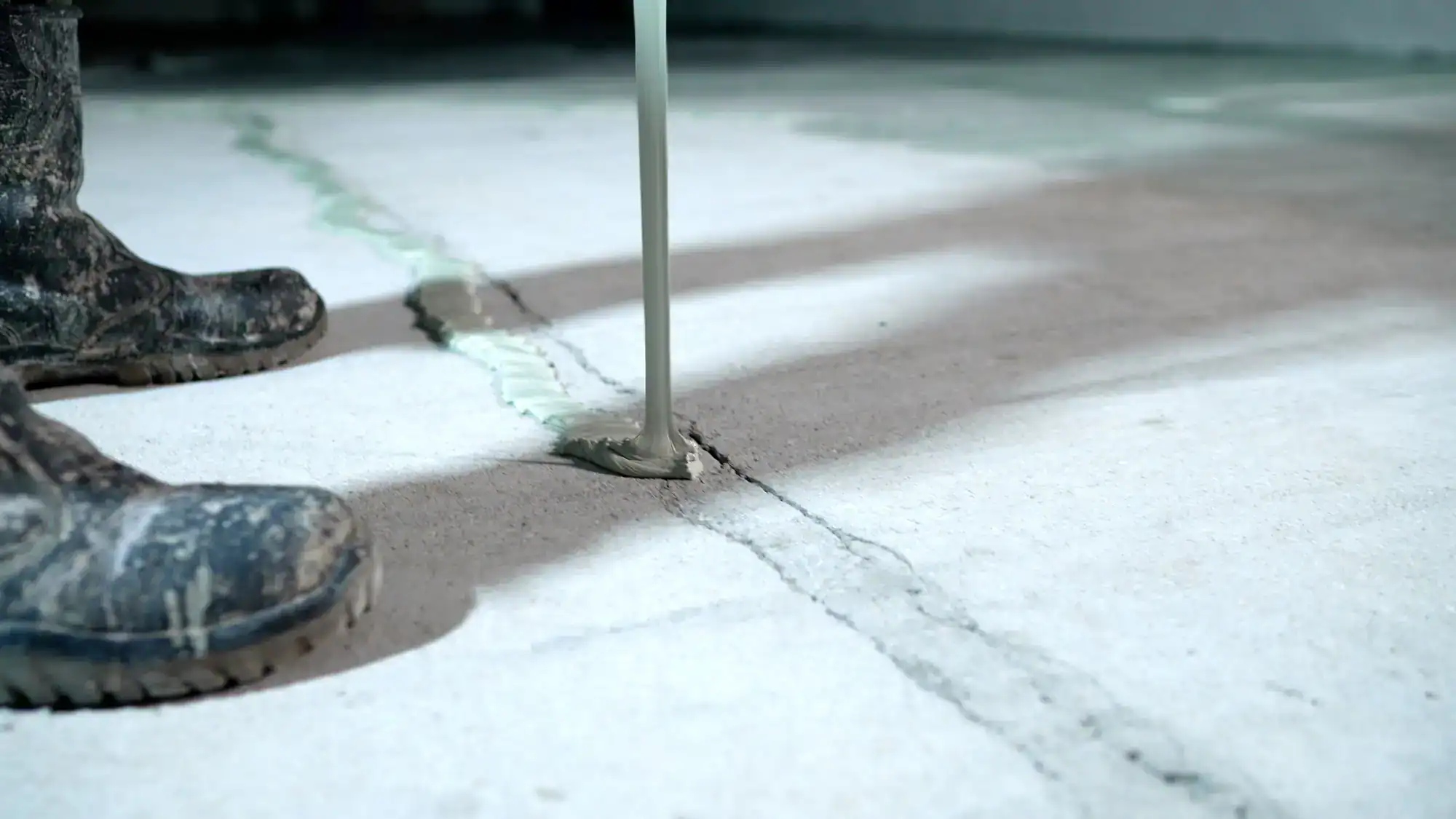
Once we know what we’re dealing with, we explain it to you clearly what’s causing the water intrusion, where it’s entering, and what the right fix looks like. Sometimes that’s foundation crack sealing with epoxy or polyurethane injection, which stops water at the source. Sometimes it’s an interior drainage system that collects water at the perimeter and routes it to a sump pump before it can cause damage. Sometimes it’s both.
If the work requires a permit from the East Hampton Town Building Department which it often does for sump pit installation or structural foundation work we handle that as part of the job. After the work is complete, you get a written warranty. One that’s transferable, so it means something when your home eventually changes hands.
Ready to get started?
Basement waterproofing isn’t one-size-fits-all, and anyone who quotes you a system before inspecting your property is selling, not diagnosing. What we offer in Northwest Harbor covers the full range of what the East End’s conditions actually demand.
Foundation crack sealing uses epoxy or polyurethane injection to fill active cracks in poured concrete or block walls bonding to the material and stopping water intrusion at the entry point. This is the right first response to a leaking crack, not hydraulic cement patched over the surface. For homes in the Northwest Woods where freeze-thaw cycles have been quietly widening a crack over several winters, this is often the most cost-effective fix available.
For properties dealing with hydrostatic pressure from a high or seasonally elevated water table common near Three Mile Harbor and the lower lots throughout the hamlet an interior drainage system with a properly installed sump pump is the more appropriate solution. We install sump systems with battery backup as standard practice in this area, because the storms that raise the water table are the same storms that knock out power on the South Fork. A sump pump that fails during an outage isn’t protecting anything. For seasonal homeowners especially, battery backup isn’t an upgrade it’s the baseline.
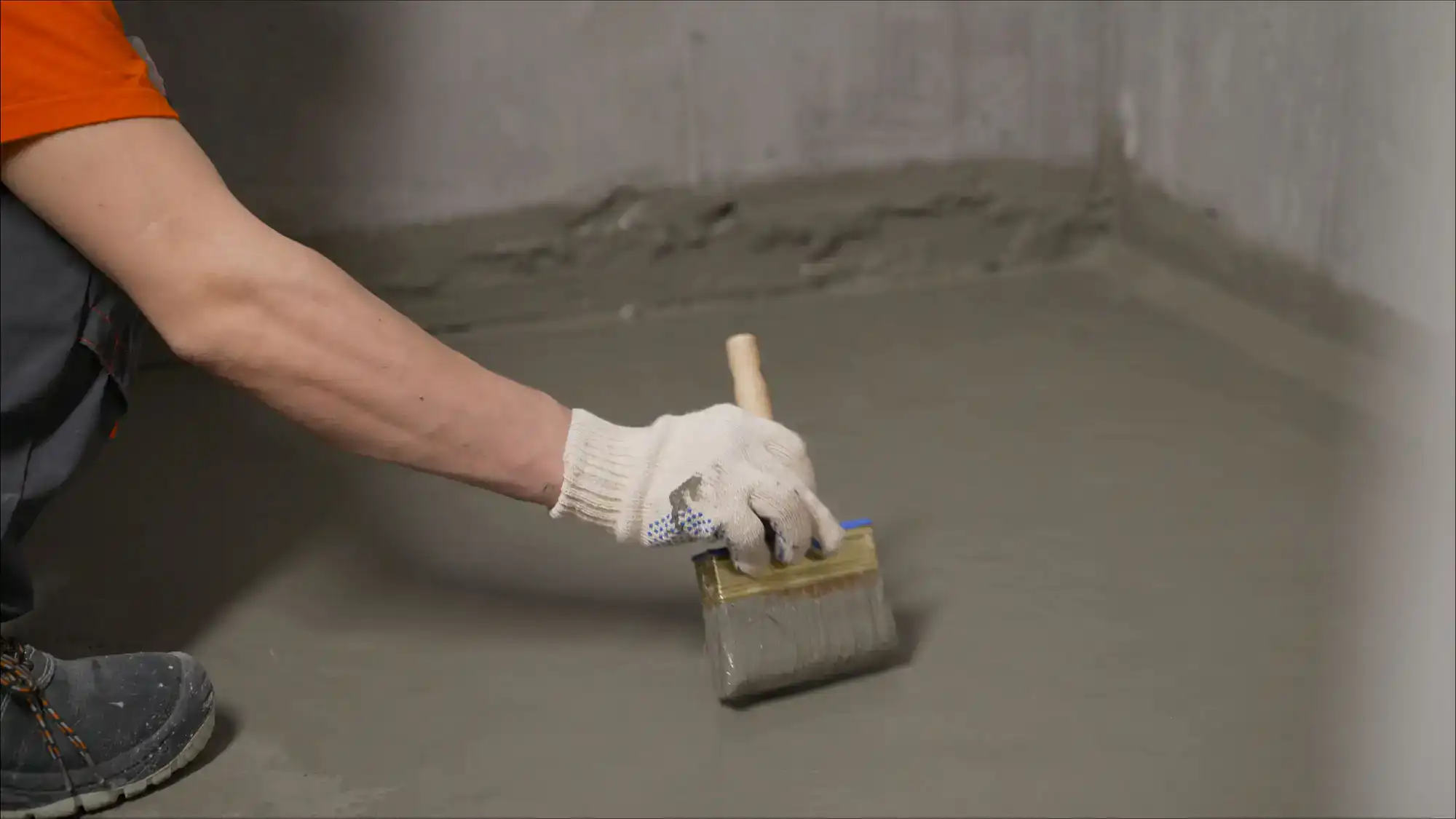
Northwest Harbor sits on glacial outwash deposits highly permeable sand and gravel that absorbs rainwater quickly and transmits it directly to the water table. When that table rises after a heavy storm or a sustained wet period, it creates hydrostatic pressure against your foundation walls and floor slab. That pressure finds the path of least resistance, which is usually a hairline crack, a cold joint where the wall meets the footing, or a floor drain that isn’t handling the load.
The proximity to Gardiners Bay and Three Mile Harbor compounds this on lower-elevation properties in Northwest Harbor, where the distance between the surface and the water table can be just a few feet. If your basement floods or seeps consistently after rain, the cause is almost always hydrostatic pressure and surface coatings or DIY waterproofing paint won’t hold against it. The fix needs to address the pressure itself, either by sealing the entry point or by installing a drainage system that manages the water before it can build up against the wall.
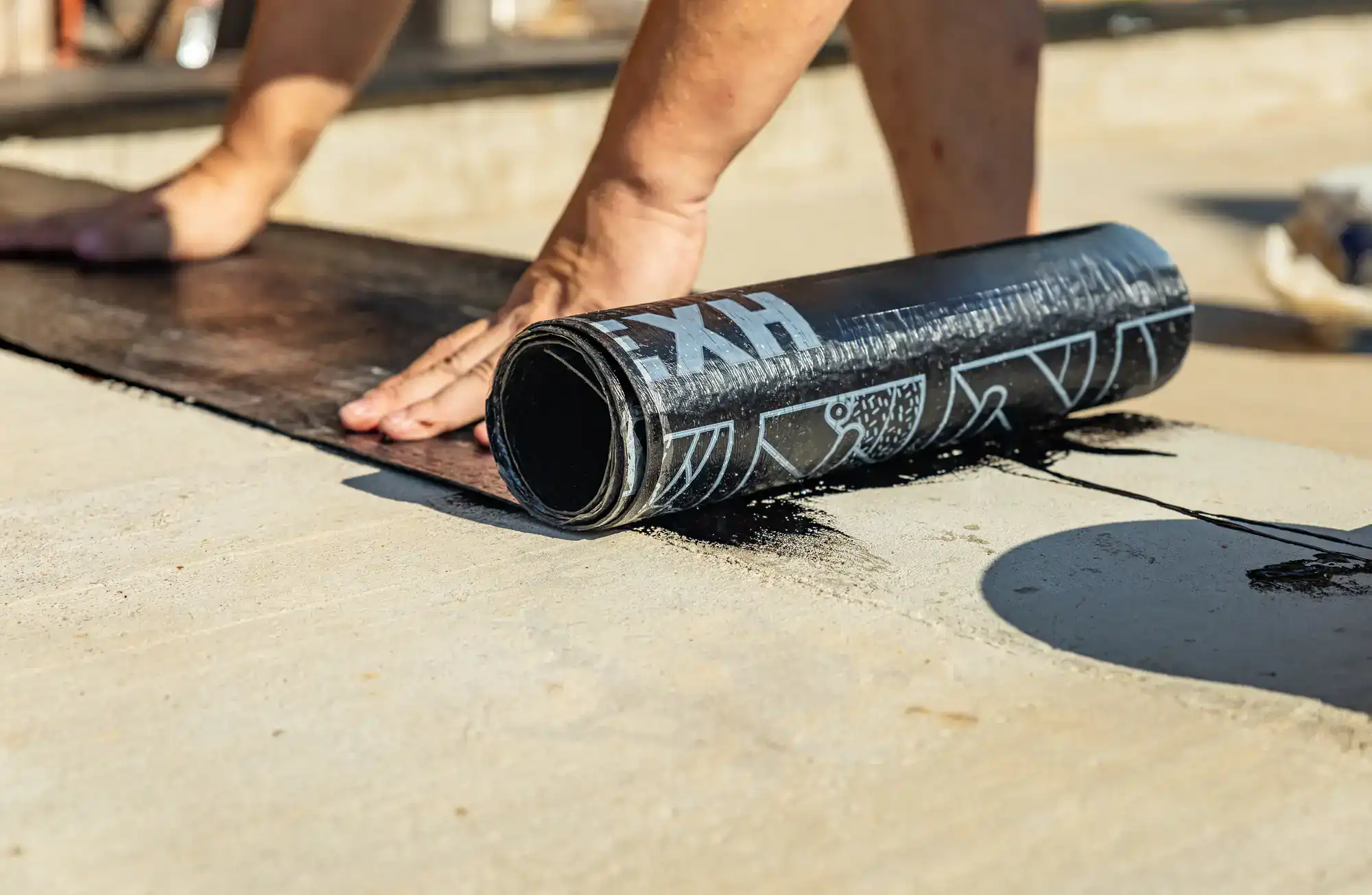
Exterior waterproofing involves excavating around the foundation, applying a waterproof membrane to the outside of the wall, and installing drainage board and a footing drain to direct water away before it ever reaches the foundation. It’s the most comprehensive approach when it’s done right, but it’s also the most disruptive and expensive typically $15,000 to $30,000 or more for a full perimeter.
Interior waterproofing doesn’t stop water from entering the wall, but it intercepts it before it can cause damage. A perimeter drainage channel is cut into the floor along the base of the foundation wall, a drain pipe is laid in gravel, and the water is directed to a sump pit where a pump removes it. For most Northwest Harbor homeowners dealing with hydrostatic pressure from the local water table, interior waterproofing is the more practical and cost-effective solution typically $4,500 to $10,000 depending on the scope. The right answer depends on what’s actually causing the problem in your specific basement, which is why the inspection comes before any recommendation.
It depends on the scope of work. Applying a sealant coat to basement walls typically doesn’t require a permit. But work that involves structural alteration cutting into the foundation floor for a perimeter drain, installing a sump pit, or injecting cracks in a structural wall generally does require a building permit from the East Hampton Town Building Department. Any new electrical connection for a sump pump also requires an electrical permit.
This matters more in East Hampton than in many other towns because the local building department is active and buyers’ attorneys here are thorough. Unpermitted work on a foundation can surface during a real estate transaction and create real complications either killing a deal or forcing a price reduction. We handle the permitting process as part of the job when it’s required, so the work is documented correctly from the start. If you have questions about what applies to your specific project, the East Hampton Town Building Department is located at Town Hall, 159 Pantigo Road.
Cost varies based on what the problem actually is, which is why we don’t quote jobs over the phone. That said, here’s a realistic range for the most common services in this area. Foundation crack sealing using epoxy or polyurethane injection typically runs $800 to $1,500 per crack. A full interior drainage system with sump pump installation generally falls between $4,500 and $10,000 depending on the linear footage and the complexity of the drainage layout. Sump pump installation on its own, without a full drainage system, usually runs $600 to $1,900.
For Northwest Harbor homeowners, the more useful comparison isn’t between waterproofing options it’s between waterproofing now versus what happens if you don’t. Mold remediation after sustained moisture damage runs $2,000 to $6,000, and that’s assuming the mold hasn’t reached the framing. Structural foundation repair starts at $10,000 and can climb well past $30,000. In a market where your home is worth over a million dollars, the math isn’t complicated.
It’s worth it more, not less. Seasonal properties are at higher risk precisely because no one is there to catch a problem early. A foundation crack that starts seeping in October can go undetected until you return in May and in the months between, that moisture has been feeding mold growth, soaking into insulation, and potentially compromising wood framing. By the time you discover it, what could have been a $1,200 crack repair has turned into a much larger project.
The right waterproofing setup for a seasonal home in Northwest Harbor includes sealed foundation walls and a sump pump system with battery backup. The battery backup is non-negotiable here the storms that drive the most water into your basement are the same ones that knock out power on the South Fork, sometimes for days. A sump pump that goes offline during a storm isn’t doing its job. A properly installed, battery-backed system keeps your basement protected whether you’re there or not, which is exactly what a seasonal property needs.
The honest answer is that you need an inspection before anyone can tell you that with confidence. What looks like an isolated crack from inside the basement may be part of a larger pattern of wall movement or hydrostatic stress that a surface repair won’t address long-term. And what looks like widespread seepage might actually trace back to one or two specific entry points that can be sealed efficiently.
In Northwest Harbor, the most common scenario we see is a foundation crack often in a poured concrete wall that has been widened by freeze-thaw cycles over several winters. Those can usually be addressed with epoxy or polyurethane injection. When the issue is more diffuse seepage through the wall itself, driven by sustained groundwater pressure from the local water table, an interior drainage system becomes the more appropriate solution. The distinction matters because the wrong fix costs you twice once when you pay for it, and again when it doesn’t hold. That’s why the inspection drives the recommendation, not the other way around.