
Hear from Our Customers
Standing water isn’t just an eyesore. In Port Jefferson, it’s a symptom of something deeper clay-heavy North Shore soil that absorbs water slowly, a high water table near the harbor, and decades of development that have progressively overwhelmed what the land can naturally handle. The village’s own mayor has said it publicly: too much of the area that used to absorb water has been converted to rooftops, driveways, and pavement. Your yard is dealing with the consequences of that.
A properly installed drainage system changes what your property does with water. Instead of pooling on the surface, saturating the root zone, and pushing toward your foundation, water gets collected and moved through a system designed for your specific lot, your specific slope, and the kind of rainfall Port Jefferson actually gets. That means a lawn you can walk on the day after a storm. A garden that isn’t drowning. A foundation that isn’t quietly absorbing what your yard can’t shed.
For homeowners in Port Jefferson where median home values sit above $710,000 the math is straightforward. The average water damage insurance claim pays out around $13,954. Foundation repair from water intrusion runs $23,000 to $48,000. A professionally installed drainage system typically costs a fraction of either. You’re not spending money on drainage. You’re protecting what you already have.
We’re a landscape drainage contractor serving Suffolk County homeowners across Long Shore’s North Shore, with deep experience in Port Jefferson and the surrounding villages. We work on the land side of drainage how water moves across your property, where it’s coming from, and how to redirect it permanently not just the pipe side.
Port Jefferson isn’t a market where generic drainage solutions hold up. The soil transitions to clay as you move north toward the Sound. The water table sits high near the harbor. A significant portion of the housing stock was built before 1940, meaning original drainage systems if they exist at all were never designed for today’s impervious surface loads. We’ve seen what that combination does to yards, foundations, and basements across this area, and we build systems that account for all of it.
Every project starts with a real site assessment. We look at where water is entering, how the land is graded, what the soil is doing, and where the water needs to go. That diagnosis is what separates a system that works from one that fails in the next heavy storm.
The first thing we do is walk your property. Not a quick glance an actual assessment of how water is moving across your lot, where it’s collecting, what the grade is doing, and what the soil profile looks like. On North Shore properties in Port Jefferson, that last part matters more than most contractors acknowledge. Clay soil behaves differently than sandy soil, and a drainage solution designed for the South Shore won’t perform the same way here. We need to understand your specific conditions before we recommend anything.
From there, we design a system around what your yard actually needs. That might be a French drain to intercept groundwater before it reaches the surface. It might be a catch basin to collect runoff from a downspout or paved area. It might involve regrading a section of the lawn to redirect surface flow. Often it’s a combination. We don’t have a default solution we apply to every job the design follows the diagnosis.
Once the scope is agreed on and documented in writing, we install the system and restore the disturbed areas. Because Port Jefferson Village has an active stormwater management program and a Chapter 145 Flood Damage Prevention ordinance, we factor in any applicable local requirements before work begins so you don’t end up with a completed drainage project that creates a compliance problem. When we’re done, your yard should look better than it did before we started.
Ready to get started?
The drainage systems we install are designed around what’s happening on your specific property not a standard package pulled off a shelf. That said, most Port Jefferson projects involve some combination of French drains, catch basins, surface grading corrections, and outlet management. What determines the mix is your lot’s slope, your soil composition, your water table depth, and where the water is originating.
For older homes and Port Jefferson has a lot of them, with nearly a quarter of the housing stock built before 1940 drainage installations require extra attention to what’s already in the ground. Aged utility lines, mature root systems, and original foundation drainage that was never designed for modern rainfall loads all factor into how we approach the work. We don’t excavate blind. We assess first, design second, and install third.
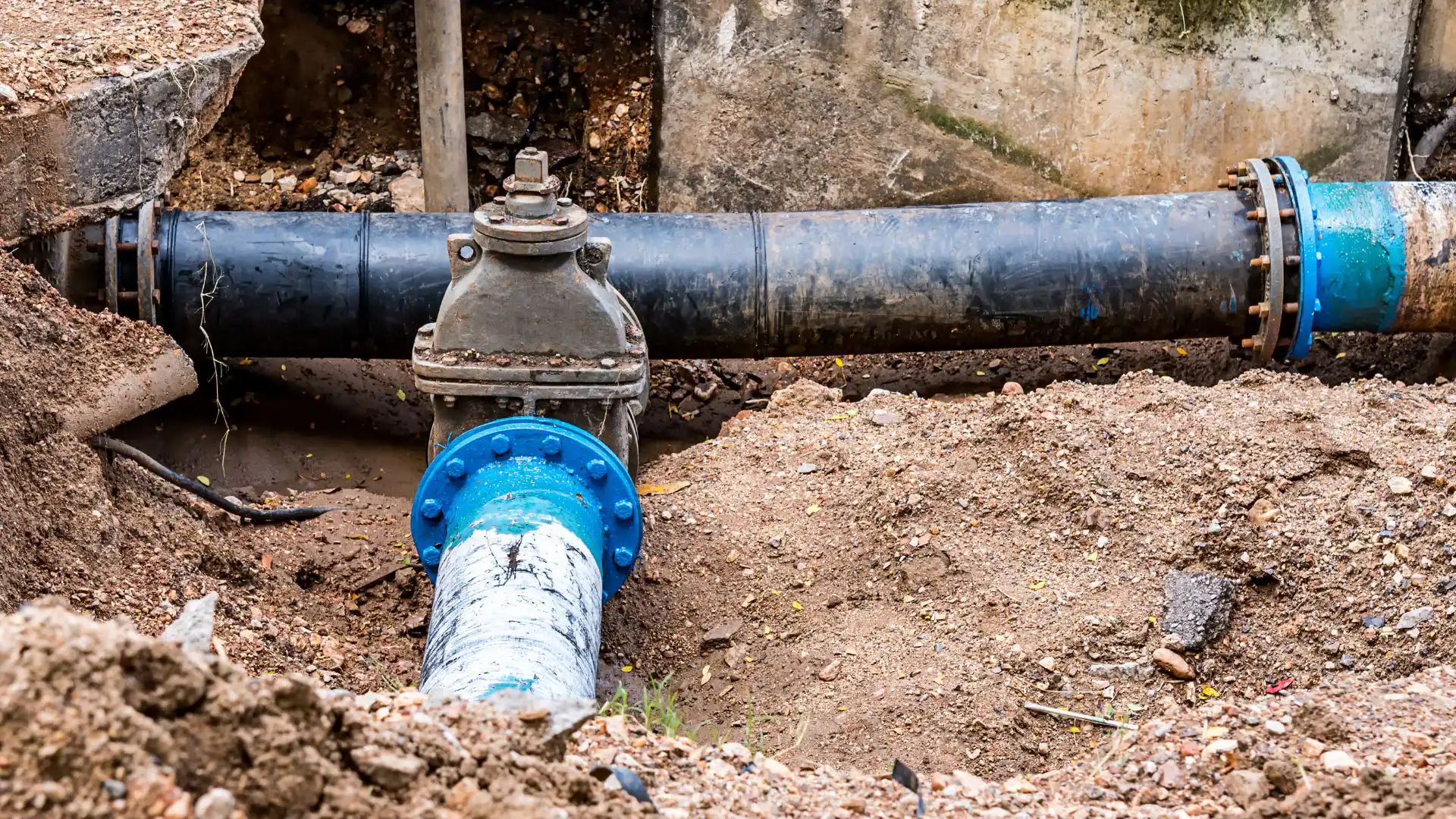
Port Jefferson also sits in a documented flooding zone. The village has identified specific chronic flooding areas including the Crystal Lake area and low-lying spots near the waterfront and has commissioned formal engineering studies to address them at the municipal level. But municipal infrastructure can’t solve what’s happening on your private property. That’s where we come in. We handle the yard drainage, foundation drainage, and surface water management that no DPW crew will ever touch and we build it to last through the kind of rainfall Port Jefferson actually sees, including the short-duration, high-intensity storms that have dropped four inches in a single hour.
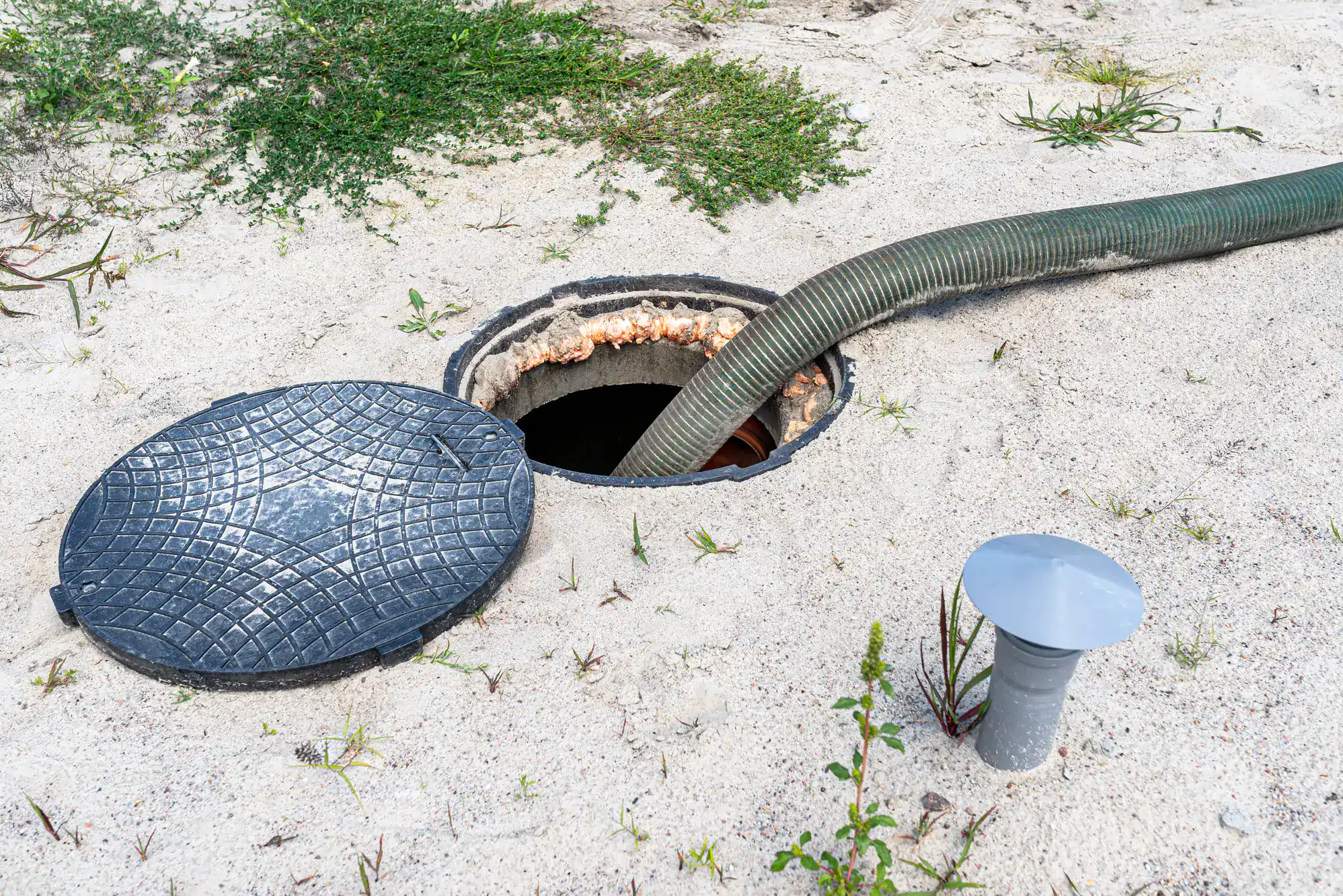
Port Jefferson sits on North Shore soil that transitions heavily toward clay and clay doesn’t drain the way sandy South Shore soil does. It absorbs water slowly, holds it, and when it’s already saturated from previous rain or snowmelt, even a moderate storm has nowhere to go. That’s why you’ll see standing water in your yard from a storm that barely registered as significant.
The other factor is the water table. Properties near the harbor and low-lying areas of the village are dealing with groundwater that sits close to the surface year-round. When rain pushes down from above and groundwater pushes up from below, your yard becomes the middle ground and it shows. A proper drainage assessment will identify which of these factors is driving your flooding, because the solution for surface runoff looks different than the solution for a high water table.
A plumber handles what happens inside pipes clogs, breaks, backups, and the mechanical systems that move water through your home. A landscape drainage contractor handles what happens outside how water moves across your property, where it collects, and how to redirect it before it ever becomes a structural problem.
Most of the drainage providers you’ll find ranking in search results near Port Jefferson are plumbing-oriented. They’re excellent at what they do, but yard flooding caused by poor grading, clay soil, or surface water accumulation isn’t a pipe problem it’s a land problem. That’s the work we do. We assess your lot, design a system that manages water at the surface and subsurface level, and install drainage infrastructure that keeps water moving away from your home, your lawn, and your foundation.
Most residential drainage projects fall somewhere between $2,000 and $7,500, with the national average sitting around $4,600. In Port Jefferson, the actual cost depends on several factors: the size of your lot, how many drainage points are needed, what the soil and water table conditions look like on your specific property, and whether any grading work is required alongside the drainage installation.
Older homes and Port Jefferson has a significant number of them, many built before 1950 sometimes require more careful installation to work around aged utility lines, mature landscaping, or original drainage infrastructure that needs to be integrated or replaced. That can affect the scope. The best way to get an accurate number is through a site assessment, which is how we start every project. We’ll walk the property, understand what’s driving the problem, and give you a written quote based on what your yard actually needs not a rough guess over the phone.
Port Jefferson Village has its own local government, a formal stormwater management program, and a Chapter 145 Flood Damage Prevention ordinance which means it operates with more regulatory oversight than many of the unincorporated hamlets in Suffolk County. Whether a specific drainage installation requires a permit depends on the scope of the work, including how much excavation is involved and whether the system ties into or affects the municipal storm drain infrastructure.
As a general rule, any drainage work that involves significant grading, discharge point changes, or connection to village infrastructure is worth verifying with the Port Jefferson Village Department of Public Works before starting. We factor local regulatory requirements into every project before a shovel hits the ground. We don’t want you finishing a drainage installation only to find out it created a compliance issue and we won’t let that happen on a job we’re running.
This is one of the most common situations we encounter. A previous contractor installed something a single catch basin, a short stretch of perforated pipe, a redirected downspout and the flooding came back with the next heavy storm. The reason is almost always the same: the work addressed where water was pooling without diagnosing why it was pooling there in the first place.
In Port Jefferson, that distinction matters a lot. Clay soil, high water table, lot grading that was never corrected, and aging housing stock with no original drainage infrastructure these are system-level problems. A single drain point can’t solve a system-level problem. What’s needed is a full assessment of how water is entering the property, where it’s traveling, and what’s preventing it from leaving. That’s how we approach every job, including ones where previous work didn’t hold. We won’t recommend tearing out what’s already there unless it genuinely needs to go but we will design around the actual problem, not just the most visible symptom.
Honestly, the best time is before the next flooding event but practically speaking, fall is one of the strongest installation windows in Port Jefferson. The ground is workable, the summer storm season has just passed, and you’re setting yourself up to handle spring snowmelt and the following year’s rain before they become a problem again. Spring is the peak demand period, so scheduling earlier in the season or in the fall tends to mean faster turnaround and more flexibility in scheduling.
Winter installations are possible but depend on ground conditions. Frozen soil limits excavation, and Port Jefferson sees ground snow cover for roughly a month out of the year, so timing matters. Summer is when the need feels most urgent Port Jefferson has seen rainfall events drop four inches in a single hour but it’s also when demand spikes. If you’re reading this after a flooding event and want it resolved before it happens again, reach out now. We’ll assess the property and give you a clear timeline based on current conditions.