
Hear from Our Customers
Port Jefferson homes hold serious value median prices are pushing $850,000 in this village. A wet basement doesn’t just smell musty; it chips away at that number every season it goes unaddressed. When a home inspector flags water intrusion during a sale, you’re looking at price cuts, delayed closings, or buyers walking. A properly waterproofed basement with a documented warranty flips that script entirely.
The conditions in Port Jefferson are specific. The village sits directly on a harbor opening to Long Island Sound, and that coastal position elevates the water table, slows soil drainage, and keeps ground moisture high especially after nor’easters and spring snowmelt. Many homes in Port Jefferson were built in the mid-20th century using block or poured concrete foundations that were never designed with modern waterproofing in mind. After 50-plus Long Island winters, those foundations have earned every crack they’ve got.
Getting waterproofing right in Port Jefferson means understanding what’s actually driving the water in not just patching symptoms. When the source is identified and addressed properly, you get a basement that stays dry through the worst nor’easter of the year, mold risk drops significantly, and your home’s value holds the way it should in one of Suffolk County’s most desirable villages.
Gold Coast Landworks is named for this stretch of Long Island for a reason. The Gold Coast the North Shore is the specific geography we work in, and Port Jefferson is exactly the kind of community we built this business around. Waterfront village, older homes, glacially deposited soils, and a water table that responds fast to heavy rain. That combination requires a different approach than what works in flat, inland Suffolk County towns.
When we inspect a basement in Port Jefferson, we’re drawing on direct experience with the conditions that drive water problems in harbor-adjacent North Shore communities not a franchise playbook written somewhere in Connecticut. We know the difference between a foundation crack that needs sealing and a drainage problem that needs a full interior system. We’re not going to recommend the more expensive option if the simpler one solves it.
From the residential streets above Upper Port to the homes tucked near Belle Terre and Poquott, we’ve worked on the kinds of foundations that define Port Jefferson. We’re licensed, insured, and here to give you a straight answer starting with a free in-home inspection before any work is discussed.
It starts with a free in-person inspection not a phone estimate, not a ballpark figure based on square footage. We look at your foundation from the inside and outside, check for active cracks, assess the floor-wall joint, evaluate your drainage situation, and take the time to understand what’s actually letting water in. In Port Jefferson, that means accounting for your home’s age, its proximity to the harbor, and the soil conditions specific to your lot. No two basements here are the same.
Once we know what’s causing the problem, we walk you through what we found and what we recommend whether that’s foundation crack sealing with epoxy or polyurethane injection, an interior drainage system with a sump pump, waterproofing the basement walls, or some combination. If a permit is required through the Port Jefferson Village Building Department, we handle that conversation upfront so there are no surprises mid-project.
The work itself is straightforward, but the sequencing matters. Crack sealing is most effective when done before the freeze-thaw cycle begins ideally in fall before the first hard frost. Interior drainage systems require excavation along the perimeter of your basement floor, which we complete with minimal disruption to your living space. When the job is done, you get a written summary of the work completed and the warranty that covers it.
Ready to get started?
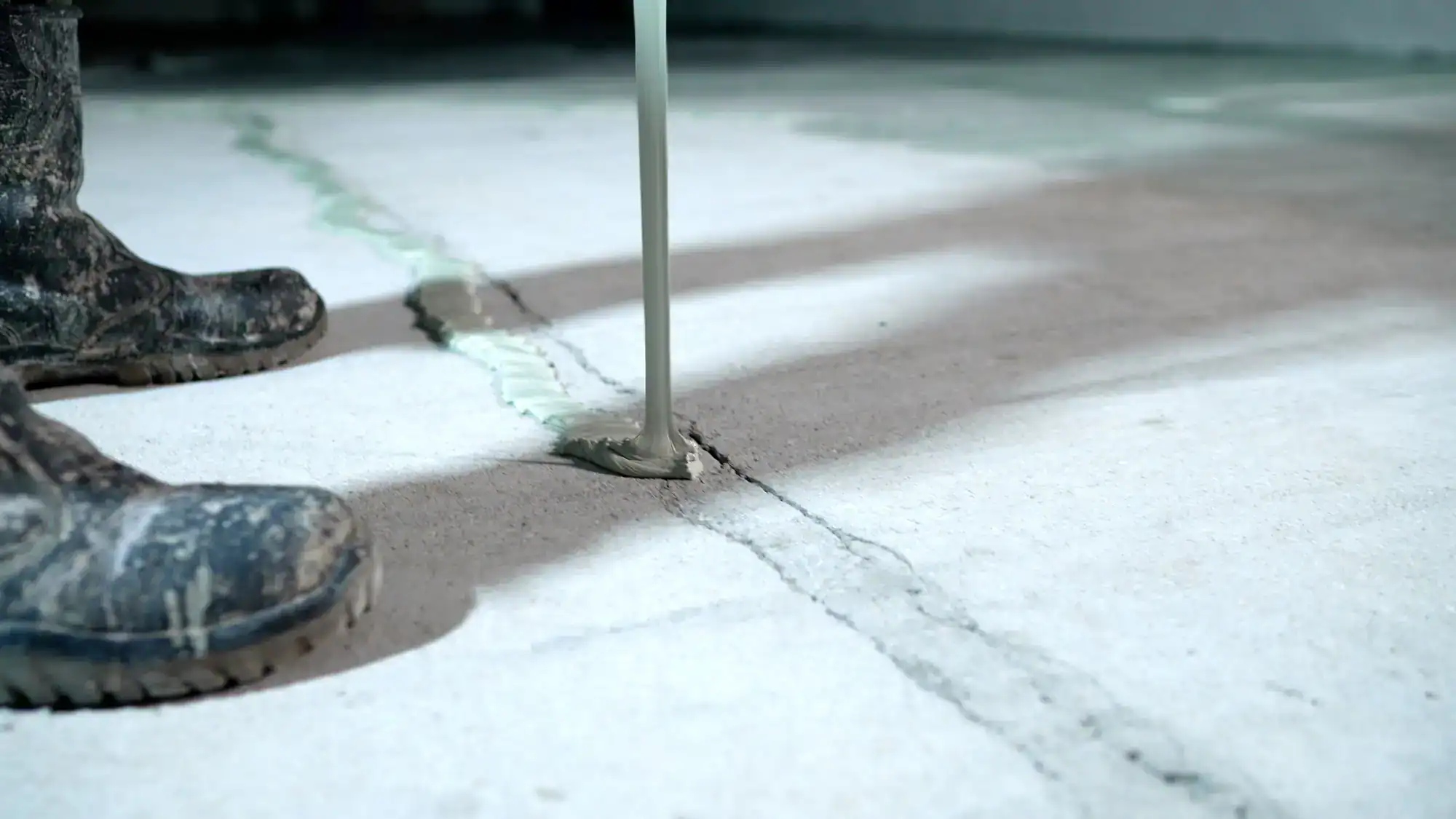
Foundation crack sealing is one of the most common services we perform in Port Jefferson, and for good reason. The freeze-thaw cycles on the North Shore are relentless water gets into a hairline crack in October, freezes, expands, and widens it by March. Epoxy injection bonds to the concrete and restores structural integrity. Polyurethane foam injection is used for active leaks where flexibility matters. Which one is right depends on what we find during the inspection, not a default preference.
Interior basement waterproofing is the right call when water is entering through multiple points, through the floor-wall joint, or through porous block walls that can’t be practically addressed from the outside. We install a perimeter drainage channel at the base of the foundation walls, directing water to a sump basin where it’s pumped out before it can cause damage. In Port Jefferson where power outages during nor’easters are a real possibility we install battery backup systems as a standard recommendation, not an upsell.
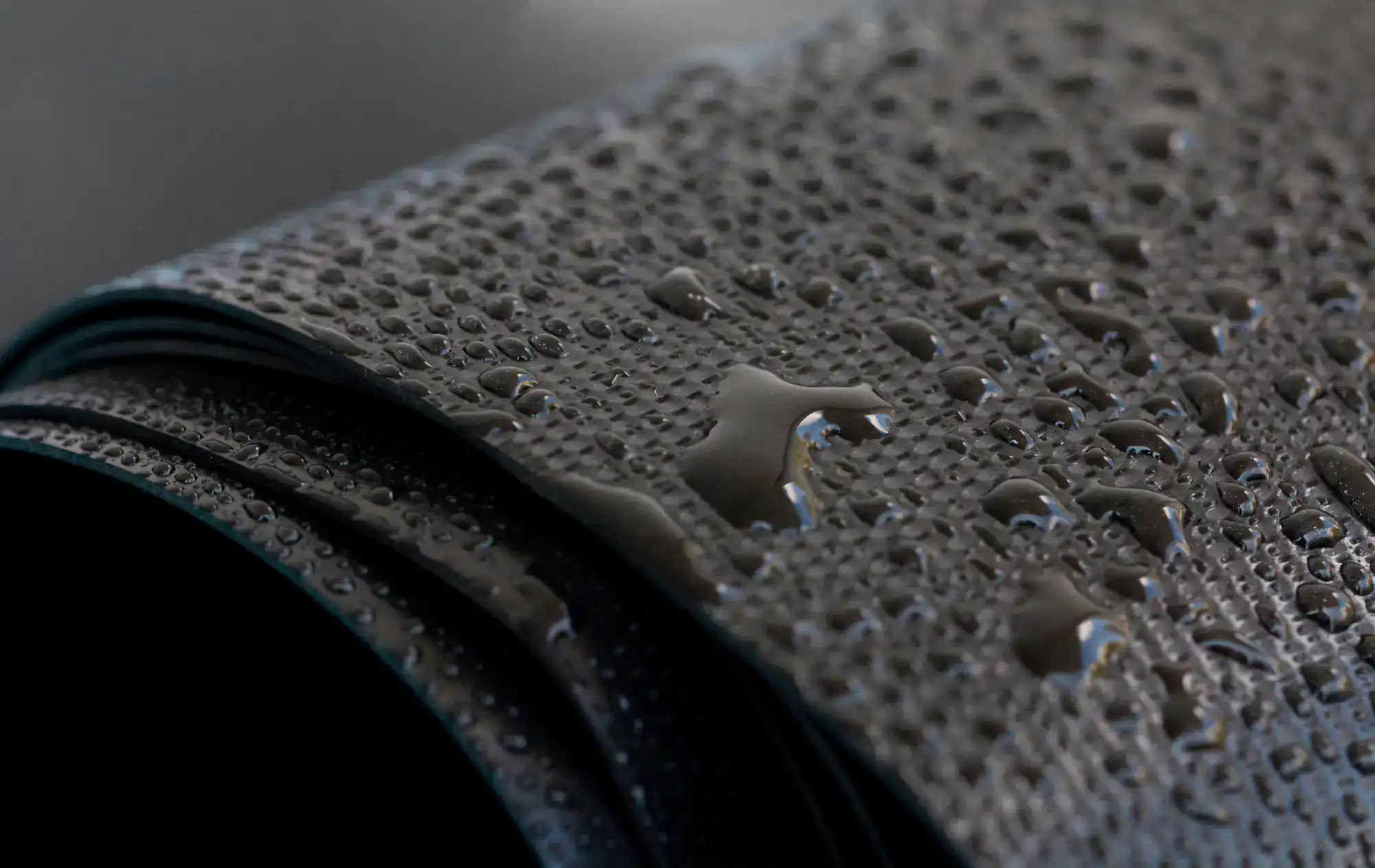
Sump pump installation and replacement round out what we do here. If your existing pump is more than seven years old, undersized for your water volume, or running without a battery backup, it’s worth a conversation. Waterproofing the basement walls with applied membrane systems is also available for homes where surface sealing is part of the solution. Whatever the scope, the goal is the same: a basement that stays dry regardless of what Long Island Sound throws at it.
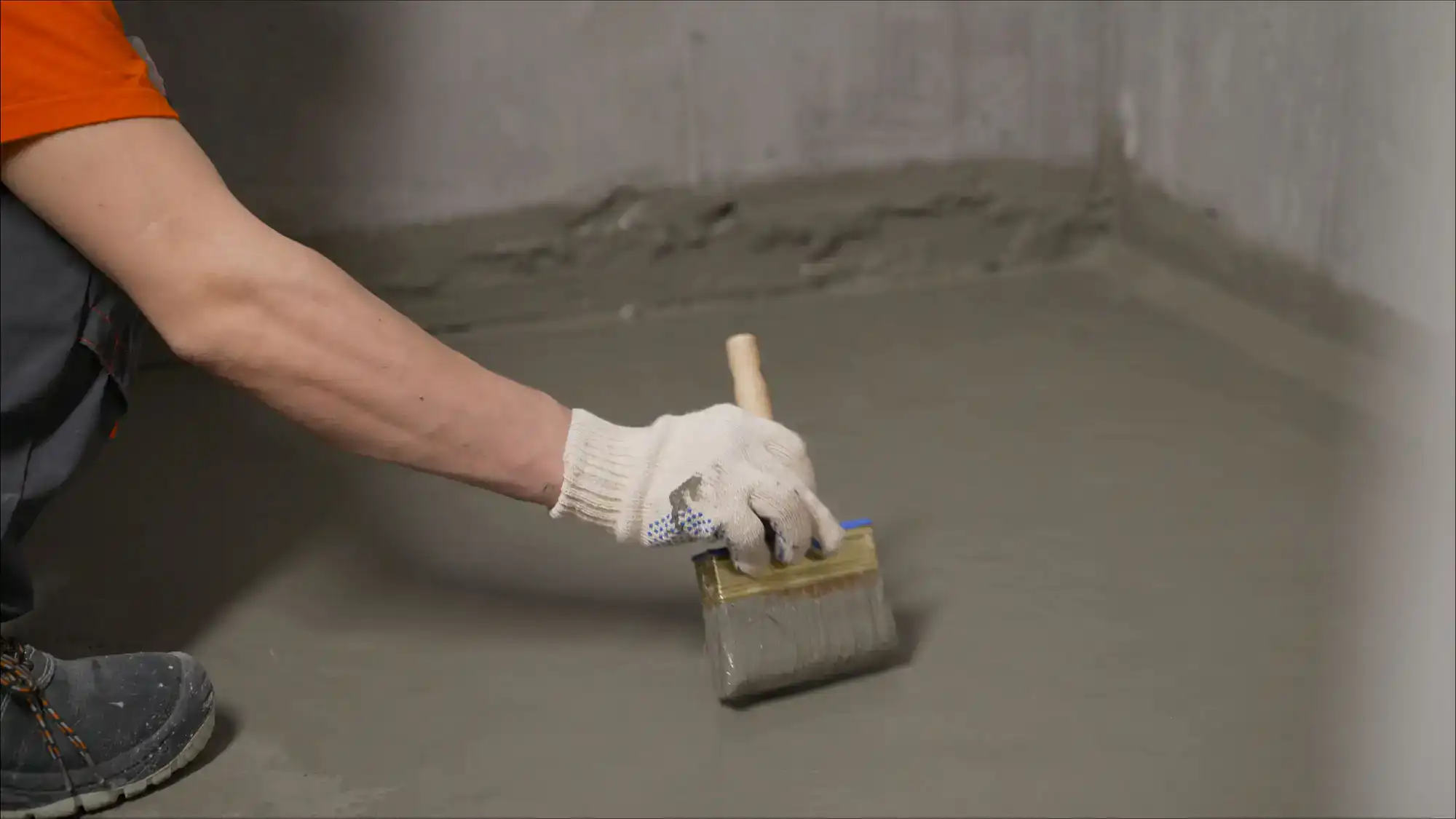
Port Jefferson’s position on Long Island Sound creates a naturally elevated water table, and the glacially deposited soil that underlies much of the North Shore including clay-rich layers documented by the USGS along this stretch of the coast doesn’t drain efficiently. When significant rain falls or winter snowpack melts quickly, water that can’t percolate through the soil fast enough builds hydrostatic pressure against your foundation walls. That pressure finds the path of least resistance: a crack, a mortar joint, the floor-wall joint, or even porous concrete itself.
If your basement floods specifically after rain or snowmelt events rather than continuously, that pattern points to surface and subsurface drainage as the primary driver not a plumbing issue or a one-time anomaly. The fix depends on where the water is entering and how severe the pressure is. In some cases, improving exterior grading and downspout routing addresses a meaningful portion of the problem. In others, an interior drainage system with a properly sized sump pump is the right long-term answer. A proper inspection tells you which situation you’re actually dealing with.
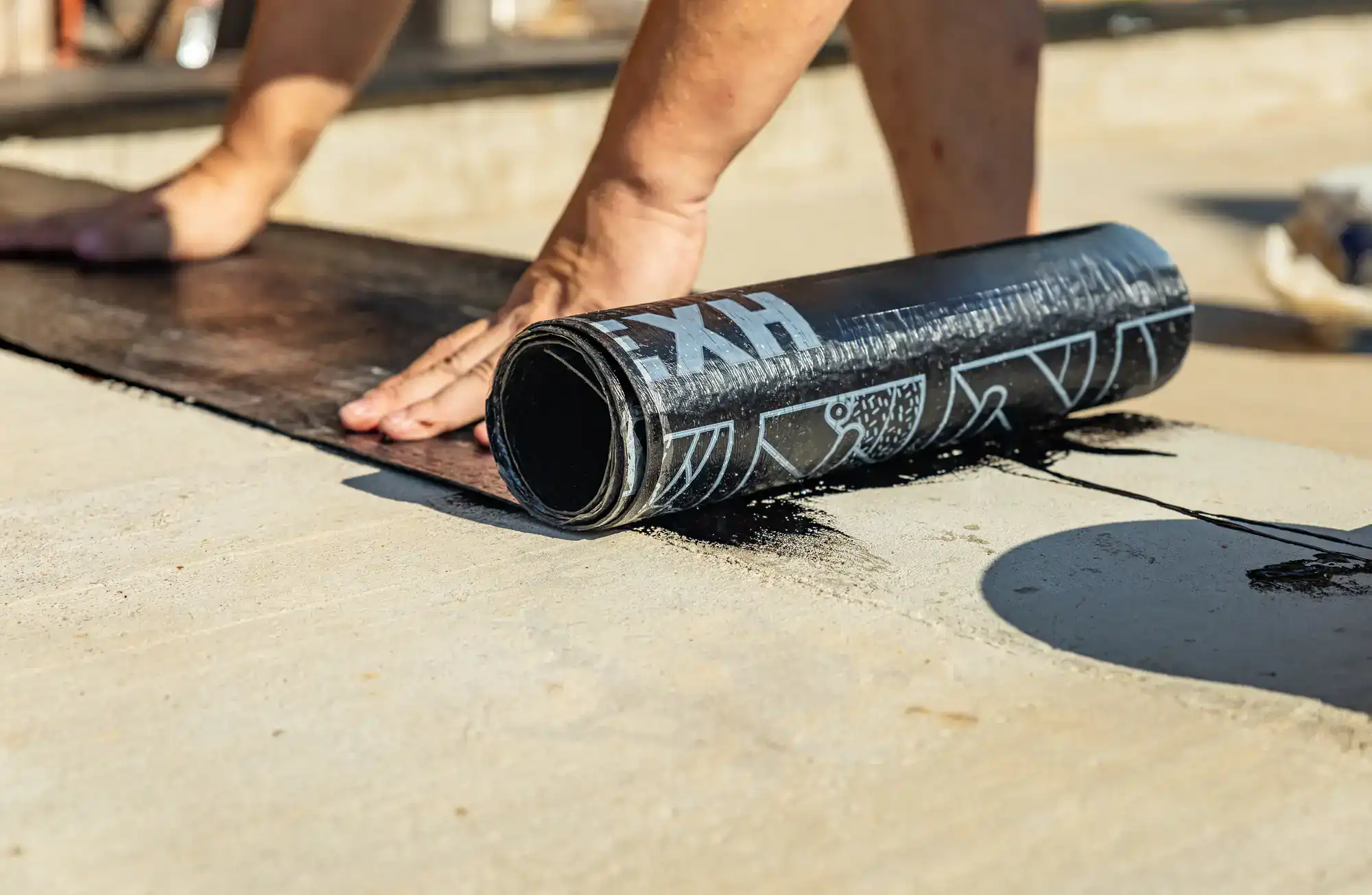
Exterior waterproofing involves excavating around the outside of your foundation, applying a waterproof membrane directly to the foundation wall, and installing drainage board and a footing drain to redirect water away before it ever contacts the structure. It’s the most comprehensive approach, but it’s also the most disruptive and expensive typically ranging from $8,000 to $15,000 or more depending on the scope and the depth of your foundation.
Interior basement waterproofing doesn’t stop water from entering the foundation wall it manages water after it enters, channeling it to a sump system before it can spread across your floor or damage your belongings. For many Port Jefferson homes, particularly those with block foundations or finished living spaces above, interior waterproofing is the more practical and cost-effective solution. It typically runs $4,500 to $10,000 for a drainage-based system. The right choice depends on your foundation type, the severity of the intrusion, your budget, and whether you want to minimize outdoor excavation on your property. We walk through both options during the inspection so you can make an informed decision.
Cost varies significantly based on what’s actually causing the problem and what’s needed to fix it. Foundation crack sealing with epoxy or polyurethane injection typically runs $800 to $1,500 per crack a relatively contained cost when the problem is isolated. A full interior drainage system with sump pump installation generally falls between $4,500 and $10,000 for most Port Jefferson homes, depending on the linear footage of the perimeter and the complexity of the system. Exterior waterproofing with full excavation can reach $8,000 to $15,000 or higher for larger foundations.
For Port Jefferson homeowners protecting a home worth $700,000 or more, the math is straightforward. Mold remediation alone runs $2,000 to $6,000 and that doesn’t fix the water problem. Structural foundation repair, if cracks are left to worsen through several more freeze-thaw cycles, can run $10,000 to $30,000 or more. A professional waterproofing system addressed now is almost always less expensive than the alternatives that develop when it’s delayed. We provide written estimates after every inspection so you know exactly what you’re looking at before committing to anything.
In most cases, yes and in Port Jefferson specifically, a sump pump isn’t optional, it’s the other half of the system. Interior drainage channels collect and redirect water, but that water has to go somewhere. Without a properly sized sump pump and basin, the drainage system has nowhere to discharge. The pump is what actually removes the water from your home.
What’s equally important in Port Jefferson is a battery backup. The village experiences nor’easters, tropical storm remnants, and significant coastal weather events the same storms that saturate your soil and stress your foundation are the same storms that knock out power. A primary sump pump that loses electricity during the worst storm of the year is a pump that fails exactly when you need it most. Battery backup systems kick in automatically during an outage and can run for several hours on a full charge, which is typically enough to get through the peak of a storm event. If your current setup doesn’t include a backup, that’s worth addressing regardless of how new your primary pump is.
The short answer is that crack type, location, and behavior over time all matter. A vertical crack in a poured concrete foundation is typically a shrinkage crack common in the mid-century homes that make up a significant portion of Port Jefferson’s housing stock and is usually well-suited to epoxy or polyurethane injection. Horizontal cracks in block or poured walls are more concerning because they can indicate lateral soil pressure, which is a structural issue that goes beyond waterproofing. Stair-step cracks in block foundations often point to differential settlement or mortar deterioration.
If you’ve noticed a crack that has visibly grown over one or more winters, that’s a freeze-thaw progression in action and it won’t stabilize on its own. The longer it’s left, the wider it gets, and the more water it admits each season. A crack that is actively weeping water during rain events is already past the point where monitoring makes sense. The inspection will tell you whether sealing is sufficient or whether the crack is a symptom of a larger drainage or structural issue that needs to be addressed at the source.
Port Jefferson is an incorporated village with its own building department unlike unincorporated hamlets in the Town of Brookhaven, which are governed solely at the town level. That means certain basement waterproofing projects in Port Jefferson Village may require a permit through the Port Jefferson Village Building Department, depending on the scope of work. Interior drainage system installation, sump pump basin excavation, and any work that involves structural elements of the foundation typically fall into that category. Exterior waterproofing with excavation near the foundation line almost certainly requires one.
We are familiar with the local permitting layer that applies to Port Jefferson Village specifically, and we address permit requirements upfront during the estimate process not after work has started. If your project requires a permit, we’ll tell you before you sign anything, and we’ll handle the coordination so it doesn’t become your problem to figure out. For waterfront or harbor-adjacent properties, Suffolk County stormwater and drainage regulations may also be relevant, and we factor those in as part of the planning conversation.