
Hear from Our Customers
If you were in Smithtown during August 2023, you already know what poor drainage looks like at its worst. Over eight inches of rain fell in a single event, the dam at Blydenburgh County Park breached, Jericho Turnpike flooded, and thousands of homeowners woke up to basements and yards that had nowhere to send the water. That storm was extreme but the drainage failures it exposed weren’t. They’d been building for years.
The reason so many Smithtown properties struggle with standing water comes down to geology. Beneath the surface, Long Island’s glacial moraine left behind a layer of dense clay that water simply cannot pass through. Your topsoil might look sandy and loose, but a few feet down, that clay acts like a bowl and every heavy rain fills it. That’s not a yard problem. That’s a ground problem, and it requires a system designed around what’s actually happening below grade.
When a drainage system is designed correctly for these conditions, the difference is immediate and lasting. Water moves off your lawn and away from your foundation instead of pooling against it. Your yard stays usable after rain. And the foundation of a home worth $750,000 or more in this market stops taking on hydrostatic pressure every time a storm rolls through. That’s the outcome not just a drier yard, but a protected property.
We serve homeowners across the Smithtown township from the rolling terrain of Kings Park and Fort Salonga to the flatter neighborhoods of Nesconset and the river-adjacent properties near the Village of Nissequogue. Every part of Smithtown drains differently, and we’ve worked in enough of these neighborhoods to know where the problem usually starts before we even pull out a shovel.
What separates a drainage fix that works from one that doesn’t is the assessment that happens before any work begins. We map how water moves across your entire property not just the spot where it’s pooling because a single French drain installed in the wrong place doesn’t solve the problem. It just moves it. Our process starts with understanding your site, your soil, and your specific conditions before anything gets proposed.
We’re licensed, insured, and carry all required New York State contractor credentials. Written quotes before work starts, clear scope, and a workmanship warranty when the job is done. No vague estimates, no surprises after the fact.
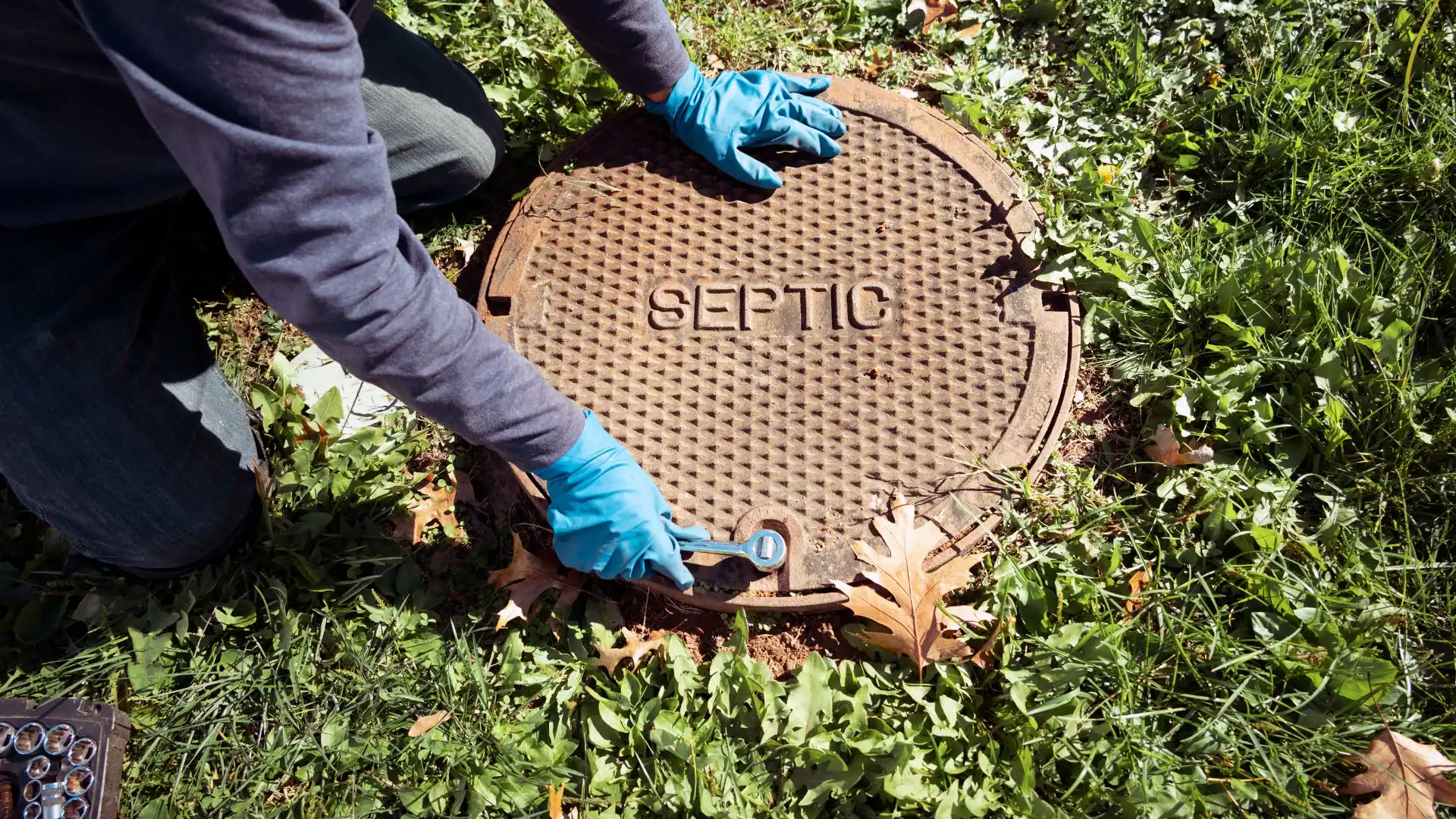
It starts with a site assessment. Before anything is recommended or priced, we walk the property and look at how water is entering, where it’s moving, and where it’s getting stuck. In Smithtown, that assessment almost always includes checking for the clay layer beneath the surface because what looks like a grading issue on top is often a soil permeability issue underneath. That distinction changes the entire design of the system.
From there, we put together a drainage plan specific to your property. Depending on what we find, that might mean a French drain to intercept and redirect subsurface water, a catch basin to collect surface runoff at a low point, a dry creek bed to channel overflow during heavy rain, or a combination of all three. For properties near the Nissequogue River flood plain or in lower-lying areas of Kings Park, the design typically needs to account for higher water table conditions that a standard system won’t handle on its own. If your project requires a Stormwater Pollution Prevention Plan under Smithtown’s Chapter 153 code which applies to certain land disturbance work we handle that documentation correctly so there are no compliance issues down the road.
Once the system is installed, we restore the landscape. Excavation is part of the process, but a torn-up yard shouldn’t be the end result. When we’re finished, your property looks like a finished property not a job site.
Ready to get started?
Landscape drainage services in Smithtown cover a range of systems depending on the problem. French drains handle subsurface water movement they’re the right tool when water is saturating the soil and has nowhere to go because of the clay layer beneath. Catch basins collect surface runoff at concentrated low points and direct it into an outlet line. Trench drains intercept sheet flow across paved or hardscaped areas. Dry creek beds manage overflow during intense rain events while keeping the yard functional and visually clean the rest of the time. Regrading addresses the slope and grade of the land itself when water is flowing toward the house instead of away from it.
For homeowners in Fort Salonga, Kings Park, and the wooded North Shore sections of Smithtown, the terrain adds complexity sloped lots, tree root systems, and proximity to Long Island Sound watershed areas all factor into how a system gets designed. For properties in flatter areas like Nesconset or near the numbered avenues in St. James where the Town’s own Highway Department has identified underground drainage failures the challenge is more about volume management and getting water to an adequate outlet.
One thing that matters in every case: Smithtown’s Town Code prohibits redirecting stormwater runoff onto neighboring properties. Any system we design accounts for that from the start. Your drainage solution shouldn’t create a new problem for the house next door and with us, it won’t.
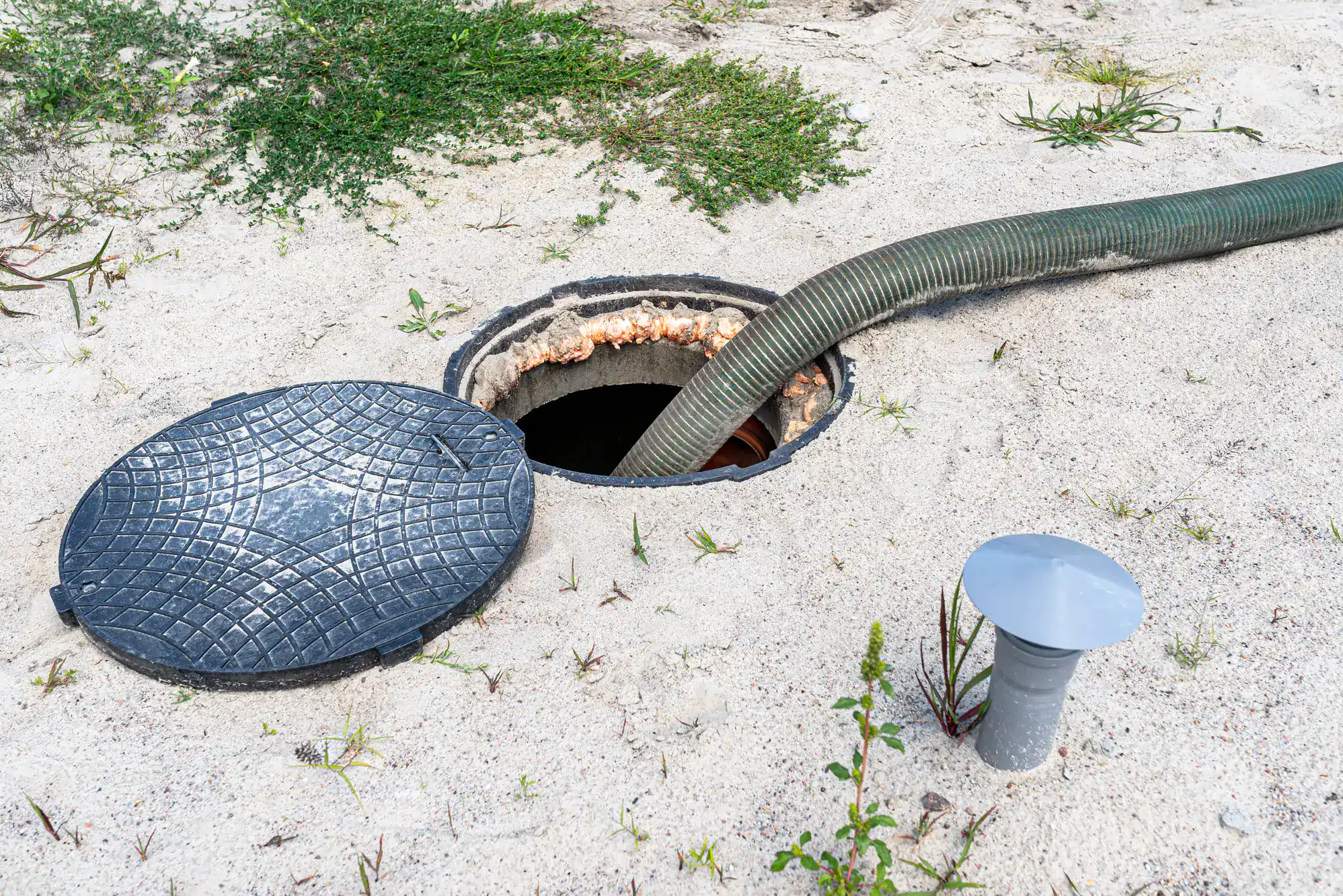
This is one of the most common situations we run into in Smithtown. A previous drain was installed, it worked for a while or maybe it never really worked and now the yard is flooding again. The most frequent reason is that the original system was designed for the symptom, not the cause. A single French drain installed at the low point of a yard doesn’t fix the problem if the real issue is an impermeable clay layer three feet down that’s preventing any water from percolating out of the upper soil. The water just finds a new path to pool.
The other common failure is undersizing. A system designed for a typical rain event can be completely overwhelmed by a storm like the one Smithtown saw in August 2023. If the pipe diameter is too small, the outlet doesn’t have enough capacity, or the system wasn’t designed with peak flow in mind, it will fail exactly when you need it most. When we assess a property where previous drainage work was done, we look at what was installed, why it failed, and what the full water flow path actually looks like before proposing anything new.
Most residential drainage installations fall somewhere between $2,000 and $8,000 depending on the scope of the system, the complexity of the site, and what components are needed. A straightforward French drain on a moderately sized lot is on the lower end. A multi-component system that includes catch basins, outlet piping, regrading, and landscape restoration on a larger property which is common in Fort Salonga or the North Shore sections of Kings Park will be toward the higher end or beyond it.
The number that matters more, though, is what you’re protecting. Foundation repairs triggered by chronic water intrusion run $23,000 to $48,000. A flooded basement averages $10,000 to $26,000 per incident. In a market where the median home value in Smithtown is approaching $763,000, the cost of a properly installed drainage system is a straightforward investment compared to the cost of ignoring the problem. We provide a detailed written quote before any work starts so you know exactly what you’re getting and what it costs.
Plumbers handle what happens inside pipes blockages, broken sewer lines, connections to municipal stormwater systems. If your drain is clogged or a pipe inside the home is failing, that’s a plumbing problem. If water is pooling in your yard, running toward your foundation, or saturating your lawn after every rain, that’s a landscape drainage problem and it requires a completely different approach.
Landscape drainage contractors work with how water moves across and through land. That means grading, soil conditions, surface flow patterns, and the design of systems like French drains, catch basins, and dry creek beds that manage water before it ever reaches a pipe. In Smithtown, where the glacial clay layer beneath the surface is a primary driver of drainage failure, solving the problem requires understanding what’s happening in the ground not just in the pipe. Calling a plumber for a yard flooding problem is like calling an electrician for a roof leak. The skills don’t overlap.
It depends on the scope of the work. The Town of Smithtown regulates stormwater management under Chapter 153 of the Town Code. For land development activities that disturb a certain area of ground, a Stormwater Pollution Prevention Plan commonly called a SWPPP must be reviewed and approved by the Town’s Stormwater Management Officer before work can begin. For larger projects, a formal maintenance agreement for stormwater management facilities may also need to be recorded with the Suffolk County Clerk as a deed restriction.
For smaller residential drainage installations a single French drain, a catch basin, or minor regrading permits may not be required, but the work still needs to comply with the Town’s stormwater rules. One rule that applies regardless of project size: you cannot redirect runoff onto a neighboring property. Smithtown’s code is explicit on this, and violations can create legal and neighbor disputes that outlast the drainage problem itself. We know what requires documentation in this town and handle it correctly from the start.
There are a few signs that move this from “I’ll deal with it eventually” to “this needs attention now.” Water pooling within five to ten feet of your foundation after a normal rain is the most urgent one that’s hydrostatic pressure building against the structure every time it rains, and it compounds over time. A basement that takes on moisture or water after heavy rain is another clear signal. Soggy lawn areas that stay wet for two or three days after a storm, erosion channels forming in the yard, or water flowing toward the house instead of away from it are all indicators that the drainage isn’t functioning correctly.
In Smithtown specifically, the August 2023 storm was a wake-up call for a lot of homeowners who had been watching a minor drainage issue for years. The storm didn’t create those problems it just made them impossible to ignore. If your yard showed stress during that event and you haven’t addressed the underlying cause, the next significant storm will produce the same result. The good news is that most residential drainage problems in this area have clear, permanent solutions when they’re diagnosed correctly.
A well-designed system can handle a wide range of rainfall volumes but only if it was sized and designed with peak flow in mind, not just average conditions. The August 2023 event dropped over eight inches of rain on Smithtown in roughly 24 hours. That’s an extreme scenario, and no residential drainage system is going to manage that volume without any stress. But there’s a significant difference between a system that slows, manages, and redirects that water effectively versus one that fails completely and sends it straight to your foundation or basement.
The key is design capacity. Systems that are undersized small-diameter pipes, insufficient outlet capacity, a single catch basin where three are needed will fail in high-volume events. Systems designed with the right pipe sizing, proper fall, geotextile fabric to prevent silt clogging, and multiple collection points will perform significantly better under the same conditions. Smithtown’s terrain and clay soil mean that water moves fast and has limited natural percolation. A drainage system here needs to be built for what this ground actually does in a heavy storm, not what it does on an average Tuesday in May.