Hear from Our Customers
Most landscaping problems in Smithtown aren’t really lawn problems. They’re grading problems, drainage problems, or soil problems wearing the costume of a lawn problem. When water pools near your foundation after every rain, when your turf keeps dying in the same spots no matter how much seed you throw at it, when your yard looks uneven and nothing seems to fix it that’s not bad luck. That’s the Harbor Hill Moraine doing what glacially deposited terrain does over time.
What changes when the underlying issue is actually addressed is significant. Water moves away from your home instead of toward it. Your lawn grows in consistently because the soil beneath it is properly graded and prepared. Your outdoor space becomes usable again not just tolerable. And in a town where median home prices hit $940,000 in 2025, a yard that functions correctly isn’t just more comfortable to live in. It’s a measurable part of what your property is worth.
Smithtown sits in USDA Zone 7b, which means your lawn and landscape are working through real seasonal stress freeze-thaw cycles in winter, humidity and heat in summer, and heavy rain events that test drainage infrastructure the town itself actively manages near the Nissequogue River corridor. A landscape that’s been properly graded and restored handles all of that. One that hasn’t keeps failing in the same ways, season after season.
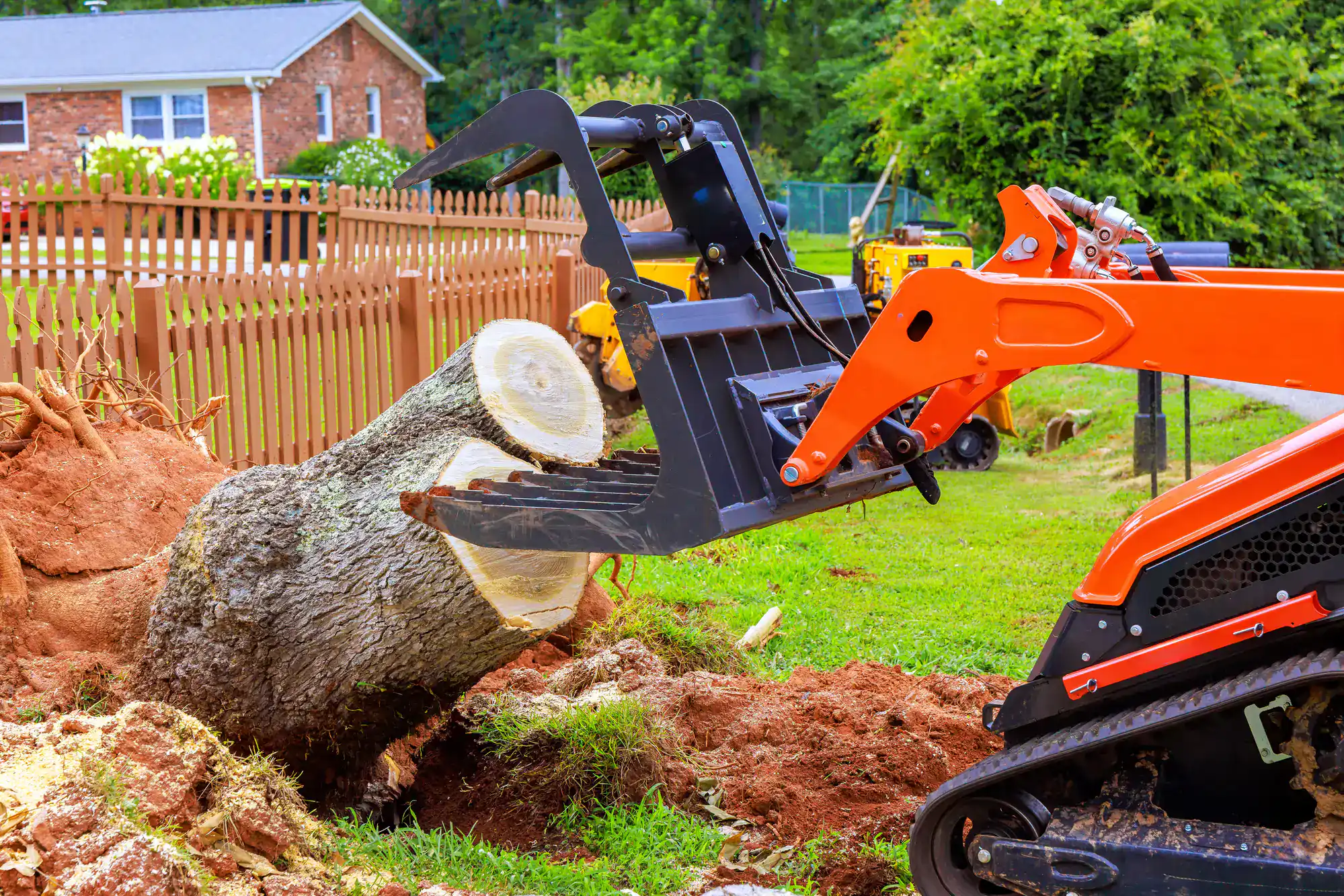
We aren’t a lawn mowing operation that picked up a few extra services. Our work is structural grading, leveling, drainage correction, lawn restoration, and full yard renovation handled by a team that knows how to read a property and fix what’s actually wrong with it. That distinction matters a lot when you’re dealing with the kind of terrain Smithtown produces.
From Kings Park to Fort Salonga to St. James, North Shore properties sit on rolling, rocky moraine ground that requires real landscape contracting expertise not just a crew with a mower and a bag of seed. We bring the equipment, the knowledge, and the accountability to handle projects that most companies in this market simply aren’t set up for.
Every project comes with a written contract, a clear scope of work, and a payment structure tied to milestones not a large upfront deposit that disappears. That’s not a bonus feature. That’s how professional landscape contracting should work, and it’s our standard.
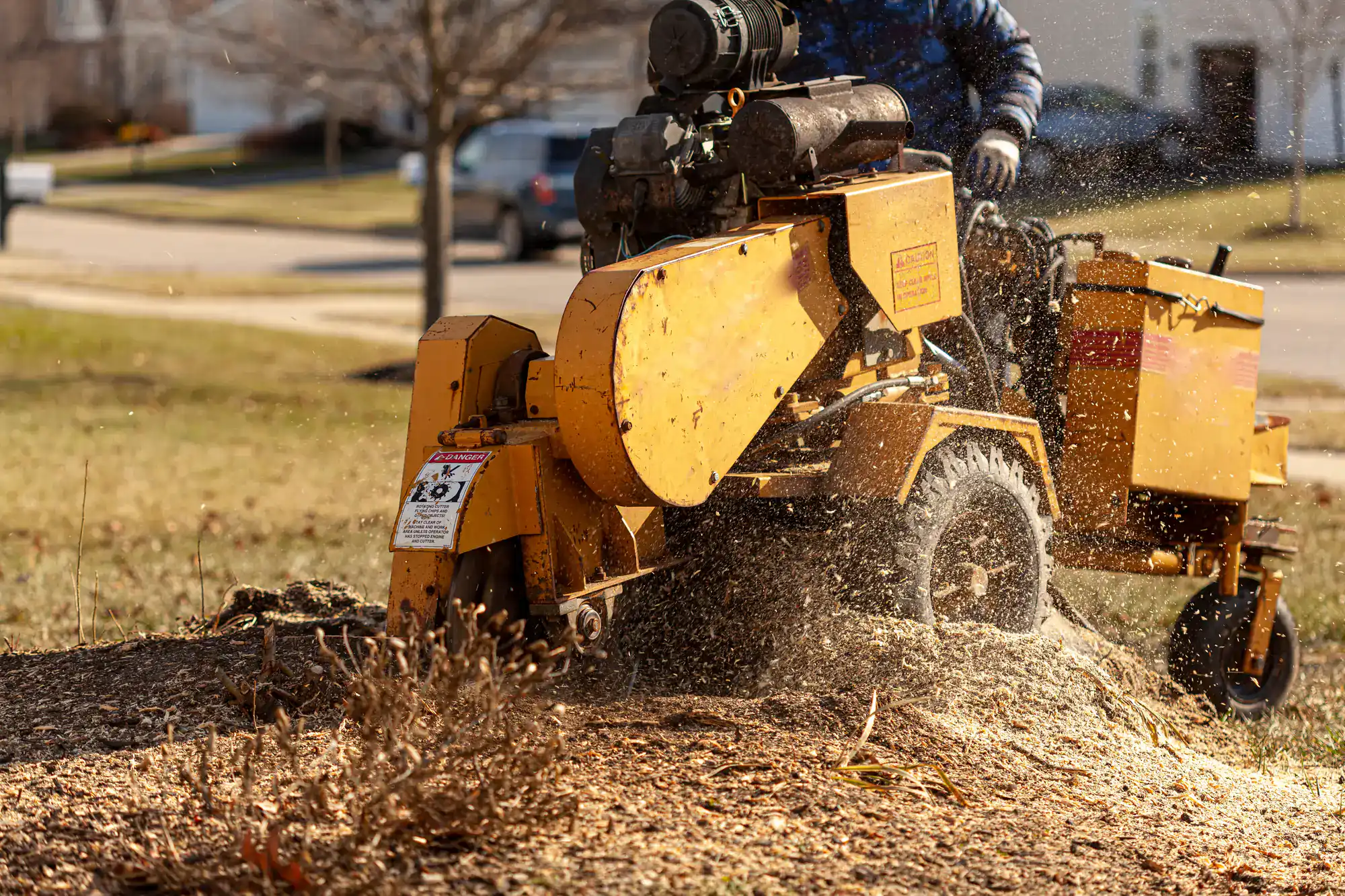
It starts with an honest assessment of what’s actually happening on your property. Before any equipment moves, we evaluate the grade, identify drainage patterns, and consider the soil composition because sandy loam near the Nissequogue River behaves completely differently than the rocky clay you’ll find on a hillside lot in Fort Salonga. We build the approach around your specific conditions, not a one-size-fits-all formula.
Once the scope is clear, grading and leveling work begins with the structural layer first. That means correcting the grade so water flows away from your home and toward appropriate drainage channels, compacting properly so the grade holds through winter freeze-thaw cycles, and preparing the soil so whatever comes next lawn restoration, hardscape, planting actually has a foundation worth building on. If your project requires an Excavation Affidavit under the Town of Smithtown’s Chapter 154 requirements, we handle that as part of the process, not pass it off to you as a surprise.
Lawn restoration and surface work follow once the grade is set. Soil amendment, seeding, and turf establishment are timed to the season fall is often ideal on the North Shore for seeding, but spring projects are absolutely viable with the right preparation. When the work is done, you’ll know exactly what was done and why, and the finished result will be visible in how the property drains, how the turf grows in, and how the space functions going forward.
Ready to get started?
The landscaping services we deliver in Smithtown cover the full range of what a property on the North Shore actually needs. Landscape grading and property leveling address the structural layer correcting uneven grades, eliminating low spots that collect water, and establishing proper drainage flow across the lot. This is the work that most lawn care companies can’t perform, and it’s often the work that makes everything else possible.
Lawn restoration services go beyond overseeding. They start with a soil assessment, address compaction and nutrient deficiencies specific to Smithtown’s variable soil profile, and establish turf that can hold up through the seasonal demands of Zone 7b including the freeze-thaw cycles that undo surface-level work every winter. Yard renovation services bring together grading, soil preparation, and landscape installation into a complete outdoor transformation, whether you’re starting from a rough, overgrown lot or rebuilding a yard that’s been neglected for years.
For Smithtown homeowners in communities like Nesconset, Hauppauge, or Commack where lot sizes and terrain vary considerably, we match the scope of work to what the property actually requires. No inflated proposals, no unnecessary add-ons. Just a clear plan, a realistic timeline, and results that hold up well past the first season.
In many cases, yes and it’s worth understanding before any work starts. The Town of Smithtown’s Chapter 154 governs excavation and regrading, and it requires compliance with Article III for projects on residential lots under two acres with existing homes where the elevation is changed by more than four feet, or where earth is affected within 10 feet of the property line. For applicable projects, an Excavation Affidavit is required through the Town of Smithtown’s Building Department at 23 Redwood Lane.
This isn’t something to navigate around it’s something to handle correctly from the start. Unpermitted grading work can create complications when you sell, trigger code enforcement issues, and leave you personally liable for any drainage problems that affect neighboring properties. We understand Smithtown’s specific municipal requirements, which means the permit process is part of the project plan, not a problem you discover after the fact.
If you’ve reseeded the same spots two or three times and they keep failing, the seed isn’t the problem. In Smithtown, the most common underlying causes are grade-related drainage issues, soil compaction, or a soil composition that simply can’t support healthy turf without amendment. The Harbor Hill Moraine creates a lot of variability across town some lots have sandy, nutrient-poor soil that drains too fast, others have dense clay-heavy ground that holds water and suffocates roots. Neither supports a healthy lawn without addressing what’s underneath first.
A proper lawn restoration starts with understanding what your soil is actually doing. That means evaluating drainage patterns, testing or assessing compaction, and amending the soil before anything gets seeded. Throwing more grass seed at a poorly graded, compacted, or nutrient-depleted yard is an expensive way to get the same result. Fix the foundation first, and the turf follows.
Smithtown’s position on the Harbor Hill Moraine means the terrain naturally slopes, shifts, and drains in complex ways that flat South Shore communities don’t deal with. The rolling, hilly landscape creates natural grade variation across lots, and when that grade isn’t directing water away from structures effectively, you end up with pooling, saturation, and in serious cases, hydrostatic pressure against your foundation walls. Properties near the Nissequogue River corridor face additional flood risk during heavy rain events this is documented enough that the town maintains an active Stream Team program specifically to manage sediment and water flow in residential areas.
The fix depends on what’s driving the problem. Some properties need the overall grade corrected so water flows toward the street or a designated drainage area. Others need targeted low-spot correction or French drain installation to manage subsurface water. In some cases, both are needed. A proper drainage assessment identifies which approach applies to your property before any work begins, so you’re not spending money on a solution that doesn’t match the actual problem.
For lawn restoration specifically, fall is generally the strongest window on the North Shore. Cooler temperatures, more consistent rainfall, and reduced weed pressure give newly seeded turf the best conditions to establish before winter. That said, spring projects are very workable with the right soil preparation and spring is when most Smithtown homeowners first notice the damage that freeze-thaw cycles did over winter, which makes it a natural time to assess and address grading and drainage issues before the problems compound through another wet season.
Grading and leveling work can proceed in most conditions outside of frozen ground, so late fall and even mild winter periods are often viable for structural landscape work. If anything, scheduling in the off-season typically means faster availability and a project start date that puts you ahead of the spring rush. Smithtown is a high-demand market for professional landscaping services, and the contractors who do this work correctly fill up quickly once the season opens.
Cost varies considerably based on the scope of the project, the size of the lot, and what the property actually needs. A targeted grading correction on a smaller area of a residential lot is a different scope than a full yard renovation that includes regrading, drainage correction, soil amendment, and lawn restoration across the entire property. In Smithtown, where lot sizes, terrain complexity, and soil conditions vary significantly from a flat Nesconset property to a sloped Fort Salonga hillside, the site conditions alone can shift the scope of work substantially.
What’s worth keeping in mind is the return side of that investment. Smithtown home prices reached a median of $940,000 in June 2025, up 36% year over year. Professional landscape grading and renovation typically adds 5% to 12% in property value on a $940,000 home, that’s $47,000 to $113,000 in added equity. A detailed written quote based on a real assessment of your property is the only honest way to give you a number, and that’s exactly how we start the process.
This distinction comes up constantly in Smithtown, and it matters more here than in a lot of other markets. A lawn care company handles surface-level maintenance mowing, trimming, fertilizing, basic cleanup. A landscape contractor handles structural work: grading the land, correcting drainage, leveling uneven terrain, restoring damaged turf from the soil up, and renovating outdoor spaces that require real equipment and real expertise to transform. These are fundamentally different scopes of work, and most lawn care companies aren’t equipped for the structural side.
In a town built on glacially deposited moraine terrain with documented drainage challenges near the Nissequogue River, a lot of the problems Smithtown homeowners face are structural not surface. If you’ve called around and been told “we just do maintenance,” that’s not the company for what your property actually needs. We operate as a landscape contractor, which means the work starts at the grade level and builds up from there, not the other way around.