
Hear from Our Customers
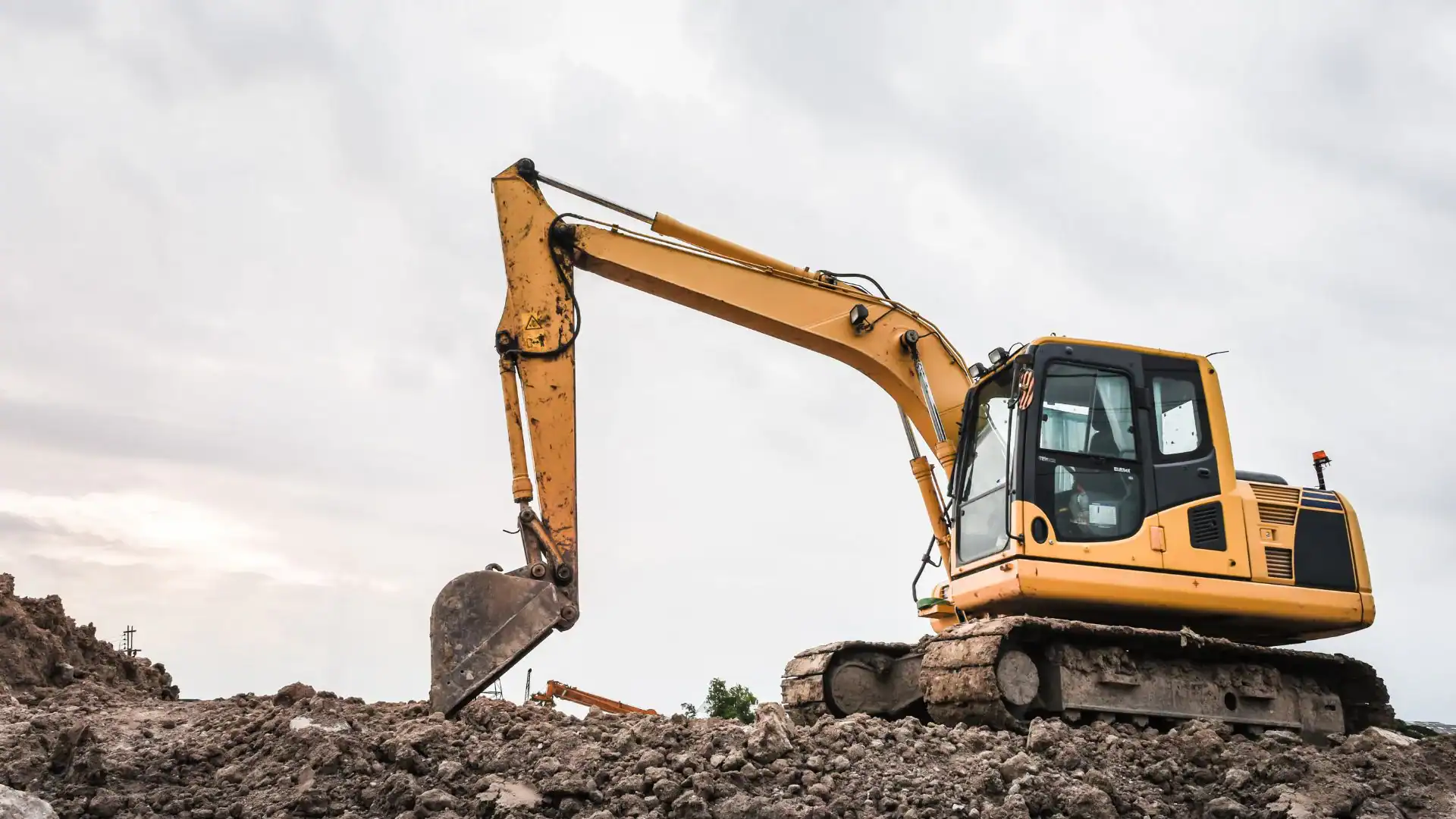
Smithtown has flooded. Not in a vague, “it happens everywhere” kind of way the town took roughly 10 inches of rain in a single storm event, and Suffolk County homeowners were left dealing with the aftermath long after the water receded. When your excavation and grading work is done right, that kind of event doesn’t reach your foundation. When it’s done carelessly, you find out the hard way.
The North Shore’s glacial moraine terrain means Smithtown properties don’t behave like flat South Shore lots. You’ve got rolling grades, clay pockets that hold water, and sandy areas near the shoreline where the water table sits closer to the surface than most people realize. A contractor who treats your Kings Park site the same way they’d treat a Nesconset lot isn’t paying attention and that gap in attention shows up in your drainage, your foundation performance, and your long-term property value.
Getting excavation right here means more than moving dirt. It means grading toward real drainage outcomes, accounting for soil conditions before the machine shows up, and finishing the job in a way that holds up through the next storm season and the one after that.
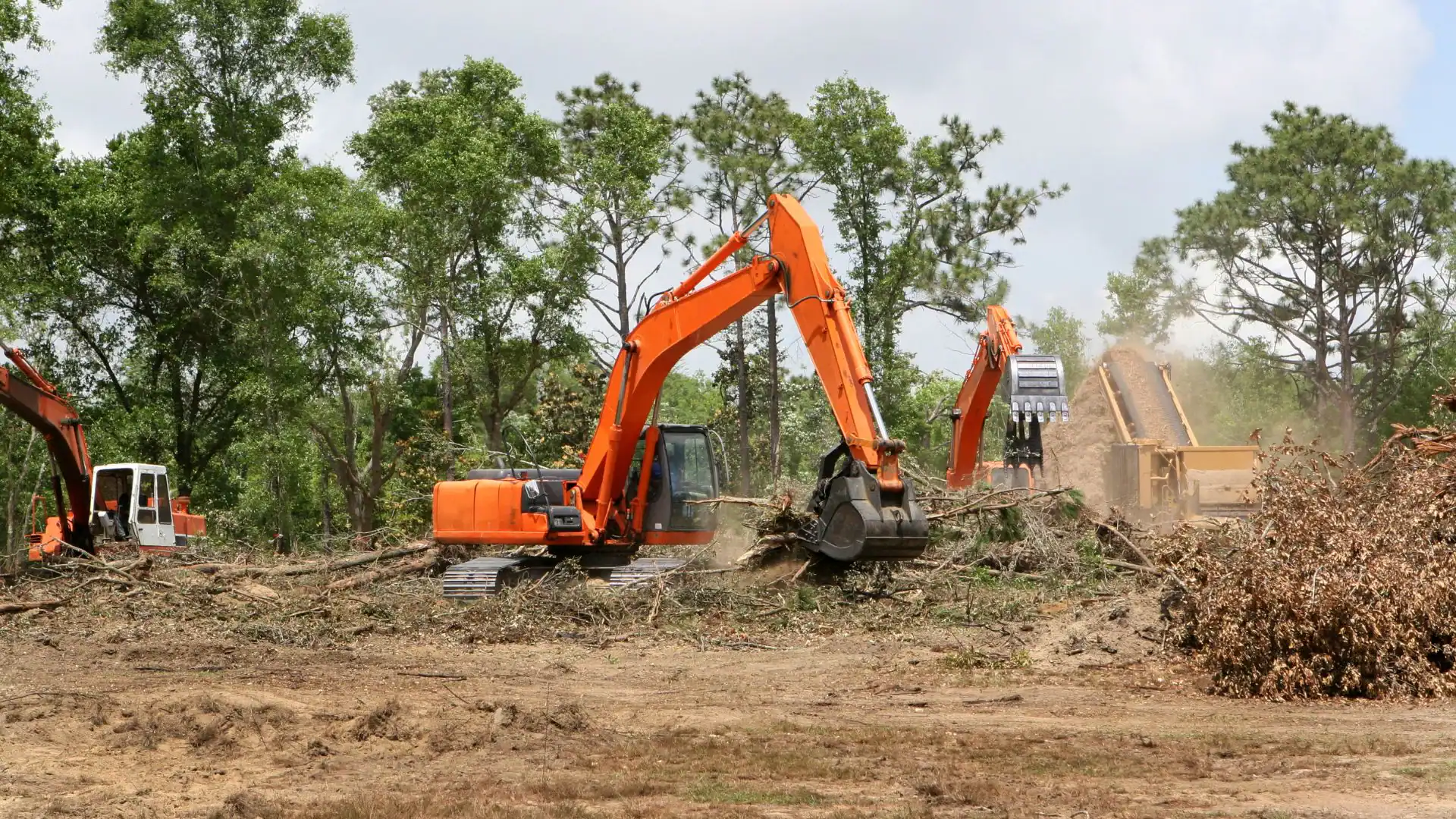
We’re a full-service excavation contractor serving Smithtown, NY and the surrounding Suffolk County area. That means land clearing, bulk excavation, cut and fill, spoil removal, grading, and site cleanup all under one contract, with one team accountable from first dig to final grade. No coordinating between separate operators. No pointing fingers when something’s off.
We work across Smithtown’s hamlets from commercial site prep in the Hauppauge corridor near the Long Island Innovation Park to residential foundation work in Kings Park, St. James, and Nesconset. The town’s mix of established residential lots, infill rebuilds, and active commercial development in the Hauppauge Industrial Park area is exactly the kind of varied market we’re built for.
What you get is a contractor who shows up prepared, communicates clearly, and finishes what they started without the runaround.

It starts before anything gets dug. The Town of Smithtown has its own excavation and regrading code Chapter 154 which requires permits and Town Engineer review for most meaningful excavation work on residential and commercial properties. If you’re not aware of that going in, you risk a stop-work order before the job gets off the ground. We walk through permit requirements with you upfront, advise on what the application involves, and make sure the project is set up correctly before mobilization.
Once permits are in order, we assess the site soil conditions, access constraints, underground utilities, neighboring property lines, and any drainage considerations that need to be built into the grading plan. On established Smithtown residential lots, that often means navigating mature trees, tight driveway access, and neighboring homes that are closer than they look. We scope all of that before we quote, so what’s in the written estimate is what you pay.
From there, excavation proceeds in a clear sequence: clearing, bulk excavation to the required depth including the 36-inch frost depth required under New York State Building Code for all structural footings cut and fill as needed, spoil removal, and finish grading to Town of Smithtown standards, which require a minimum six-inch topsoil surface layer at completion. You get a clean site, proper drainage slope, and no surprises on the invoice.
Ready to get started?
We handle both residential and commercial excavation in Smithtown, NY, and the scope of each project determines what’s included not a preset package that may or may not fit your actual site.
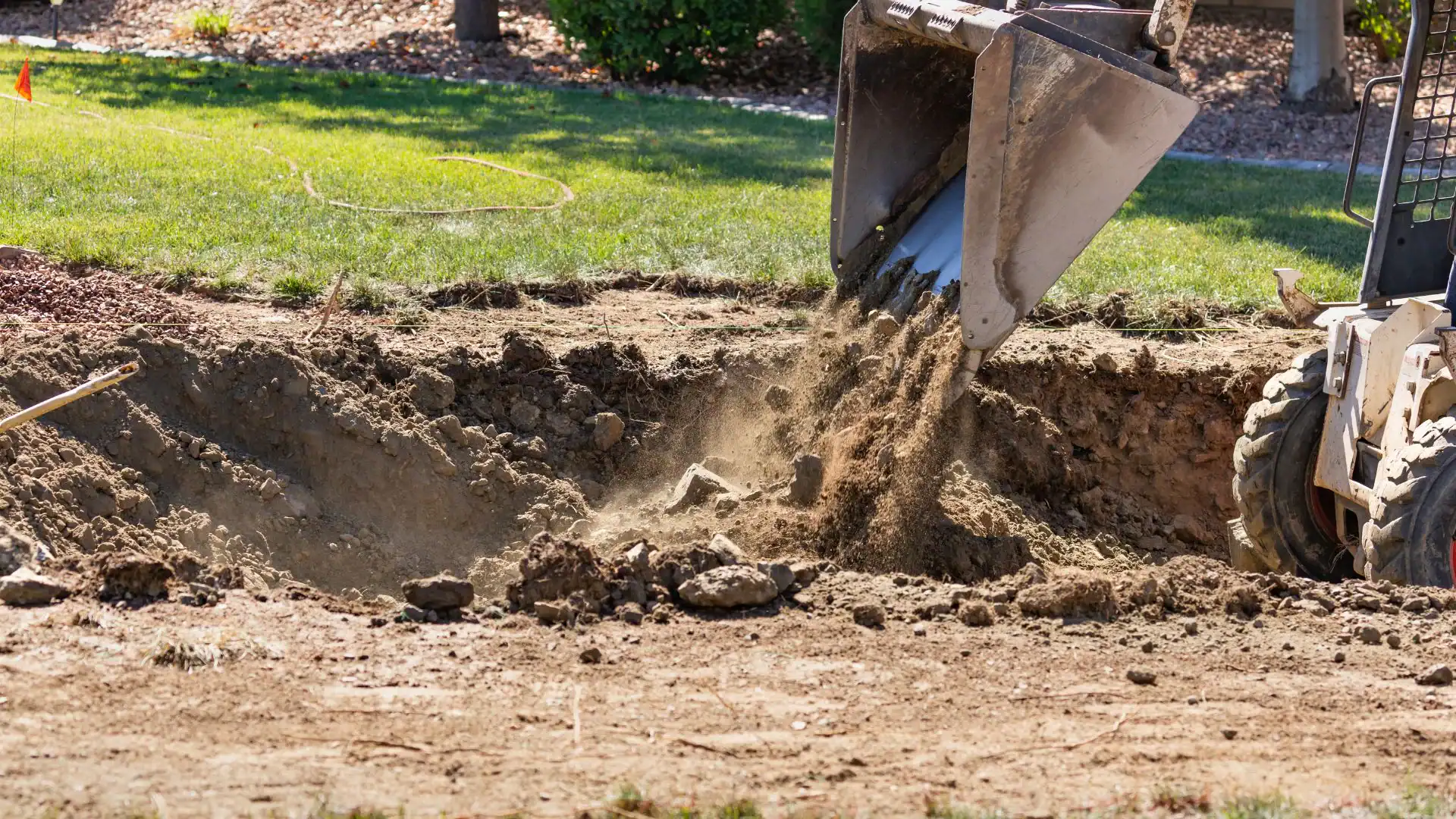
On the residential side, that typically covers foundation excavation, pool excavation, drainage grading, retaining wall prep, land clearing for additions or rebuilds, and dig and haul services for established lots where spoil removal is the only practical option. Smithtown’s mid-century to late-20th-century housing stock means most residential projects happen on lots with mature landscaping, existing underground services, and close-set neighbors all of which factor into how we approach access, equipment selection, and site protection during the job.
On the commercial side, we serve the Hauppauge Industrial Park corridor and surrounding commercial areas with site preparation, utility trenching, bulk earthworks, and grading for new construction and facility improvements. The Long Island Innovation Park at Hauppauge the second-largest industrial park in the country generates consistent commercial excavation demand, and we’re equipped to meet it with the licensing, insurance, and project management discipline that commercial clients require. Whether it’s a single-family lot in the Smithtown Central School District catchment or a commercial pad in the Hauppauge corridor, the standard is the same: scoped correctly, permitted properly, and finished to grade.
In most cases, yes. The Town of Smithtown has a dedicated municipal code Chapter 154: Excavations and Regrading that governs all excavation and regrading activity within the town’s boundaries. Under this code, no regrading, extraction, or excavating is permitted without either a town-issued permit or an approved site plan. The permit process requires submitting a detailed sketch of the proposed work to the Town Engineer, and the finished project must meet specific standards including a minimum six-inch topsoil surface layer after excavation is complete.
This isn’t a formality you can skip and hope no one notices. Stop-work orders are a real outcome for unpermitted excavation in Smithtown, and resolving them after the fact costs more in time and money than getting it right from the start. If you’re not sure whether your project triggers a permit requirement, that’s exactly the kind of question we work through with clients before anything gets scheduled.
Excavation costs in Smithtown vary based on project scope, site conditions, and what the job actually requires and anyone who gives you a number before seeing the site is guessing. That said, here’s what drives the range: soil type, excavation depth, access constraints, spoil volume, and whether dewatering is needed. On established Smithtown residential lots, you’re often dealing with compacted clay in inland areas like Nesconset or sandy, high-water-table conditions near the North Shore, both of which affect equipment requirements and labor time.
For a straightforward residential foundation excavation, you’re generally looking at a few thousand dollars on the lower end, scaling up significantly for larger footprints, deeper digs, or sites with difficult access. Commercial work in the Hauppauge corridor is scoped on a project-by-project basis. What matters most isn’t the opening number it’s whether that number holds when the job is done. We provide detailed written quotes that clearly define what’s included so the final invoice doesn’t come as a surprise.
More than most homeowners expect. Smithtown sits on Long Island’s North Shore glacial moraine, which means the soil profile isn’t uniform across the town. Inland areas Nesconset, parts of Commack, and sections of the Smithtown hamlet often have compacted clay deposits that require more powerful equipment and careful technique to excavate cleanly. Areas closer to the North Shore waterfront, including properties near Nissequogue and Head of the Harbor, tend to have sandier soil with water tables that sit higher than you’d want when you’re digging a foundation or utility trench.
Kings Park’s bluff terrain adds a slope dynamic that affects both excavation approach and sidewall stability the Town’s own code requires sidewalls to maintain a naturally stabilized slope not exceeding one vertical on two horizontal, which matters on steeper sites. A contractor who doesn’t account for these variations before mobilizing is setting you up for unexpected conditions mid-job. We assess soil conditions as part of the scoping process so the plan reflects what’s actually in the ground.
Under the New York State Building Code, all structural footings and utility trenches in Suffolk County must be excavated to a minimum depth of 36 inches that’s three feet below finished grade. This is the frost depth standard for the region, and it exists because footings or pipes installed above that depth are vulnerable to frost heave during Smithtown’s cold winters, which can cause cracking, shifting, and structural failure over time.
This requirement applies to foundation excavation, retaining wall footings, and any buried utility work that falls within the scope of the building code. It’s not optional, and it’s not something that can be corrected cheaply after the fact if it’s done wrong the first time. Every structural excavation we complete in Smithtown is executed to the required frost depth not because it’s on a checklist, but because it’s the difference between a foundation that performs and one that doesn’t.
Yes, and it’s one of the more common requests we get in Smithtown’s established neighborhoods. Most residential lots in the Smithtown Central School District catchment and across hamlets like St. James, Kings Park, and Nesconset were developed decades ago, which means mature landscaping, narrow driveways, and neighbors whose property lines are closer than the lot looks on paper. There’s simply no room to stage spoil on site, and in most cases the Town’s finish grading requirements mean you’re not backfilling with excavated material anyway.
Our dig and haul services cover the full removal process: excavating the required volume, loading it efficiently, and transporting it off site to appropriate disposal or reuse destinations. We coordinate access carefully on tight lots selecting equipment that fits the site rather than forcing a machine that doesn’t and we leave the site clean at the end of the job. If your lot has specific access challenges, that’s something we assess during the site visit before any work is scoped or priced.
It’s one of the most important factors to get right, and one of the most commonly overlooked. Smithtown has documented severe flooding the town experienced approximately 10 inches of rainfall in a single storm event, resulting in property damage, rescues, and a federal disaster assistance declaration for Suffolk County homeowners. That’s not a freak occurrence. It reflects the drainage reality of a community built on glacially deposited soils with variable permeability and a water table that responds quickly to heavy rainfall.
When grading is done correctly, water moves away from your foundation and toward appropriate discharge points. When it’s done carelessly or when the excavation disturbs existing drainage patterns without accounting for where the water goes next you end up worse off than before the project started. Every grading decision we make on a Smithtown site is evaluated against real drainage outcomes, not just surface appearance. That includes finish slope, discharge routing, and compliance with the Town’s grading standards under Chapter 154. Getting this right matters more in Smithtown than in a lot of other places on Long Island.