
Hear from Our Customers
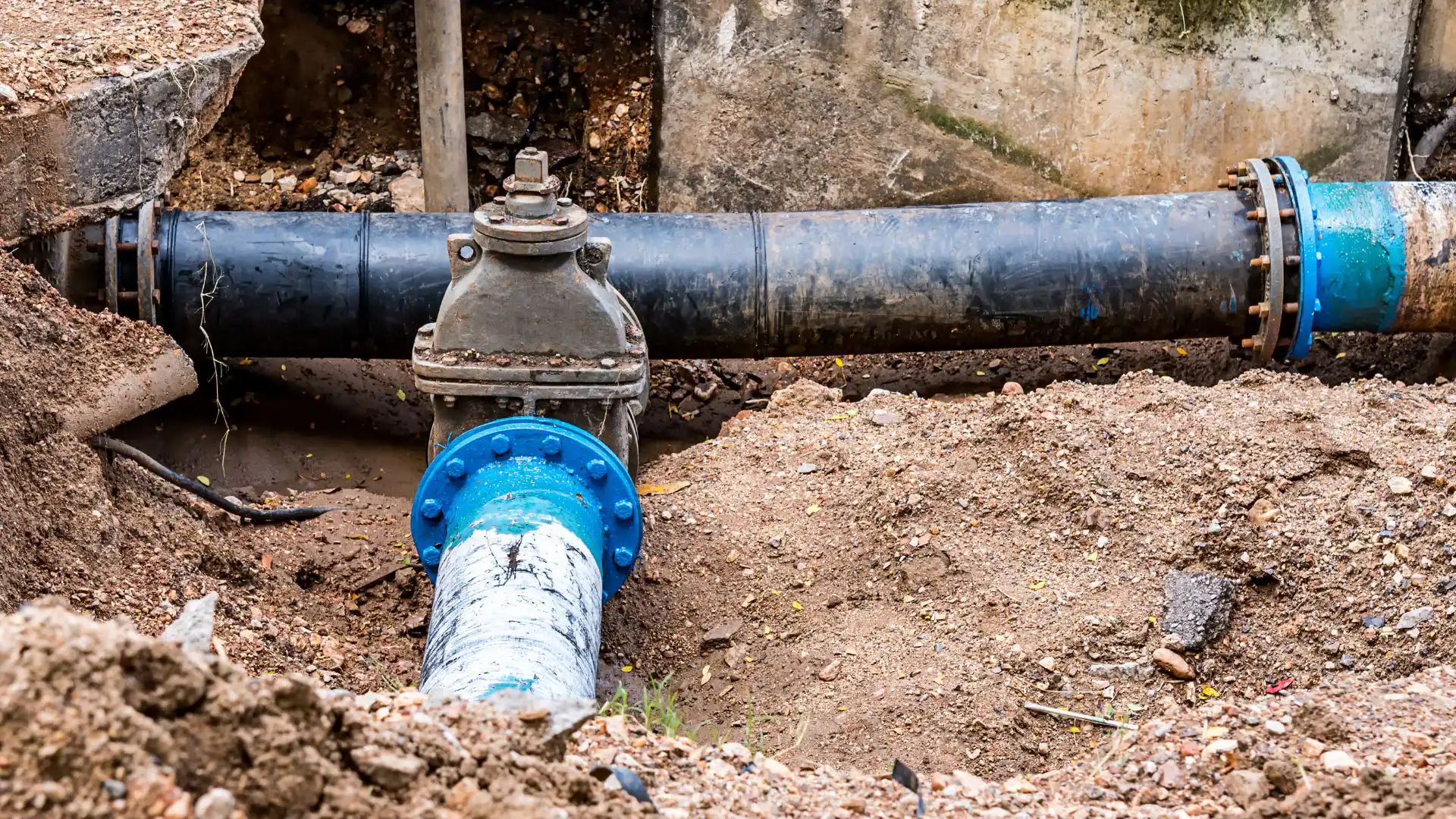
Most West Bay Shore homes were built in the 1950s and 1960s. The drainage systems that came with them if they came with any at all were designed for a different era of storms and a different set of standards. Sixty-plus years later, those systems are silted up, undersized, or simply gone. Meanwhile, the storms haven’t gotten lighter.
When yard drainage fails in West Bay Shore, the consequences move fast. Water that pools near the foundation of a ranch or hi-ranch home doesn’t have far to travel before it becomes a structural problem. These home styles sit close to grade, which means there’s very little margin between standing water in your yard and moisture intrusion at your foundation wall. The average foundation repair runs $23,000 to $48,000. A properly installed drainage system costs a fraction of that.
There’s also the water table to consider. West Bay Shore sits on the South Shore’s glacial outwash plain, directly north of the Great South Bay. The water table here is high and rises quickly during storm events even sandy soil reaches its limit. A drainage system that doesn’t account for this will work fine in light rain and fail when you actually need it. That’s the difference between a system designed for West Bay Shore and one that’s generic.
We serve South Shore Suffolk County homeowners, and West Bay Shore is one of the communities we know best. That means understanding how the Great South Bay influences local flooding patterns, how the Town of Islip’s permitting process works, and what it actually takes to drain a 1950s ranch on a lot where the water table is closer to the surface than most contractors realize.
We’re not a national franchise and we’re not a plumbing company that added drainage to the service list. Landscape drainage is what we do, and we approach it as a full water-flow problem not just a pipe problem. That means diagnosing where the water is coming from, mapping where it needs to go, and designing a system that handles the load when a nor’easter rolls through, not just when it drizzles.
Every project comes with a written quote, a clear scope of work, and a workmanship warranty. You’ll know exactly what’s being installed, why it’s the right solution for your property, and what happens if it doesn’t perform.
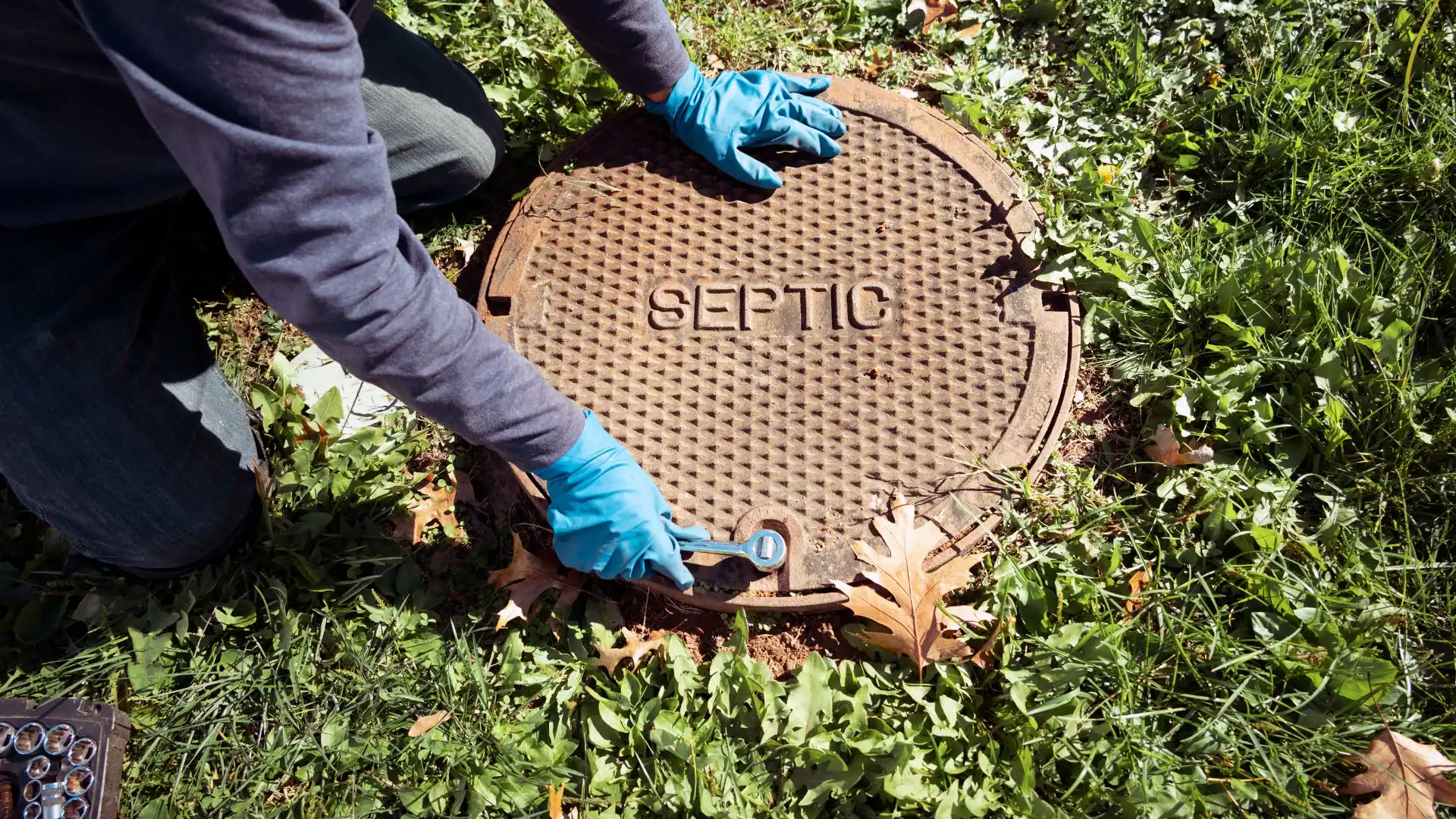
It starts with a site assessment. Before anything gets designed or quoted, we walk the property and map the full water-flow picture where water is entering, how it’s moving across the yard, where it’s pooling, and what’s downstream. For West Bay Shore properties, this includes evaluating the water table depth, the slope and grade of the lot, and whether the existing drainage infrastructure (if any) is salvageable or needs to be replaced entirely.
From there, we design a system that fits the actual problem. That might mean a French drain running along the foundation, a network of catch basins tied into a discharge line, a dry well system, or a combination. The design accounts for peak storm load not average rainfall. If your home is near the southern end of West Bay Shore and sits closer to the bay, we factor in the compounding effect of storm surge and elevated water table. The system is sized to work when conditions are worst, not just when they’re manageable.
If the project requires a permit through the Town of Islip, we handle that as part of the process. Once work begins, our crew installs the system and restores the yard disturbed turf replaced, soil graded, the property left in clean condition. When we’re done, the drainage is in place and your yard looks like a job was completed, not like a job was started and abandoned.
Ready to get started?
Drainage installation in West Bay Shore isn’t one-size-fits-all, and it shouldn’t be quoted that way. The service starts with a genuine site assessment not a five-minute walkthrough followed by a generic proposal, but a real evaluation of your specific yard, your home’s grading, your soil conditions, and the water sources affecting your property. Ranch and hi-ranch homes in West Bay Shore have particular vulnerabilities at the foundation level, and that’s factored into every design we produce.
Depending on what the property needs, the work can include French drain installation, catch basin placement, dry well systems, downspout rerouting, surface grading corrections, and connection to appropriate discharge points that comply with Suffolk County’s stormwater ordinance. We don’t redirect water onto neighboring properties or into the street those aren’t solutions, and in Suffolk County, they’re also code violations. Every system we design includes a legal, functional discharge endpoint.
The project also includes full yard restoration after installation. In a community where homeowners have invested significantly in their properties and where the median home value exceeds $613,000 leaving a torn-up yard behind isn’t acceptable. Disturbed areas are restored, topsoil is graded, and the property is returned to presentable condition before we leave. You’re not hiring a crew to dig a trench. You’re hiring a crew to solve a water problem and leave your yard better than they found it.
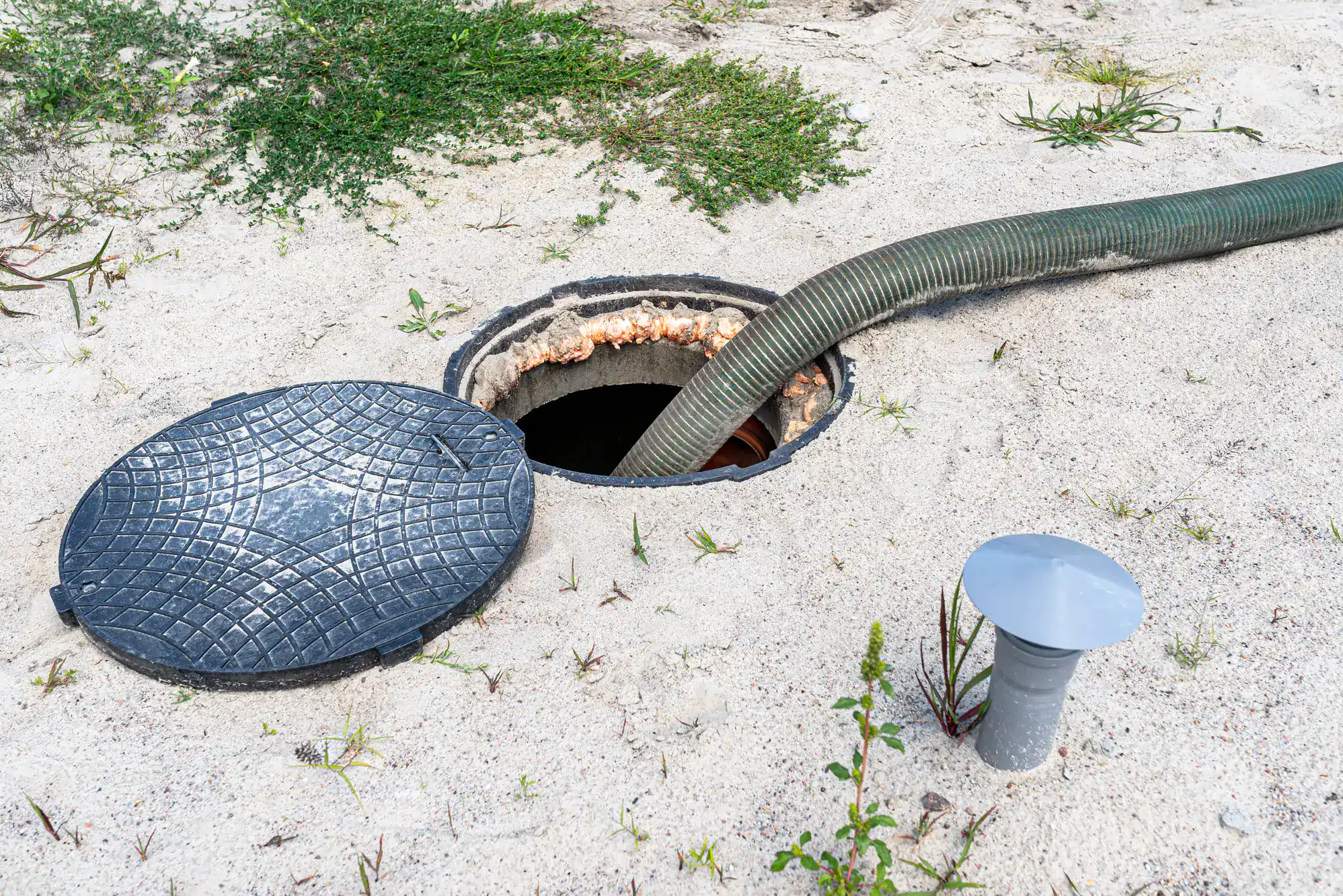
It depends on the scope of work, but for most drainage installations in West Bay Shore, a permit through the Town of Islip is required particularly when the project involves excavation, grading changes, or connection to any stormwater infrastructure. Suffolk County also has stormwater ordinances that govern how drainage systems can discharge, and those rules apply regardless of whether a permit is pulled. Skipping the permit process doesn’t make those requirements go away; it just means the homeowner carries the legal and financial exposure if something goes wrong.
When you hire us, permitting is handled as part of the project. We know the Town of Islip’s process, we know what triggers a permit requirement, and we design systems that comply with Suffolk County’s MS4 regulations. You don’t have to navigate that yourself but you should know that any contractor who tells you permits aren’t necessary for significant drainage work is either misinformed or cutting corners.
Sandy soil drains faster than clay under normal conditions, but West Bay Shore sits on the South Shore’s glacial outwash plain with a water table that’s close to the surface and that changes the equation entirely. When the water table rises during a storm event or a sustained wet period, the soil loses its ability to absorb additional water. It’s already full. Surface water has nowhere to go, and pooling happens even on properties that drain fine during light rain.
This is one of the most common misunderstandings West Bay Shore homeowners have about South Shore drainage. The soil isn’t the problem the water table is. A drainage system that terminates at a depth already below the water table won’t function. The system has to be designed with this in mind, which means understanding the local groundwater conditions before anything gets installed. That’s not something a generic contractor from outside the area is likely to account for.
Ranch homes are particularly vulnerable to drainage problems because they sit close to grade there’s very little vertical distance between the finished floor and the soil outside. Water that pools near the foundation doesn’t have to travel far before it becomes an interior moisture problem or, eventually, a structural one. The most common and effective solution for ranch homes is a combination of perimeter French drains along the foundation, catch basins in low-lying areas of the yard, and properly graded surface drainage that directs water away from the house before it can accumulate.
Hi-ranch homes have an additional challenge: the lower level is partially below grade, which means window wells, below-grade entry doors, and foundation walls are all potential water intrusion points when yard drainage fails. For these homes, the drainage design has to address both the surface water and the below-grade exposure. In West Bay Shore, where ranch and hi-ranch styles dominate the housing stock, this is the kind of assessment that comes up on nearly every project we do.
The range is wide because the scope of work varies significantly from property to property. A straightforward French drain installation on a smaller lot might run $3,000 to $5,000. A more comprehensive system multiple catch basins, a dry well, surface grading corrections, and full yard restoration on a larger West Bay Shore lot can run $7,000 to $12,000 or more. The only way to get an accurate number is a site assessment, because the cost depends on what the property actually needs, not what a standard package includes.
What’s worth keeping in mind is the cost comparison. Foundation repairs from water intrusion average $23,000 to $48,000. A single basement flooding event can cause $10,000 to $26,000 in damage. For a home worth over $600,000 in a community with $10,000-a-year property taxes, a drainage system isn’t a luxury line item it’s the most straightforward form of property protection available. Every written quote from us breaks down exactly what’s included so you know what you’re paying for before work begins.
In most cases, yes and it’s often the most effective first step before any interior waterproofing is considered. The majority of basement and foundation water intrusion in homes like the ones throughout West Bay Shore isn’t coming through the walls because the walls failed. It’s coming through because water is allowed to accumulate against the foundation for extended periods, building hydrostatic pressure until it finds a path inside. Address the exterior drainage and you eliminate the pressure source.
Interior waterproofing systems sump pumps, interior drain tile manage water after it’s already inside the foundation envelope. Exterior drainage prevents it from getting there in the first place. For a 1950s or 1960s ranch or hi-ranch where the original grading has shifted over decades and the original drainage infrastructure (if any) has aged out, exterior drainage remediation is almost always the right starting point. It’s less invasive, less expensive, and it solves the actual problem rather than managing the symptom.
This is more common than most homeowners realize, and it’s one of the most frustrating situations to be in. The most frequent failure modes we see when a previous drainage installation didn’t hold up are: the system was undersized for the actual water volume the property receives during a serious storm; the pipe was installed without adequate slope and water sits stagnant instead of flowing to the discharge point; no geotextile fabric was used and the pipe silted up within a season or two; or the contractor addressed where water was pooling without tracing it back to the actual source.
On the South Shore, there’s an additional factor that catches contractors off guard the water table. A system designed without accounting for local groundwater conditions can function perfectly in dry months and fail completely when the table rises during a nor’easter. If you’ve been through a drainage installation that didn’t solve the problem, we offer honest second assessments. We’ll evaluate what was installed, identify where it fell short, and give you a clear picture of what a properly designed system for your specific West Bay Shore property would look like.