
Hear from Our Customers
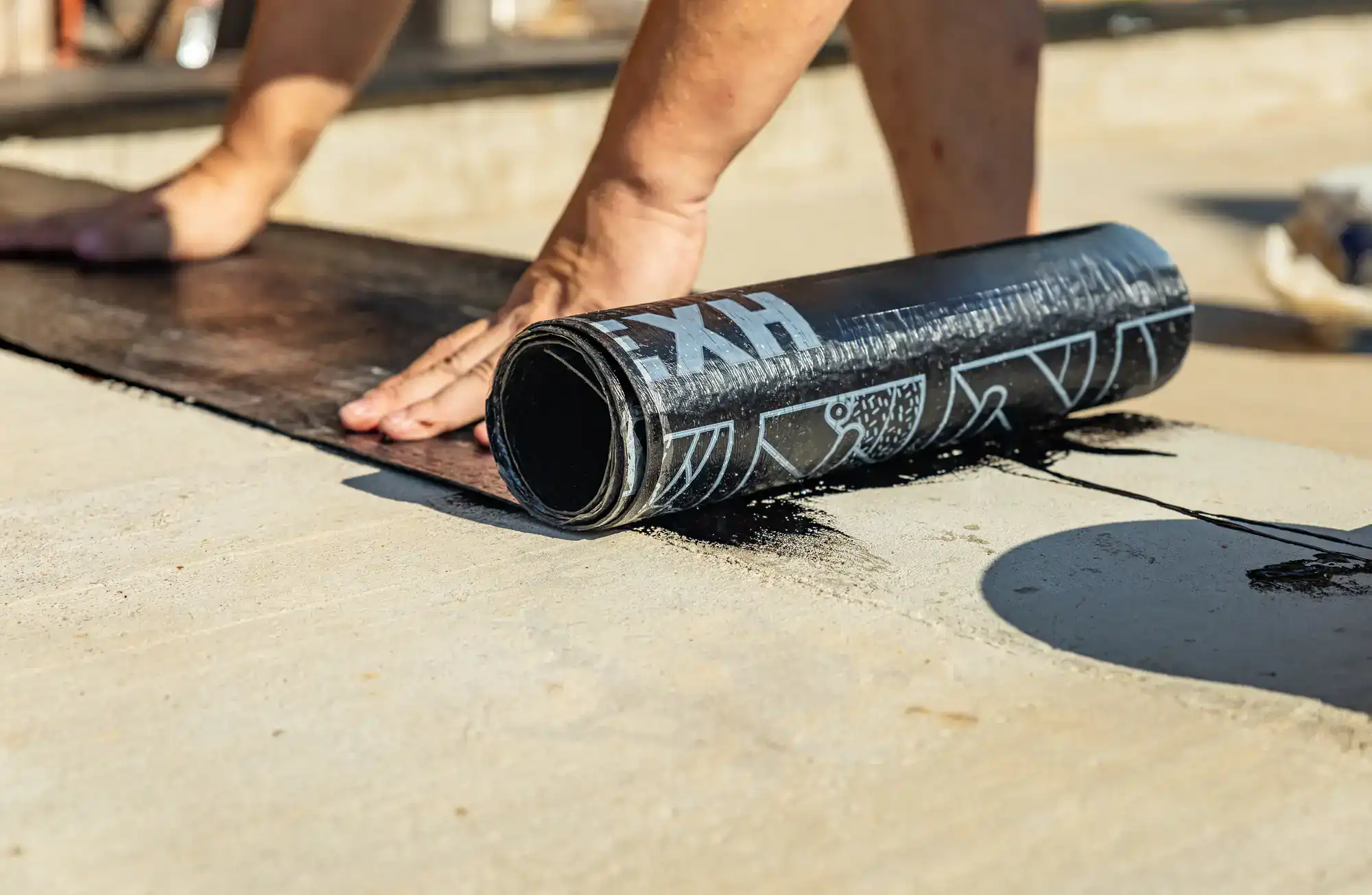
A wet basement in West Bay Shore isn’t just inconvenient it’s a problem that compounds. Moisture that gets in through a foundation wall or floor crack doesn’t dry out and disappear. It creates the humidity that feeds mold, weakens the structure over time, and turns usable square footage into a space you avoid. In a home worth $675,000 or more, that’s not a small thing.
What changes after the work is done is straightforward. The space stays dry regardless of what the weather or the water table is doing outside. You stop watching the floor drain after every heavy rain. You stop moving things off the basement floor every time a storm rolls in off the bay. That space becomes reliable again.
The homes in West Bay Shore most of them built between the 1940s and 1960s were never designed with today’s groundwater pressures in mind. Decades of freeze-thaw cycles, tidal influence from Great South Bay, and South Shore storm seasons have done real work on those foundations. A properly installed waterproofing system addresses what’s actually happening beneath your home, not just what’s visible on the surface.
We work on Long Island homes the real ones, the older ones, the ones that have been sitting on sandy South Shore soil for 60 or 70 years with foundations that were never waterproofed to begin with. That’s the kind of work we do, and it’s the kind of home most of West Bay Shore is made of.
This isn’t a franchise operation running the same script in every town. When we look at a foundation in West Bay Shore whether it’s a concrete block home off Montauk Highway or a poured concrete ranch a few blocks from the bay we’re looking at it with the context of what South Shore soil, South Shore storms, and South Shore groundwater actually do to a structure over time.
We carry the licensing and insurance required for work in the Town of Islip and Suffolk County, and we start every job with a real inspection not a phone quote and a sales pitch.
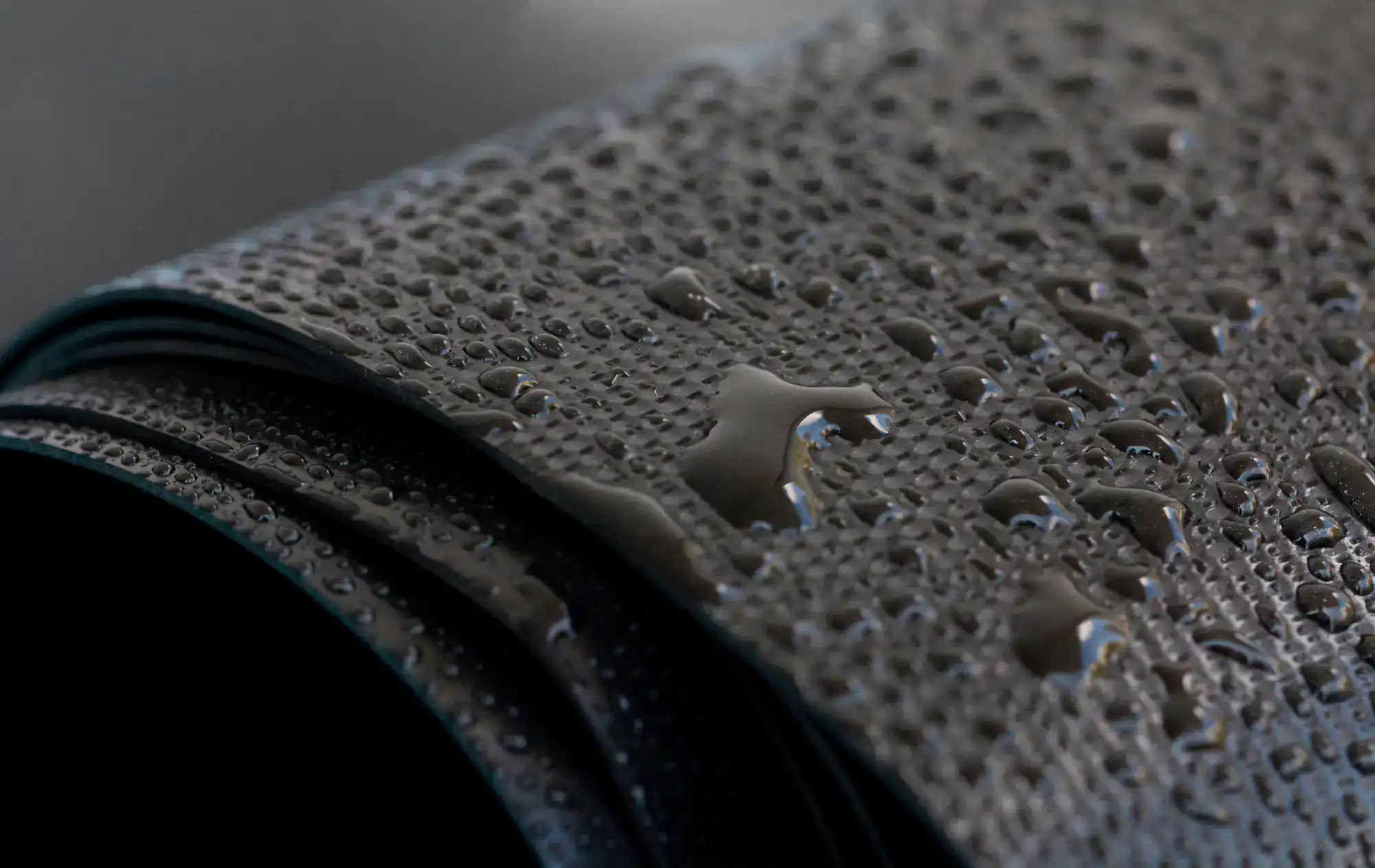
It starts with an in-home inspection interior and exterior both. We look at the foundation walls, the floor, the grading around your home, the condition of any existing drainage, and where water is actually entering. That diagnosis shapes everything that comes after. There’s no standard package we’re trying to fit your home into.
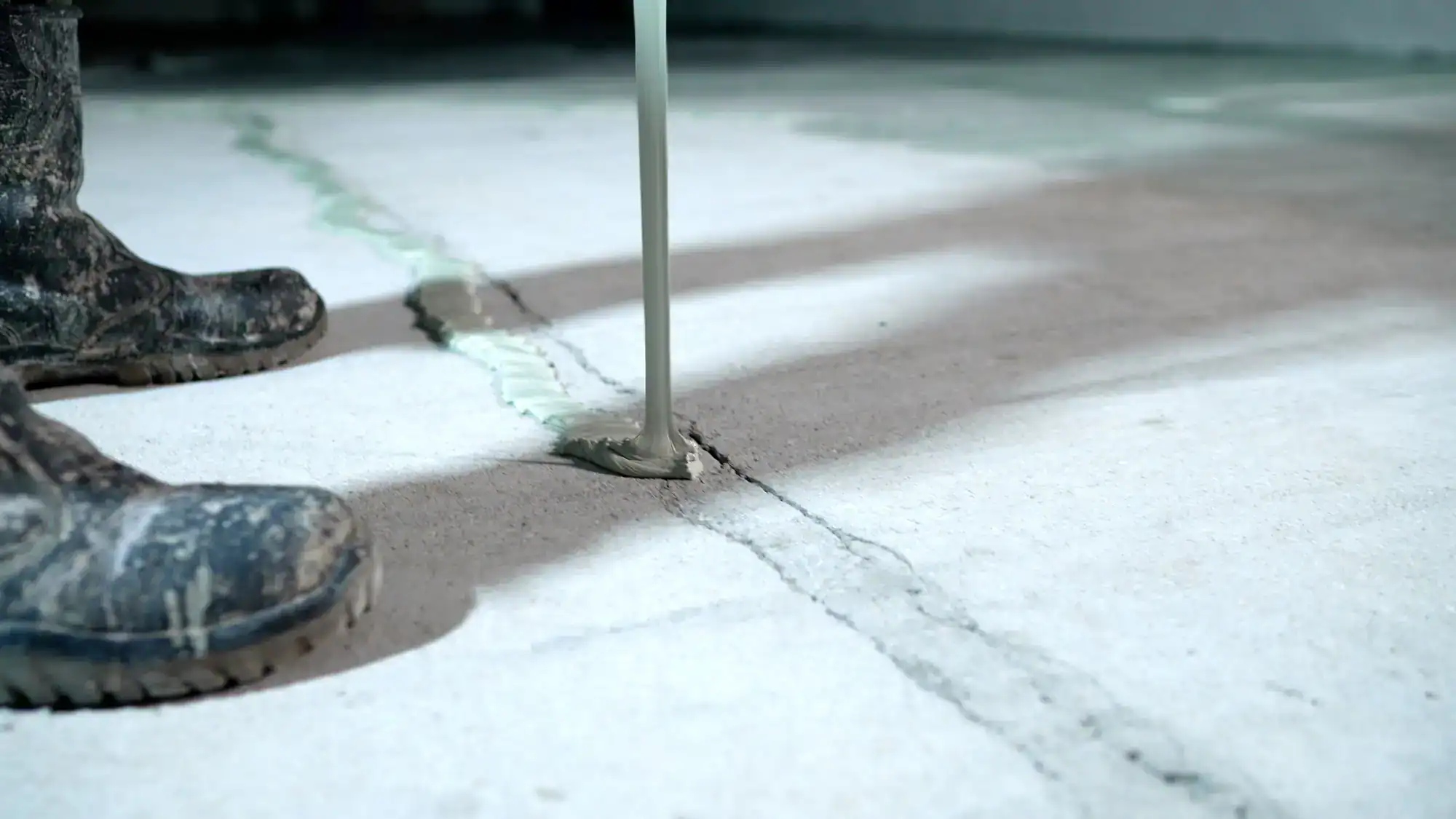
Depending on what we find, the solution might be interior drainage channels installed along the perimeter of the basement floor, a sump pump system sized for the groundwater volume your home deals with, foundation crack sealing using epoxy or polyurethane injection, or some combination of all three. For homes in West Bay Shore, sump pump sizing matters more than most people realize the shallow water table and proximity to the bay mean a pump that’s adequate for an inland home can be undersized here. We account for that.
If the work involves structural modifications breaking the concrete floor to install a drainage system, for example we’ll walk you through what permits may be required through the Town of Islip Building Department before anything starts. No surprises. You’ll know what the job involves, what it costs, and what the warranty covers before we begin.
Ready to get started?
Basement waterproofing in West Bay Shore covers a range of work depending on what your foundation actually needs. Foundation crack sealing addresses cracks in poured concrete walls using injected epoxy or polyurethane that bonds from the inside out stopping water entry and preventing the freeze-thaw widening that turns a hairline crack into a structural problem over a few Long Island winters. Sump pump installation gives your basement an active drainage defense, with battery backup systems that keep running when South Shore storms knock out the power. Interior drainage systems manage water at the perimeter of the foundation before it reaches the floor, redirecting it to the sump pit and out of your home.
For homes in West Bay Shore close to the bay, we also look at exterior grading and downspout discharge as contributing factors because what’s happening at the surface affects what’s happening at the foundation.
Costs vary based on the scope of work. Foundation crack sealing typically runs $800–$1,500 per crack. Sump pump installation generally falls between $600 and $1,900. A full interior waterproofing system for a standard basement runs in the range of $8,000–$15,000 depending on the size and condition of the space. We provide written estimates before any work begins, and our warranties are documented and transferable which matters when it’s time to sell.
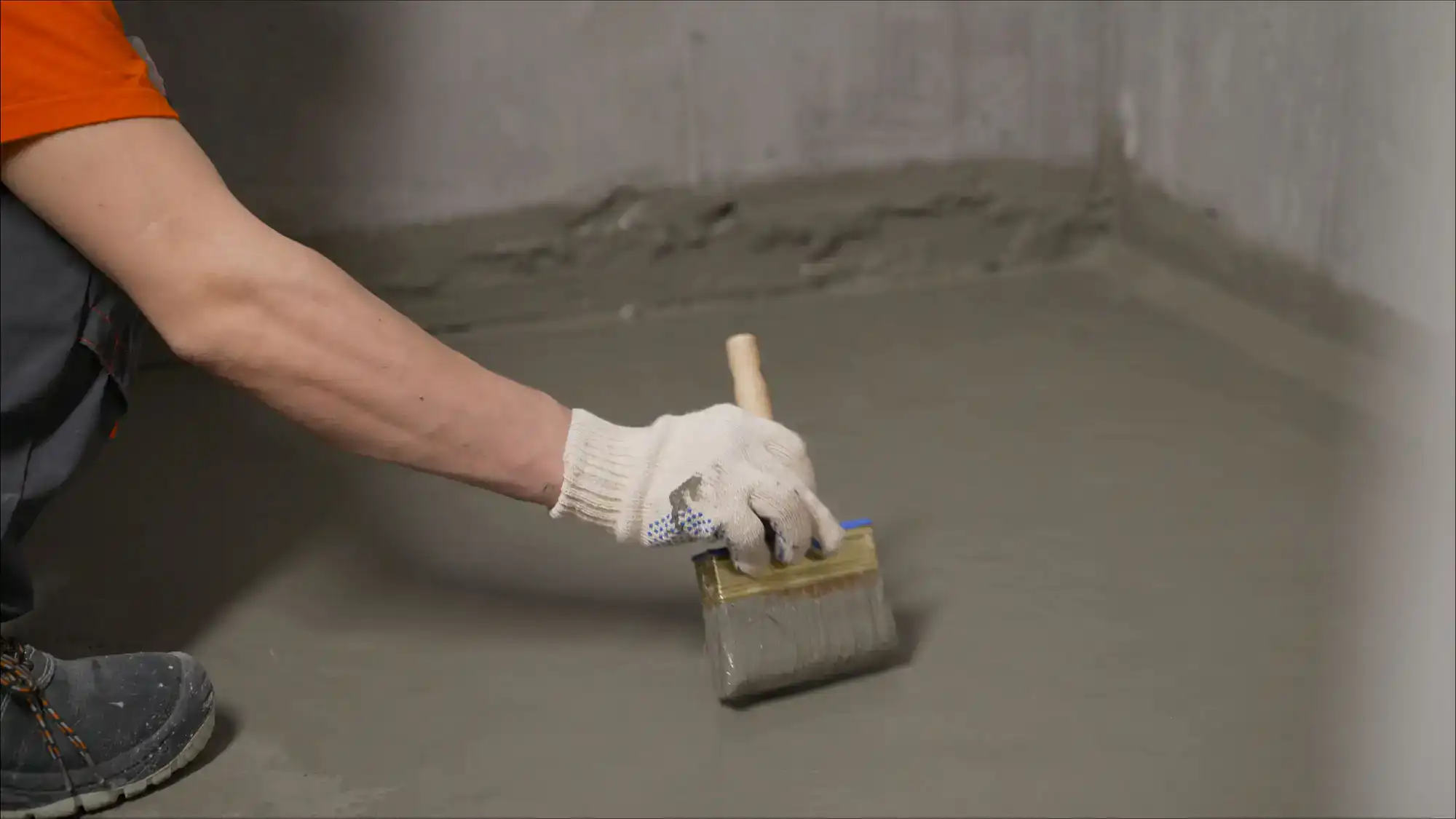
This is one of the most common questions we hear from South Shore homeowners, and the answer usually comes down to groundwater not surface water. West Bay Shore sits close to Great South Bay, and the water table in this area is naturally shallow. High tides can push groundwater levels up even on a dry day. When the soil around your foundation becomes saturated from a combination of tidal influence and residual moisture, hydrostatic pressure builds against your foundation walls and floor and water finds its way in through any crack, joint, or porous section of concrete it can reach.
This is different from a roof leak or a drainage problem you can fix with a gutter adjustment. It’s a groundwater management issue, and it requires a system designed to handle continuous pressure not just storm events. An interior drainage system paired with a properly sized sump pump is typically the most effective long-term solution for homes in West Bay Shore dealing with this situation.
The honest answer is that it depends on what your foundation actually needs, which is why we don’t quote over the phone. That said, here are the real numbers so you’re not walking into a conversation blind. Foundation crack sealing runs $800–$1,500 per crack. Sump pump installation typically costs $600–$1,900 depending on the pump type and whether you’re adding a battery backup. A full interior waterproofing system drainage channels, sump pit, and pump generally runs $8,000–$15,000 for a standard basement.
For West Bay Shore homes, the age of the foundation and the proximity to the bay can both affect scope. An older concrete block foundation that’s been dealing with groundwater pressure for 60 years may need more comprehensive work than a newer poured concrete wall with a single crack. We give you a written estimate after the inspection so you know exactly what you’re paying for before anything starts.
Exterior waterproofing means excavating around the outside of the foundation, applying a waterproof membrane or coating to the exterior wall, and installing drainage at the footing level to redirect water before it ever contacts the foundation. It’s the most comprehensive approach, but it’s also the most invasive and expensive and it’s not always practical for homes in established neighborhoods where landscaping, driveways, or adjacent structures make excavation difficult.
Interior waterproofing manages water after it enters the foundation wall, capturing it at the perimeter and directing it to a sump system before it reaches the floor. For most West Bay Shore homes particularly the older concrete block and poured concrete foundations built in the mid-20th century interior waterproofing is the more practical and cost-effective solution. It doesn’t stop water from entering the wall, but it controls where that water goes and keeps your basement dry. We’ll tell you honestly which approach makes sense for your specific home after we’ve looked at it.
It depends on the scope of the work. Straightforward crack sealing or sump pump replacement typically doesn’t require a permit. But if the job involves breaking the concrete floor to install a perimeter drainage system, or any structural modification to the foundation, a building permit from the Town of Islip Building Department is likely required. Working without a required permit creates compliance issues that can surface during a home sale and in a market where West Bay Shore homes are selling at $675,000 and up, that’s not a risk worth taking.
We handle this conversation with every customer before work begins. If a permit is required for your job, we’ll let you know what’s involved and what the process looks like through the Town of Islip. You won’t find out after the fact that something needed to be filed.
Sump pump sizing is something a lot of homeowners don’t think about until the pump fails during a storm which is exactly the wrong time to find out it was undersized. The right pump size depends on how much water your basement is managing and how fast it needs to be moved out. For homes in West Bay Shore, where the water table is shallow and tidal influence from Great South Bay can raise groundwater levels quickly, a pump that’s adequate for an inland home can be overwhelmed during a South Shore storm event.
We look at the size of your basement, the rate of water intrusion based on your foundation’s condition, and your area’s specific groundwater exposure when recommending a pump. We also strongly recommend a battery backup unit for any home in this area when a nor’easter or tropical storm hits the South Shore, power outages and peak flooding happen at the same time. A backup pump that runs on battery keeps your basement protected when the grid goes down.
Yes and for homeowners in West Bay Shore, this is worth paying attention to. When a buyer’s home inspector flags basement moisture or a history of water intrusion, it becomes a negotiating issue. A documented, transferable waterproofing warranty changes that conversation. Instead of a liability, you have proof that the problem was professionally addressed and that the new owner is covered under the same terms.
We provide written warranty documentation for waterproofing work. The warranty is transferable to a new owner, which means it functions as a selling asset not just a piece of paper in a file. Given where West Bay Shore home values are sitting, having that documentation in hand when you list is a practical advantage. We’ll walk you through exactly what the warranty covers and for how long before any work begins, so there are no questions about what you’re getting.