Hear from Our Customers
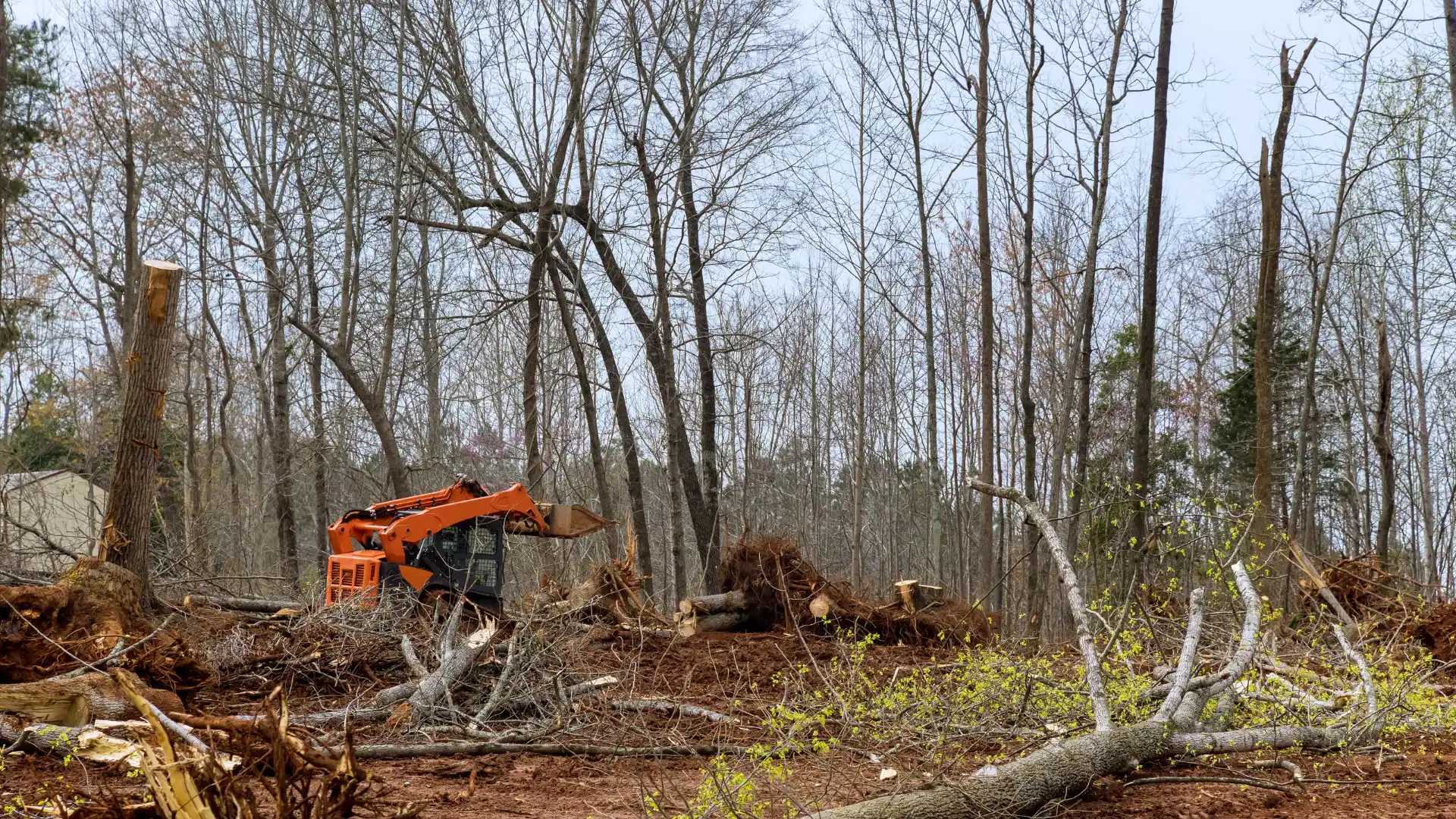
Most people don’t realize how complicated clearing land in West Bay Shore actually is until they’re already in it. The Town of Islip requires a formal permit for any clearing involving trees over 10 inches in diameter. Their Chapter 57 tree ordinance covers private property too. Skip that step and you’re not just behind schedule you’re facing enforcement action.
That’s the part most contractors don’t mention upfront. When you work with a contractor who handles the permit side before a single piece of equipment shows up, the whole project moves cleaner and faster. No scrambling, no stop-work surprises, no calls from the town.
And because West Bay Shore sits right on the South Shore close to the Great South Bay and bordered by Gardiner County Park a lot of properties here fall within regulated wetland buffer zones. The New York State DEC requires review for any clearing within 100 feet of a regulated wetland. If your property backs up to a drainage corridor or sits near coastal lowlands, that matters. Knowing that before you start is the difference between a smooth job and a costly one.
We’re a Long Island-based land clearing and earthworks contractor serving residential and development properties across Suffolk County, including West Bay Shore and the surrounding Town of Islip corridor. This isn’t a general landscaping company that does clearing on the side it’s the full scope of what we do, from first pass through dense overgrowth to a clean, level, ready-to-build site.
West Bay Shore is a specific place with specific challenges. Properties near the Sagtikos Parkway corridor deal with aggressive invasive species migration from adjacent natural areas. Lots bordering Gardiner County Park face different clearing conditions than a flat residential parcel near Montauk Highway. We know the difference, and we quote accordingly.
Every job comes with a transparent, itemized quote before anything starts. What you’re quoted is what you pay clearing, stump removal, debris disposal, and any permit-related costs are all accounted for upfront.
It starts with a site assessment. Before we quote anything, we look at what’s actually on the property vegetation type, tree sizes, proximity to wetlands or drainage corridors, and whether any Town of Islip permit requirements apply. In West Bay Shore, that last part matters more than most people expect. If your property triggers the town’s land clearing permit threshold or falls within the Wetland and Watercourse Management Area Overlay District, we identify that at the assessment stage not after work has started.
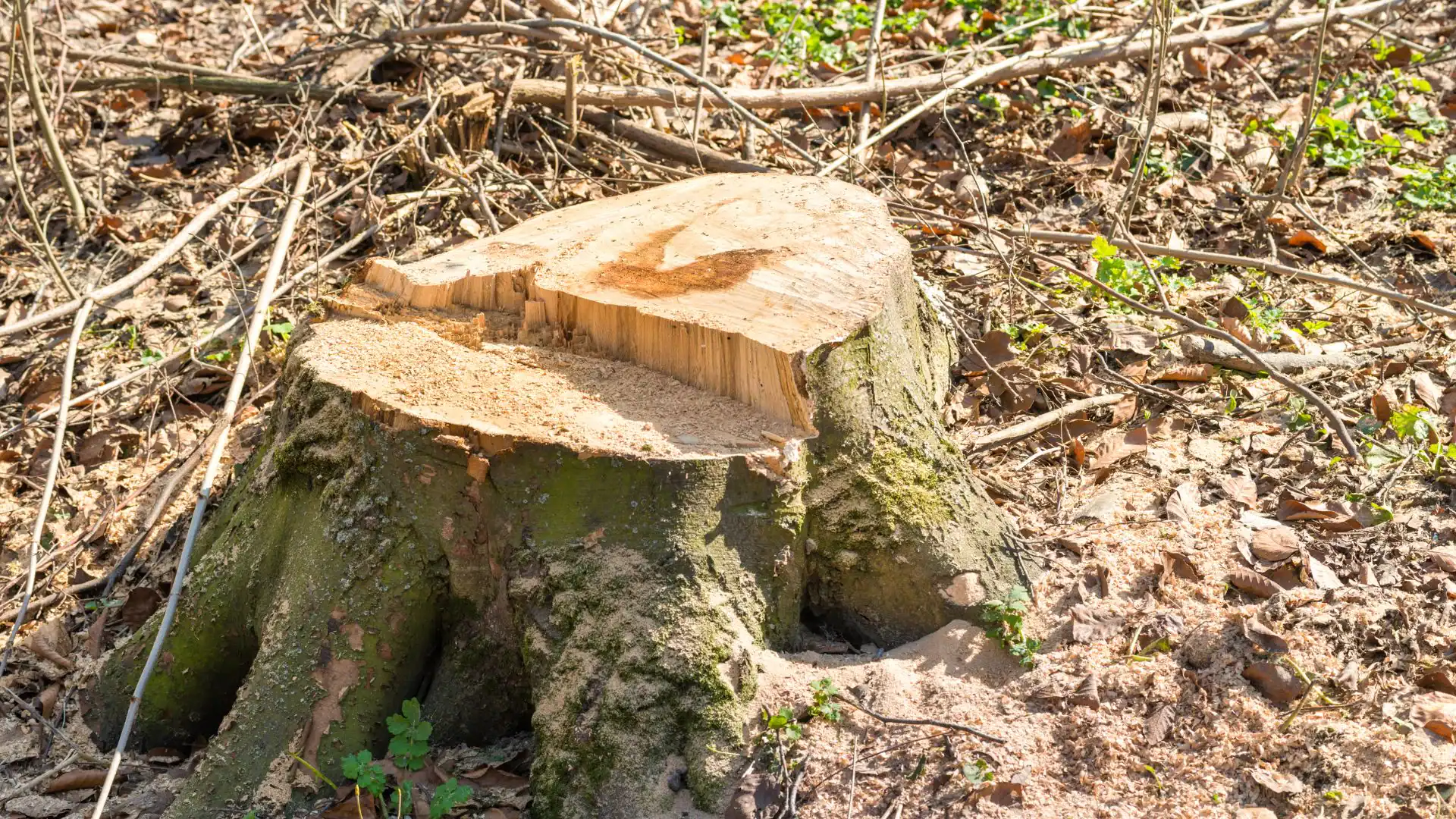
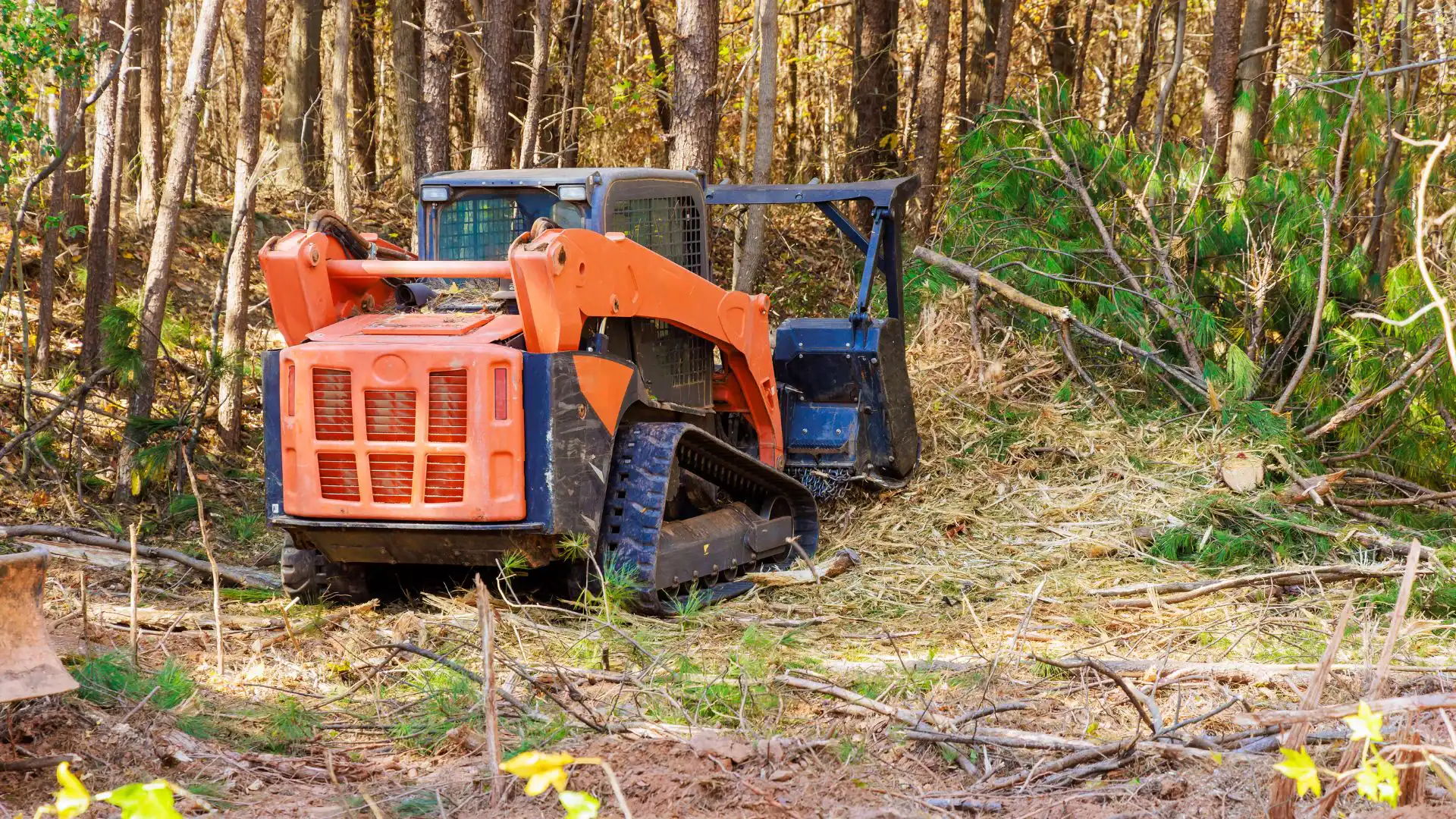
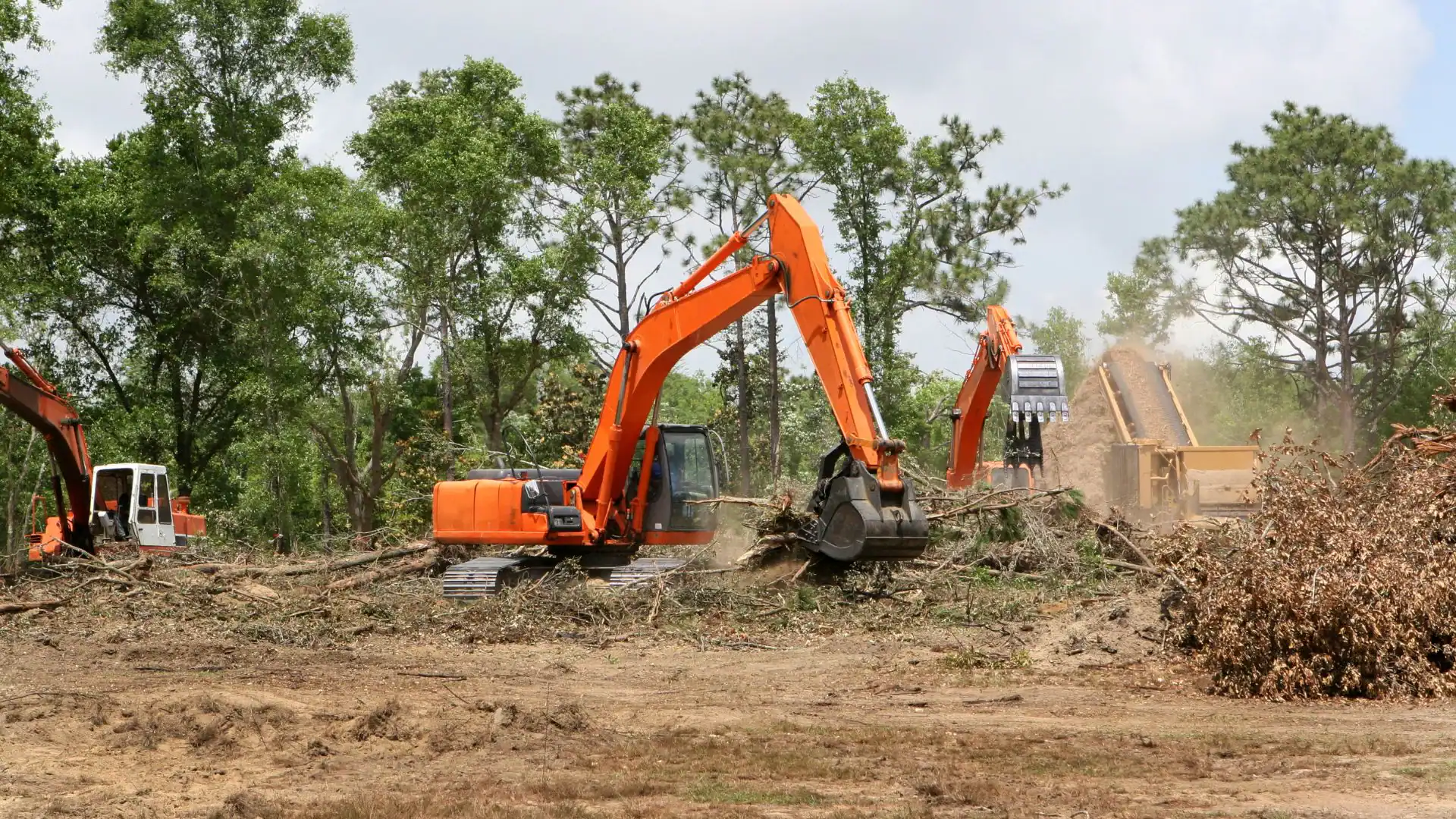
Once the scope is clear and permits are in order, clearing begins. We work systematically removing overgrowth, cutting and grinding stumps, managing invasive species like tree-of-heaven, multiflora rose, and phragmites that are common on South Shore properties near natural corridors. Debris doesn’t get left in piles for you to deal with. Removal and site cleanup are part of the job.
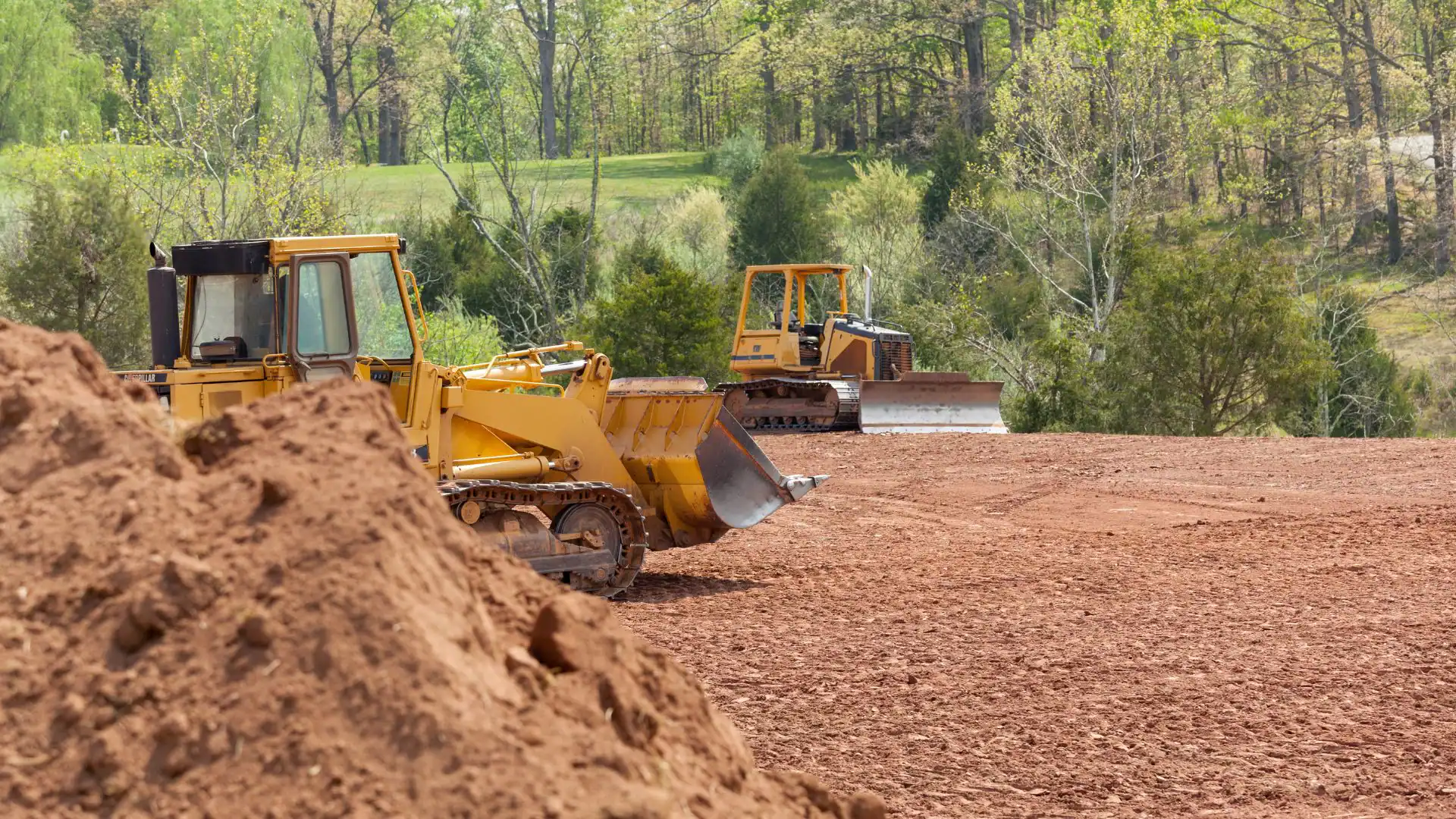
What you’re left with at the end is a site that’s clean, accessible, and ready for whatever comes next whether that’s construction, landscaping, or simply getting your property back to a usable state. Spring and early fall are the busiest windows on Long Island, so if you’re planning a project for the warmer months, earlier is better for scheduling.
Ready to get started?
Land clearing in West Bay Shore isn’t one-size-fits-all, and the scope of work varies significantly depending on what’s on the lot and where it sits. A wooded residential parcel near Gardiner County Park with 20-year-old invasive growth is a different job than a flat lot near Brightwaters with light brush. We scope every project individually and quote it that way.
For homeowners dealing with neglected or overgrown properties, land reclamation services address the full picture not just the surface vegetation, but the root systems, stumps, and invasive species that will return within a season if they’re not handled correctly. Tree-of-heaven in particular is aggressive and requires proper removal to prevent resprouting. With Nassau and Suffolk Counties’ Do Not Sell List now covering roughly 60 invasive species, correct identification and disposal aren’t optional they’re part of doing the job right.
For residential developers and investors preparing lots in the Town of Islip’s active development corridor, lot clearing and site preparation services deliver a construction-ready site with stumps ground to below grade, debris fully removed, and all permit documentation handled. If your property is near a coastal area or wetland buffer, we factor that into the scope from the start so there are no surprises when the DEC or town weighs in.
Yes, and it catches a lot of property owners off guard. The Town of Islip requires a formal land clearing permit application for any clearing that involves trees greater than 10 inches in diameter. That application needs to include a survey map or scaled drawing showing all areas to be cleared and all qualifying trees on the property. Beyond the clearing permit itself, the Town’s Chapter 57 tree preservation ordinance prohibits removing any tree on private or public property without prior written consent from the town.
What this means practically is that you can’t just hire a contractor and start cutting. If the work triggers either of these thresholds, permits need to be in place first. Proceeding without them puts you at risk of enforcement action, stop-work orders, and potential fines. If you’re not sure whether your project requires a permit, that’s exactly the kind of question we sort out during the site assessment before anything else moves forward.
It adds a layer to the process, but it doesn’t stop the project. West Bay Shore’s position on the South Shore close to the Great South Bay and bordered by natural areas like Gardiner County Park means a real portion of properties here fall within or near regulated wetland buffer zones. The New York State DEC requires review for any clearing within 100 feet of a regulated freshwater or tidal wetland. On top of that, the Town of Islip’s Wetland and Watercourse Management Area Overlay District applies its own restrictions to properties near drainage corridors and coastal lowlands.
The key is identifying this at the assessment stage rather than mid-project. If your property is within a buffer zone, additional permits may be required from both the town and the DEC before clearing can proceed. We check for this upfront, advise you on the correct permit pathway, and make sure the work is done in a way that doesn’t expose you to regulatory action after the fact. Properties near the Sagtikos Parkway corridor and the southern edges of the hamlet near the bay are the ones most commonly affected.
Invasive species are one of the most common and most mishandled parts of clearing work on Long Island’s South Shore. Tree-of-heaven, multiflora rose, autumn olive, and phragmites are all aggressive invaders that show up regularly on West Bay Shore properties, particularly those near Gardiner County Park or the wooded corridors along the Sagtikos Parkway. The problem with most clearing work is that it addresses what’s visible above ground and leaves the root systems intact. Within a single growing season, you’re back to where you started.
Correct removal means addressing the root structure, not just the canopy. For species like tree-of-heaven which is also the preferred host plant for the Spotted Lanternfly, now established across Long Island removal needs to be thorough to prevent resprouting and to reduce the local lanternfly population. Nassau and Suffolk Counties have enacted Do Not Sell List legislation covering approximately 60 invasive species, and proper disposal is part of compliant clearing work. We identify invasive species during the site assessment and factor correct removal into the quoted scope it’s not an add-on, it’s part of the job.
It varies, and anyone who gives you a firm number without seeing the property first isn’t giving you a real quote. The cost of land clearing on a residential lot in West Bay Shore depends on the size of the area being cleared, the density and type of vegetation, how many trees require stump grinding, whether debris removal is included, and whether any Town of Islip permit fees apply to the project. Properties near wetland buffer zones may also require additional permitting, which affects the overall cost and timeline.
That said, a straightforward residential lot clearing job on Long Island light to moderate brush, stump grinding, and debris removal included typically ranges from a few hundred dollars for a small area up to several thousand for a larger, more densely vegetated parcel. Heavily overgrown properties requiring land reclamation, invasive species removal, and full site prep will sit at the higher end of that range. The best way to get an accurate number is a site visit. We provide itemized quotes that break out clearing, stumps, debris, and any permit costs separately so you know exactly what you’re paying for before any work begins.
Land clearing typically refers to removing vegetation from a property to prepare it for a specific next use construction, landscaping, or general access. It’s often a defined scope with a clear endpoint: the vegetation is gone, the stumps are ground, the debris is removed, and the site is ready. Land reclamation goes further. It applies to properties that have been neglected for years sometimes decades and have been substantially overtaken by overgrowth, invasive species, and in some cases structural debris or accumulated material.
In West Bay Shore, land reclamation demand is real. Many properties in the hamlet have been owned by the same families for decades, and rear lots, side yards, and deeper residential parcels that were once manageable have been gradually reclaimed by vegetation. Multiflora rose, tree-of-heaven, and phragmites don’t need much time to take over a neglected area. Reclamation work addresses all of it not just the surface growth, but the root systems and soil condition and leaves the property in a state that’s actually maintainable going forward, not just temporarily cleared.
Spring and early fall are the two peak windows for land clearing work on Long Island’s South Shore, and both fill up quickly. Spring roughly April through June is when most homeowners and developers want to get sites cleared ahead of the summer building and landscaping season. Early fall, from late August through October, is when developers preparing for the following construction season typically schedule site prep. If you’re planning a project in either of those windows, booking early gives you the best shot at getting your preferred start date.
West Bay Shore’s coastal exposure adds a seasonal factor that inland Long Island towns don’t deal with as directly. Nor’easters and late-season storms tracking up the Eastern Seaboard can bring down mature trees and create reactive clearing demand outside of the normal schedule especially on properties with large, established canopies. The wet late-fall and winter months can also make access difficult on properties with low-lying or poorly draining soils, which is more common in South Shore communities near the bay. For planned projects, the spring and early fall windows are your best bet. For storm damage clearing, we work around the situation as it comes.