Hear from Our Customers
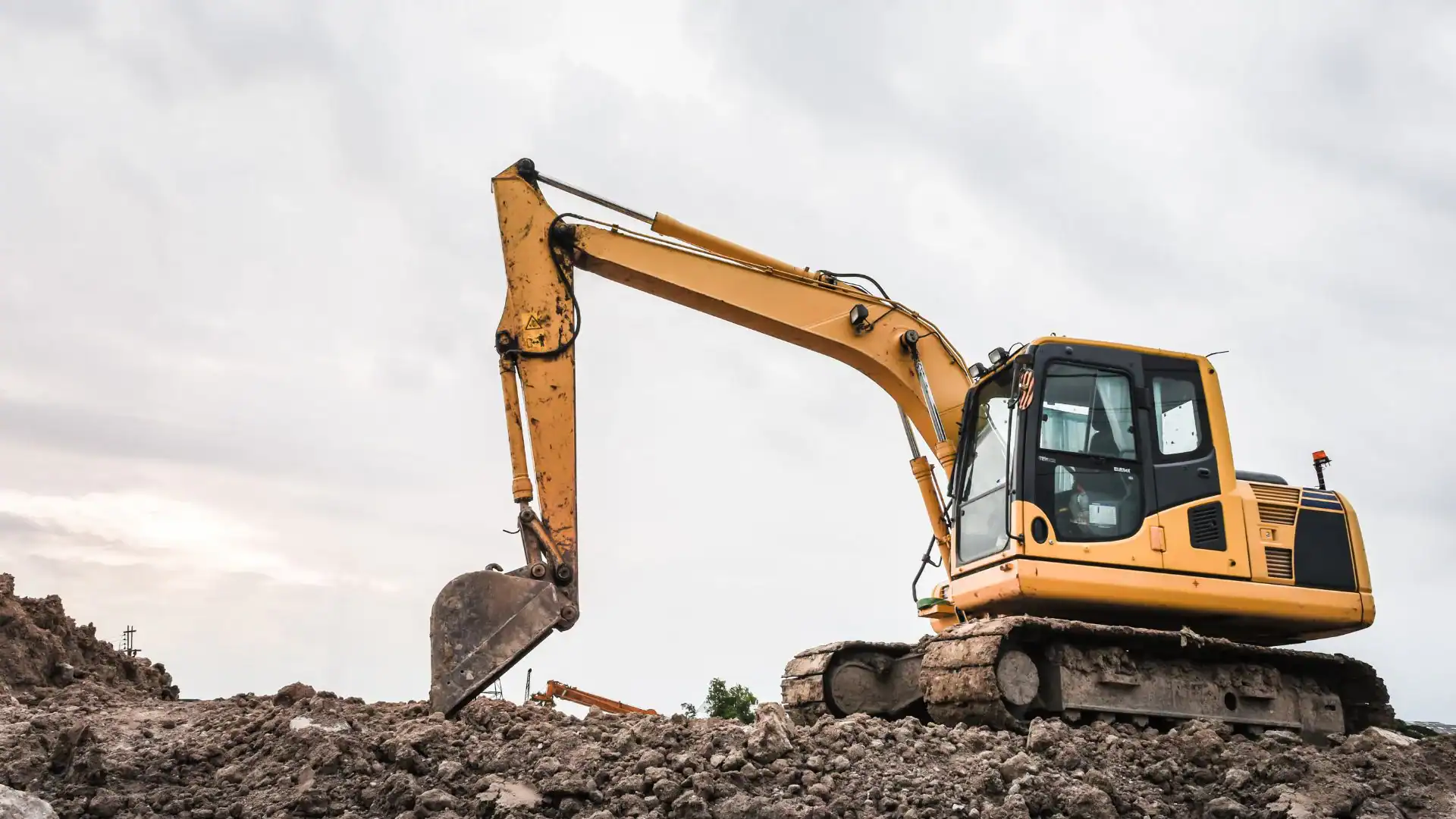
Most excavation complaints aren’t about the digging they’re about what happens after. A quote that doubles once the machine arrives. A grade that pools water against the foundation. A contractor who disappeared before the site was cleaned up. Those aren’t rare stories in this industry, and they’re not ones you want to be telling your builder when the schedule’s already tight.
Farmingville’s terrain adds a layer that most contractors don’t talk about upfront. The Ronkonkoma Moraine runs directly through this hamlet, and moraine soil isn’t the sandy, predictable stuff you’ll find in flatter communities south of the moraine. It’s glacially deposited till a mix of clay, gravel, cobbles, and boulders that can shift dramatically within a single dig. There’s a reason the Farmingville Hills Chamber of Commerce notes that the soil here was never good for farming. That same unpredictability is what makes excavation here genuinely different from a Holbrook or Holtsville job.
Then there’s the topography. Many residential streets near Bald Hill involve grade changes that are real not gradual slopes, but the kind of elevation shifts that require cut and fill planning, proper spoil management, and drainage outcomes that actually hold. When the excavation is done right, the next trade walks onto a stable, graded site and gets to work. That’s the outcome worth paying for.
We’re a full-service excavation and land preparation contractor serving Farmingville and the surrounding communities of central Suffolk County. From land clearing and foundation excavation to dig and haul, cut and fill, and final grading, the full scope runs under one contract one crew, one schedule, one point of accountability.
Farmingville isn’t a town we service from a distance. We’ve worked the steep residential streets near Bald Hill, navigated the boulder encounters that moraine geology produces, and pulled permits through the Town of Brookhaven Building Division which, as Farmingville residents know, is literally in your backyard on the east face of Bald Hill. That familiarity directly affects how a job gets planned, quoted, and executed.
We carry full liability insurance and operate with the licensing required for residential and commercial excavation work in New York. When you call for a quote, you’re talking to people who already know what your lot is likely dealing with before we even arrive.
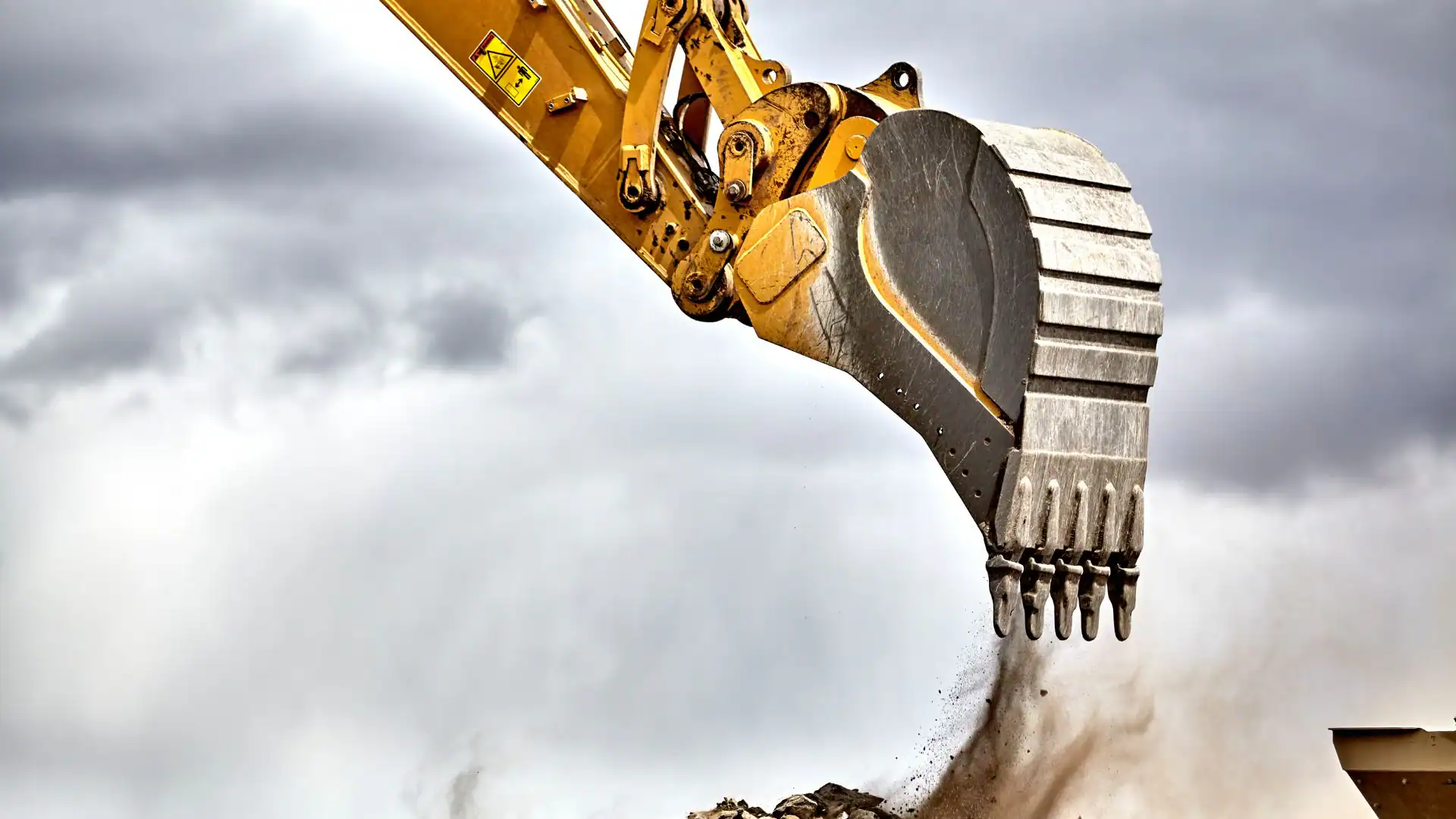
It starts with a site assessment. Before any equipment is scheduled, we look at the lot the grade, the access, what’s around it, and what the project actually requires. For Farmingville properties near the Bald Hill corridor, that means evaluating slope, soil conditions, and how spoil will be managed on terrain that doesn’t always cooperate. This is where most cost surprises get caught before they become your problem.
Once the scope is confirmed, we handle NY 811 notification before anything breaks ground every job, no exceptions. New York State requires underground utility marking at least two business days before excavation begins, and with the full range of services running under Farmingville’s residential streets, that step isn’t optional. If your project requires a Town of Brookhaven building permit, we’ll walk you through what’s needed so the work starts clean and stays compliant.
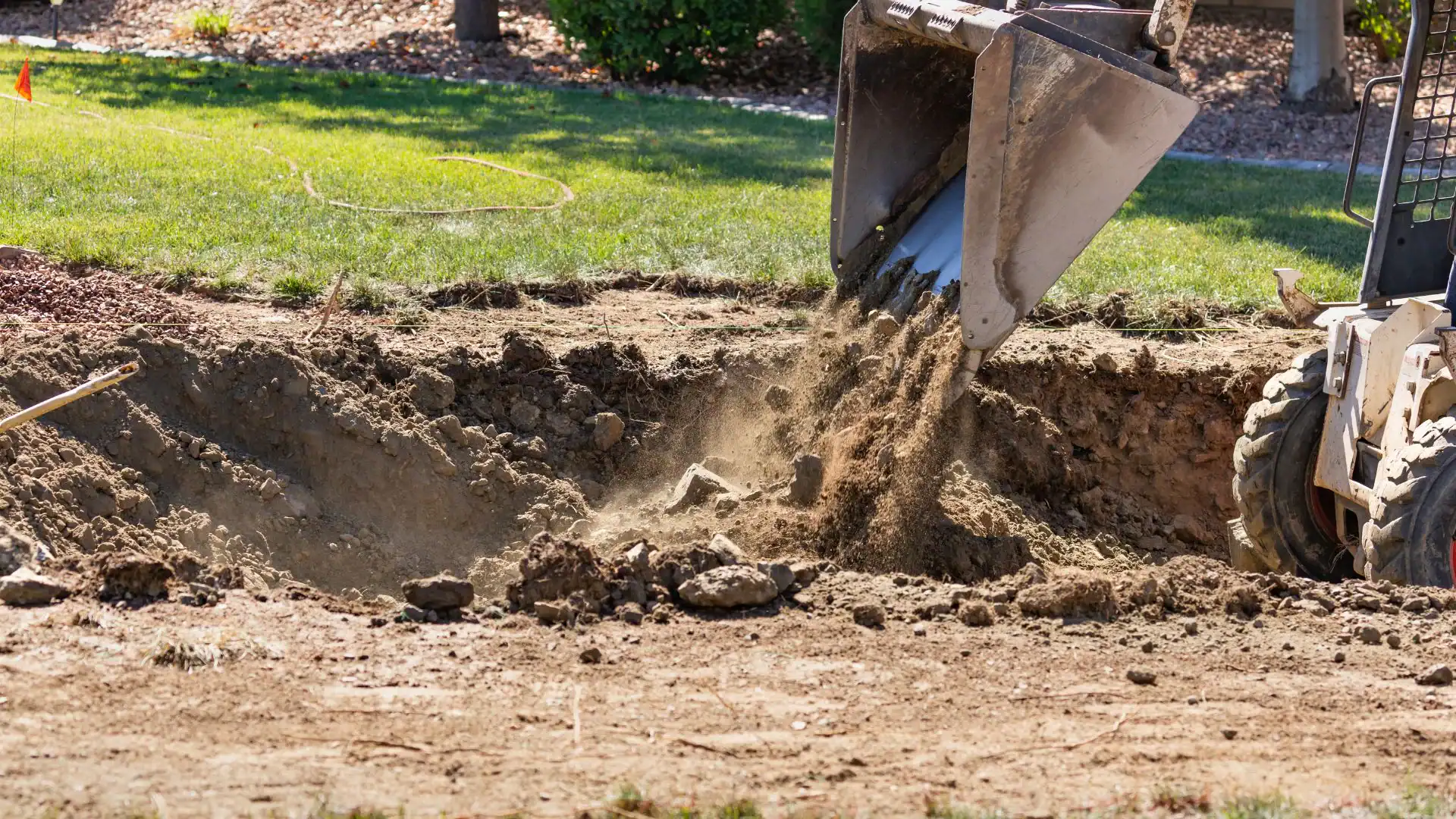
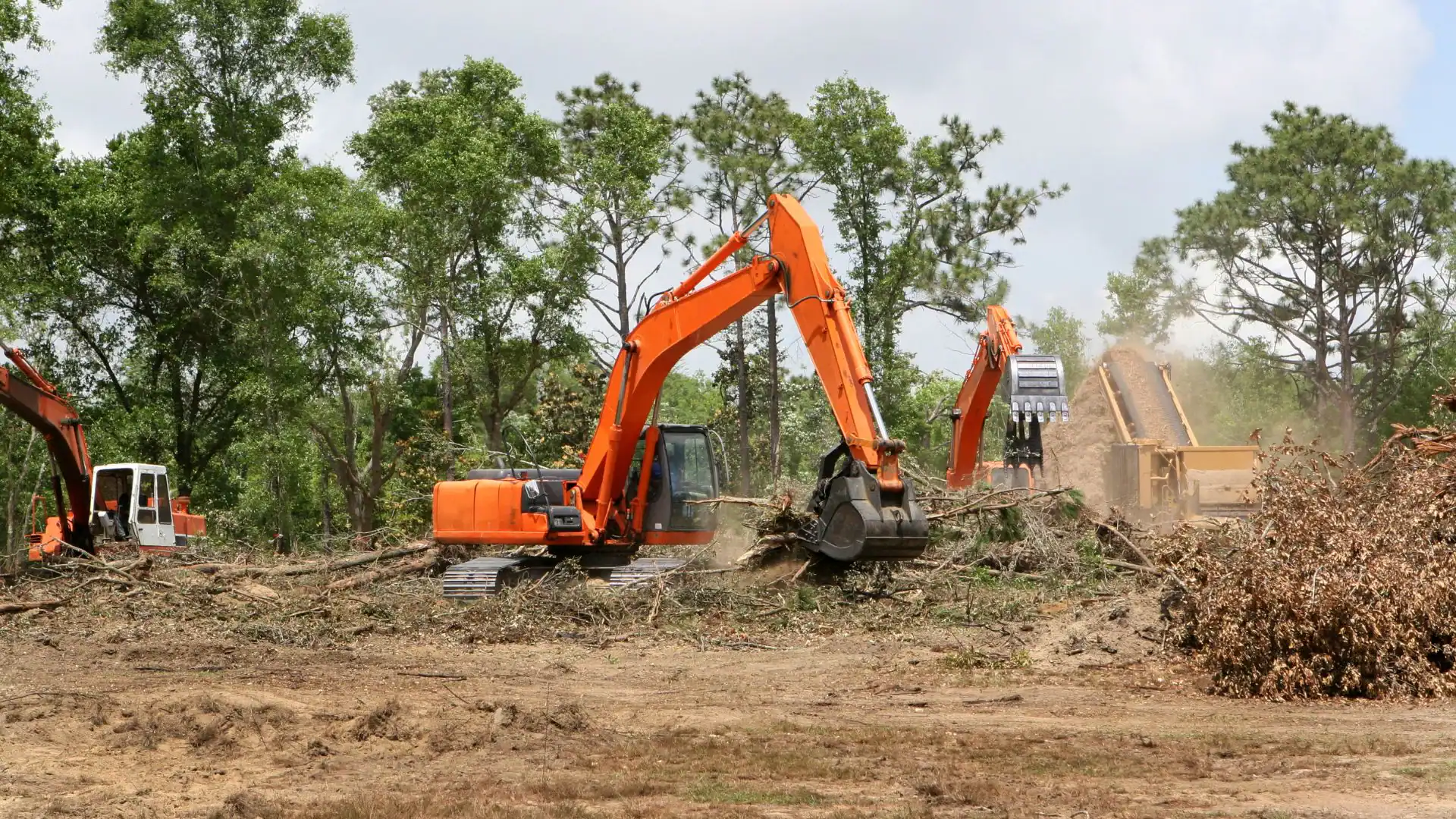
From there, our crew executes the work in sequence clearing, excavating, cut and fill where the grade demands it, dig and haul for material that needs to leave the site, and final grading to a finish the next trade can work from immediately. You’re kept in the loop throughout. If conditions underground require a scope conversation, that conversation happens before the invoice not after.
Ready to get started?
Farmingville’s excavation demand is almost entirely renovation and improvement-driven. The hamlet is essentially fully built out at 4.52 square miles, there’s limited undeveloped land left. What’s active here is pool installations, home additions, basement conversions, drainage improvements, retaining wall construction, and cesspool replacement excavation tied to Suffolk County’s ongoing nitrogen-reduction initiative. We handle all of it under one contract.
The services that matter most in Farmingville are residential excavation, land clearing, cut and fill for sloped lots, dig and haul for moraine material that can’t be redistributed on-site, and excavation and grading to finished spec. For properties near the Bald Hill area, retaining wall excavation is frequently part of the scope grade changes on these lots are real, and managing them correctly protects the property long after the project is done. For homeowners going through the cesspool replacement process, we coordinate the excavation component so the project moves without unnecessary delays between trades.
We also handle commercial excavation along the Portion Road and Horseblock Road corridors, and near the Brookhaven Town Hall civic campus. Whether it’s a single residential lot off the LIE Exit 63 corridor or a commercial site preparation in the heart of Farmingville, the approach is the same: clear scope, accurate quote, and a finished site that performs.
Most excavation work tied to a residential or commercial project in Farmingville requires a permit through the Town of Brookhaven Building Division. New homes, additions, in-ground pools, basement conversions, and accessory structures all fall under the Town of Brookhaven’s building permit requirements. Brookhaven Town Hall is located right here in Farmingville on the east side of Bald Hill, so the permitting authority for your project is as local as it gets.
The permit process matters because excavation tied to unpermitted work can create real problems stop-work orders, failed inspections, and complications when you go to sell the property. Beyond the town-level permit, certain projects also require a separate layer of approval from the Suffolk County Department of Health Services, particularly for cesspool and septic system replacements, which involve their own excavation permit and inspection process. Knowing which permits apply to your specific Farmingville project before breaking ground is one of the first conversations we have with every client.
It comes down to what’s in the ground. Farmingville sits directly on the Ronkonkoma Moraine a glacial terminal moraine that deposited an unsorted mix of clay, sand, gravel, cobbles, and boulders across the area. Unlike the sandy outwash soils found in flatter communities south of the moraine like Holbrook or Holtsville, moraine soil doesn’t behave predictably. A dig that starts in sandy loam can hit a boulder field two feet down. That variability affects equipment selection, operator time, and how spoil is managed all of which factor into cost.
The topography adds to it. Residential lots near the Bald Hill area involve real grade changes that require cut and fill planning, proper drainage design, and careful spoil management on slopes that flat-lot excavation simply doesn’t demand. A contractor who quotes a Farmingville job the same way they’d quote a flat coastal town is either not accounting for the conditions or planning to adjust the invoice later. Transparent, site-specific quoting upfront is the only way to avoid that outcome.
Dig and haul refers to the full cycle of excavating material, loading it, transporting it off-site, and disposing of it properly. Not every excavation project requires it sometimes excavated material can be redistributed on the same lot as fill. But in Farmingville, moraine excavation frequently produces material that can’t be reused on-site: boulders, cobbles, and mixed glacial till that has no practical value as fill and can’t simply be left in a pile on the property.
If your project involves a pool excavation, a deep foundation dig, or significant cut work on a sloped Bald Hill-area lot, dig and haul is almost always part of the scope. It’s also relevant for cesspool replacement projects where the excavated material around the old system needs to be removed before the new system goes in. When we assess your site, we’ll tell you upfront whether dig and haul is needed, how much material is likely to come out, and what that means for the overall project cost before the first bucket hits the ground.
During peak construction season on Long Island roughly late April through June and again from August through October excavation contractors in the Farmingville area are typically booked three to six weeks out. If your project is tied to a pool installation you want ready before summer, or a foundation dig for an addition you’re trying to close in before fall, that timeline matters and it needs to be planned around.
Farmingville’s moraine soil also means that late winter and early spring scheduling carries some variability. Ground frost can penetrate 12 to 18 inches in central Suffolk County during January and February, and the freeze-thaw cycles that follow in early spring can affect soil stability on sloped lots near Bald Hill. Projects requiring excavation below the frost line are generally best scheduled from late spring through early fall. The earlier you reach out to confirm scope and lock in a start date, the better positioned you are to keep your overall construction timeline on track.
It happens in Farmingville more than in most Long Island communities, and how a contractor handles it says a lot about how they operate. The Ronkonkoma Moraine means boulder and cobble encounters are a real possibility on almost any Farmingville residential lot they’re not freak occurrences, they’re a known characteristic of the terrain. A contractor who doesn’t account for that possibility in their initial assessment is either inexperienced with moraine geology or hoping you won’t notice when the invoice changes.
The way we handle it is straightforward: if site conditions during excavation require a scope adjustment, we stop and have that conversation with you before the work continues and before the cost changes. You’re not presented with a surprise at invoice time. We explain what was encountered, what the options are, and what each option costs. That’s just how a job should be run. But it’s worth asking any contractor you’re evaluating how they handle unexpected soil conditions before you sign anything.
Yes, and for most Farmingville projects it’s the better way to go. Excavation and grading are directly connected the grade you finish at determines how water drains, how stable the surface is for the next trade, and whether the project performs the way it was designed to. When the same crew handles both, there’s no gap between what was excavated and what was graded, no finger-pointing between contractors if the drainage outcome isn’t right, and no delay while you coordinate a second company to come in after the first one leaves.
For properties near the Bald Hill area, this matters more than on a flat lot. Sloped terrain requires grading decisions that are made during the excavation process how material is cut, where fill is placed, and how the finished surface is shaped to direct water away from foundations and structures. Separating those two scopes on a grade-heavy Farmingville lot introduces risk that a single integrated contract eliminates. When you call us, we’ll assess the full scope excavation, cut and fill, dig and haul if needed, and final grading and quote it as one complete project from the start.