
Hear from Our Customers
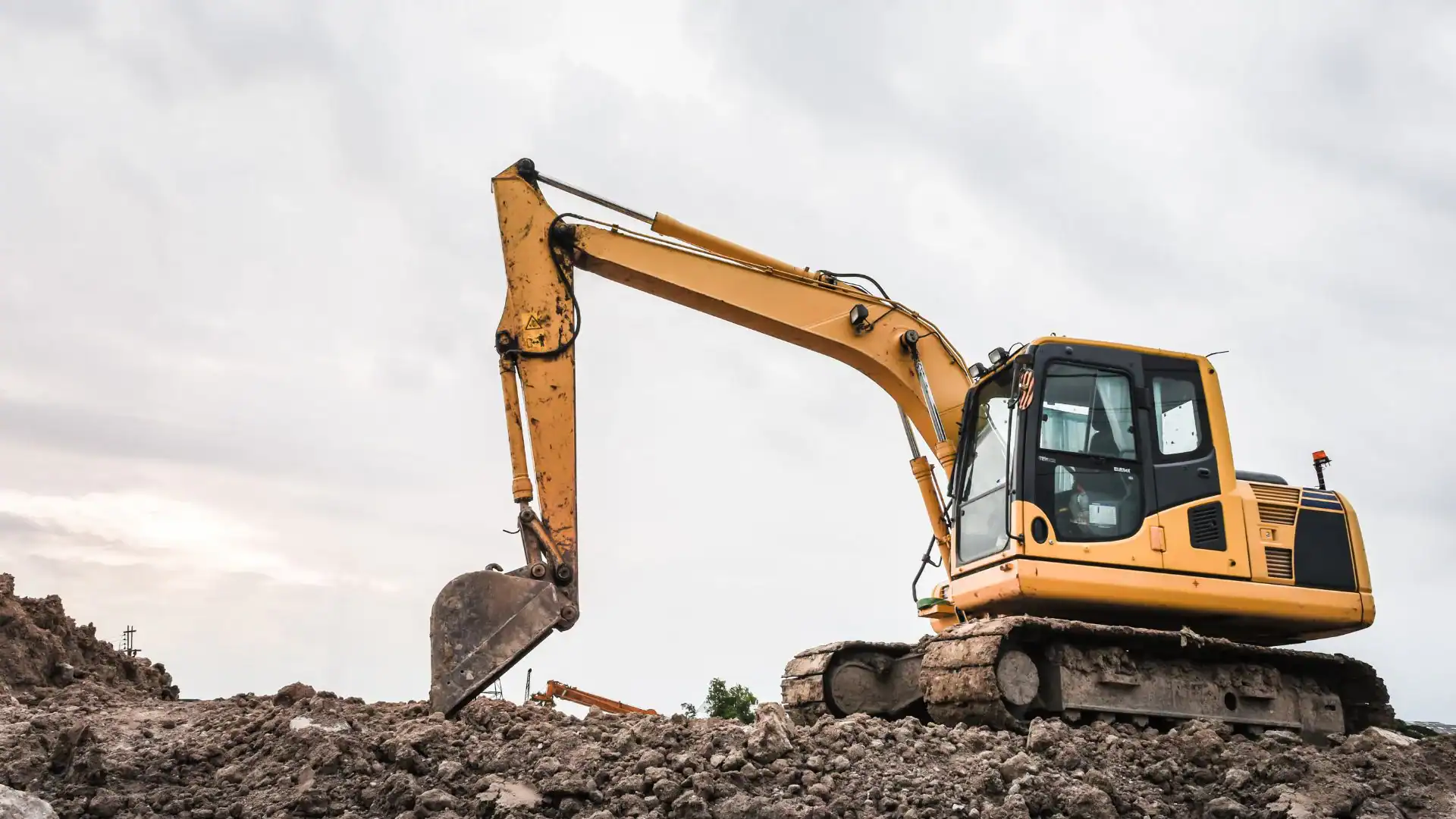
When excavation is done correctly, the rest of your project runs on schedule. Your pool contractor shows up to a clean, properly dimensioned site. Your drainage system actually moves water away from your foundation instead of holding it against it. The grade is finished to spec, and you’re not calling someone back three weeks later because something shifted.
In Nesconset, getting excavation right matters more than it does in some other parts of Long Island. The soil here is glacially deposited pockets of clay mixed with sandy zones in a pattern that changes from one section of your yard to the next. Clay holds water. It expands when wet and contracts when it dries out. If the excavation, drainage design, and backfill aren’t matched to what’s actually in the ground at your specific site, you’ll feel it later in a retaining wall that starts leaning, a graded surface that doesn’t drain, or a foundation that stays wet after every storm.
The homes in Nesconset are mostly mature residential stock built from the 1950s through the 1980s, on established lots with established landscaping and tight property lines. That means excavation here isn’t about wide-open land clearing. It’s precise, contained work that has to be done without damaging what’s already there. The right contractor brings the right equipment, reads the site conditions before digging, and leaves the property in better shape than they found it.
We’re a full-service excavation contractor serving Nesconset and the surrounding Smithtown corridor including Hauppauge, Lake Grove, St. James, and Lake Ronkonkoma. We handle the complete scope of earthworks under one contract: site clearing, bulk excavation, cut and fill, grading, trenching, dig and haul, and retaining wall preparation.
What makes the difference in a community like Nesconset isn’t the size of the equipment it’s understanding how Town of Smithtown permitting works, what Nesconset’s glacial soil profile actually demands, and how to manage a residential job site in a neighborhood where property values are high and neighbors are paying attention. We know the Town Engineer’s regrading permit process. We know what an Excavation Affidavit requires. We know how clay-heavy soil behaves on a Long Island job site in March versus August.
You’re not hiring a crew that shows up and figures it out as they go. You’re hiring a contractor who’s done this work in this area and knows what to expect before the first machine arrives.

It starts with a site assessment. Before anything is quoted or scheduled, we look at what you’re actually working with lot size, access constraints, soil conditions, existing drainage, and what’s underground. In Nesconset, that last part matters. The area has a history of buried oil tanks in older residential properties, and utility lines that don’t always appear where you’d expect them. Knowing what’s there before the dig begins is not optional.
From there, we handle the permit side. Excavation and regrading in Nesconset falls under the Town of Smithtown’s jurisdiction, which requires a formal permit from the Town Engineer and, in many cases, an Excavation Affidavit from the Building Department. We know this process. We can walk you through what’s needed so that your project doesn’t stall waiting on paperwork or get flagged for missing a compliance step.
Once the permits are in order, the work runs in a clear sequence: excavation, spoil removal, grading, and site restoration. The Town of Smithtown also requires a minimum six-inch finish layer of native topsoil after excavation is complete that’s a code requirement, not an upsell, and it’s included in how we scope and price the job. When we leave, the site is graded, clean, and ready for whatever comes next.
Ready to get started?
The excavation work that drives demand in Nesconset is specific to this community. Pool excavation is one of the most common projects and with the income profile of this neighborhood, homeowners are investing in serious outdoor improvements that require precise, clean digs and coordinated spoil removal so the pool contractor can take over without delay. Drainage remediation is another constant in this area. When clay-heavy soil doesn’t drain and dry wells age out, water finds the path of least resistance usually toward your foundation. Fixing that problem starts with the right excavation and grading design.
Retaining wall excavation is frequent in Nesconset given the grade changes common on residential lots here, and it has to account for Long Island’s freeze-thaw winters. A wall that isn’t excavated and backfilled with that seasonal movement in mind will fail. We also handle foundation perimeter excavation for basement waterproofing, site preparation for additions and accessory structures, and buried oil tank removal excavation a legacy issue in many of the older homes along streets like Gibbs Pond Road, Browns Road, and Southern Boulevard that predate natural gas conversion on Long Island.
All of this is handled under one contract. Excavation, dig and haul, grading, topsoil restoration one crew, one point of contact, one invoice that reflects what was scoped from the start.
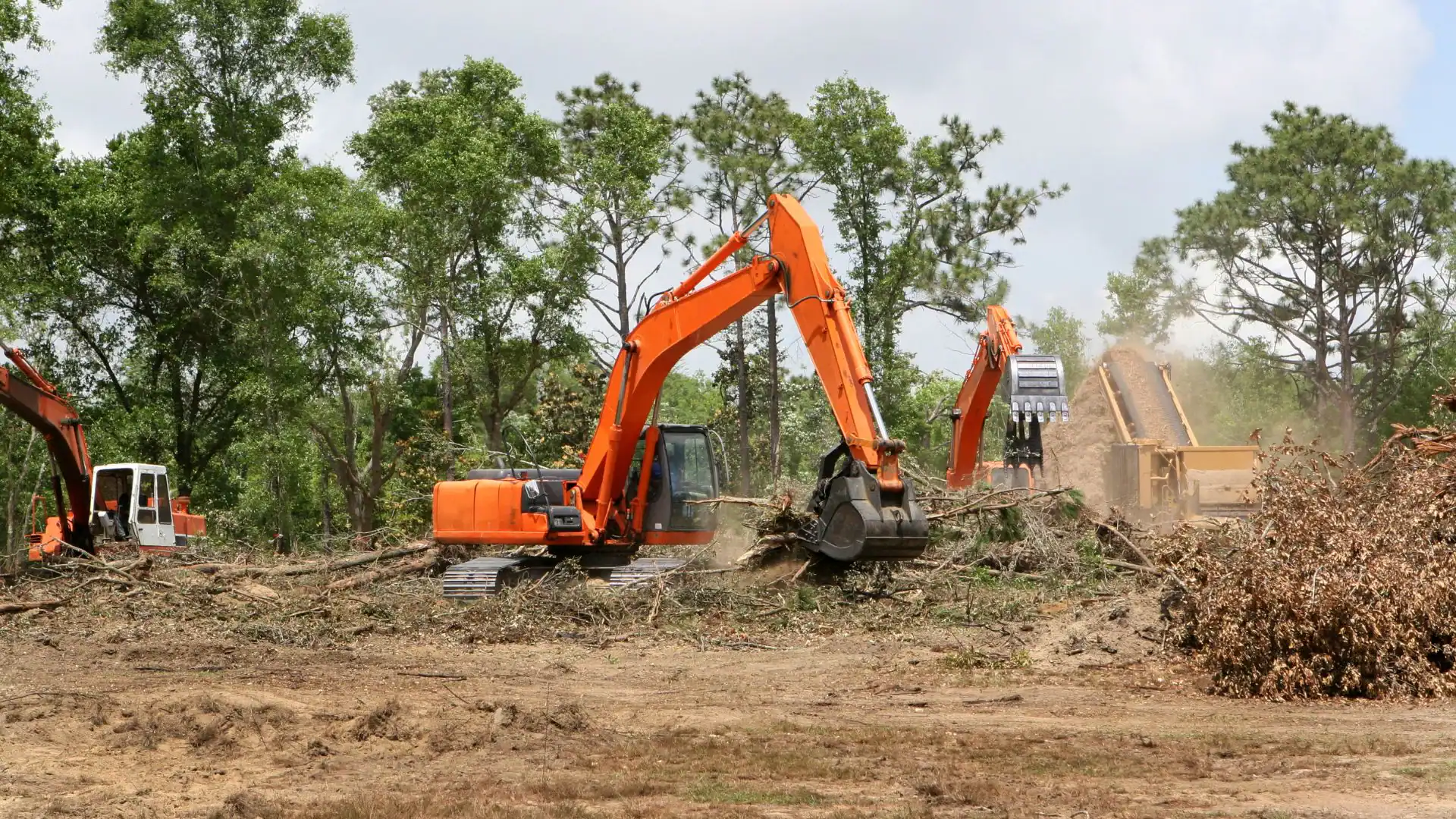
Yes and it’s more involved than most homeowners expect. Nesconset falls under the Town of Smithtown’s jurisdiction, which requires a permit from the Town Engineer for excavation and regrading operations. The application needs to include a sketch showing the limits of the proposed work and all grade changes. In many cases, the Building Department also requires an Excavation Affidavit as part of the approval process.
Skipping this step isn’t just a technicality. Unpermitted excavation work in Smithtown can trigger stop-work orders, require you to restore the site at your own cost, and create complications when you go to sell the property. The permit process exists for real reasons slope stability, drainage impact on neighboring lots, and structural safety and a contractor who knows the Town of Smithtown’s process can help you get through it without unnecessary delays. We handle this regularly and can tell you upfront exactly what your specific project will require.
More than most homeowners realize. Nesconset sits on glacially deposited soil a mix of clay-heavy pockets and sandy zones that varies across your property. Clay soil is heavier to move, harder to compact properly, and behaves very differently than the sandy soils you’d find closer to Long Island’s South Shore. It retains water, expands when saturated, and can shift significantly through freeze-thaw cycles during a Long Island winter.
What this means practically is that excavation in Nesconset requires a site assessment before pricing, not after. The soil profile affects how long the dig takes, what equipment is appropriate, how the backfill needs to be specified, and what drainage design will actually work long-term. A contractor who quotes a flat price without looking at the site first is either guessing or planning to revise the number once they’re already on your property. We assess the site, factor in what’s actually in the ground, and give you a quote that holds.
For a standard residential pool in Nesconset, the excavation itself typically takes one to two days once the crew is on-site. The timeline from first contact to breaking ground depends more on the permit process and scheduling than on the physical work. In the Town of Smithtown, excavation permits require Town Engineer review, which adds time to the front end of the project something homeowners who want their pool ready for summer need to account for when they’re planning.
The clay-heavy soil in parts of Nesconset can also affect pacing. Wet conditions in spring when the ground is saturated from snowmelt and early rains can make clay soil significantly harder to work with efficiently. If you’re targeting a summer pool installation, getting the excavation scheduled in late winter or early spring gives you the best chance of hitting your timeline. Waiting until May or June to start the permit process puts you at risk of delays that push the project into late summer.
Dig and haul means the excavated material is removed from your property entirely not pushed to a corner of the lot or stockpiled somewhere for later. It’s a necessary part of most excavation projects in Nesconset because the lots here don’t have the space to absorb large volumes of spoil, and leaving material on-site in a dense residential neighborhood creates real problems for neighbors, drainage, and the trades working after the excavation is complete.
Pool excavation almost always requires dig and haul the volume of material removed from a standard pool dig has nowhere to go on a typical Nesconset residential lot. The same applies to drainage remediation projects where failed dry wells or drainage infrastructure needs to be excavated and replaced. Oil tank removal projects also require careful excavation and complete removal of any contaminated soil, which is a regulated process with its own disposal requirements. When you get a quote from us, dig and haul is scoped explicitly you’ll know exactly what’s being removed and where it’s going.
The most common issue is a quote that doesn’t reflect the full scope of the job. Excavation quotes in Nesconset should include site assessment, permitting guidance, the actual excavation, spoil removal, grading, and the topsoil restoration layer that the Town of Smithtown’s code requires after excavation is complete. If a quote doesn’t address all of those components, the number on the page isn’t the number you’ll pay.
The second thing to watch is licensing and insurance. Excavation is a regulated trade in New York, and the liability exposure on a residential excavation project underground service strikes, structural damage to neighboring properties, drainage impact is significant. An unlicensed or underinsured operator might quote lower, but if something goes wrong on your property, you’re the one holding the risk. Ask for a license number and a certificate of insurance before anyone starts work. A legitimate contractor provides both without hesitation.
Carefully, and with the right equipment for the access constraints. Nesconset is a mature residential community most lots have established landscaping, existing driveways, fencing, and structures that can’t be damaged during the excavation process. Working in that environment requires compact equipment where larger machines can’t safely operate, experienced operators who understand the clearance requirements, and a site management approach that keeps spoil, debris, and equipment movement from affecting what’s already there.
Foundation perimeter excavation and retaining wall work are the project types where this matters most. Getting close to an existing structure without undermining it, damaging drainage infrastructure, or affecting neighboring properties requires more than just operating a machine it requires understanding the structural context of what you’re working around. We assess access and site constraints before we quote, so there are no surprises about what equipment is coming through your gate or how the site will be managed while the work is underway.