Hear from Our Customers
Nesconset’s soil has a memory. This hamlet was pine barrens before it was a suburb, and those sandy, glacial outwash soils still do exactly what they were built to do grow things fast, grow them dense, and grow them back the moment you stop paying attention. A backyard that looked manageable two summers ago can become a wall of scrub oak, multiflora rose, and black cherry before you know it. That’s not neglect. That’s just Long Island.
What changes after a proper clearing job isn’t just how the property looks. It’s what becomes possible. A builder can actually start. A landscaper has something to work with. A yard that felt unusable becomes usable. For homeowners in Nesconset where the median home is worth close to $700,000 that shift in usability is a real financial outcome, not just an aesthetic one.
The difference between a clearing job done right and one done fast shows up later. Stumps left at grade. Root systems that weren’t fully removed. Debris piled at the property line because someone didn’t want to deal with haulage. We clear to a finished standard because in a neighbourhood like Nesconset, your neighbours notice, and your property value reflects it.
We serve Nesconset and the surrounding Town of Smithtown communities including Smithtown, Hauppauge, St. James, and Lake Ronkonkoma. We know the terrain, the vegetation, and the municipal rules that apply here. When you’re working in a town that takes its tree canopy seriously enough to earn a Tree City USA designation, you don’t show up and start cutting without knowing what requires a permit and what doesn’t.
We’re a land clearing and earthworks specialist not a tree service that also does clearing, and not a general excavation company that offers it as a side item. Clearing is what we do. That focus means we come to your Nesconset property with the right equipment for Long Island’s native vegetation, a clear process, and a straight answer on what the job actually involves before we start.
Every project begins with a site visit. Not a phone quote. Not a rough estimate based on square footage. A real look at your property so you know exactly what you’re getting.
It starts with a site visit. We walk the property, assess the vegetation whether that’s a thicket of scrub oak, a stand of pitch pine, an overgrown lot choked with multiflora rose, or something in between and identify anything that needs attention before clearing begins. That includes permit requirements. Under Town of Smithtown Chapter 285, tree removal on private property requires authorisation for certain trees, and properties near Gibbs Pond on Nesconset’s eastern border may also fall within a New York State DEC wetland setback zone. We check all of this before a single piece of equipment is on site. You shouldn’t have to become an expert in Smithtown’s municipal code just to clear your own property.
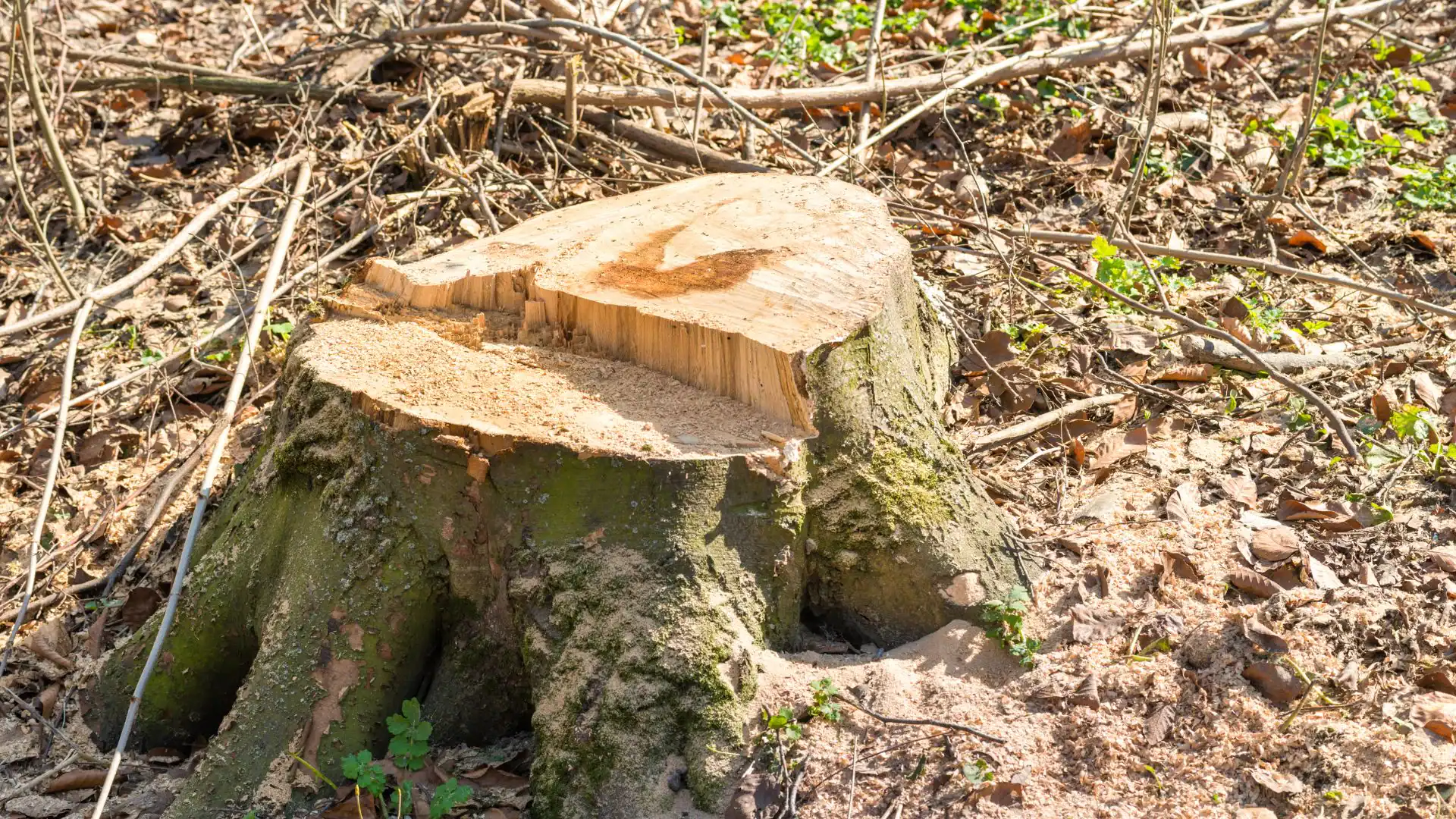
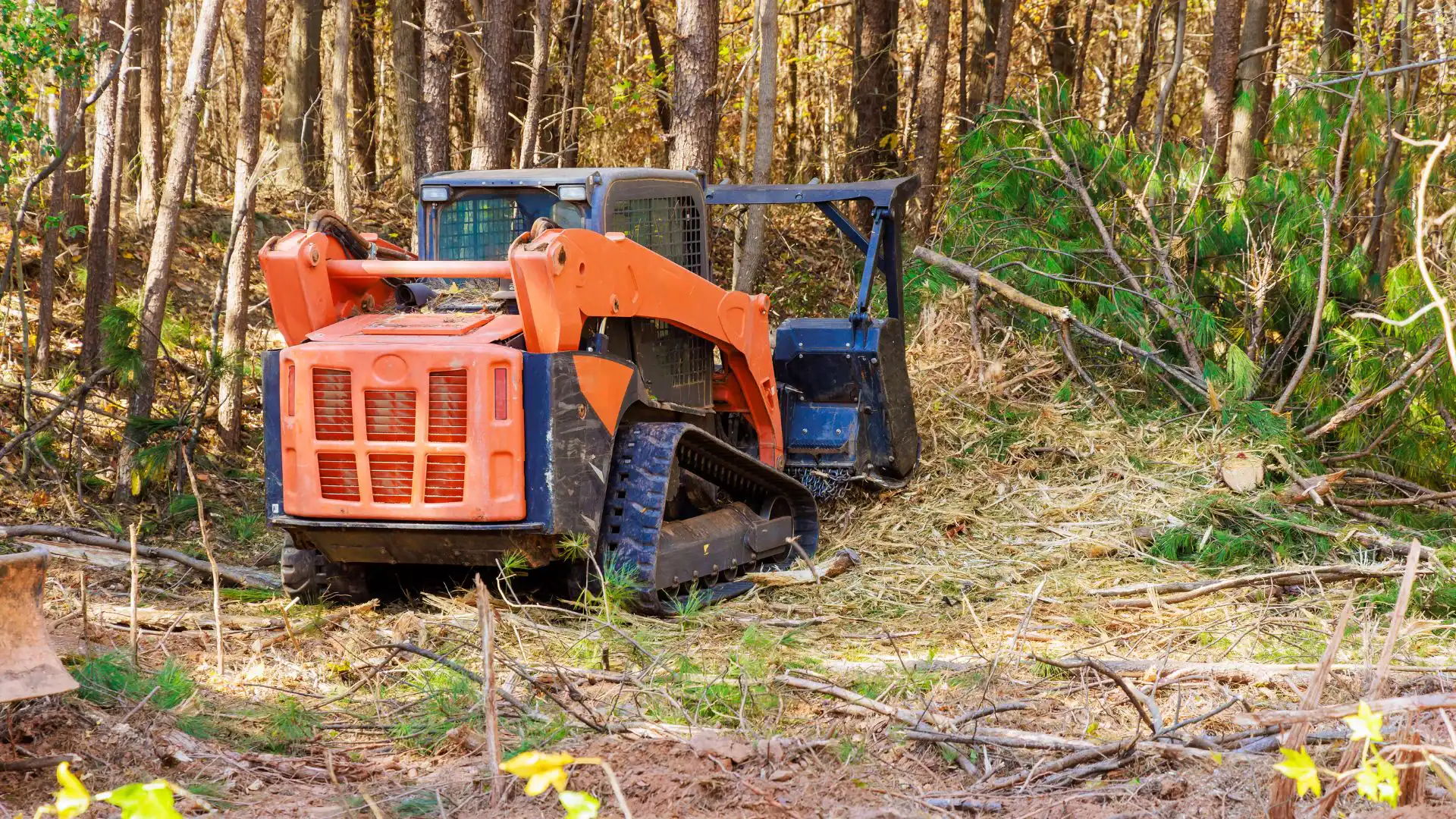
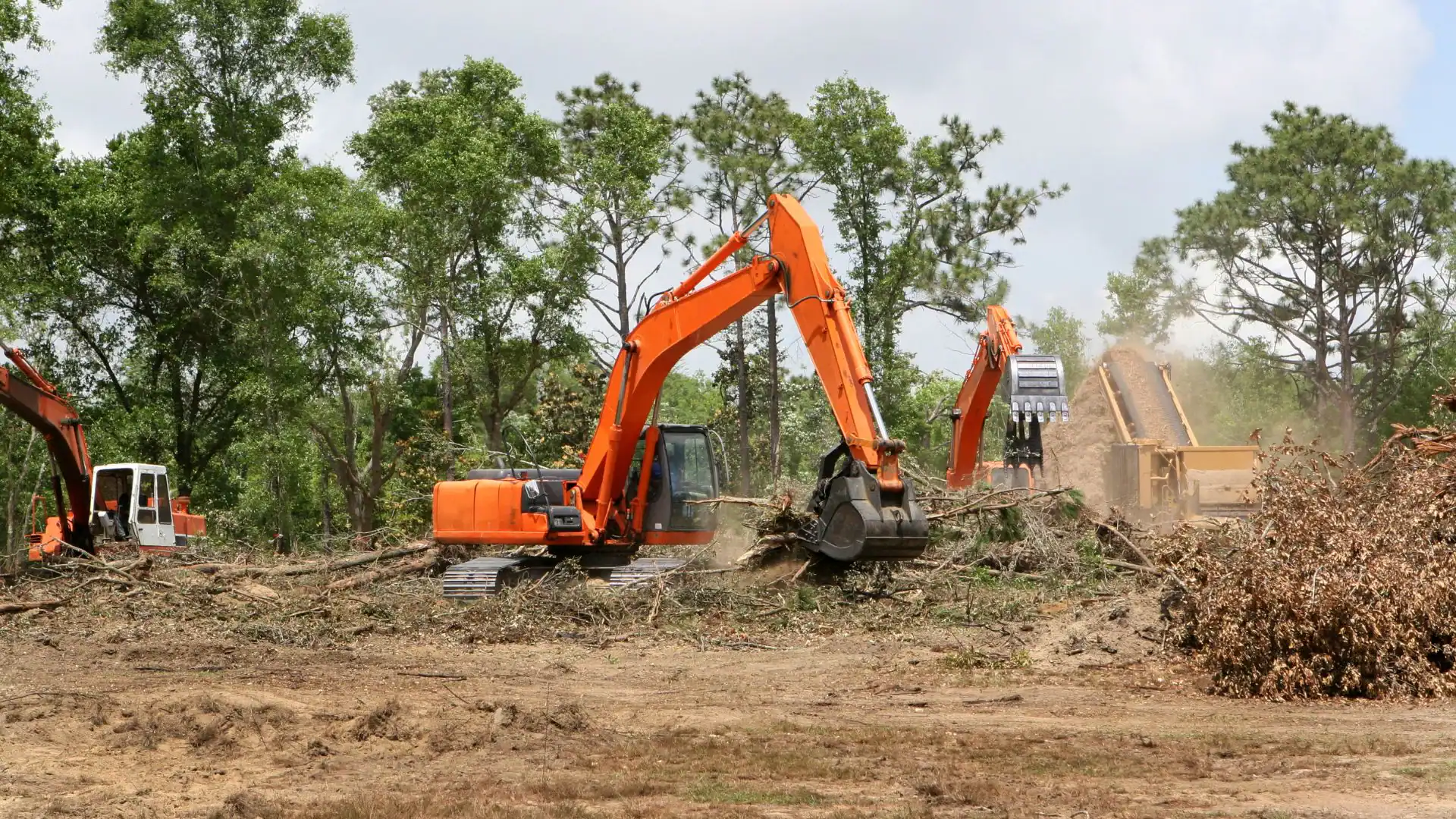
Once the site assessment is done and the scope is agreed in writing, we get to work. Clearing comes first trees, shrubs, brush, and invasive vegetation removed to the agreed specification. Stump grinding follows, taking root systems below grade so regrowth doesn’t undo the work within a season or two. Then debris removal. Every load is hauled off site. We don’t leave piles at the property line and call it done.
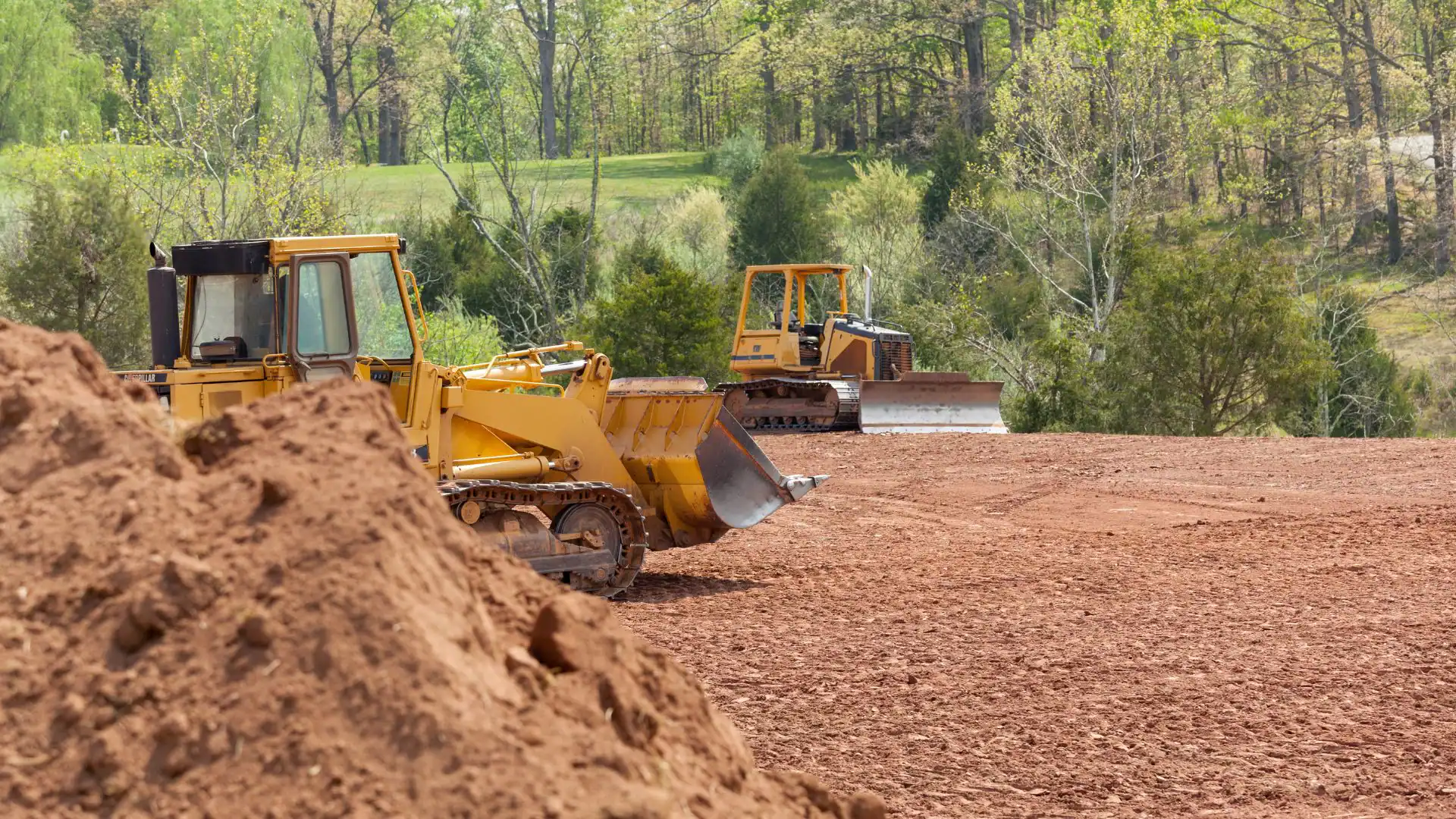
What you get at the end is a clean, level site that’s ready for whatever comes next whether that’s a builder, a landscaper, or simply a yard you can walk through again. The whole process is transparent, itemised, and confirmed with you before it starts. No scope creep, no surprise line items at invoice time.
Ready to get started?
Land clearing in Nesconset isn’t one-size-fits-all. A vacant lot being prepared for new construction has different requirements than a backyard that’s been left alone for five years, and both are different from a property near Gibbs Pond where wetland setback rules may apply. We scope every job individually lot clearing, brush clearing, overgrown property clearing, land reclamation, vegetation removal based on what’s actually on your site, not a standard package that may or may not fit.
For residential clearing in Nesconset, the most common scope includes woody vegetation removal, stump grinding below grade, invasive species clearing particularly multiflora rose and autumn olive, which are both widespread on Long Island’s sandy soils and full debris removal with off-site haulage. If your property has pitch pine or mature scrub oak, we have the equipment to handle root systems completely, not just surface growth. That matters in this soil type, where deep-rooted native species will regenerate aggressively if the root system is left intact.
We hold all required licensing for land clearing work in Suffolk County and the Town of Smithtown, and we carry full public liability insurance ask for the certificate before you book and we’ll send it the same day. Every quote is itemised and written. You’ll know exactly what’s included, what it costs, and what the finished site will look like before we start.
Yes in most cases involving tree removal in Nesconset, you do. The Town of Smithtown’s Town Code, Chapter 285, makes it unlawful to remove or destroy trees on private property without proper authorisation. The permit requirement generally applies to trees over a certain diameter, and the town takes this seriously Smithtown has held a Tree City USA designation since 1986 and maintains a street tree inventory of over 30,000 trees. That’s not a town that looks the other way on unpermitted removal.
There are exemptions dead, diseased, or hazardous trees can typically be removed without a permit but the determination of what qualifies isn’t always straightforward. The safest approach is to have a contractor who knows the rules assess your property before anything is cut. We review permit requirements as part of every site visit in Nesconset, so you know exactly where you stand before clearing begins, not after a stop-work order shows up.
For residential land clearing in the Nesconset area, a typical project runs somewhere between $1,500 and $4,500 depending on the size of the area, the density of the vegetation, and what’s included in the scope. Stump grinding is usually a separate line item expect roughly $100 to $350 per stump depending on diameter and debris removal and off-site haulage adds cost on top of that, typically in the range of $400 to $900 per load.
Those ranges reflect Long Island pricing, which runs higher than national averages due to labour costs, disposal fees, and the regulatory compliance overhead that comes with working in a town like Smithtown. What matters more than the number is knowing exactly what’s included before you agree to anything. A quote that looks low because it excludes stump grinding and debris removal isn’t actually a low quote it’s just incomplete. We provide itemised, written quotes so you can compare accurately and know what you’re paying for.
Nesconset was pine barrens before it was a suburb, and that legacy shows up on neglected or overgrown properties throughout the hamlet. The most common vegetation we encounter includes pitch pine, scrub oak, black cherry, multiflora rose, and autumn olive all of which are well-adapted to Long Island’s sandy, glacial outwash soils and will regrow aggressively if not properly removed. Pitch pine and scrub oak in particular have deep, persistent root systems that require professional-grade equipment to clear completely. Cutting above the surface and leaving the root system intact is a short-term fix regrowth typically reasserts within one to two growing seasons.
Invasive species like multiflora rose and autumn olive are also worth flagging. Both are widespread across Suffolk County, both form dense, impenetrable thickets, and both require more than a standard mow-down to remove. Poison ivy is also common on Long Island properties and is a genuine hazard to handle without proper protective equipment. If your property has any of these, a professional clearing crew with the right gear is the practical choice not just for the quality of the result, but for your own safety.
Potentially, yes. Properties within 100 feet of a New York State DEC regulated wetland may require a DEC permit before any clearing work begins. Gibbs Pond, located on Nesconset’s eastern border, is a regulated water body, and properties in that part of the hamlet particularly those near the pond’s edges or in low-lying areas adjacent to it may fall within that setback zone. Starting clearing work in a regulated wetland buffer without the required DEC permit can result in a stop-work order, fines, and mandatory site restoration at the property owner’s expense.
This isn’t something to guess at. We identify potential wetland adjacency issues as part of the initial site assessment, so you know before clearing begins whether a DEC review is needed. If it is, we’ll walk you through what that involves. It’s a straightforward process when it’s handled upfront and a much bigger problem when it isn’t.
For a standard residential clearing job in Nesconset a backyard, a side lot, or a small vacant parcel most projects are completed in one to two days once equipment is on site. Larger or more heavily overgrown properties, or those requiring significant stump grinding and debris removal, may run two to three days. The site assessment we do before quoting gives you a realistic timeline upfront, so you’re not guessing.
Timing also depends on the time of year. Spring and early summer are the busiest periods for land clearing on Long Island homeowners are motivated to act before construction or landscaping season peaks, and vegetation is actively growing, which makes the full scope of the job visible. If you’re working toward a construction start date or a renovation timeline, booking early in the season gives you more flexibility. Fall is also a good window deciduous vegetation drops, which makes it easier to assess the full extent of woody growth and stumps before the ground softens in late winter.
Yes and this is actually one of the more common scenarios we deal with in Nesconset. Long Island’s growing season is long, and the sandy soils in this part of Suffolk County support fast, dense regrowth. A property that was cleared or maintained a few years ago can become genuinely impassable within a couple of growing seasons, especially if multiflora rose, scrub oak, or black cherry have taken hold. If you’ve inherited a property, recently purchased something that wasn’t well-maintained, or simply let a section of your yard go for longer than intended, that’s not unusual and it’s not a problem that requires anything other than the right equipment and a clear scope.
What we’d call land reclamation taking a property from overgrown or impassable back to usable is a defined service, not an exception. We assess the full extent of the vegetation, clear in layers if needed, grind stumps below grade, and remove all debris from site. The result is a property you can actually walk through and make decisions about, rather than one you’re avoiding. If you’re not sure where to start, the site visit will answer that question.