
Hear from Our Customers
In Nesconset, water doesn’t pool on the surface for long. Long Island’s glacial sandy soil moves it fast straight down and sideways, directly against your foundation walls. That’s not a drainage issue a gutter upgrade will solve. It’s hydrostatic pressure, and it’s constant.
Most homes in Nesconset were built between the 1950s and 1970s. The original damp-proofing on those foundations was never meant to last forever and for most of them, that lifespan ran out a long time ago. Hairline cracks that looked minor in October have a way of widening by March after a few freeze-thaw cycles. What starts as a damp smell turns into visible seepage, then mold, then a problem your home inspector flags at the worst possible moment.
With Nesconset’s median home value sitting near $767,000, a wet basement isn’t just uncomfortable it’s a liability. A properly waterproofed basement protects your equity, removes a major inspection red flag, and if you’ve got a finished space down there used as a home office or family room, it protects the air your family breathes every day. That’s not a small thing.
Gold Coast Landworks is a Long Island-based contractor. We know Nesconset and the surrounding Smithtown area the post-war housing stock, the sandy glacial soil, the way a heavy August storm can push water into a basement that’s been dry for twenty years. We’re not a national franchise routing calls to whoever’s available. When you call us, you’re talking to someone who has worked on homes throughout Suffolk County, including the Smithtown area and communities along the Route 347 corridor.
What separates us from most contractors in this space is pretty simple: we don’t walk into your basement with a solution already in mind. We inspect first the walls, the floor, the exterior grading, where the water is actually coming from and then we tell you what we found. Sometimes that’s a $1,200 crack repair. Sometimes it’s a full interior drainage system. We’ll tell you which one your situation actually calls for, not which one has the better margin.
Every job comes with a written, transferable warranty. In a market where Nesconset homes sell in under 18 days, that warranty is worth something real when it’s time to list.
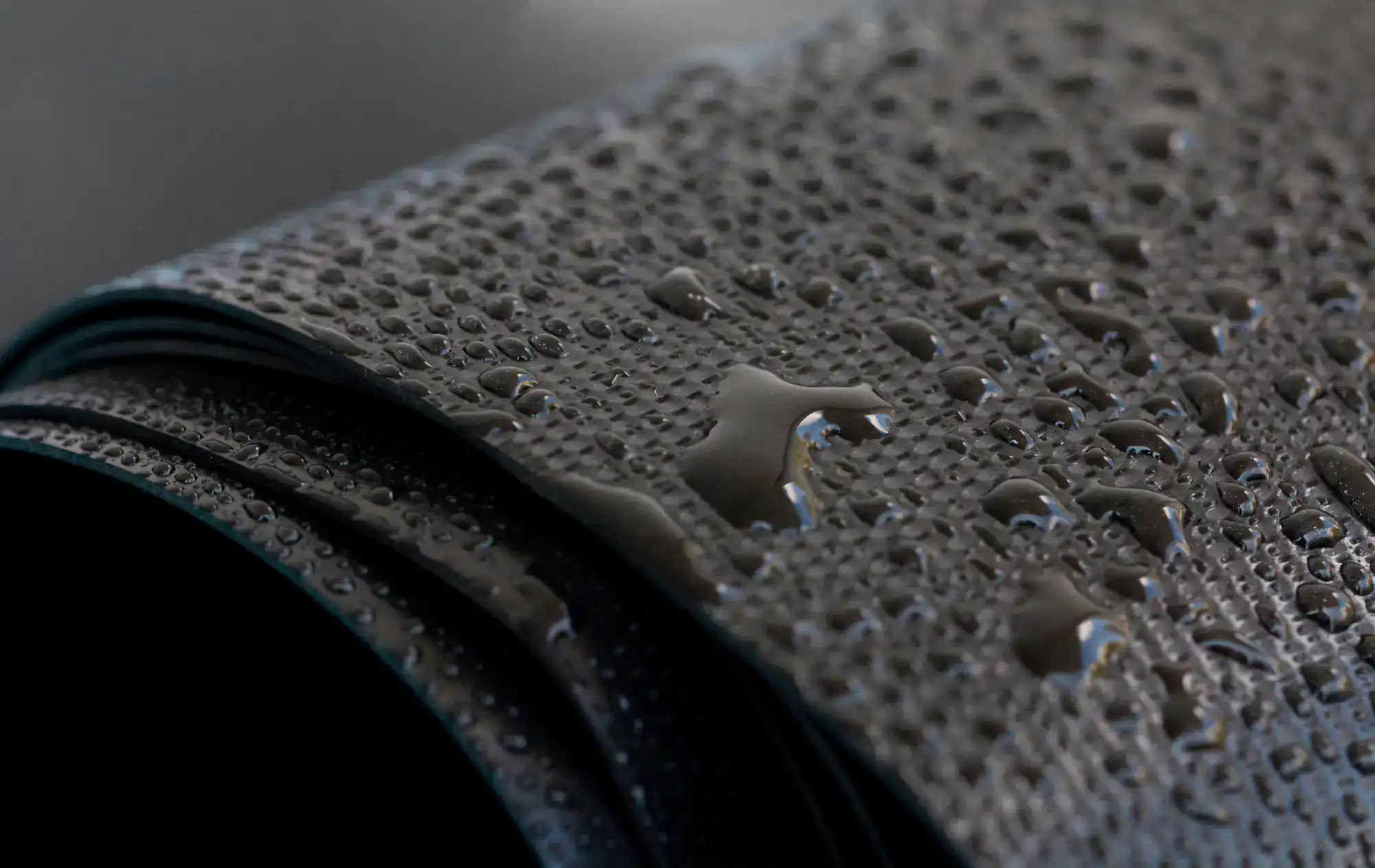
It starts with a free in-home inspection. No phone quotes, because a phone quote on a basement waterproofing job is essentially a guess. We come out, walk the basement, look at the foundation walls, check the floor for seepage points, and assess the exterior grading and drainage situation around your home. For a lot of Nesconset homes built in the 1960s and 70s, we’re looking at concrete block or poured concrete foundations that have been dealing with Long Island’s hydrostatic pressure for fifty-plus years. We know what to look for.
After the inspection, you get a written, itemized estimate. No pressure, no same-day-only pricing, no fear tactics. You’ll know exactly what the recommended work is, why we’re recommending it, and what it costs. If you want a second opinion, get one a contractor who’s confident in their diagnosis doesn’t need to rush you.
Most interior waterproofing work in Nesconset doesn’t require a permit through the Town of Smithtown, but if your project involves exterior excavation or grading changes, we’ll walk you through what’s required before anything starts. Sump pump discharge is also regulated in Suffolk County it can’t run onto neighboring property or into the right-of-way and we handle all of that correctly from the start. When the work is done, your basement is dry, your warranty is in writing, and there are no surprises on the invoice.
Ready to get started?
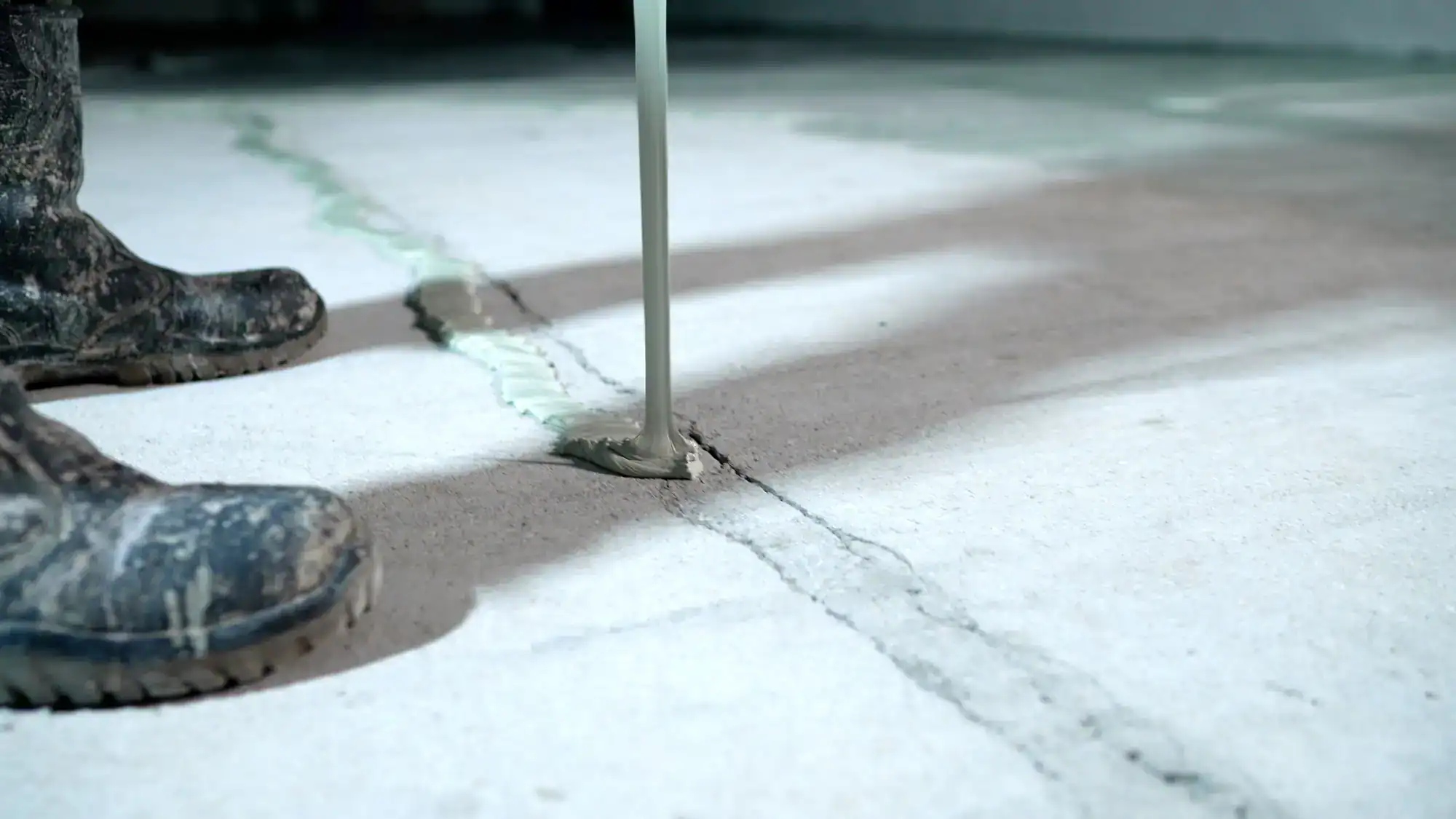
Basement waterproofing isn’t one thing. For some Nesconset homes, the right answer is foundation crack sealing high-pressure epoxy or polyurethane injection that bonds to the concrete from the inside out, stops water at the entry point, and restores structural integrity to a crack that’s been slowly widening through winter after winter. For others, it’s a full interior drainage system that intercepts water at the foundation perimeter and routes it to a properly sized sump basin before it ever reaches the floor.
Sump pump installation is a core part of what we do, and in this area it matters more than people realize. The storms that flood Nesconset basements the kind that prompted water rescues in August 2023 are exactly the storms that knock out power. A sump pump running on grid power alone is useless the moment the lights go out. We install complete systems that include a properly sized primary pump for your basement’s square footage and water volume, plus battery backup that keeps running through extended outages. That combination is what actually protects you when a storm hits.
Waterproofing basement walls, managing hydrostatic pressure, and keeping moisture out of finished spaces are all part of the same problem. We look at your basement as a system not a checklist of upsell opportunities and build a solution that fits what your specific foundation actually needs. Suffolk County’s groundwater regulations matter here too, and every material and discharge method we use is fully compliant.
This is one of the most common questions we hear from homeowners in Nesconset, and the answer comes down to soil and volume. Long Island’s sandy glacial soil is highly permeable water moves through it quickly rather than pooling on the surface. During normal rainfall, that water disperses gradually and your foundation handles the low-level pressure without issue. But during a heavy storm, the volume overwhelms the soil’s drainage rate, and water accumulates against your foundation walls faster than it can move away. That’s when hydrostatic pressure spikes and water finds its way in through cracks, mortar joints, or the floor-wall joint.
The August 2023 storm that hit the Smithtown area a documented one-in-1,000-year rain event made this reality visible for a lot of Nesconset homeowners who had never seen water in their basement before. If your basement leaked during that storm or any storm since, that’s not bad luck. That’s your foundation telling you the original waterproofing has run its course. The fix depends on where the water is entering and why, which is exactly what a proper inspection determines.
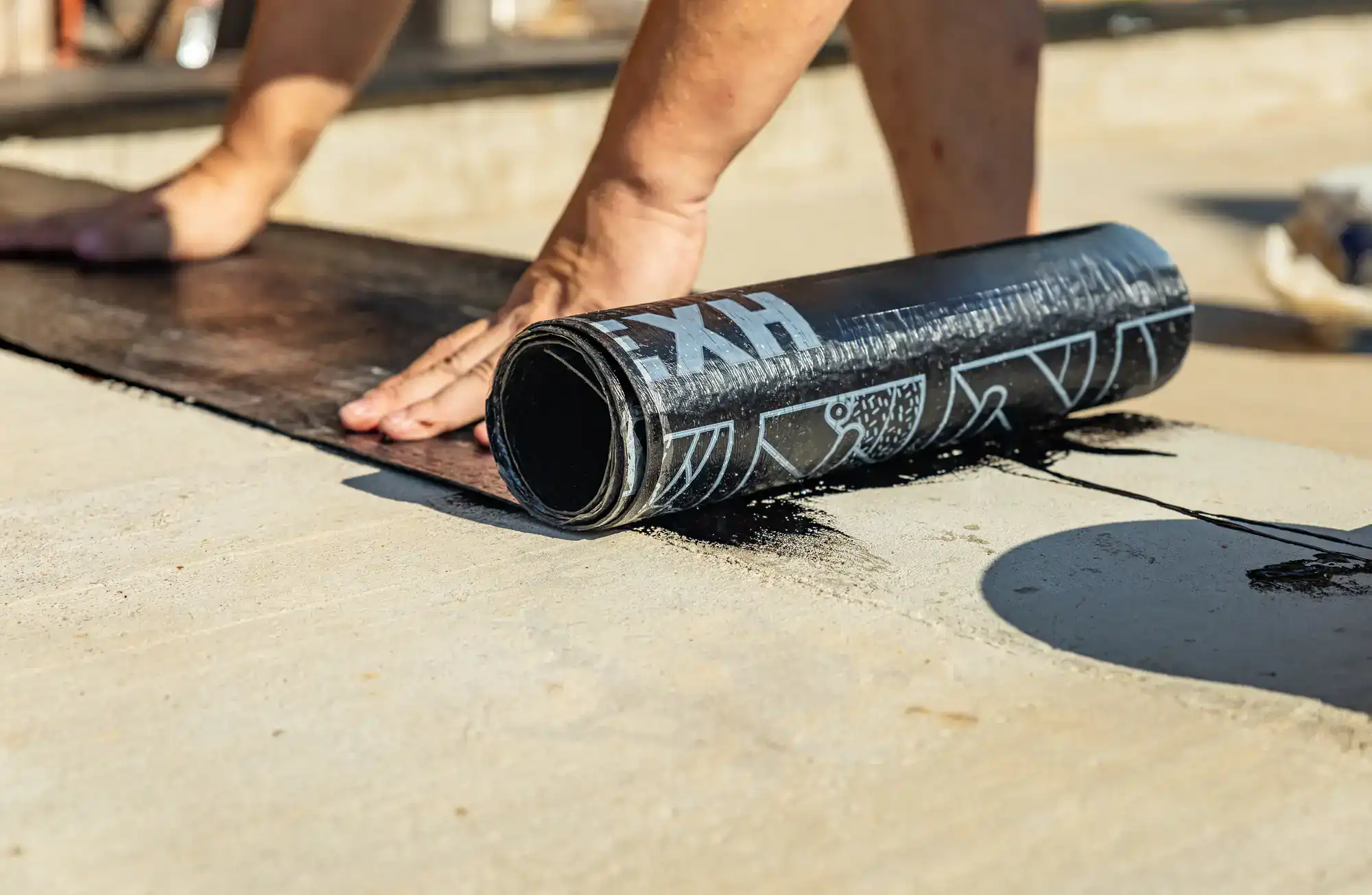
Exterior waterproofing involves excavating around the foundation to apply a waterproof membrane directly to the outside of the wall, stopping water before it ever contacts the foundation. It’s the most comprehensive approach, but it’s also the most invasive and expensive typically $15,000 to $30,000 or more depending on the size of the home and site conditions. For most homes in Nesconset, exterior waterproofing is not the first recommendation unless there’s a specific structural reason it’s warranted.
Interior waterproofing manages water after it reaches the foundation perimeter but before it enters the living space. A drainage channel is installed at the base of the foundation walls, water is routed to a sump basin, and a pump removes it from the home. This approach is effective, less disruptive, and significantly more affordable typically $4,500 to $10,000 for a standard basement. For Long Island’s housing stock and soil conditions, interior systems are the most practical solution for the vast majority of homes. The right answer for your home depends on what the inspection finds, not on which option has a higher price tag.
Cost varies based on what the problem actually is, which is why we don’t quote over the phone. That said, here are honest ranges so you can plan accordingly. Foundation crack sealing using epoxy or polyurethane injection typically runs $800 to $1,500 per crack. A full interior drainage system for a standard basement runs $4,500 to $10,000. Sump pump installation ranges from $600 to $1,900 depending on the system, and adding battery backup which we strongly recommend for this area given how frequently storms knock out power adds $300 to $600 to that cost.
For Nesconset homeowners specifically, it’s worth framing these numbers against the alternative. A crack repair deferred through one or two more winters can become a structural repair costing $10,000 to $30,000. Mold remediation after a significant moisture event averages $2,000 to $6,000, and standard homeowners’ insurance typically won’t cover gradual water intrusion. In a market where your home is likely worth close to $767,000, the math on professional waterproofing is straightforward.
For most interior basement waterproofing work drainage channel installation, sump pump systems, wall membrane systems, and foundation crack sealing you generally do not need a building permit through the Town of Smithtown. These are classified as maintenance and repair work on an existing structure. That said, there are exceptions worth knowing about.
If your project involves exterior excavation to expose the foundation, changes to the grading around your home, or modifications to how stormwater is managed on your property, a permit may be required. Sump pump discharge is also regulated in Suffolk County, the discharge cannot be directed onto neighboring property or into the public right-of-way, and the discharge point must be positioned to move water away from your foundation. We handle all of this correctly on every job. If there’s any question about whether your specific project requires a permit, we’ll confirm with the Town of Smithtown Building Department before work begins not after.
This is a fair concern, and the honest answer is that you can’t always tell from looking at it which is why an in-person inspection matters. That said, there are patterns worth knowing. Hairline cracks in poured concrete that run vertically are often shrinkage cracks from the original curing process and may not be structurally significant. Horizontal cracks in concrete block walls are more serious they can indicate lateral soil pressure pushing against the foundation, which is a structural issue that needs to be addressed promptly. Stair-step cracks through mortar joints in block foundations typically indicate settling and can become active water entry points even if they started as cosmetic.
For Nesconset homes built in the 1950s through 1970s, the foundation has been through fifty or more winters of freeze-thaw cycling. Every cycle that pushes water into a crack and freezes it widens that crack a little more. A crack that looks minor today has a history behind it, and without knowing how long it’s been there and how it’s been changing, you can’t accurately assess the risk. We look at the full picture crack pattern, location, width, any evidence of water staining or efflorescence and give you a straight answer about what it means and what it needs.
In Nesconset’s current market, homes are selling in under 18 days and frequently above asking price. But a wet basement or any evidence of water intrusion is one of the few things that consistently slows that process down or stops it entirely. Buyers’ inspectors flag moisture immediately, and a disclosure requirement around water intrusion can trigger price reductions of $20,000 to $50,000 or more often far exceeding what the waterproofing work would have cost.
A professional waterproofing system with a transferable warranty works in the opposite direction. It’s a documented improvement you can present to buyers, it removes a common inspection flag before it becomes a negotiating point, and it signals that the home has been maintained responsibly. Our warranties transfer to the new owner, which is a concrete benefit in a market where buyers are paying close to $767,000 for a home and want assurance that the foundation is sound. Whether you’re listing in six months or six years, addressing the basement now is one of the more straightforward ways to protect your sale price.