
Hear from Our Customers
When water stops coming in, you stop losing ground literally. A properly waterproofed basement in Coram isn’t just more comfortable to be in. It’s a cleaner, healthier space for your family, a stronger selling point in a market where median home values are pushing $550,000, and protection against the kind of mold growth that spreads quietly through your HVAC long before you see it on a wall.
Coram sits at the western edge of the Central Pine Barrens, where the sandy glacial soils let rainwater move fast and deep. After a heavy storm the kind Long Island saw in August 2024 when flash flooding shut down sections of the LIE the water table under your foundation can rise faster than most homeowners expect. If your home was built in the 1970s or early 1980s, which describes most of the housing stock here, the original dampproofing on your foundation walls was never designed to handle that kind of pressure. It was designed for soil moisture, not hydrostatic force. That’s a meaningful difference.
Getting ahead of this isn’t about spending money you don’t have. It’s about not spending far more later. A crack sealed today costs a fraction of what structural repair costs after two or three Long Island winters have had their way with it.
We’re a Long Island-based basement waterproofing contractor serving homeowners across Suffolk County, including Coram and the surrounding communities of Medford, Middle Island, Selden, and Port Jefferson Station. Every job starts the same way with an honest look at what’s actually causing the problem, not a pitch for the most expensive solution on the menu.
That matters in Coram. This is a working community. The people who live off Middle Country Road and Route 112, whose kids go to Longwood or Middle Country schools, aren’t looking for a contractor who shows up with a clipboard and a $15,000 proposal before we’ve even looked at the wall. You want someone who can explain what we’re seeing, what’s causing it, and what it actually takes to fix it.
That’s what we do. No phone quotes, no pressure, no guesswork. You get a written estimate after a real inspection and a recommendation that fits the problem, not the upsell.
It starts with a thorough inspection interior and exterior. We’re looking at the foundation walls, the floor-to-wall joint, any visible cracks, how water is entering, and where it’s coming from. In Coram, that last part matters more than people realize. A home near the Overton Ponds Preserve or in a lower-lying section of the hamlet can face very different groundwater pressure than one on higher ground near Pine Ridge. The diagnosis has to account for that.
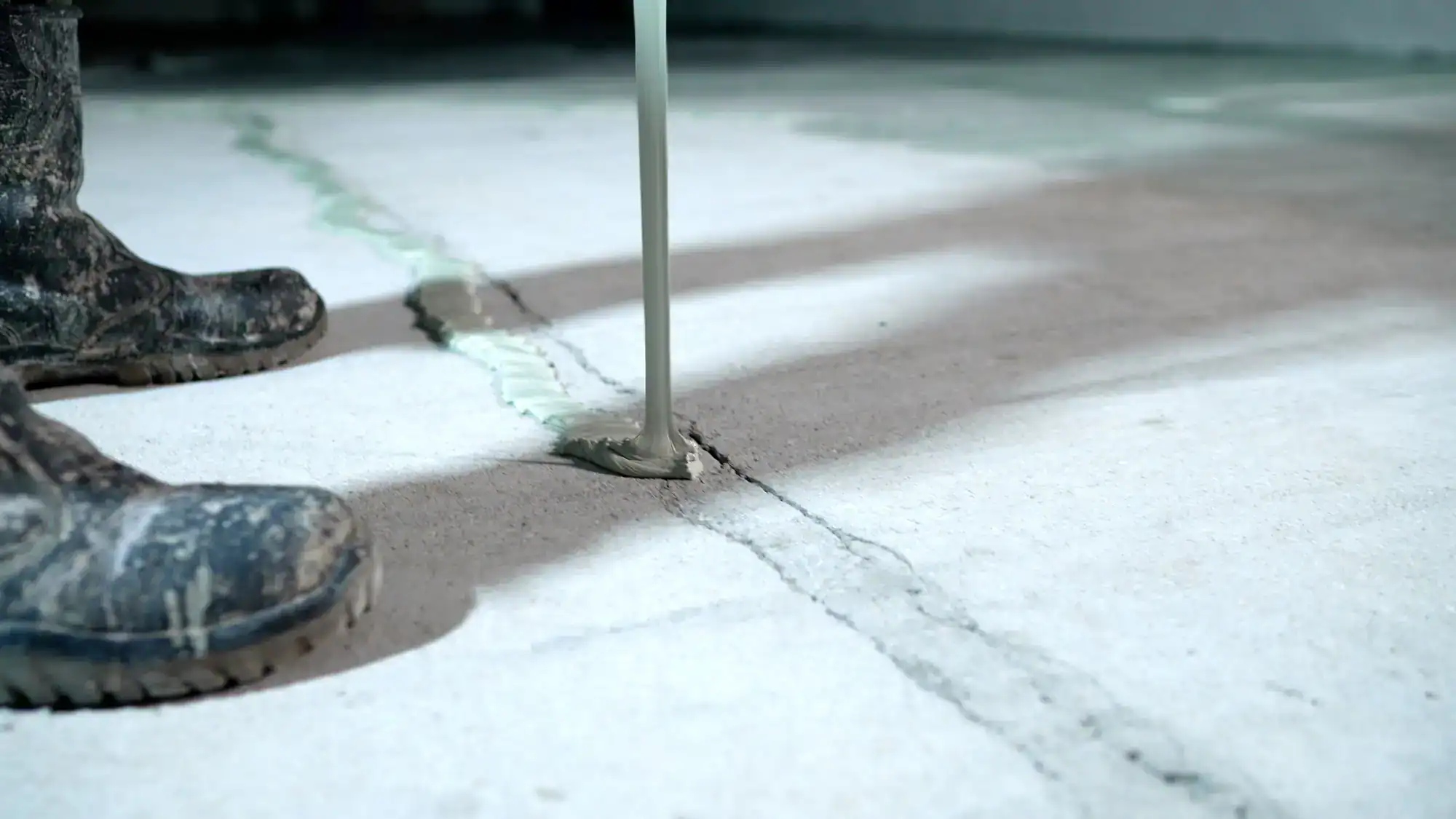
Once we understand the source, we recommend the right fix. That might be epoxy or polyurethane injection for a foundation crack a method that fills the crack from the inside out and bonds to the concrete, stopping further movement. It might be an interior drainage channel installed at the perimeter of the foundation, connected to a sump pump system with battery backup, so your basement stays dry even when the power goes out mid-storm. Or it might be something simpler. Not every wet basement needs a full drainage system, and we’ll tell you that honestly if it’s the case.
Before any structural work begins, we confirm what’s required with the Town of Brookhaven Building Department. Coram is a hamlet within Brookhaven Town, and certain waterproofing installations particularly interior drainage systems may require a permit. We handle that process so you don’t have to navigate it yourself.
Ready to get started?
Basement waterproofing isn’t one thing. It’s a category that covers everything from sealing a single foundation crack to installing a full perimeter drainage system with a sump pump and the right answer depends entirely on what’s happening in your specific basement.
For Coram homes with isolated foundation cracks common in the poured concrete and concrete block construction that dominates the hamlet’s mid-century housing stock foundation crack sealing using epoxy or polyurethane injection is often the most targeted and cost-effective solution. It addresses the structural integrity of the crack, not just the surface appearance. For basements where water is entering through the cove joint, through porous block walls, or through multiple points along the perimeter, interior basement waterproofing with a drainage channel and sump pump system is typically the right call. Sump pump installation in Coram should always include a battery backup component given the area’s exposure to storm-related power outages.
Waterproofing basement walls from the interior is also an option for homes where exterior excavation isn’t practical which describes most of the single-family homes on standard suburban lots throughout the hamlet. Whatever the scope, you’ll know exactly what’s included, what it costs, and why it’s the right approach before any work begins.
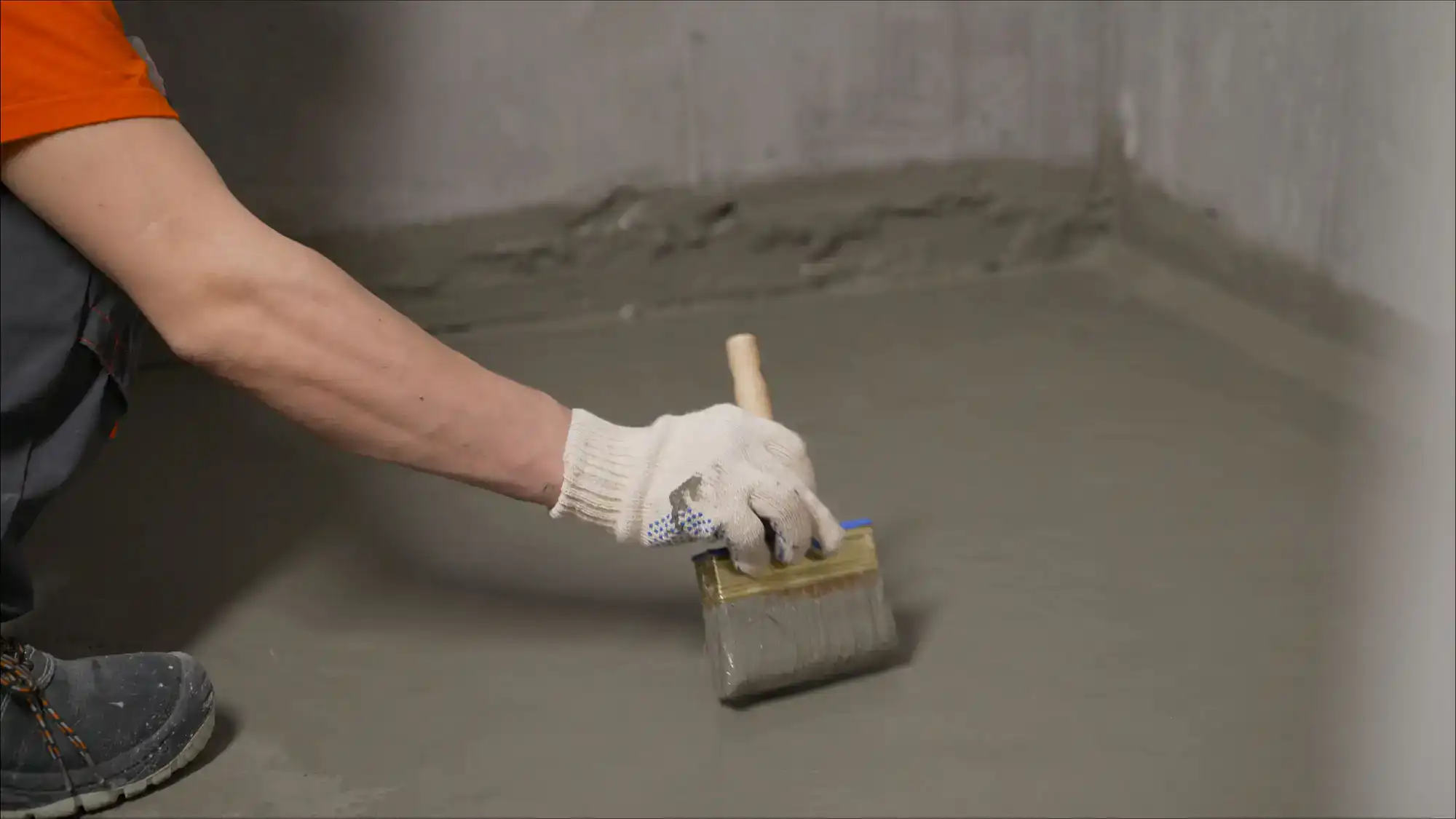
The most common reason is hydrostatic pressure. When it rains heavily in Coram, the sandy glacial soils near the Pine Barrens absorb water quickly and push it toward the water table. If that table rises close to your foundation which it can do fast in this area water finds the path of least resistance: cracks in the foundation wall, the joint where the wall meets the floor, or porous concrete block that was never truly waterproofed to begin with.
Most homes in Coram were built between the 1960s and 1980s, and the dampproofing applied to their foundations at that time was designed for normal soil moisture, not the pressure that builds during a significant storm event. Over 40 to 50 years, that original coating has degraded. What you’re seeing after rain isn’t bad luck it’s a foundation that’s no longer protected the way it needs to be. The fix starts with identifying exactly where and how water is getting in, which is why a proper inspection matters before any repair work begins.
It depends on the scope, and that’s not a dodge it’s genuinely true. A single foundation crack sealed with epoxy or polyurethane injection typically runs between $800 and $1,500. A sump pump installation, which is one of the most common recommendations for Coram homes given the area’s groundwater dynamics, generally falls in the $600 to $1,900 range depending on the system and whether battery backup is included. A full interior drainage system with sump pump the more comprehensive solution for basements with water entering along multiple points typically costs between $4,500 and $10,000.
What drives cost up isn’t the work itself it’s diagnosing the wrong problem and installing the wrong solution. A contractor who recommends a full drainage system for a basement that only needs a crack injection isn’t saving you anything. That’s why the inspection comes first, and why the estimate you receive from us reflects what your basement actually needs not the highest-margin option available.
It depends on the type of work. Coram is a hamlet within the Town of Brookhaven, so building permits are issued through the Brookhaven Building Department there’s no separate village permitting office here. Surface-level repairs like crack injection, waterproof coatings, and minor sealant work typically don’t require a permit. But more involved work particularly interior drainage system installations or any structural modification to the foundation generally does.
This is something we confirm before starting any job in Coram. Pulling the right permit protects you as the homeowner: it creates a record of the work, ensures it meets code, and matters when you go to sell the home. A buyer’s attorney or home inspector will ask whether permitted work was done with documentation. Skipping that step to save time upfront can create real complications down the road, especially in a market where Coram homes are selling quickly and buyers are thorough.
Dampproofing is what most homes in Coram were built with a thin asphalt-based coating applied to the exterior of the foundation during original construction. It’s designed to resist soil moisture under normal conditions. It is not designed to hold back hydrostatic pressure, which is what builds up when the water table rises or when water saturates the soil around your foundation after a heavy storm.
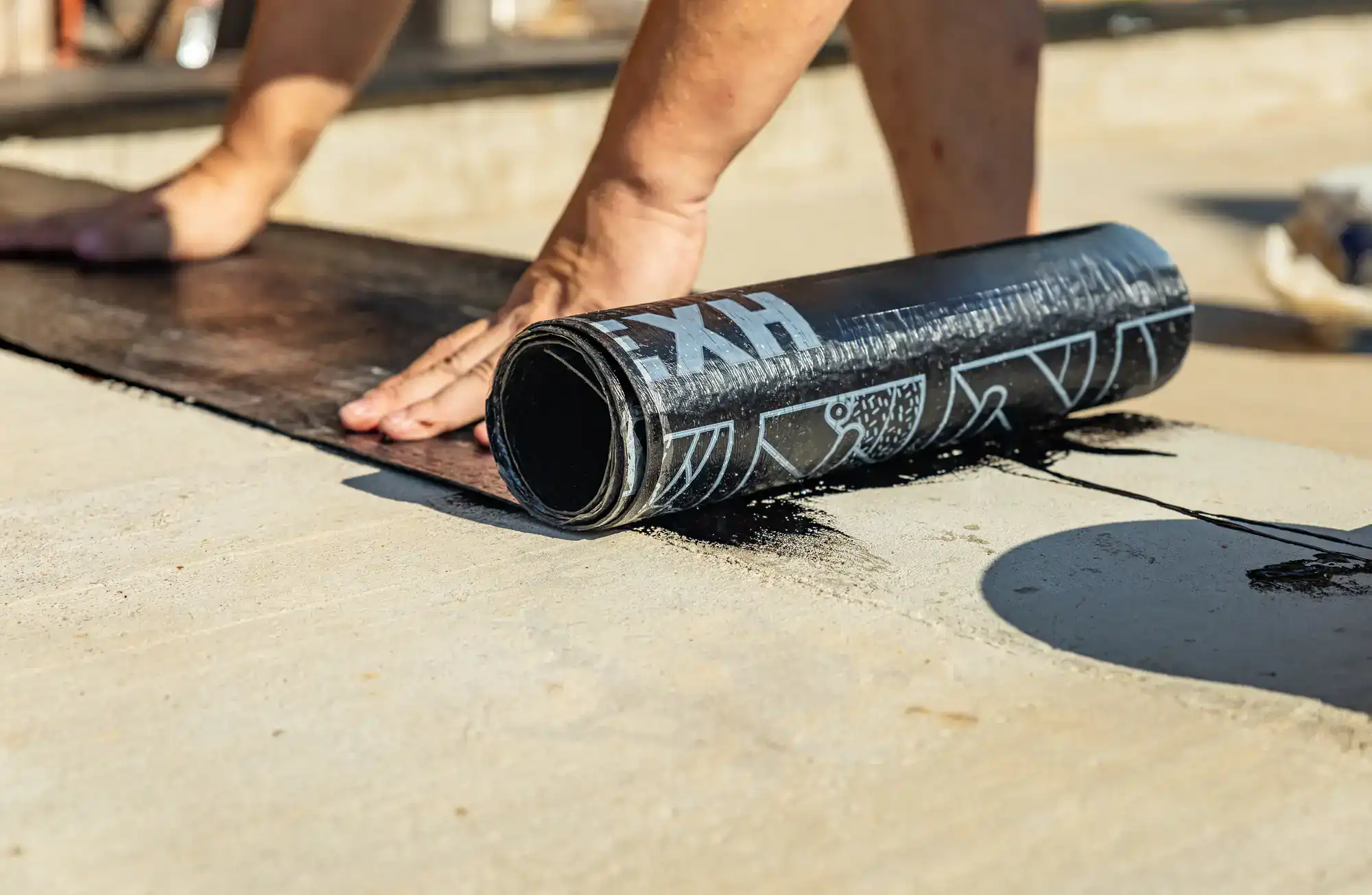
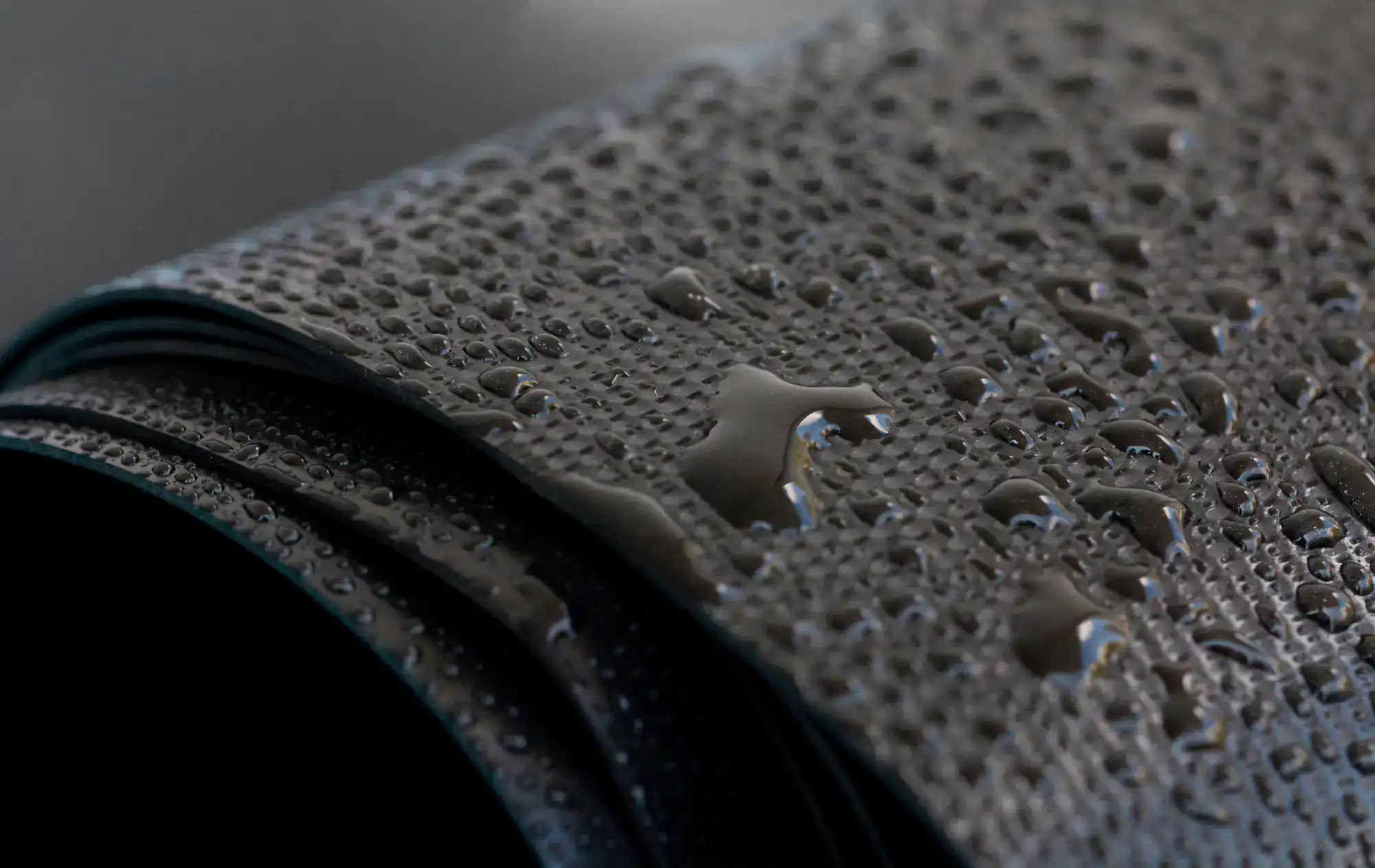
Waterproofing is a different standard entirely. It involves systems interior drainage channels, sump pumps, membrane applications, crack injection that are engineered to manage water even when pressure builds. For a home built in 1975 in Coram, the dampproofing applied at that time has likely been degrading for decades. It may still be doing something, or it may have failed entirely. Either way, it was never the right tool for the conditions Long Island homes face today, particularly given the documented rise in groundwater levels across Suffolk County’s aquifer system. Understanding which one you have and what it can actually do is the starting point for any honest waterproofing conversation.
A sump pump alone manages water that has already accumulated it removes it. A drainage system controls where water goes before it has a chance to pool on your floor. Whether you need one, the other, or both depends on how water is entering your basement and how much of it there is.
If your basement takes on water during significant rain events and you’re in a lower-lying section of Coram near the Overton Ponds Preserve, for example, or in an area with less natural drainage a sump pump with battery backup is often a minimum recommendation. Battery backup matters here specifically because the storms that push the water table up are the same storms that knock out power. A pump that stops working when the power goes out is not protecting you when you need it most. If water is entering along multiple wall sections or through the floor-wall joint, a perimeter drainage channel that directs water to the sump pit before it spreads is typically the more complete solution. The inspection tells us which situation you’re in.
In the current Coram market where median sale prices are around $550,000 and homes are moving a wet basement flagged during a home inspection is one of the fastest ways to lose a deal or get hit with a price reduction. Buyers and their inspectors take foundation water intrusion seriously, and lenders sometimes do too depending on the severity.
Getting the waterproofing done before listing accomplishes a few things. It removes the issue from the inspection report entirely. It gives you documentation of professional work completed, which is a tangible asset at closing. And if the warranty is transferable which is something to confirm with us for your specific job it becomes a selling point you can hand directly to the buyer. For a home in Coram’s price range, the cost of waterproofing is a fraction of what a negotiated price reduction or a failed deal costs. Most homeowners who’ve been through the process say they wish they’d done it sooner, not because of the sale, but because of how much better the home felt to live in once the moisture was gone.