Hear from Our Customers
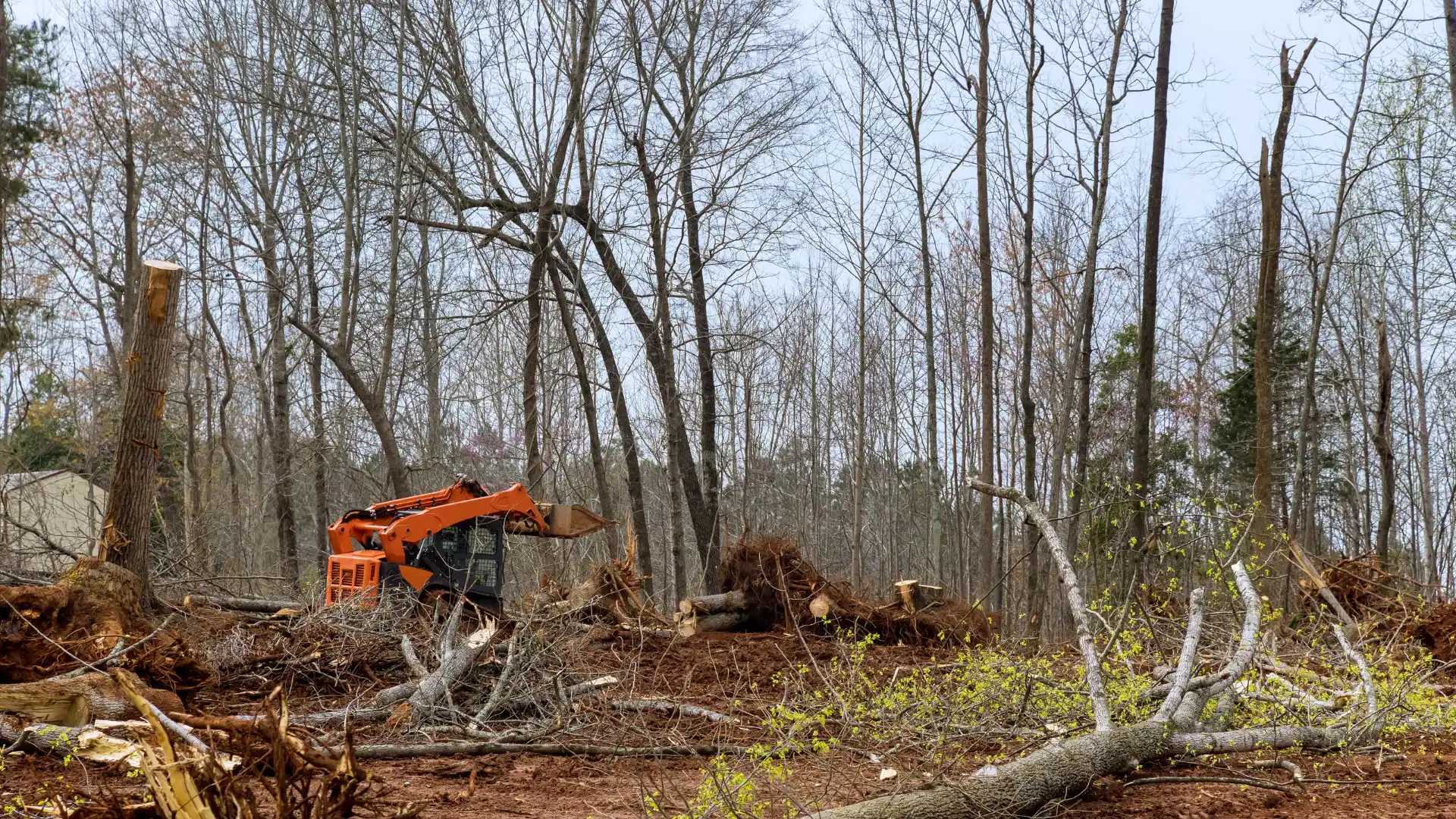
A lot of Coram properties look fine from the road. Then you walk the back half and realize you’ve been paying taxes on land you can’t get to. Dense scrub oak, pitch pine thickets, years of invasive growth it builds up fast on central Suffolk’s sandy soil, and once it gets ahead of you, it doesn’t stop on its own.
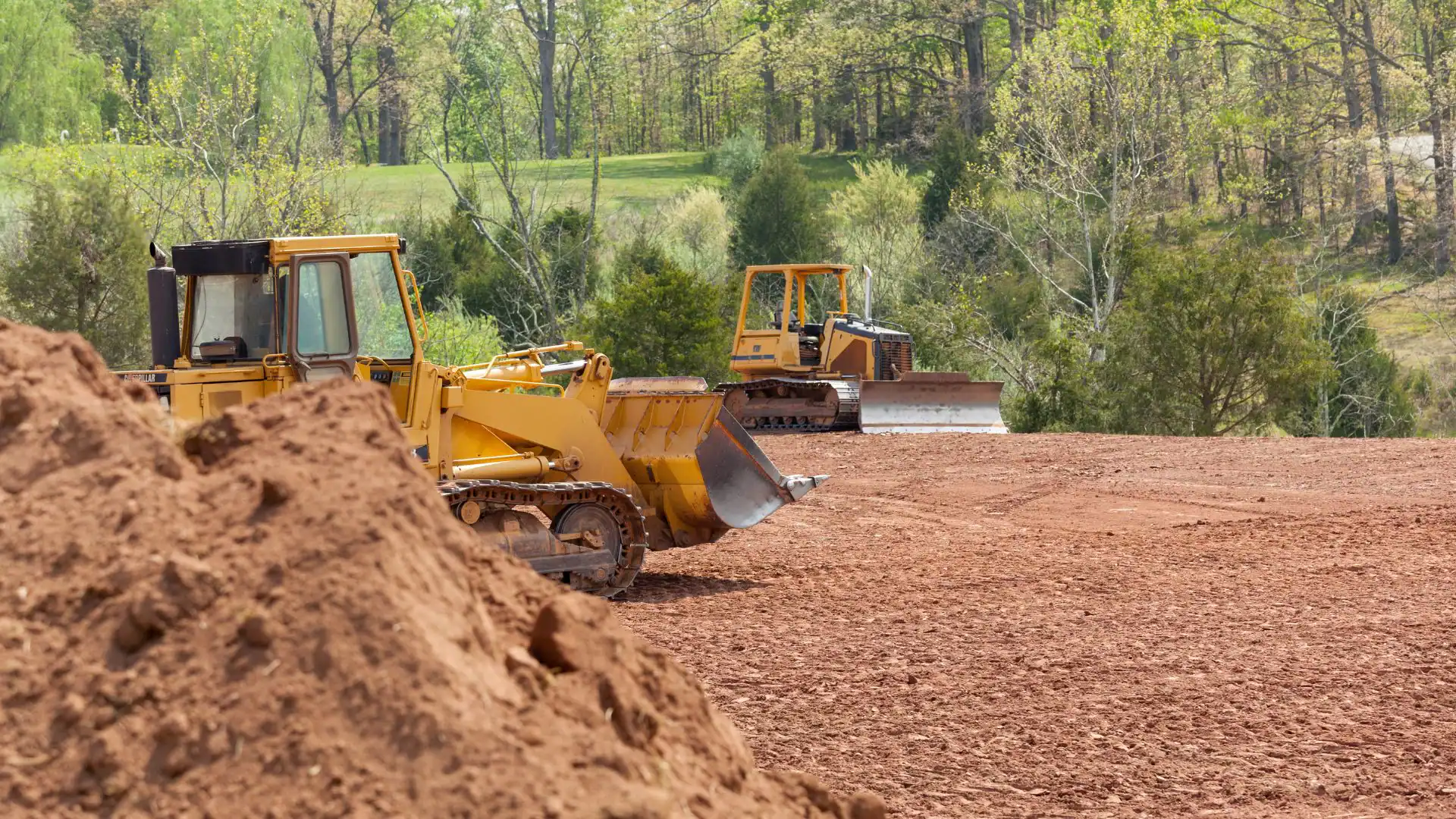
When we clear it properly, the whole property changes. You get usable space back. If you’re selling, a cleared lot in Coram’s market where homes are moving around the $550K mark and buyers are deciding fast shows significantly better than an overgrown one. If you’re building, you’re no longer waiting on a property that isn’t ready. The clearing work is what makes everything else possible.
What matters here is that the job gets done right the first time. The vegetation in Coram isn’t the same as what you’d find in Bay Shore or Huntington. The pine barrens ecology means certain plants will resprout aggressively if the root system isn’t addressed cut it back and walk away, and you’re dealing with the same problem again in a season. A contractor who understands what grows in central Suffolk, and how to remove it completely, saves you real money and real time.
We work across Long Island, and central Suffolk County is terrain we know well. The lots around the Route 25 and Route 112 corridor in Coram, the properties backing up toward the Longwood Pine Barrens, the older residential stock that’s been sitting since the postwar build-out we’ve worked in all of it. That familiarity isn’t a marketing line. It affects how we quote, how we plan, and how we execute.
We’re not a large operation that sends a salesperson to quote and a crew you’ve never met to do the work. The same people who assess your property are accountable for the outcome. Every job in Coram gets a straight scope, a clear number, and a clean site when we leave.
If your property is near a wetland buffer, or if it’s large enough to require a Town of Brookhaven Tree Clearing Permit under Chapter 70, we tell you before we start not after something goes wrong. That kind of upfront clarity is what this market is missing, and it’s what we bring to every job.
It starts with a site assessment. We walk the property, look at what’s growing, check the lot size and boundaries, and flag anything that affects the scope wetland proximity, permit requirements, bamboo or invasive species that need specific removal methods. For residential properties two acres or larger in Coram, that means checking whether a Town of Brookhaven Tree Clearing Permit is required under Chapter 70 before any work is scheduled. If it is, we walk you through what that process involves and what timeline to expect.
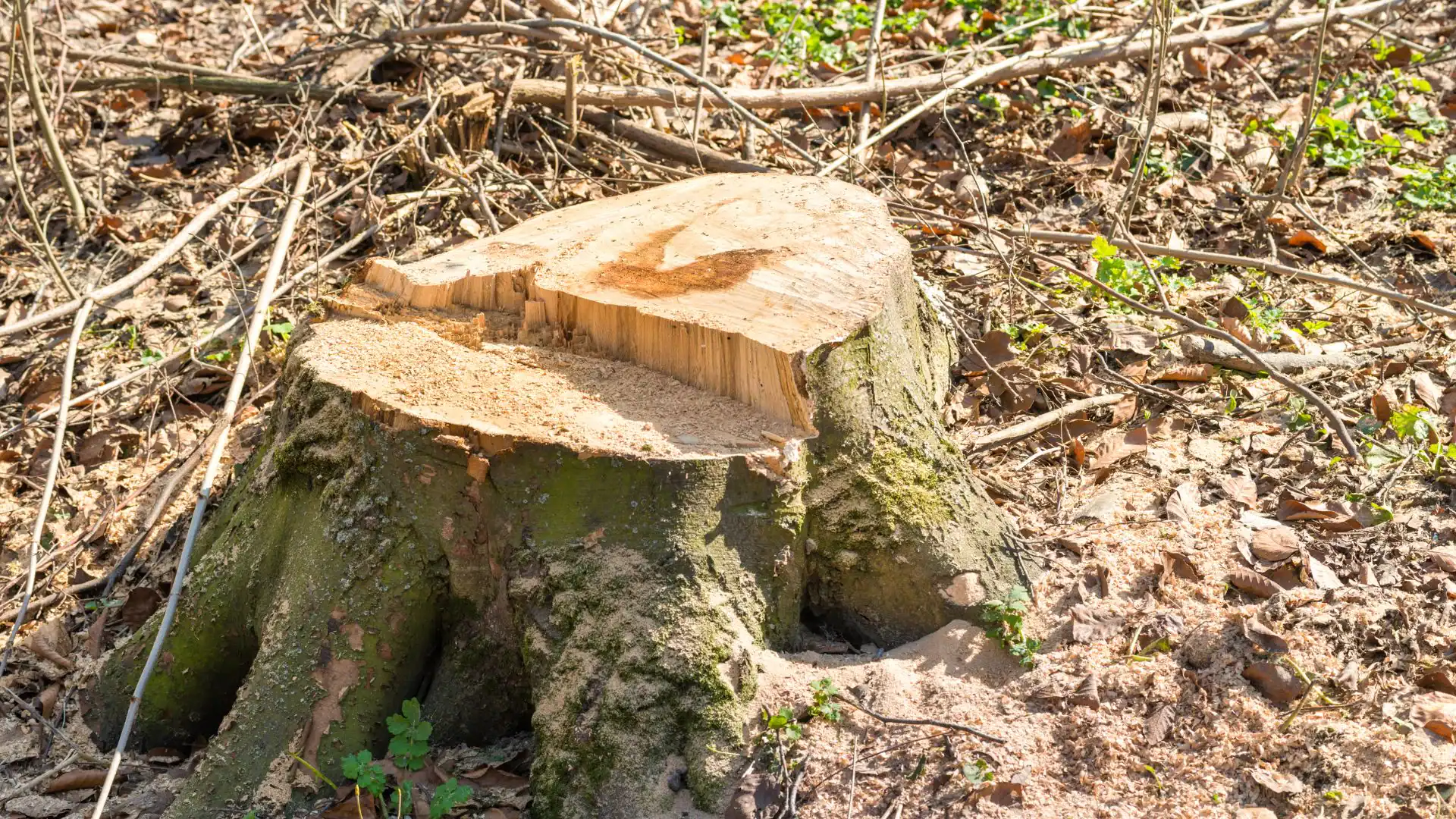
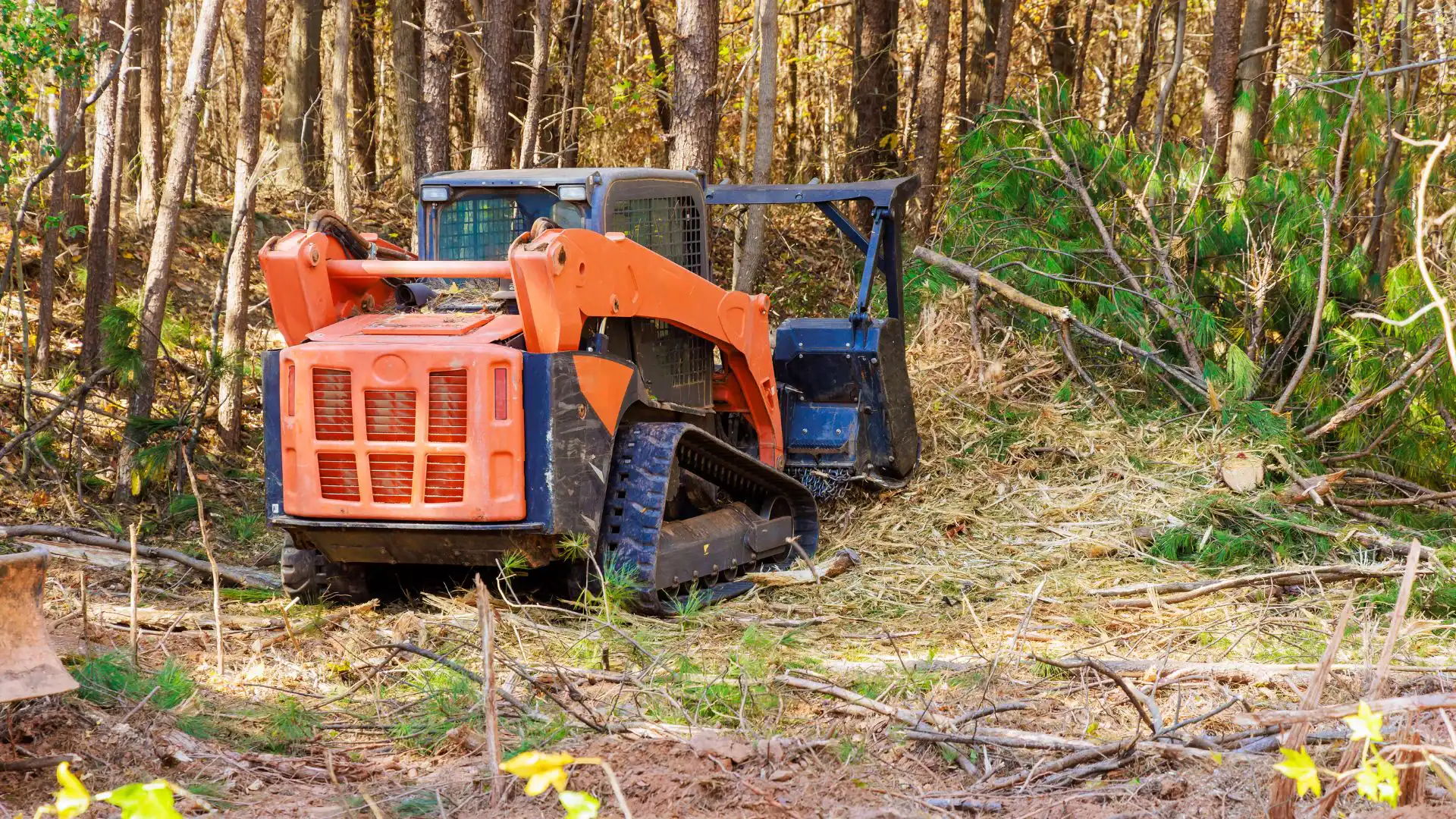
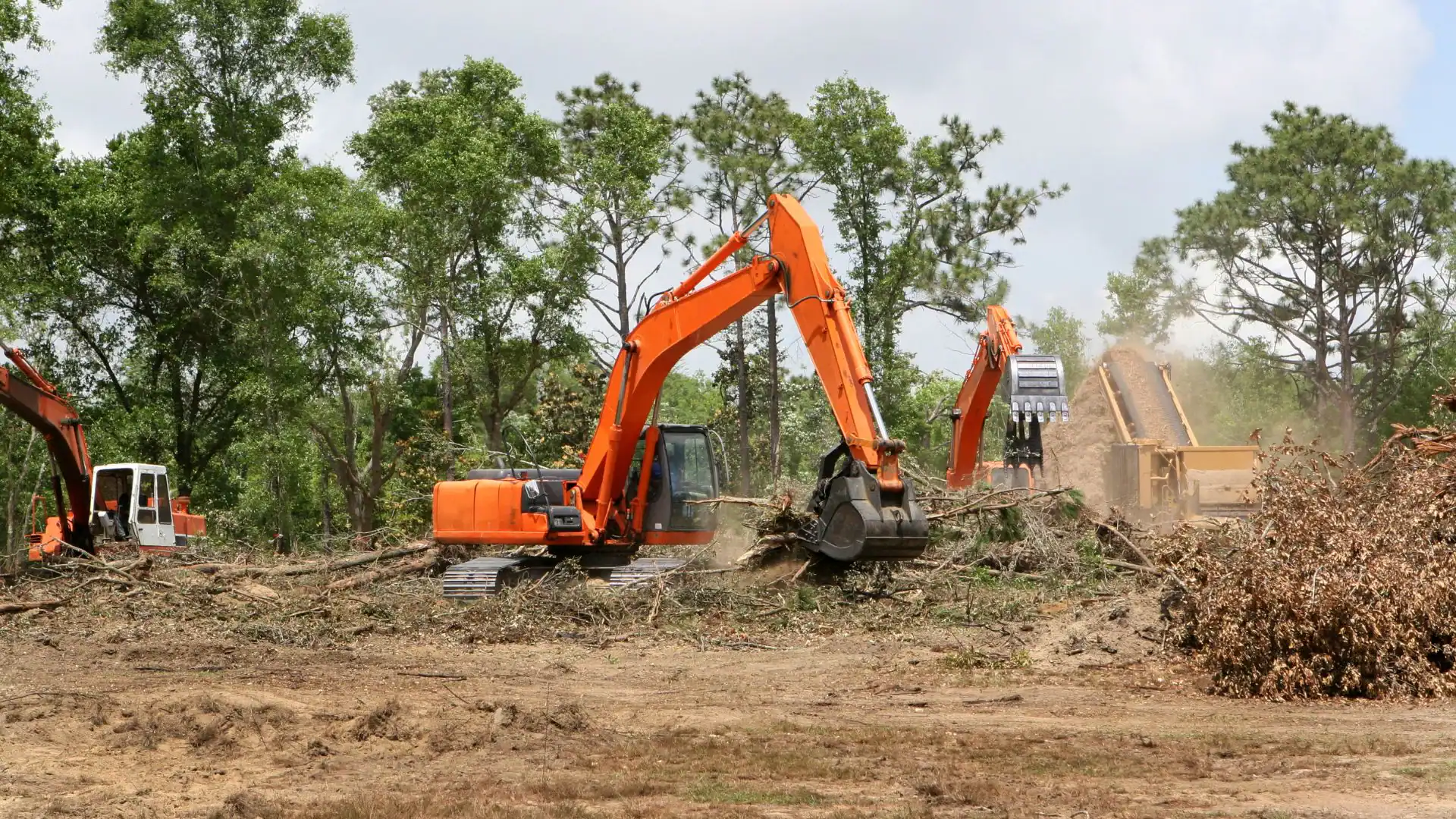
Once the scope is confirmed and agreed in writing, we schedule the work. Clearing comes first vegetation, brush, and overgrowth removed down to ground level. Stump grinding follows where needed. Debris is processed and removed from site. We don’t leave slash piles or stumps for you to deal with later. On Coram’s sandy, open lots, debris left behind doesn’t just look bad it moves around. We leave the site in the condition we agreed to.
Fall is typically the best window for clearing work in central Suffolk dry ground, reduced foliage, and firm conditions make for efficient access and cleaner results. That said, Coram’s well-drained sandy soils recover quickly after rain, so we can work year-round when your timeline requires it. Whatever your deadline is a listing date, a construction start, a permit application we treat it as seriously as you do.
Ready to get started?
Land clearing in Coram isn’t one thing. It’s overgrown property clearing on a lot that’s been neglected since the previous owner. It’s brush clearing services along a property line that’s been swallowed by invasive species. It’s lot clearing services before a new build, or land reclamation services on a back section of the yard that hasn’t been touched in years. The scope changes job to job, but the standard doesn’t.
Every job includes a full site assessment, complete vegetation removal, stump grinding where applicable, and debris removal from site. If invasive species are present black locust, multiflora rose, Japanese barberry, or common reed we identify them and use removal methods that address the root system, not just the above-ground growth. If you have a bamboo problem, we handle that too. Running bamboo is specifically prohibited from new planting under Town of Brookhaven Chapter 49, and existing infestations don’t respond to surface cutting. It needs to be addressed at the rhizome level or it comes back harder.
For properties within or adjacent to the Central Pine Barrens Compatible Growth Area, we factor in the Commission’s land use standards on clearing limits before quoting. You won’t find out mid-job that your property had restrictions we missed. That’s the kind of local regulatory knowledge that makes a real difference in Coram and it’s built into every job we do here.
It depends on your lot size and what you’re planning to clear. Under Chapter 70 of the Town of Brookhaven Code, a Tree Clearing Permit is required for residential properties of two acres or more including contiguous lots under the same ownership. Commercial properties without an approved site plan and subdivisions without an approved clearing plan face the same requirement. If your property in Coram falls below the two-acre threshold, individual tree removal may still require consideration depending on tree size and location, so it’s worth confirming with the Town of Brookhaven Division of Environmental Protection before work begins.
Clearing without the required permit in Brookhaven can result in fines, stop-work orders, and mandatory restoration at your expense. The permit application goes through the Town of Brookhaven Planning Board, which reviews it with input from the Division of Environmental Protection. It’s not a complicated process when you know what’s needed but you do need to know before you start, not after. We assess permit requirements as part of every site evaluation in Coram so there are no surprises once the job is underway.
Land clearing cost in Coram varies based on lot size, vegetation density, stump count, and debris volume. A straightforward residential lot clearing job moderate growth, manageable stumps, standard debris removal typically runs in the range of a few thousand dollars. Larger properties, heavily overgrown lots, or jobs involving significant invasive species removal or bamboo will cost more. The best way to get an accurate number is a site assessment, not a phone estimate.
What matters more than the starting number is how the quote is structured. A vague lump-sum from a contractor who hasn’t walked your property is not a reliable number it’s a placeholder that can change significantly once work begins. Every quote we provide is itemised: clearing scope, stump removal, debris disposal, and any additional items are priced separately and agreed in writing before anything starts. If the scope changes, you’re told before it happens. Coram’s housing market moves fast, and the last thing you need is a billing surprise holding up your next step.
Fall is generally the best window for land clearing in central Suffolk County typically September through November. The ground is dry and firm, foliage has reduced, and you can see the full extent of what needs to be cleared without dense summer growth obscuring the scope. It’s also a strong lead-in to a spring construction start if you’re building, giving you a cleared, settled site ready to go when contractors are booking in early spring.
That said, Coram’s sandy, excessively drained soils are one of the more forgiving ground conditions on Long Island. Unlike clay-heavy soils you find on parts of the North Shore, the pine barrens geology here means the ground recovers quickly after rain. We can work effectively year-round when your timeline requires it. If you have a listing date, a permit expiration, or a construction schedule driving the job, don’t wait for an ideal season get the assessment done and we’ll work around your timeline.
Yes and it’s one of the more common requests we get in the Coram area. Running bamboo is a documented problem across suburban Suffolk County, and the Town of Brookhaven’s own property maintenance code under Chapter 49 specifically prohibits planting new running bamboo within the town. If you’ve inherited a bamboo infestation from a previous owner, or if your own bamboo has spread well beyond its original location, you’re not alone and you’re not without options.
The critical thing to understand is that cutting bamboo at ground level does not solve the problem. The rhizome root system runs horizontally underground and will resprout aggressively often denser than before within a single growing season. Effective bamboo removal requires addressing the root system directly. We assess the full extent of the infestation, including how far the rhizomes have spread, and develop a removal plan that’s actually designed to work. If you’ve had bamboo cut back before and watched it come back worse, that’s why and it’s exactly the kind of job that needs a different approach from the start.
Wetland proximity adds a layer of regulatory consideration that affects what can be cleared, how close to the wetland boundary, and what permits are required before work begins. Under Town of Brookhaven Chapter 81, a Wetland Permit may be required for clearing work near town-regulated wetlands. If the project falls within a New York State-regulated wetland area, a separate NYS DEC Wetland Permit may also apply. These aren’t bureaucratic technicalities clearing within a regulated wetland buffer without the correct permits can trigger enforcement action and mandatory restoration costs that far exceed the original job.
Central Suffolk County, including the Coram area, has mapped wetland resources, and some residential properties sit closer to regulated areas than owners realize. We check wetland proximity as part of every site assessment in Coram. If your property has a buffer consideration, we identify it before quoting and walk you through the correct permit pathway. You shouldn’t find out about a wetland issue from a stop-work notice you should know about it before the first piece of equipment arrives.
It can, depending on where your property sits relative to the Central Pine Barrens boundary. Properties within the Central Pine Barrens Compatible Growth Area or Core Preservation Area are subject to land use standards administered by the Central Pine Barrens Joint Planning and Policy Commission. These standards include maximum clearing percentages and minimum open space retention requirements meaning there are limits on how much of your lot can be cleared, regardless of what the underlying zoning might otherwise allow.
Coram sits in central Suffolk County within the broader pine barrens region, and some properties in and around the hamlet fall within the Commission’s jurisdiction. The clearing limits apply based on whichever standard is more protective the town zoning or the Commission’s guidelines. This isn’t something most clearing contractors flag upfront, but it’s something that can stop a job mid-progress if it wasn’t checked beforehand. We factor in pine barrens boundary status as part of the site assessment for every Coram job. If your property is affected, you’ll know before we quote and we’ll tell you exactly what that means for the scope of work.