
Hear from Our Customers

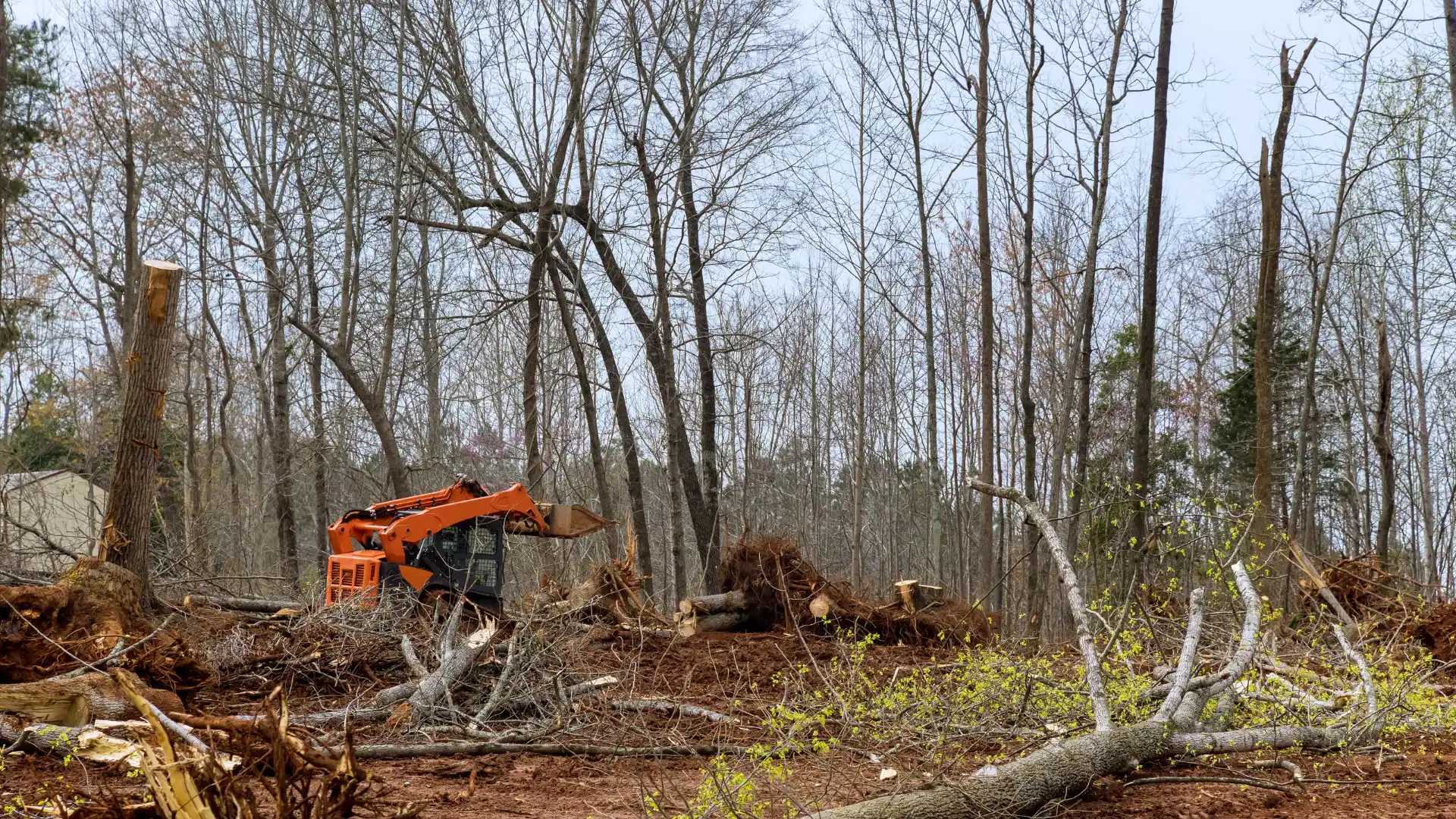
There’s a difference between a property that’s been trimmed and one that’s actually been cleared. In North Sea, that difference matters more than most places. With roughly 37% of residential properties sitting vacant through the off-season, a lot left unattended from October to May can come back looking nothing like it did when you left. Phragmites pushing in from the wetland edge near North Sea Harbor. Oriental bittersweet strangling the tree line. Brush reclaiming what used to be a usable lawn. That’s not a yard maintenance issue that’s a reclamation job.
When the clearing is done right, you get more than open space. You get a site that’s been assessed, scoped, and cleaned to a standard that holds up whether you’re preparing for a summer season, listing the property, or breaking ground on a new build. In a market where land parcels carry serious value and buyers notice everything, the condition of your lot reflects directly on what it’s worth.
The coastal and wooded terrain around North Sea also means the process has to be precise. Properties near Fresh Pond or along the tidal margins of the Peconic Estuary are subject to wetlands buffer requirements that can’t be ignored. Getting the clearing done cleanly and within the applicable setbacks protects your property from regulatory exposure just as much as it protects it from overgrowth.
We’re a dedicated land clearing and earthworks contractor serving North Sea and the broader Southampton area. We’re not a tree service that clears land on the side, and we’re not a lawn crew that rented a machine. This is the work we do and we do it with the kind of local knowledge that only comes from working in this specific environment.
That means understanding the Aquifer Protection Overlay District restrictions that apply to nearly half of Southampton Town. It means knowing the wetlands buffer setbacks that govern clearing near North Sea Harbor and Fresh Pond. It means checking the Town of Southampton’s Vegetation Protection Ordinance before a single quote goes out, not after work has already started.
From overgrown seasonal properties on North Sea Road to vacant lots in Tuckahoe being cleared for new construction, we’ve worked across the full range of what this hamlet demands. The regulatory environment here is real, and it has real consequences for property owners who work with contractors who don’t understand it.
It starts with a site visit. Before we quote anything, we come out and walk the property. We’re looking at what needs to come out, what needs to stay, how close the clearing boundary sits to any wetland edges or buffer zones, and whether your parcel falls within the Town of Southampton’s Aquifer Protection Overlay District. That assessment shapes everything the scope, the equipment, and whether any permits need to be pulled before work begins.
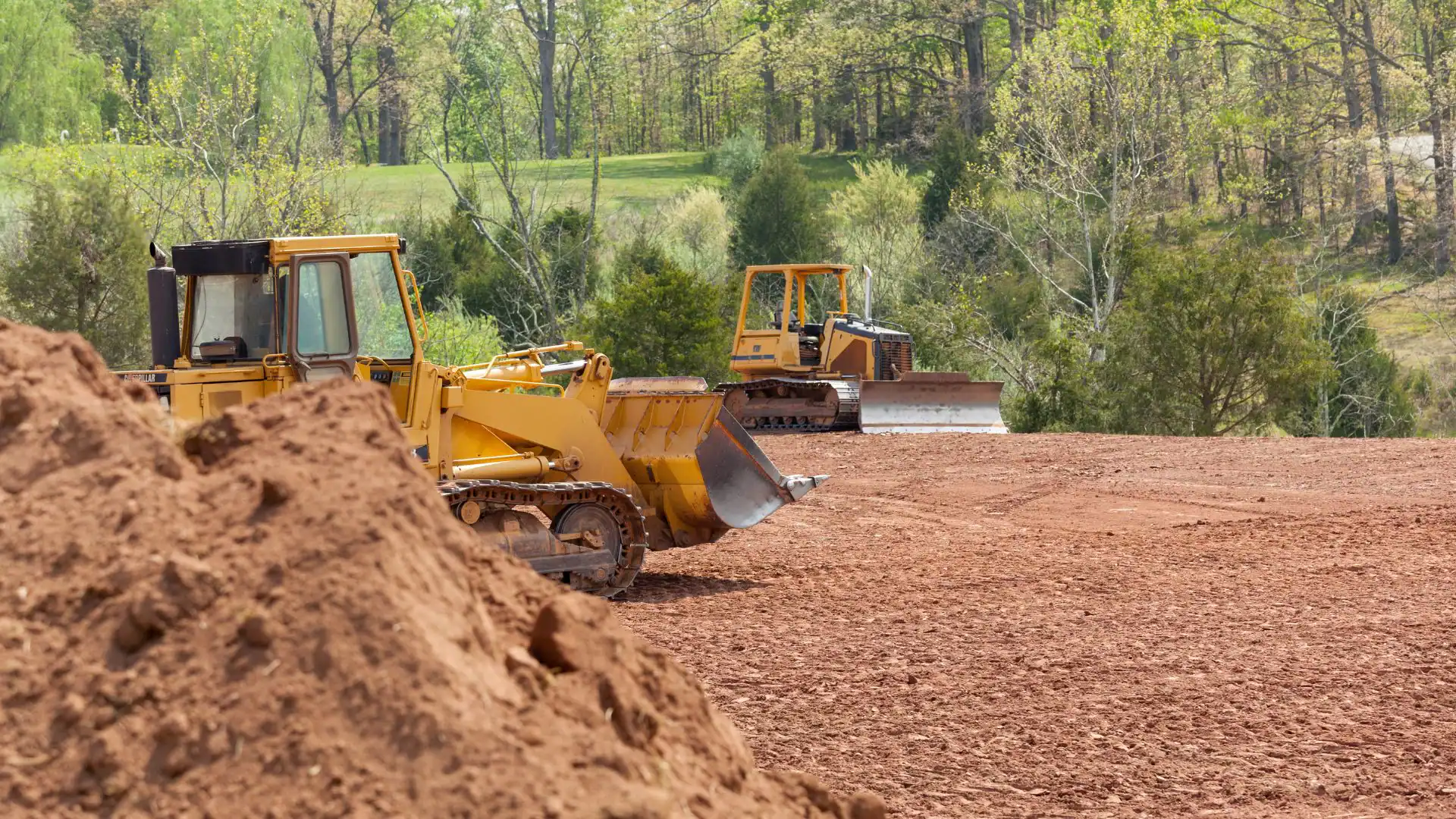
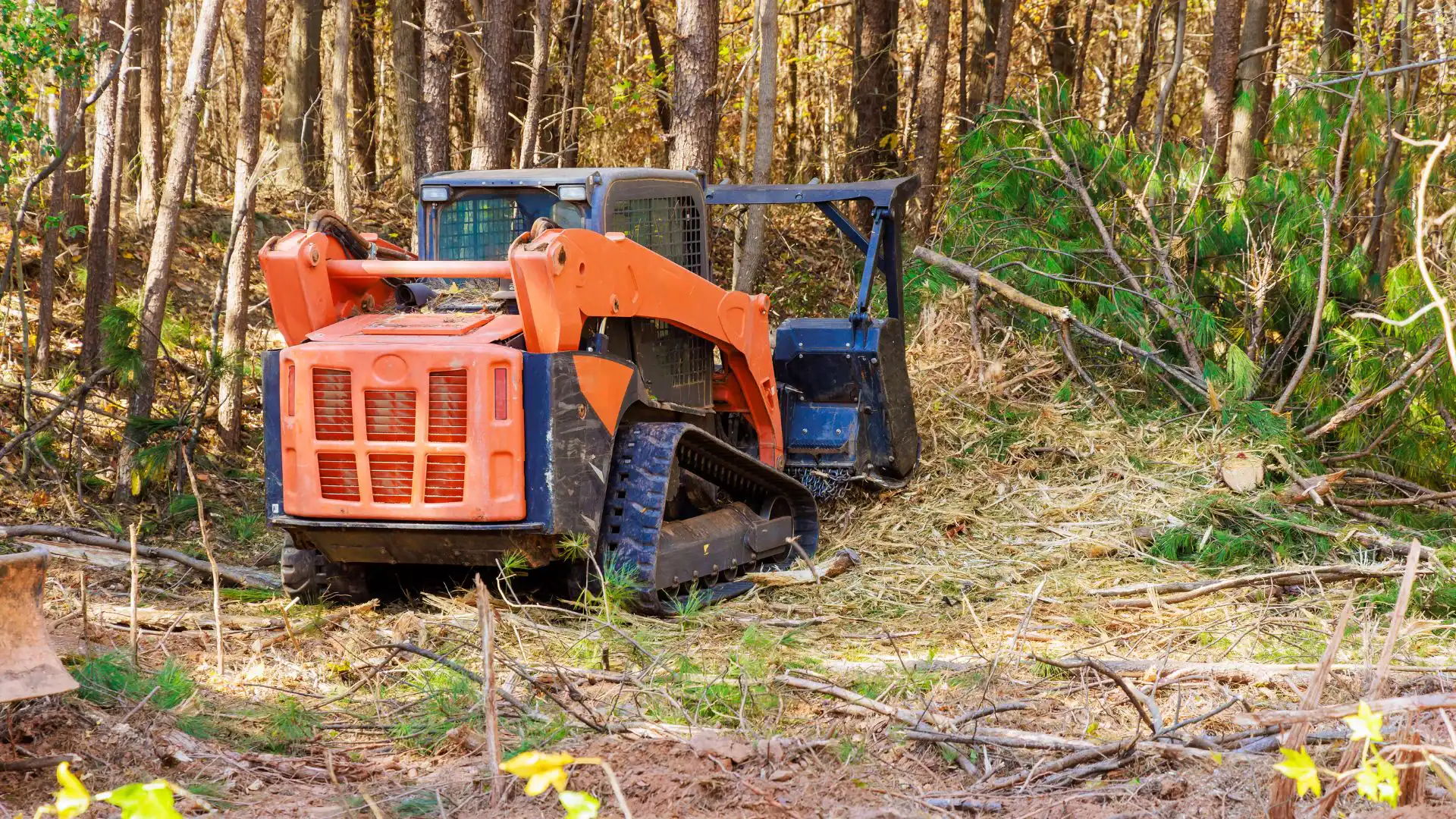
Once the quote is agreed and a start date is confirmed, we mobilize with the right equipment for your specific conditions. North Sea properties aren’t all the same a wooded upland lot off Noyac Road calls for different machinery than a low-lying coastal parcel with soft soil near the harbor. We match the method to the site, not the other way around.
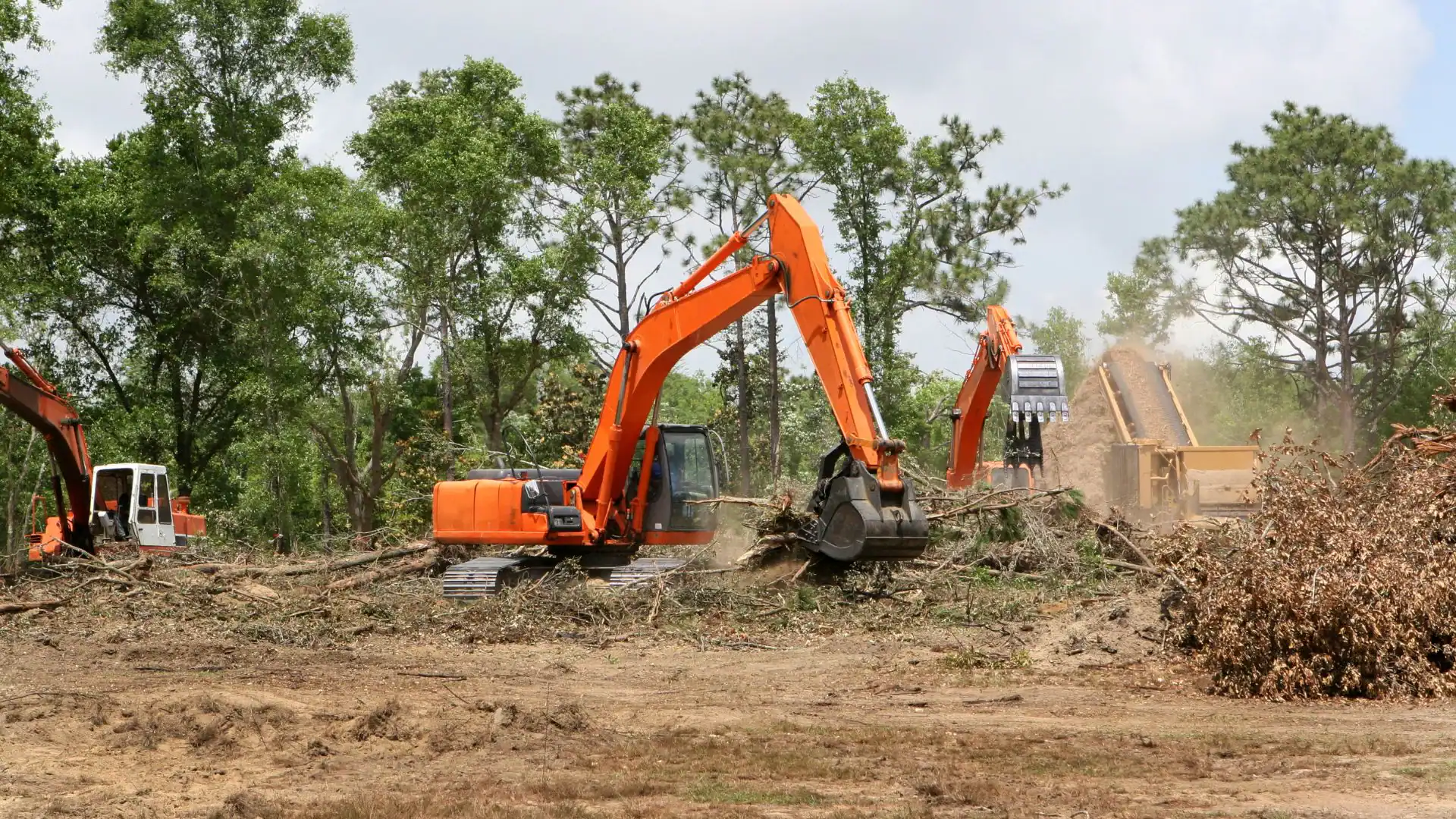
The work itself covers the full scope: vegetation removal, brush clearing, stump grinding where needed, and complete debris removal. Nothing gets left in a pile on the corner of your property. When we’re done, the site is clean, level, and ready for whatever comes next landscaping, construction, or simply getting your property back to a usable condition before the season starts. One crew, one scope, one finished result.
Ready to get started?
Land clearing in North Sea, NY covers more ground than the basic definition suggests. Depending on what your property needs, the scope can include lot clearing for new construction, brush clearing along overgrown fence lines and wooded edges, vegetation removal for seasonal property reclamation, invasive species removal particularly Phragmites australis, Japanese knotweed, and multiflora rose, which are common throughout the Peconic Estuary watershed and full land reclamation services for properties that have been left unmanaged for extended periods.
Every project in North Sea gets assessed against the Town of Southampton’s applicable regulations before work begins. That includes checking APOD status, which limits natural vegetation disturbance to 50% of lot area on affected parcels, and confirming wetlands buffer setbacks for any clearing near tidal inlets, ponds, or coastal vegetation. If a permit is required under the town’s Land Management framework, we’ll tell you upfront not after the fact.
What you get at the end of every job is a site that’s been cleared to a defined scope, with all debris removed and the property left in a condition that’s ready for its next use. Whether you’re a seasonal homeowner coming back to a lot that got away from you, a developer preparing ground for a new build, or a year-round resident who needs a section of your property reclaimed the process is the same: clear scope, clean execution, no surprises.
It depends on the size of the project and where your property sits within the Town of Southampton’s regulatory framework. The town has been actively developing a clearing permit requirement that would apply to any residential clearing or regrading exceeding 800 square feet so for most meaningful clearing projects, a permit from the town’s Land Management Department may be required. That said, there are exemptions for clearing of dying, hazardous, or invasive vegetation, and for residential properties under a half-acre.
Beyond the permit question, properties in North Sea that fall within the Aquifer Protection Overlay District face additional restrictions specifically, natural vegetation disturbance cannot exceed 50% of the lot area. If your property borders a wetland, tidal inlet, or coastal margin near North Sea Harbor or Fresh Pond, the town’s wetlands buffer requirements also come into play, with setbacks of 100 to 125 feet from the wetland edge. The New York State DEC adds another layer for properties near mapped freshwater wetlands.
The honest answer is that the regulatory picture in Southampton Town is layered enough that you should never assume a clearing project is permit-free. We check all of this before quoting so you know exactly where you stand before any work begins.
Land clearing costs in North Sea vary significantly based on lot size, vegetation density, terrain conditions, and what the scope includes. A straightforward residential lot clearing on a flat, accessible parcel will cost considerably less than a multi-acre reclamation job on a wooded property with soft coastal soils and invasive species throughout. As a general range, smaller residential clearing projects in the Southampton area typically start in the low thousands, while larger or more complex jobs particularly those involving stump removal, debris hauling, and permit coordination can run considerably higher.
What matters more than the headline number is what’s included. In the Hamptons market, it’s common to receive a clearing quote that looks reasonable until you discover debris removal is extra, stump grinding wasn’t included, or the contractor didn’t account for the permit process. We quote everything as a fully itemized scope clearing, stumps, debris, and any permit-related items broken out separately so the number you agree to is the number you pay.
If you’re preparing a North Sea property for sale or new construction, it’s also worth factoring the clearing cost against the value it adds to the listing or the timeline it protects for your build. In this market, that math usually works out clearly in favor of getting it done right.
North Sea sits within the Peconic Estuary watershed, and the invasive species pressure here is real. The most common invasives we encounter on North Sea properties are Phragmites australis common reed which colonizes wetland edges and coastal margins aggressively and is widespread along the tidal margins near North Sea Harbor. Japanese knotweed is another frequent problem, particularly on properties that have been left unmanaged for a season or more. It can penetrate hardscape and foundations if left unchecked, and cutting it above ground without treating the root system will have it back within weeks. Multiflora rose, oriental bittersweet, and Japanese barberry are also common throughout the area.
Yes, we remove all of these. The key with invasive species is that the removal method matters as much as the removal itself. Simply cutting Phragmites or knotweed at the surface doesn’t solve the problem it needs root treatment to prevent rapid regrowth. We handle removal in a way that addresses the root system, not just the visible growth, and we advise on correct disposal to prevent spread to neighboring properties.
The Peconic Estuary Partnership has identified invasive plants as among the top causes of biodiversity loss in this region so removing them from your property is both a practical and an environmental benefit.
The Town of Southampton’s wetlands code sets a minimum buffer of 100 feet from the landward edge of any wetland for clearing or disturbance of natural vegetation, with some circumstances requiring a 125-foot setback. This is separate from the New York State DEC’s freshwater wetlands regulations, which may require a state permit for any clearing activity within 100 feet of a DEC-mapped freshwater wetland. In practice, these two regulatory layers can overlap meaning a single clearing project near a wetland boundary may require both town and state review.
In North Sea specifically, this matters because a significant number of properties are close to wetland features North Sea Harbor, Fresh Pond, and the tidal and freshwater wetland systems that feed into the Peconic Estuary. If your property has any low-lying areas, seasonal standing water, or vegetation that looks like marsh or coastal scrub, it’s worth having the wetland boundary assessed before any clearing begins.
We assess wetland proximity as part of every site visit. If your clearing scope comes close to a buffer zone, we’ll tell you exactly where the line is and what can be cleared within the applicable setbacks so you’re protected from enforcement action before work starts, not after.
This is one of the most common scenarios we handle in North Sea. With a seasonal vacancy rate of roughly 37%, a significant share of properties in this hamlet sit unoccupied from fall through spring and they don’t stay the same while you’re gone. By the time owners return or prepare a property for sale, what was a manageable lot can look dramatically different: invasive species established along the edges, brush advancing toward structures, wooded margins that have crept well into what used to be cleared lawn area.
For a property that’s been vacant for an extended period, the process starts with a full site walk to assess the current condition and identify what’s overgrowth versus what’s protected vegetation that needs to stay. We then scope the reclamation work in phases if needed clearing the most critical areas first and working outward and confirm the regulatory picture before any work begins.
The timeline for a full reclamation job depends on the size of the property and the density of the vegetation, but most residential lots in North Sea can be brought back to a clean, usable condition in one to three days of active work. We handle everything from the initial clearing through debris removal, so the finished site is ready for whatever you need it for seasonal use, a listing, or the start of a construction project.
Spring roughly March through May is the primary clearing window for most North Sea property owners. It’s the period before the Hamptons summer season when demand is highest, and it aligns with the natural rhythm of seasonal homeowners returning and preparing their properties for use. If you’re clearing a lot for new construction with a summer start date, or reclaiming a seasonal property before Memorial Day, spring scheduling is the window you’re working with. Book early this period fills up quickly in this market.
Fall is a solid secondary window, particularly for year-round residents and for owners who are preparing a property for sale or closing it up for the off-season. Vegetation is dying back, ground conditions are generally firm, and access is easier than during the compressed summer season when traffic and competing construction schedules complicate logistics.
Winter clearing is possible in North Sea during mild periods the coastal climate moderates temperatures compared to inland Long Island but wet ground conditions from late fall through early spring can limit equipment access on low-lying or soft-soil properties. If your project has flexibility, spring and fall give you the best combination of good conditions, access, and scheduling availability. If you have a hard deadline, reach out as early as possible so we can plan around it.