Hear from Our Customers
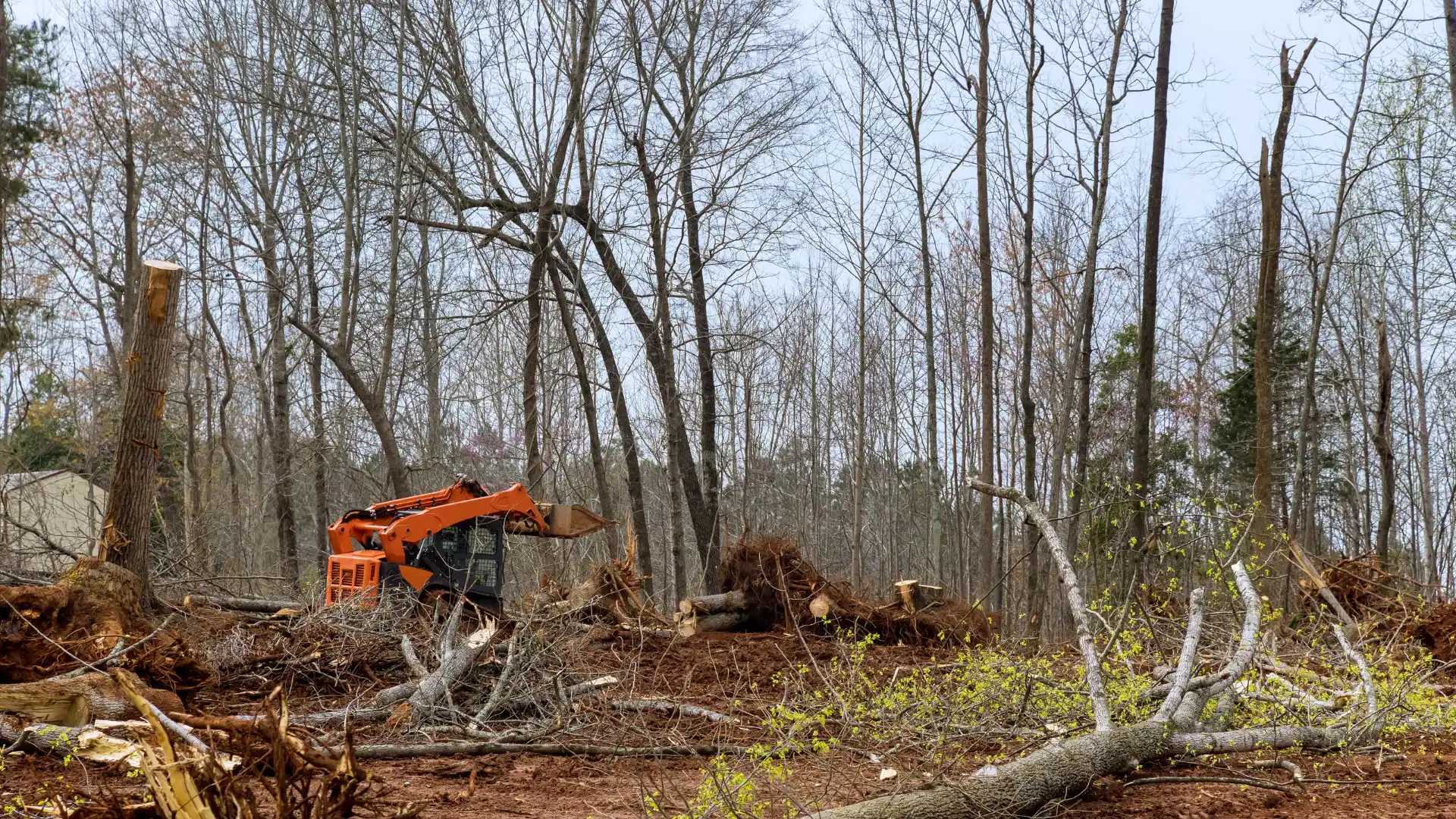
Northwest Harbor sits on a glacial moraine thin, rocky soil, dense mature woodland, uneven terrain. It’s the kind of land that looks stunning when it’s managed and becomes a real problem when it isn’t. When you’re dealing with a heavily wooded lot off Old Northwest Road or a bluff property near Gardiners Bay that’s been left to its own devices for a season, the overgrowth isn’t just an eyesore it’s a barrier to everything else you’re trying to do.
What you get when the work is done right isn’t just cleared land. It’s a site that’s ready for construction, ready for a builder, or simply ready for you to enjoy again without fighting through scrub just to walk your own property. For seasonal homeowners who won’t be back until summer, that matters even more you want to arrive to a clean site, not a new project.
East Hampton’s clearing laws add a layer that most other towns on Long Island don’t have. Every job we do in Northwest Harbor gets assessed against the Town Code before a single piece of equipment moves. That means no enforcement notices, no mandatory replanting, and no surprises that derail your timeline. You get cleared land and a clear conscience.
We are a Long Island land clearing contractor that works throughout the East End including Northwest Harbor, the Northwest Woods, the Grace Estate area, and properties along Cedar Point Road and Northwest Landing Road. This isn’t territory we pass through. It’s terrain we know the dense pitch pine and oak canopy, the rocky glacial soil, the bluff lines, the coastal setbacks.
We’re not a landscaping company that clears land on the side. This is the work we do. That focus means we show up with the right equipment for the conditions, we understand what East Hampton Town’s Natural Resources Department requires, and we give you a quote that reflects the actual scope of the job not a number designed to get you to say yes before the real costs appear.
When you’re managing a Northwest Harbor property remotely from the city and handing the keys to someone you’ve never met, that level of accountability is what actually matters.
It starts with a site assessment. Before we quote anything, we look at the property the terrain, the vegetation, what’s native, what’s invasive, and what the East Hampton Town Code permits for your specific lot. Northwest Harbor properties fall under five sections of the Town Code that govern how much can be cleared, what requires a Natural Resources Special Permit, and what setbacks apply near coastal features like Northwest Creek or the Gardiners Bay bluff line. We work through all of that before the quote goes out, so you’re not discovering restrictions mid-job.
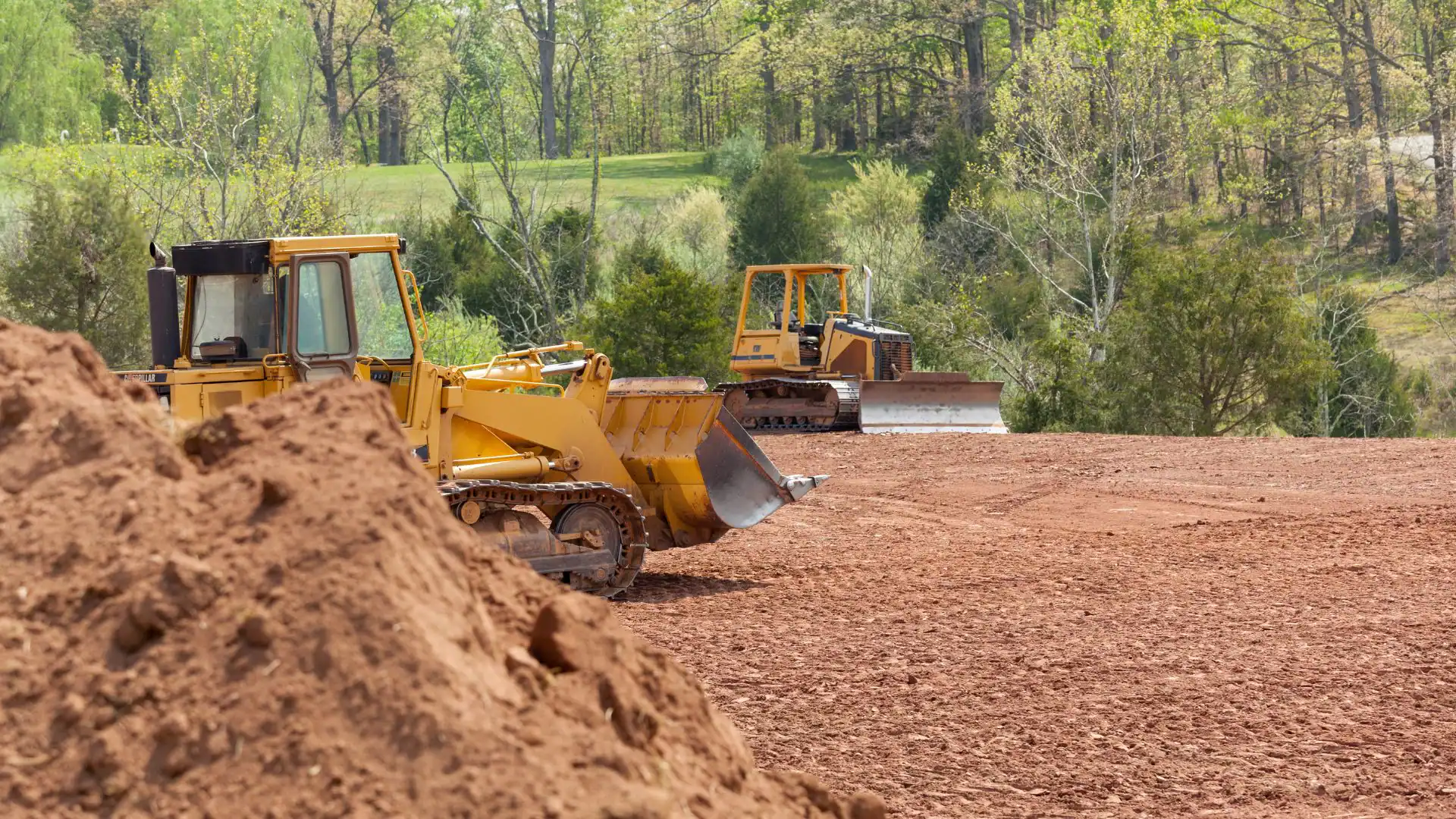
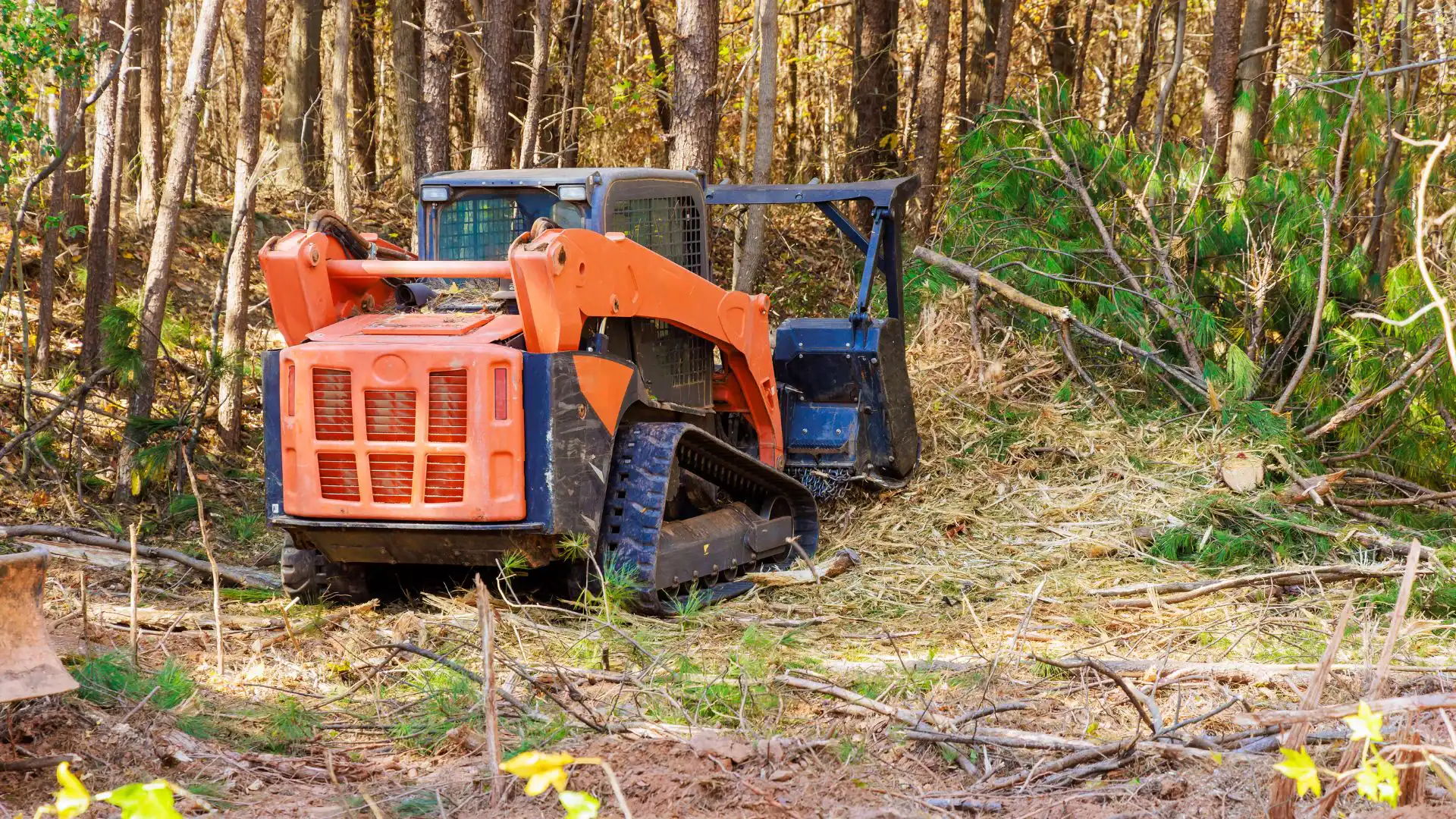
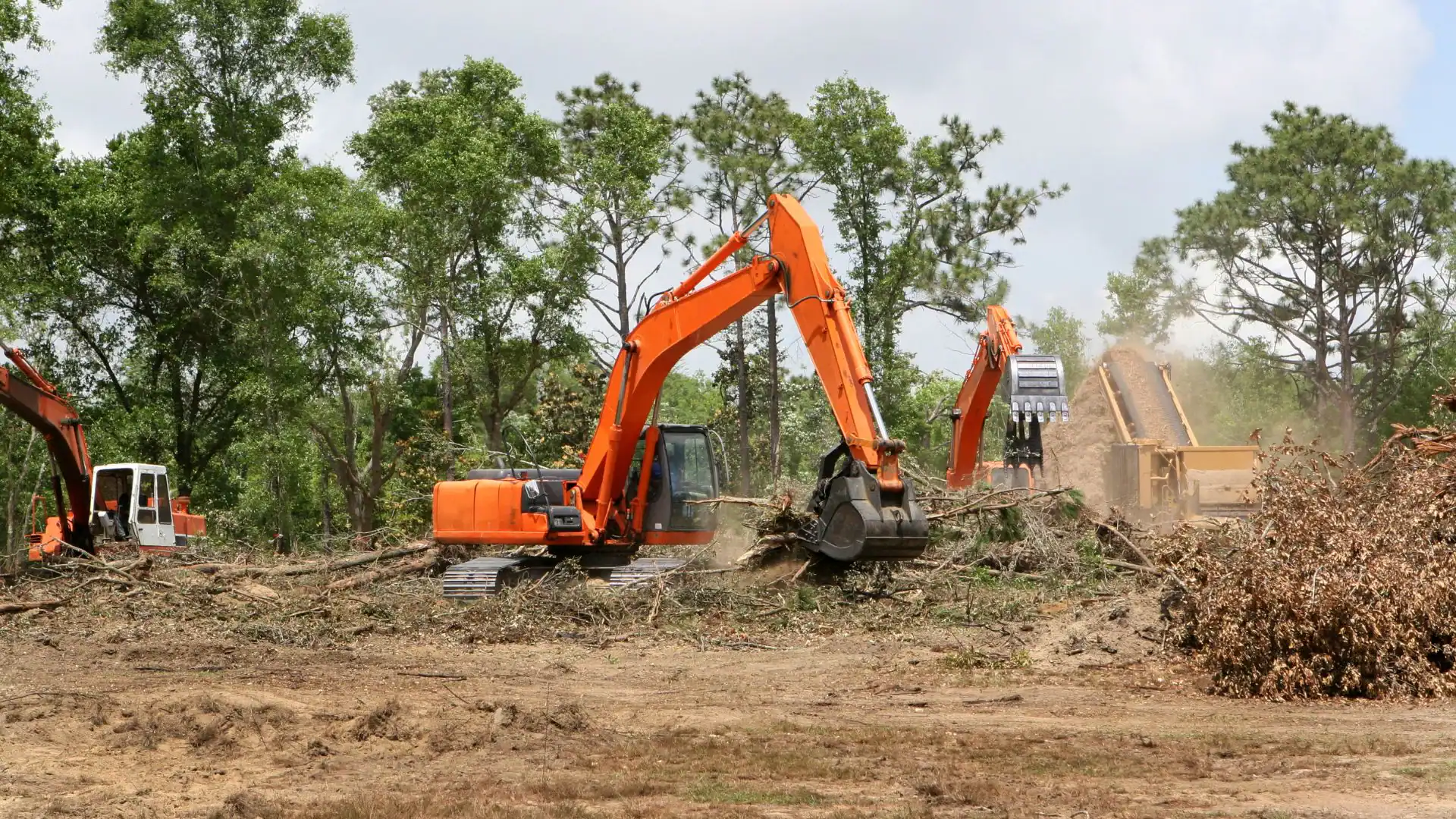
Once the scope is confirmed and you’ve approved the quote, we schedule the work and show up when we say we will. The clearing process whether it’s brush clearing, full lot clearing, stump grinding, or reclaiming a heavily overgrown area gets done in a single coordinated effort. We’re not sending a crew out three times over two months.
When the job is complete, debris is handled. That means removed from your property, not piled at the edge of your lot for you to deal with later. You get a clean site whether that’s the starting point for a construction project, a restored lawn edge, or simply a property that looks like someone actually owns it again.
Ready to get started?
Land clearing in Northwest Harbor isn’t the same job it is in most other parts of Long Island. The East Hampton Town Code applies clearing limits to every residential property in town not just specific overlay zones and properties near the water or the bluff line carry additional restrictions under the Harbor Protection Overlay District. That means vegetation removal services in Northwest Harbor, NY require real regulatory knowledge, not just equipment and labor.
The work we do covers the full range: brush clearing services for overgrown edges and invasive scrub, lot clearing services for new construction and site preparation, land reclamation services for properties that have gone unmanaged for a season or more, and targeted vegetation removal for specific problem areas. Japanese barberry a regulated invasive that’s spread extensively through the Northwest Woods due to deer overbrowsing is something we identify and remove correctly. Its removal is explicitly permitted under East Hampton’s exemption list, and clearing it also reduces the dense tick habitat it creates, which is a real and documented health concern on the East End.
Every quote breaks out clearing, stump removal, and debris disposal as separate line items so you know exactly what’s included. No blended numbers, no scope creep, no invoices that don’t match what you agreed to.
It depends on what you’re clearing and how much of it. East Hampton Town applies clearing limits to all residential properties which is different from most other Long Island towns where restrictions only apply in specific overlay zones. The permitted clearing percentage is calculated based on your lot size under Section 255-2-60 of the Town Code. If you stay within that limit and you’re removing non-native invasive species or dangerous dead wood, no special permit is required.
Where it gets more involved is when you’re clearing native vegetation beyond those limits, or when your Northwest Harbor property sits within the Harbor Protection Overlay District which applies to lots near Northwest Creek, Gardiners Bay, or other coastal features. In those cases, a Natural Resources Special Permit from East Hampton Town is required before work begins. We assess every property against these requirements during the quoting process, so you know exactly where you stand before any clearing starts.
Land reclamation services are exactly what the name suggests taking back land that vegetation has claimed. In Northwest Harbor, where nearly half of all properties sit vacant for most of the year, this is one of the most common jobs we handle. A property that was maintained last summer can have significant woody regrowth, invasive scrub encroachment, and overgrown lawn edges by the time the owner returns in spring.
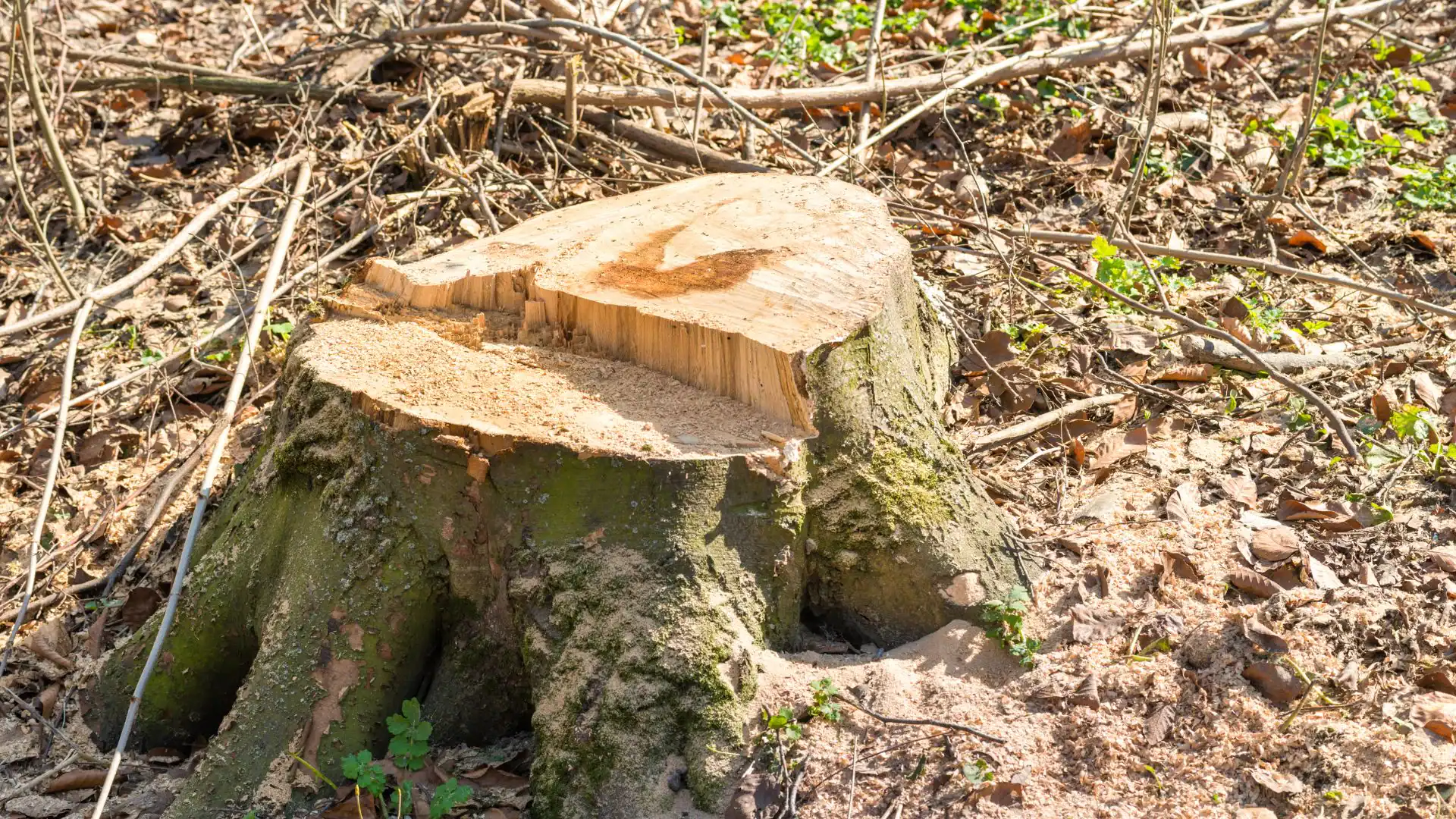
The process typically involves brush clearing to remove the overgrown vegetation, stump grinding if there are woody stems that have established themselves, and a final cleanup pass to leave the site in usable condition. For larger lots in the Northwest Woods or Grace Estate area, this can also include targeted removal of Japanese barberry and other invasive species that have moved in during the off-season. The goal is to get your property back to the condition it was in or better without leaving you with a debris pile to manage on your own.
Significantly. East Hampton Town requires a survey confirming clearing compliance before a certificate of occupancy can be issued on any new build. That means if a contractor clears more than the permitted percentage of your lot during site preparation even unintentionally you can face a stop-work order, mandatory revegetation requirements, and delays to your entire construction timeline.
For new construction projects in Northwest Harbor, we coordinate the clearing scope with your building permit and your builder’s site plan from the start. We clear what the code permits, document what was removed and why, and make sure the site is ready for your contractor without creating a compliance problem down the road. If your lot is near a coastal feature or falls within the Harbor Protection Overlay District, we factor those setbacks into the clearing plan before equipment arrives not after.
Yes. East Hampton Town Code explicitly permits the removal of non-native invasive species without requiring a Natural Resources Special Permit. Japanese barberry is one of the most common invasive plants in the Northwest Woods area it’s spread extensively through the neighborhood because deer avoid eating it while browsing everything else around it, which gives it a competitive advantage in heavily deer-populated areas like Northwest Harbor.
Beyond the ecological issue, Japanese barberry creates dense, low-growing thickets that are ideal habitat for deer ticks. Research has shown that areas with heavy barberry infestations can have significantly higher populations of Lyme disease-carrying ticks which is a real concern on the East End, where Lyme disease rates are among the highest in New York State. Removing it is permitted, it’s practical, and it genuinely improves the health and usability of your property. We identify it during the site assessment and include its removal in the clearing scope where applicable.
It depends on the size of the property, the density of the vegetation, and the terrain. A standard brush clearing job on a maintained residential lot in Northwest Harbor can be completed in a single day. A full lot clearing for new construction on a large wooded parcel in the Northwest Woods where you’re dealing with mature pitch pine, dense oak canopy, and rocky glacial soil is typically a multi-day job.
The glacial moraine geology of this area affects the work in practical ways. The thin, rocky soil means stump grinding takes longer than it would on the deep loam soils further west on Long Island, and equipment selection matters more on uneven bluff terrain than it does on flat suburban lots. We factor all of that into the timeline we give you before the job starts. We don’t quote a one-day job and show up for three without a conversation first.
Spring is the busiest window most seasonal homeowners return in April or May, assess the winter overgrowth, and want the property cleared before summer use begins. If you’re planning a clearing job for spring, booking in late winter gives you the best chance of getting on the schedule before the rush. That said, late winter is also a genuinely good time to do the work itself vegetation is dormant, woody stems are easier to assess without leaf cover, and ground conditions on the South Fork are typically firm enough for equipment access.
Fall is a secondary window that works well for owners who want to close the property in good shape and avoid returning to an overgrown site the following year. Summer clearing is possible but tends to be more disruptive if you’re actively using the property. For construction-related clearing, the timeline is driven by your permit and build schedule we work within whatever window your project requires and coordinate accordingly.