Hear from Our Customers
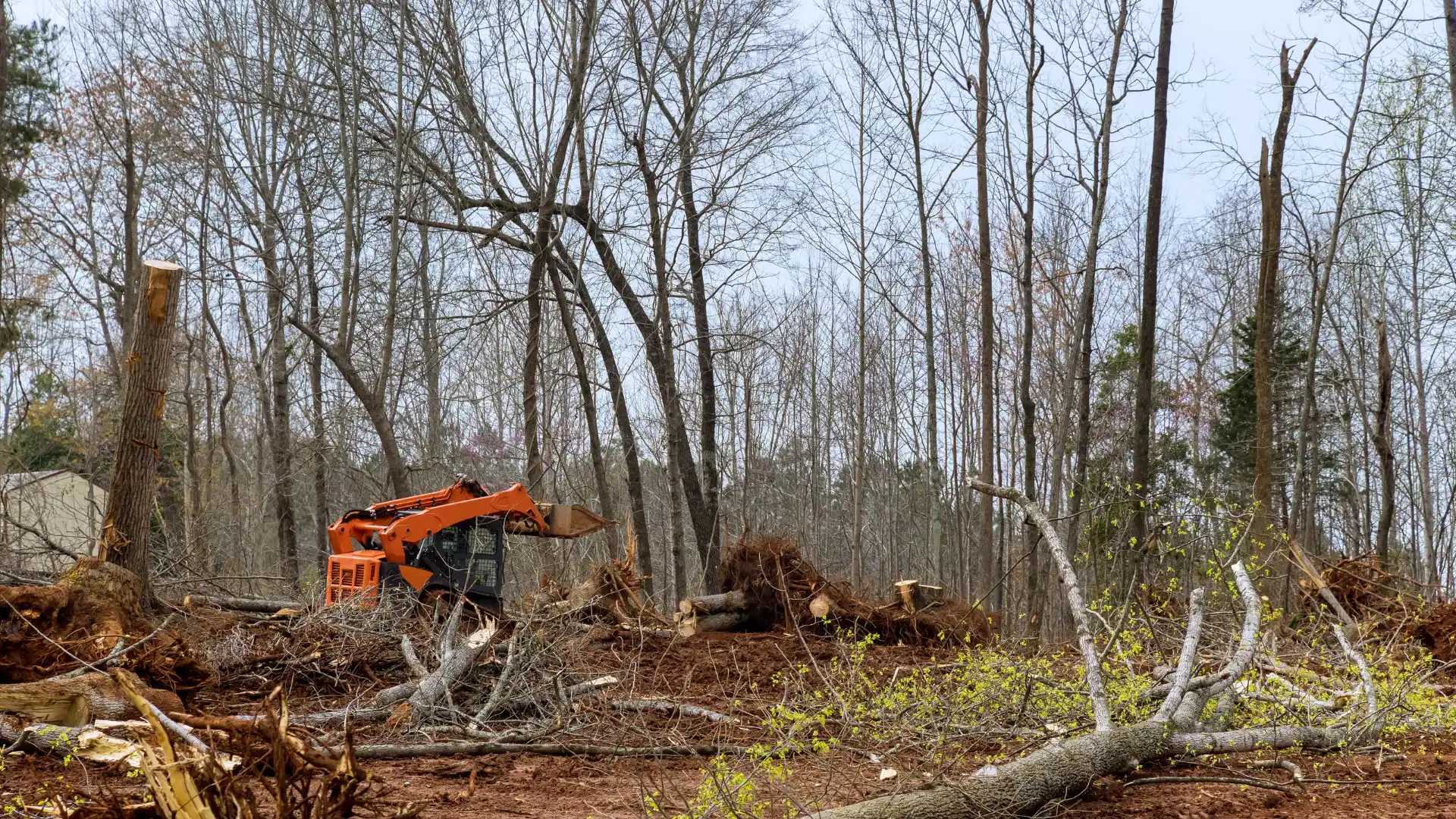
Port Jefferson isn’t flat suburban land with a few ornamental shrubs. These are glacially shaped North Shore lots rolling terrain, mature oak and hickory canopy, dense understory that’s been building for years in some cases, and in areas like Belle Terre, multi-acre wooded properties that require a completely different level of care and precision. When land clearing is done correctly here, you’re not just removing vegetation. You’re restoring usable space, protecting your property’s value, and setting the stage for whatever comes next whether that’s new construction, a cleaner lot, or simply getting your land back under control.
The wooded character of Port Jefferson is part of what makes it desirable. It’s also part of what makes clearing it a job that rewards experience. Invasive species like running bamboo, Japanese knotweed, and Oriental bittersweet are documented problems across this part of Suffolk County, and surface clearing alone doesn’t solve them. If the root systems aren’t addressed, you’re looking at regrowth within weeks. Getting it done right the first time means understanding what you’re dealing with not just what’s visible above ground.
For properties in or near Port Jefferson village, there’s also the regulatory layer that most contractors skip entirely. We enforce our understanding of Chapter 241 which requires any paid contractor to sign a disclosure affidavit confirming they’ve read and understood the rules before starting work. When that process is handled correctly from the start, you avoid delays, enforcement issues, and the kind of complications that turn a straightforward clearing job into a much bigger problem.
We serve Port Jefferson and the surrounding North Shore communities including Belle Terre, Port Jefferson Station, Mount Sinai, and the Setaukets with land clearing, brush clearing, lot clearing, vegetation removal, and land reclamation services across residential and development properties throughout Suffolk County.
What sets our work apart isn’t a tagline. It’s the fact that Port Jefferson has its own municipal code governing vegetation clearing and grading, and most contractors working in this area have never read it. We know Chapter 241, we know the Village Building and Planning Department at 88 North Country Road, and we handle the required contractor affidavit as a standard part of every job within village limits. For a homeowner with a property worth $700,000 or more, that’s not a small detail it’s the difference between a clean job and a compliance problem.
Our work is fully licensed and insured. Every quote is itemised so you know exactly what you’re paying for before anything starts.
It starts with a site assessment. Before any equipment arrives, we evaluate your property for scope, terrain, vegetation type, and any conditions that affect how the work gets done steep grades near the harbor bluffs, bamboo rhizome spread, proximity to neighbouring properties, and whether the project triggers a permit requirement under Port Jefferson’s Chapter 241. If a Tree Clearing and Grading Application needs to go to the Village Building and Planning Department, we identify that upfront, not after the fact.
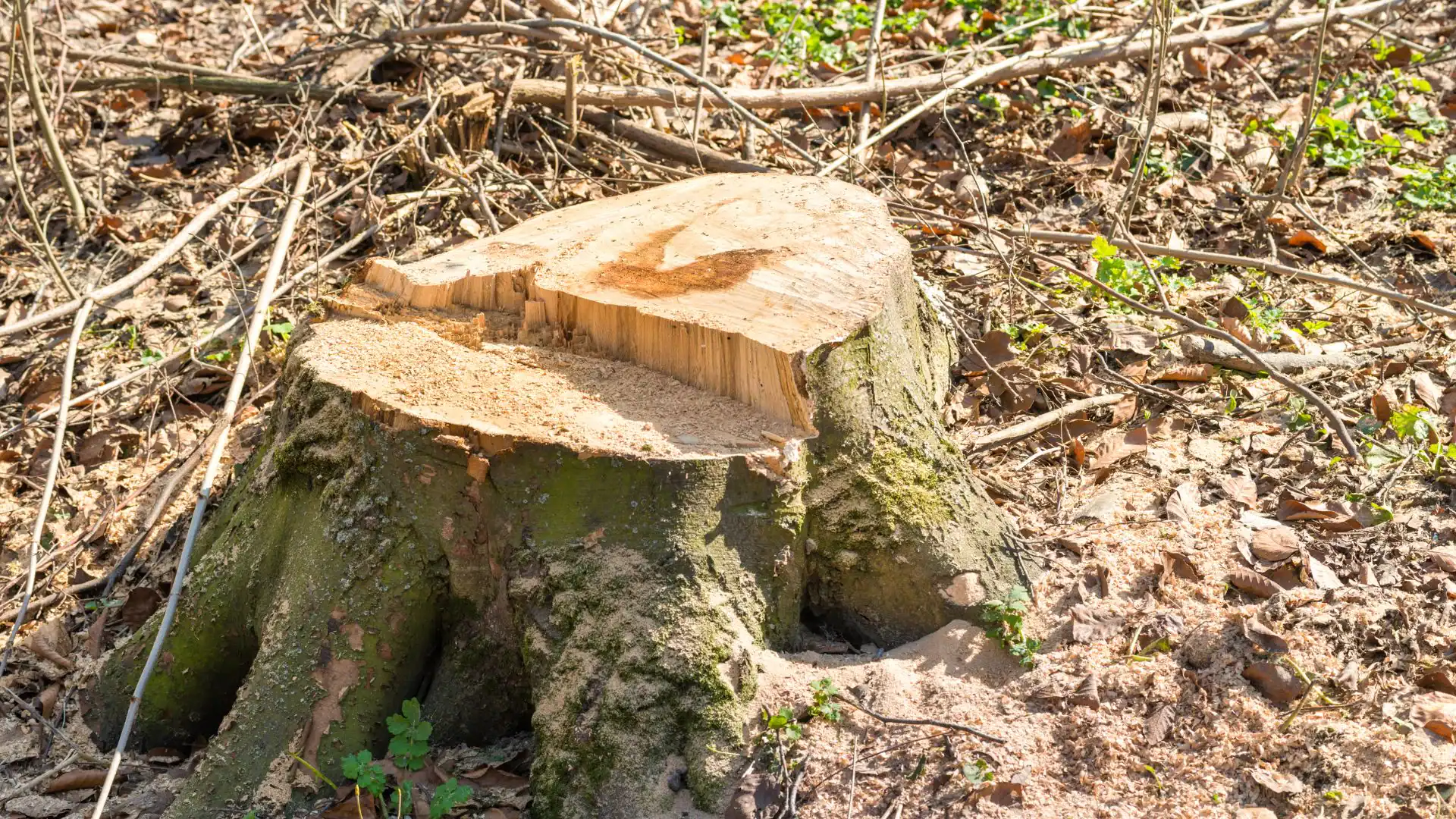
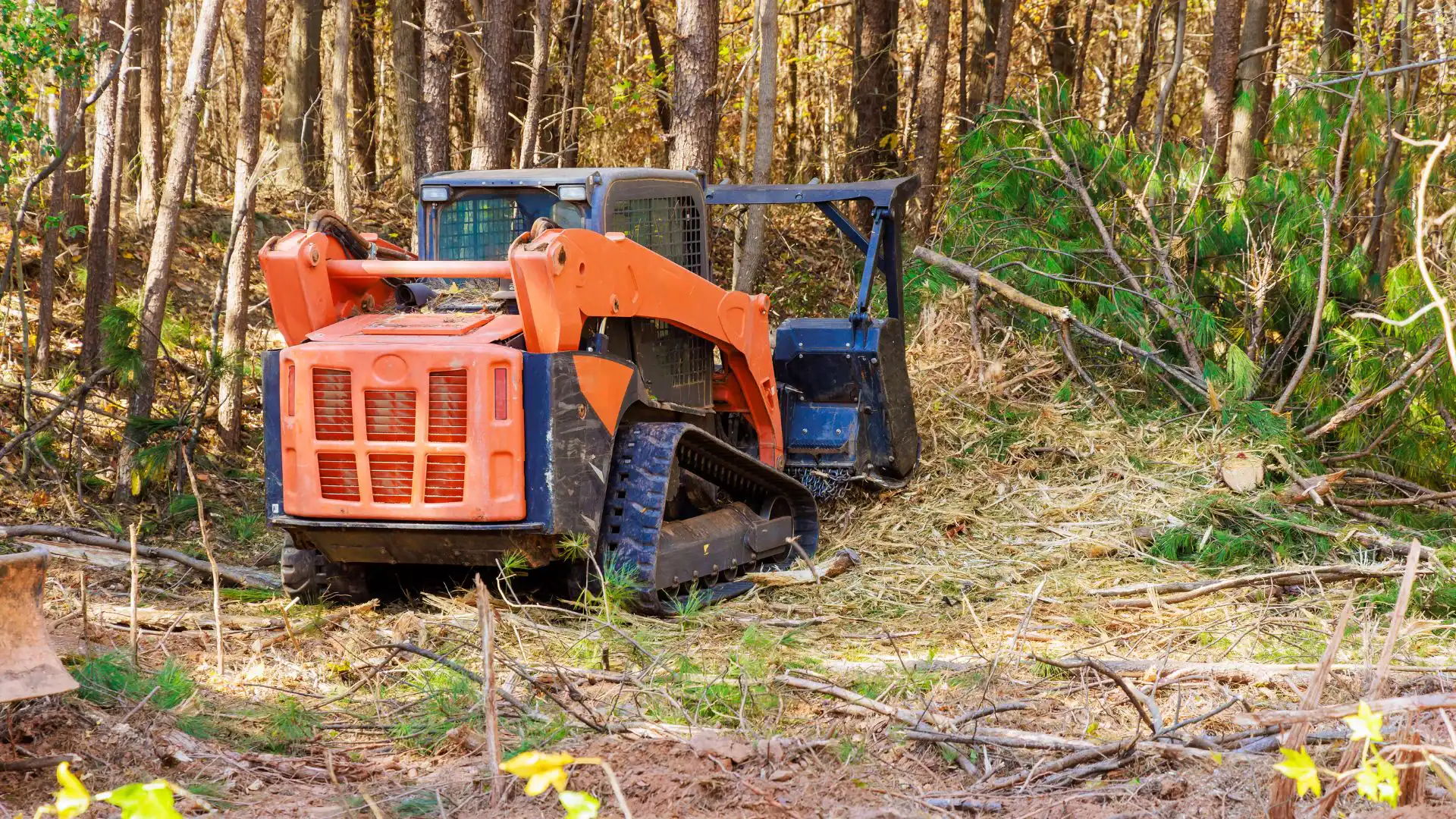
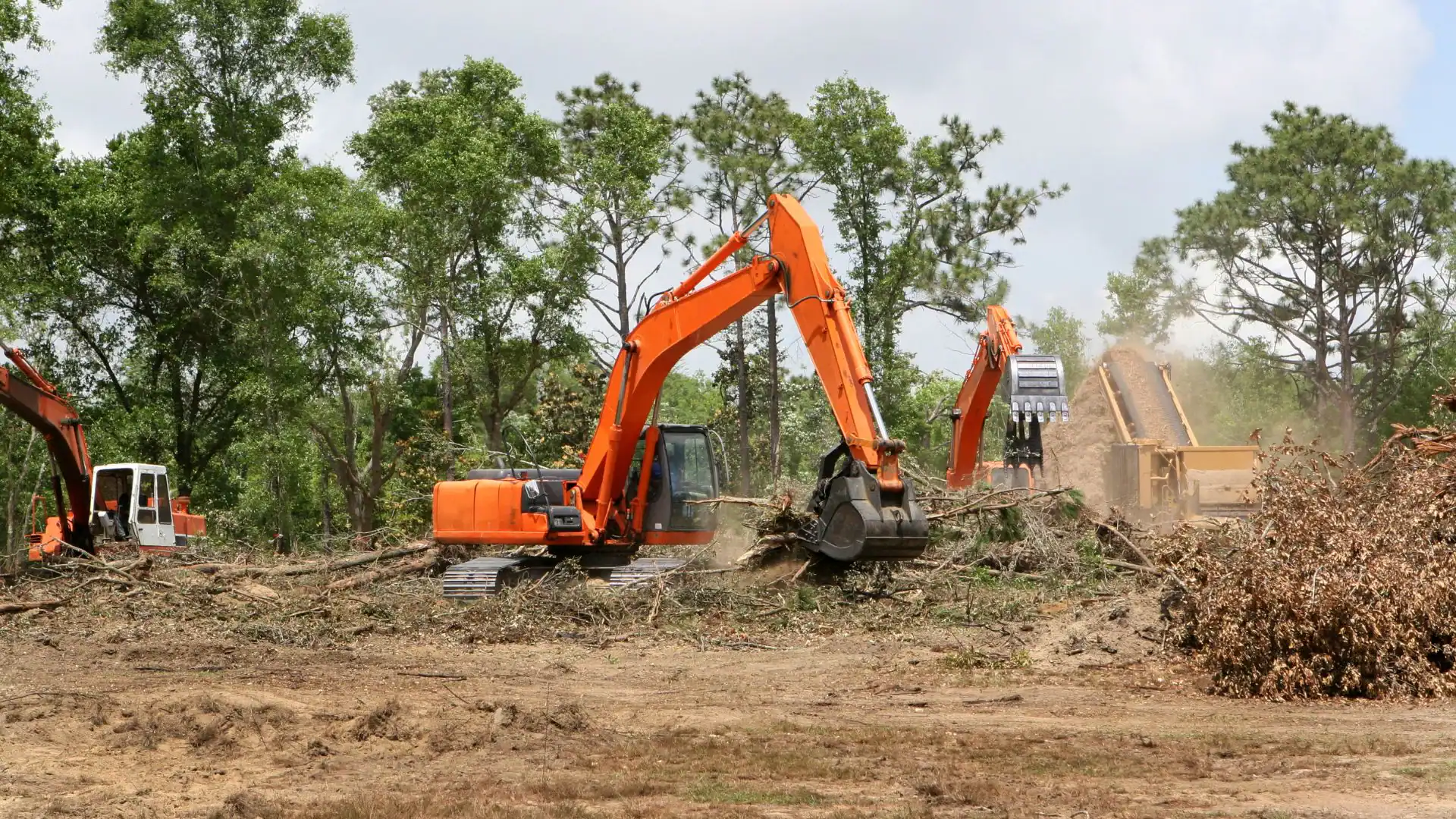
Once the scope is confirmed and any required permits or affidavits are in order, clearing begins systematically large trees and structural vegetation first, then understory, then ground-level brush and invasive species. We handle stump grinding as part of the process, not as an afterthought you have to schedule separately. For properties with bamboo or knotweed, we address root system removal directly, because leaving rhizomes in the ground means the same problem is back within a season.
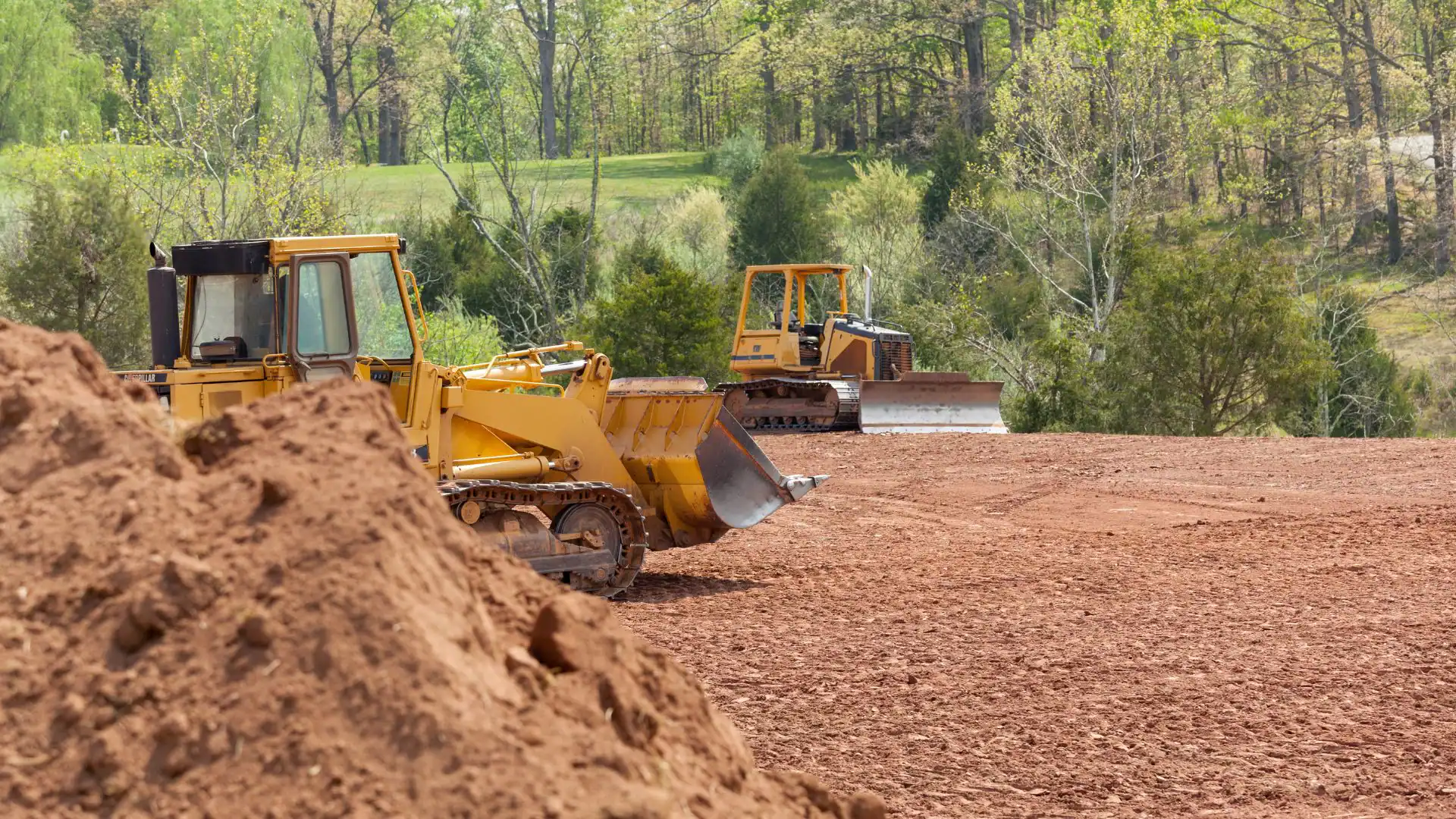
We process and clear debris from the site. When the job is finished, you’re not left with a pile of material to deal with the site is left clean, accessible, and ready for whatever comes next. One quote, one crew, one point of contact from first call to final cleanup.
Ready to get started?
Land clearing in Port Jefferson covers a wider range of property types than most people expect. Residential lots in Harbor Hills and the surrounding village neighborhoods often have decades of unchecked growth mature trees, invasive shrubs, and understory that’s gradually taken over usable yard space. Belle Terre estate properties present a different challenge: larger footprints, more complex terrain, and a standard of care that reflects what those properties are worth. Development parcels in Port Jefferson Station including the active residential pipeline coming out of the Brookhaven IDA’s investment in the area need sites that are cleared, graded, and construction-ready on a schedule that doesn’t hold up permits or contractors downstream.
Overgrown property clearing is one of the most common requests in this area, particularly for properties that have been recently purchased, inherited, or left unmanaged for several years. Land reclamation on a heavily overgrown North Shore lot requires a methodical approach clearing in stages, addressing invasive root systems, and leaving the site in a condition that’s actually usable, not just technically cleared.
Every job includes a full scope breakdown before work begins. Clearing, stump removal, invasive species treatment, and debris disposal are each accounted for in the quote. There are no line items that appear on the invoice that weren’t discussed upfront. For Port Jefferson property owners navigating the village’s permit process alongside the clearing work itself, that transparency matters from the first conversation.
In many cases, yes and the specifics matter. Port Jefferson enforces its own village-level code, Chapter 241, which governs tree removal, vegetation clearing, and grading within the Incorporated Village of Port Jefferson. This is separate from Town of Brookhaven regulations and is administered by the Village Building and Planning Department at 88 North Country Road.
Under Chapter 241, routine maintenance activities pruning, thinning, and removing significantly damaged, diseased, or dead trees on developed lots are generally exempt from the permit requirement. However, clearing that goes beyond routine maintenance, involves grading, or is connected to a subdivision or site plan approval will typically require a Tree Clearing and Grading Application. There’s also a contractor-specific requirement: any person being paid to perform tree or vegetation work within Port Jefferson village limits must sign a disclosure affidavit confirming they’ve read and understood Chapter 241 before starting work. If your contractor hasn’t mentioned this, that’s worth asking about before they set foot on your property.
Pricing for land clearing in Port Jefferson depends on several factors: lot size, vegetation density, terrain, whether stump removal is included, how invasive species like bamboo or knotweed are present, and what debris disposal involves. A straightforward residential lot clearing on a relatively open property will come in at a different number than a heavily wooded Belle Terre parcel with mature canopy, dense understory, and a bamboo infestation that requires root system treatment.
For most residential land clearing jobs in the Port Jefferson area, you should expect quotes to range from a few thousand dollars on the lower end for smaller, more accessible lots, up to significantly more for larger or more complex properties. The most important thing is getting an itemised quote not a lump sum so you know exactly what’s included. Clearing, stump grinding, invasive species removal, debris hauling, and any permit-related work should each be broken out separately. If a quote doesn’t show you that breakdown, ask for it. On a property worth $700,000 or more, you deserve to know where every dollar is going.
Bamboo removal is one of the most misunderstood services in land clearing, and it’s a genuinely significant issue across Long Island’s North Shore, including Port Jefferson and the surrounding communities. The problem is that most surface clearing cutting bamboo down to ground level doesn’t solve anything. Running bamboo spreads through underground rhizomes that can extend several feet in every direction from the visible plant. If those root systems aren’t addressed, the bamboo can regrow to four feet tall within weeks of being cut back.
Effective bamboo removal means getting into the root system, not just the surface growth. It’s more labor-intensive than standard brush clearing, and it requires the right equipment and an understanding of how far the rhizome network has spread before the work begins. If a neighboring property has allowed bamboo to spread unchecked which is common in wooded North Shore neighborhoods the infestation on your side of the line may be more extensive than it looks. A proper assessment before the job starts is the only way to quote it accurately and clear it completely.
Properties that have been left unmanaged for several years whether recently purchased, inherited, or simply let go are one of the most common scenarios in Port Jefferson and the surrounding North Shore communities. The area has a lot of older residential stock, and it’s not unusual for a wooded lot in Port Jefferson to have years of unchecked growth layered on top of itself: invasive shrubs underneath, mature self-seeded trees above, and ground-level vegetation that makes the property look completely unworkable.
The approach for heavily overgrown properties starts with a staged assessment understanding what’s there before deciding what stays and what goes. Not everything on an overgrown lot needs to be removed. Mature trees with structural value, healthy vegetation near property boundaries, and anything that might be subject to Chapter 241 protections should be identified before clearing begins. From there, the work moves in sequence: canopy first, then understory, then ground level, then stump and root systems. The goal is a site that’s genuinely usable when the job is done not just cleared in the loosest sense of the word.
Lot clearing typically refers to preparing a specific parcel for a defined next step new construction, a subdivision, a teardown-rebuild, or simply restoring usable outdoor space on a residential property. The scope is usually defined by a project goal, and the work is measured against whether the site is ready for what comes next.
Land reclamation is a broader term and generally applies to properties where the land itself has become degraded, overgrown, or functionally unusable over time not just in need of a cleanup, but in need of genuine restoration. In Port Jefferson and the surrounding North Shore area, this often applies to older estate properties in places like Belle Terre or Harbor Hills where sections of the lot have been left completely unmanaged, or to properties with significant invasive species coverage that has fundamentally changed the character of the land. Reclamation work involves more than clearing it involves assessing what’s recoverable, removing what isn’t, treating soil and root systems where invasive species have taken hold, and leaving the property in a condition where it can actually be maintained going forward.
Yes. We serve the full Greater Port Jefferson area, including Belle Terre, Port Jefferson Station, Mount Sinai, Poquott, and surrounding communities throughout Suffolk County. Belle Terre in particular is an area where the work looks different from a standard residential lot clearing job properties there regularly sit on multiple acres of wooded land, and the standard of care expected on a high-value estate property reflects what those parcels are worth. Precision matters more when the trees you’re working around are part of what makes the land valuable.
Port Jefferson Station has its own clearing demand driven by active residential and commercial development, including new subdivision projects that need sites cleared and prepared ahead of construction. Whether the property is a wooded Belle Terre estate, an overgrown residential lot in Port Jefferson village, or a development parcel in Port Jefferson Station, the process starts the same way: a thorough site assessment, an itemised quote, and a clear understanding of what the job involves before any work begins.