
Hear from Our Customers
Water in your basement isn’t just an inconvenience. In Huntington, where median home values sit close to $800,000, a wet basement is a direct threat to your most valuable asset. Mold sets in fast. Wood rots. And the longer it goes unaddressed, the more expensive the fix becomes often by a factor of three or four.
What makes Huntington different from a lot of other towns is the combination of factors working against your foundation at the same time. The clay-heavy soil in areas like Huntington Station and Cold Spring Harbor doesn’t drain it holds water against your foundation walls for days after a storm, building hydrostatic pressure that eventually finds its way through. Add in the elevated groundwater levels near Huntington Harbor and Long Island Sound, and you have conditions that demand a real solution, not a coat of waterproofing paint from a hardware store.
Once your basement is properly waterproofed, you get your space back. Finished square footage that actually stays dry. Storage that doesn’t get ruined every spring. And the confidence that comes from knowing your foundation is protected heading into another Long Island winter when freeze-thaw cycles will widen every crack you didn’t seal in the fall.
Gold Coast Landworks is a Long Island-based waterproofing contractor that works specifically in Huntington and the surrounding North Shore communities. This means we understand the conditions that make basements in Huntington behave the way they do. We’re not reading about clay soil from a manual. We’ve seen what it does to foundations in Huntington Station, what elevated groundwater looks like in homes near the harbor, and what decades of freeze-thaw cycling does to a poured concrete wall in Huntington Village.
Every job starts with an honest inspection interior and exterior before anything is recommended. You’ll get a clear explanation of what’s causing the problem and a written estimate that reflects what we actually found. No phone quotes. No pressure. Just a straightforward conversation about what your basement needs and what it’s going to take to fix it.
We serve the entire Town of Huntington, including Dix Hills, Commack, Melville, Centerport, Cold Spring Harbor, Greenlawn, East Northport, Fort Salonga, Halesite, and Lloyd Harbor.
It starts with the inspection. We look at both the inside and outside of your home grading, downspout discharge, window well drainage, wall construction, crack patterns, and the condition of any existing sump system. This is where most contractors skip steps, and it’s exactly where the wrong recommendation gets made. A crack in a poured concrete wall needs a different repair than a seeping block wall. A floor drain backup is a different problem than hydrostatic pressure through the floor-wall joint. We find the actual cause before we propose anything.
From there, we walk you through what we found and what we recommend. That might be interior drainage channel installation at the foundation perimeter, foundation crack sealing using epoxy or polyurethane injection, a new sump pump system with battery backup, or some combination. For Huntington homes facing persistent groundwater pressure especially those near the harbor or in low-lying areas of Halesite and Centerport interior drainage systems are often the most effective and least disruptive path forward.
One thing worth knowing: if your project involves finishing the basement after waterproofing, the Town of Huntington requires a building permit for that work through the Building Department at 100 Main Street. We work within that framework and can help you understand what’s needed before you start planning the space. Fall is the best time to seal foundation cracks before the first hard freeze cracks that go into winter unsealed are almost always bigger and more expensive to address in spring.
Ready to get started?
Basement waterproofing isn’t one thing. It’s a category that covers several different problems with several different solutions, and the right answer depends entirely on what’s happening in your specific home. Here’s what we handle for homeowners throughout Huntington, NY.
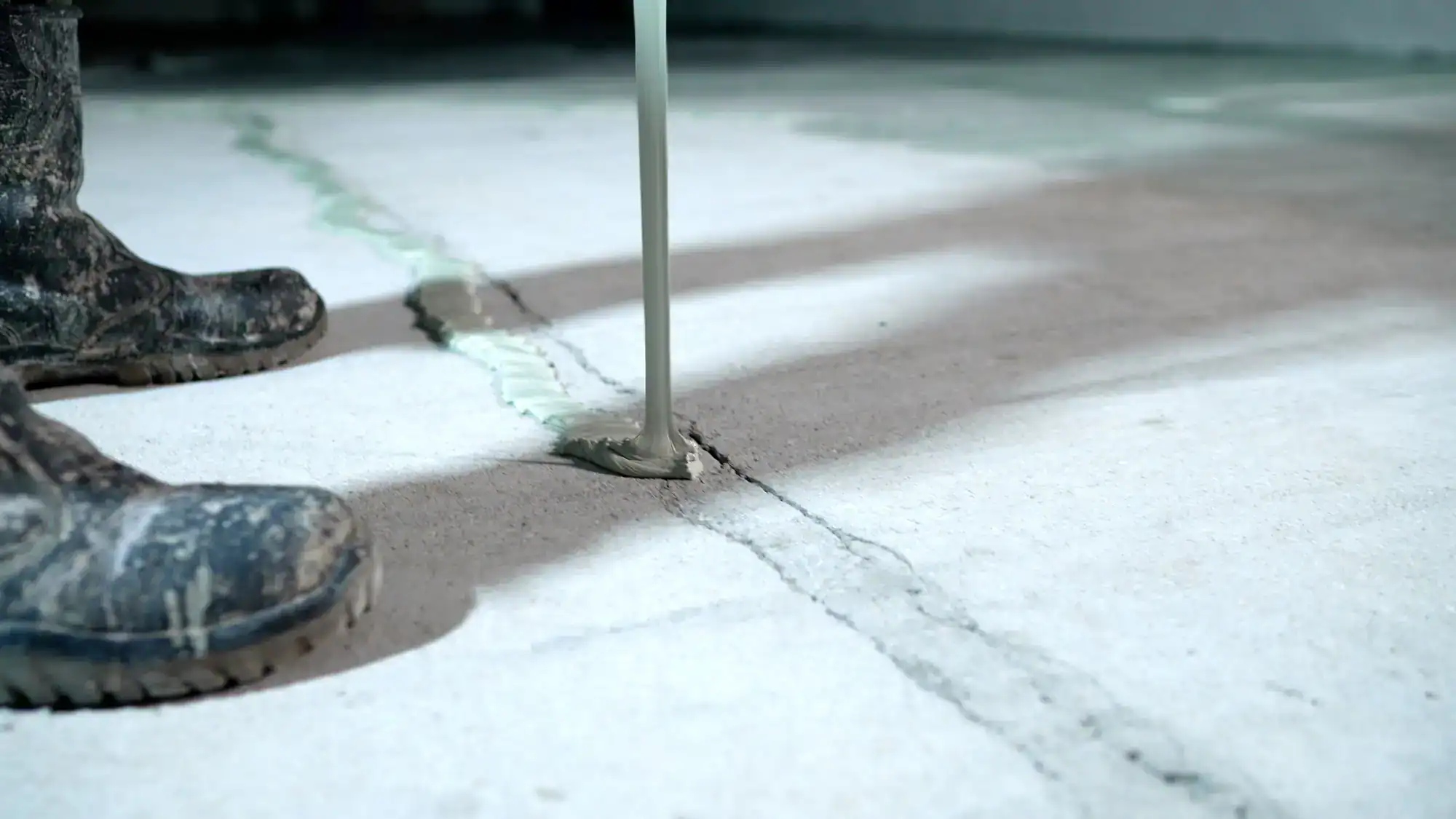
Foundation crack sealing addresses the structural entry points that let water in typically through poured concrete walls that have shifted or settled over time. We use epoxy and polyurethane injection systems that bond permanently to the concrete and restore structural integrity. This is not surface patching. It’s a repair that holds through freeze-thaw cycles, which is the real test for any Long Island foundation.
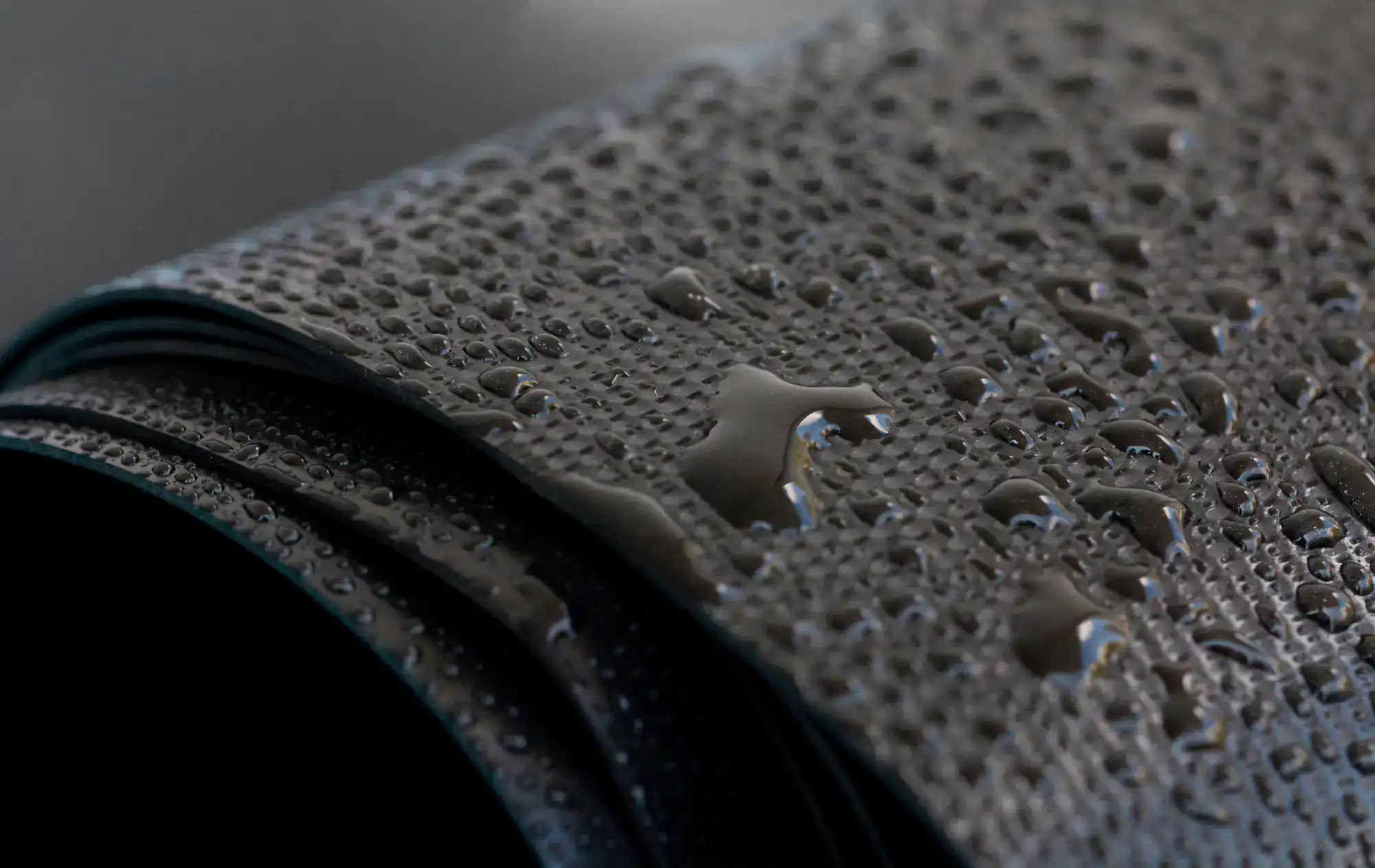
Interior basement waterproofing involves installing a drainage channel at the perimeter of the basement floor, just inside the foundation wall, that intercepts water before it reaches the living space and channels it to a sump pit. This system is particularly well-suited to Huntington homes dealing with sustained hydrostatic pressure from clay soil saturation the kind of pressure that doesn’t stop after the rain does. We waterproof basement walls with drainage board or interior membrane systems that work alongside this to manage seepage through the wall face itself.
Sump pump installation is often the final piece. A properly sized pump, paired with a battery backup system, keeps water moving out even during the summer thunderstorms that regularly knock out power across Long Island. We size and install the system based on your home’s actual water volume not a one-size-fits-all unit pulled off a shelf.
The most common reason a basement continues to flood after a previous repair is that the repair addressed the symptom where water was showing up rather than the source. In Huntington, the source is often hydrostatic pressure from clay-heavy soil that stays saturated long after a rain event ends. Clay doesn’t drain the way sandy soil does. It holds water against your foundation walls for days, and that sustained pressure will find any weak point: a hairline crack, a floor-wall joint, a deteriorated mortar joint in a block wall.
If a previous contractor applied hydraulic cement or waterproofing paint and called it done, that’s likely why you’re still dealing with water. Those products can slow minor seepage, but they don’t address pressure. An interior drainage system installed at the foundation perimeter combined with a properly sized sump pump is designed to manage that pressure continuously, not just seal over it. The fix that actually holds is the one that works with the water, not against it.
Cost varies depending on what’s actually causing the problem and what your basement requires. A foundation crack sealing job using epoxy or polyurethane injection might run $500 to $1,500 for a single crack. A full interior drainage system with sump pump installation in a typical Huntington home typically falls somewhere between $5,000 and $12,000, depending on the size of the space and the severity of the water intrusion. Exterior excavation and waterproofing, when it’s the right solution, can run higher.
What drives the number is the diagnosis, not a price list. Contractors who give you a quote over the phone before seeing your basement are guessing and that guess usually goes up once they arrive. We start with a free in-home inspection so the estimate you receive reflects what was actually found, not a ballpark. For a home worth $700,000 to $1.5 million which covers a wide range of Huntington’s housing stock a properly installed waterproofing system is a straightforward investment in protecting what you already own.
Yes, and the reason is specific to how Long Island winters work. Huntington doesn’t get the kind of sustained deep freezes you’d see upstate, but it reliably cycles through multiple freeze-thaw events each season temperatures drop below freezing, then climb back above it, sometimes multiple times in a single week. Any water that has worked its way into a foundation crack expands when it freezes. That expansion widens the crack. By the time spring arrives, what was a $600 repair in October can easily be a $2,500 repair in March.
The fall window roughly September through November is the optimal time to address cracks before the first hard freeze sets in. It’s also when the soil around your foundation has had time to dry out from summer, which makes epoxy and polyurethane injection more effective because the crack itself is drier and the material bonds more cleanly. If you’ve noticed a crack this summer, getting it looked at before winter is the most cost-effective move you can make.
For most interior waterproofing work drainage channel installation, sump pump replacement, crack sealing a separate building permit is typically not required in Huntington. However, if you’re planning to finish the basement after waterproofing it, that’s a different situation. The Town of Huntington requires a building permit for finished basement conversions, and that permit process runs through the Building Department at 100 Main Street in Huntington. Skipping that step is a problem that tends to surface at the worst possible time when you’re trying to sell the house and an inspector flags the unpermitted space.
It’s also worth knowing that Huntington’s code requires downspouts emptying at grade to have splash blocks that carry rainwater at least three feet from the building. That’s a code-level requirement directly related to how water is managed around your foundation, and it’s something we look at during every inspection. If your grading or downspout discharge is contributing to your basement moisture problem, we’ll flag it because fixing the drainage around the house is sometimes as important as what happens inside the basement wall.
The honest answer is that it depends on where the water is coming from and how your home is situated. Exterior waterproofing which involves excavating around the foundation, applying a waterproof membrane to the outside of the wall, and installing drainage board and footing drains addresses the problem at its source and is the most comprehensive solution when it’s warranted. It’s also the most disruptive and expensive option, and it’s not always necessary.
For many Huntington homes, particularly those dealing with hydrostatic pressure from clay soil saturation or elevated groundwater near the harbor, interior drainage systems are the more practical and equally effective solution. Interior systems don’t stop water from reaching the wall they intercept it before it reaches the living space and route it to a sump pump. This is especially relevant for older homes in Huntington Village and waterfront areas where full exterior excavation would be significantly more complex. The inspection is what tells us which direction makes sense for your specific home and in some cases, a combination of both is the right call.
Start with how they handle the inspection. A contractor who gives you a price before they’ve walked your basement, looked at your exterior grading, and identified the actual source of the water intrusion is not diagnosing your problem they’re selling you a package. In Huntington’s market, where homes are older, soil conditions vary significantly between neighborhoods, and groundwater levels near the harbor are genuinely different from conditions in Commack or Melville, a real inspection matters more than it would in a newer, more uniform housing market.
Beyond that, look for a written warranty that’s specific about what it covers and for how long. Ask whether the warranty is transferable if you sell the home in a market where buyers’ inspectors flag wet basements immediately, a documented waterproofing system with a transferable warranty is a real selling point. And make sure the contractor is properly licensed and insured in New York State. The waterproofing industry has a documented history of high-pressure sales tactics and warranties that disappear when the company changes hands or closes. A locally operated contractor with a real presence in Suffolk County is accountable in a way that a national franchise or out-of-area operator simply isn’t.