
Hear from Our Customers
Montauk sits at the end of Long Island for a reason it takes the full force of whatever the Atlantic and Block Island Sound throw at it. That exposure doesn’t stop at the shoreline. Groundwater rises after every major storm, hydrostatic pressure builds against your foundation walls, and if there’s a crack or a gap anywhere in that concrete, water will find it. The result isn’t just a wet floor it’s mold behind your walls, damaged framing, and a basement that becomes unusable and, eventually, unsellable.
For homeowners with seasonal properties in Montauk, the stakes are even higher. A nor’easter rolls through in February, water seeps in through a foundation crack, and by the time you return in May, you’re not dealing with a repair you’re dealing with a remediation. Proper interior basement waterproofing stops that cycle before it starts, keeping the space dry whether you’re there or not.
With average home values in Montauk pushing past $1.7 million, a wet basement isn’t a minor inconvenience. It’s a direct hit to your asset. Buyers’ inspectors flag moisture and efflorescence immediately, and a documented, warranted waterproofing system removes one of the most common deal-killers in the Hamptons real estate market. Getting this right protects what you’ve built here.
We work on Long Island’s East End which means we understand what Montauk’s geology actually does to a foundation. The sandy glacial soils that make up the terminal moraine beneath Montauk transmit water quickly and unpredictably. The water table is high, the storms are serious, and the combination of the Atlantic to the south and Block Island Sound to the north means groundwater pressure here is not the same as what you’d find in an inland Suffolk County community.
We don’t quote jobs over the phone. Every project starts with an in-person inspection looking at your foundation walls, your floor, your drainage conditions before we recommend anything. That’s how it should work, and that’s how we do it. We carry the licensing and insurance required for work in the Town of East Hampton, and we know the Building Department’s permitting process so you don’t have to figure it out alone.
Whether your home is near Fort Pond, off Ditch Plains, or tucked into Hither Hills, we’ve seen what water does to foundations in this area, and we know how to stop it.
It starts with the inspection. We come to your property, walk the basement or crawl space, and look at what’s actually happening where the water is entering, what the pressure conditions look like, and what the soil and drainage situation around your foundation suggests. In Montauk, that means accounting for proximity to water bodies, the permeability of the glacial sandy soils, and any storm surge history the property has. We don’t assume we look.
From there, we give you a written, itemized estimate. You’ll know exactly what’s being done, why it’s being done, and what it costs before any work begins. If the project requires a permit through the Town of East Hampton Building Department, we handle that process pulling the right documentation, meeting code requirements, and making sure everything is above board. That matters for your records, especially if you plan to sell.
Once work begins, the approach depends on what the inspection revealed. That might mean interior drainage channel installation along the perimeter, epoxy or polyurethane injection to seal foundation cracks, sump pump installation with battery backup, or crawl space encapsulation. For Montauk properties that sit unoccupied through the winter, battery backup on the sump system isn’t optional it’s the only thing standing between your basement and a storm that knocks out power for three days. We finish the job, clean up, and walk you through what was done and what to watch for going forward.
Ready to get started?
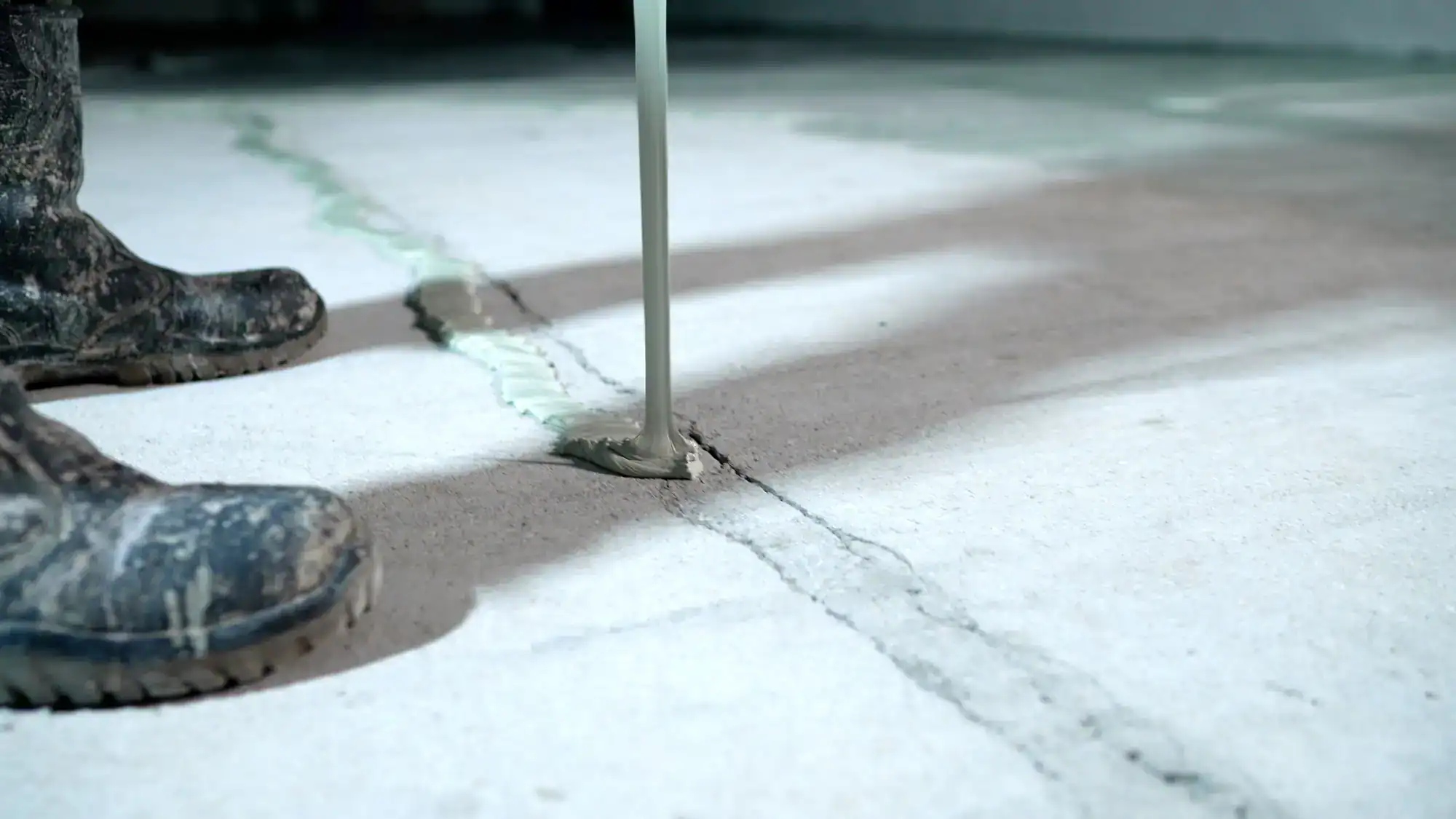
Basement waterproofing in Montauk isn’t one-size-fits-all, and the solution we recommend depends entirely on what your home is dealing with. Foundation crack sealing addresses the specific entry points where water is getting through using epoxy or polyurethane injection that bonds directly to the concrete and holds under hydrostatic pressure. Interior drainage systems capture water that makes it past the wall and route it to a sump pit before it reaches your floor. Sump pump installation handles the volume, and in a coastal community like Montauk where nor’easters regularly knock out power along Route 27, battery backup isn’t an upgrade it’s a necessity.
For older Montauk homes with crawl spaces rather than full basements, encapsulation is often the right call. Crawl spaces in this environment accumulate moisture fast from groundwater below and ocean-humid air above and an unsealed crawl space feeds that moisture directly into your home’s framing and air supply. We seal the floor and walls, address any standing water issues, and install a dehumidification solution where needed.
Every service we deliver in Montauk, NY is designed around what this area actually throws at a foundation not what works in a generic Long Island suburb. The Town of East Hampton has specific code requirements for below-grade work, and every project we complete meets those standards. You get documentation you can keep, share with a buyer’s agent, or hand to your insurance company if it ever comes up.
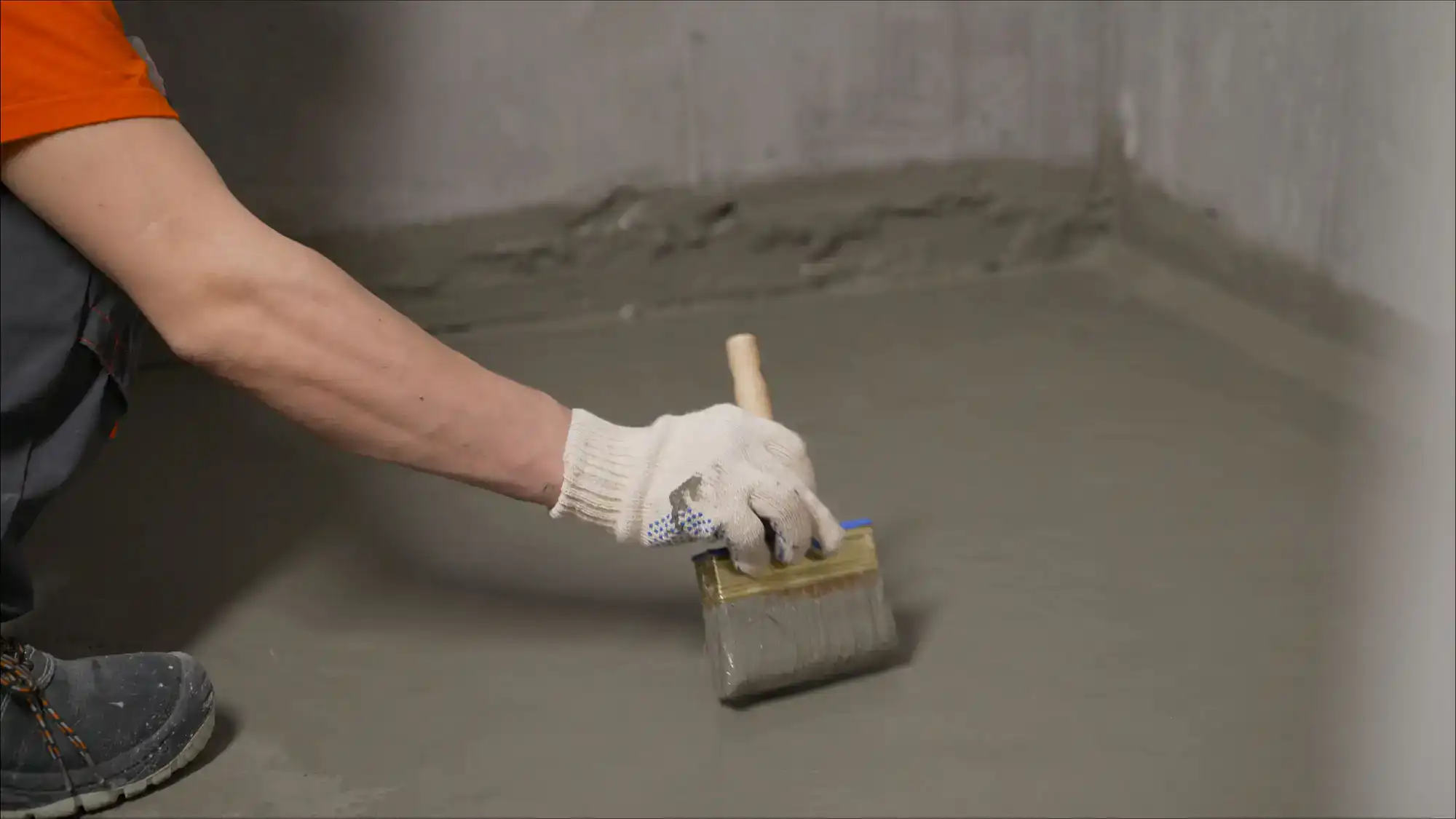
The rain stopping doesn’t mean the water does. Montauk’s principal aquifer sits in fine- to coarse-grained glacial drift highly permeable material that moves water laterally through the soil quickly and toward whatever structure is in its path. When a major storm saturates the ground, the water table rises and stays elevated for days, sometimes longer. That sustained hydrostatic pressure against your foundation walls and floor is what causes seepage well after the sky clears.
In neighborhoods like Fort Pond or areas near Lake Montauk, you’re also dealing with groundwater influenced by those interior water bodies not just rainfall runoff. If your basement is flooding consistently after storms, the issue isn’t a one-time event. It’s a drainage and pressure problem that needs a permanent solution: typically an interior perimeter drainage system paired with a properly sized sump pump that can handle the volume your soil produces. A surface sealant or waterproofing paint won’t hold against that kind of sustained pressure.
Cost depends on what the inspection reveals, the size of the space, and what systems are needed to actually solve the problem. A foundation crack repair using epoxy or polyurethane injection typically runs in the range of $500 to $1,500 per crack depending on length and location. A full interior perimeter drainage system with sump pump installation generally falls between $8,000 and $15,000 for a standard basement. Crawl space encapsulation varies based on square footage and condition, but most Montauk crawl spaces run between $5,000 and $12,000 fully encapsulated.
What matters more than the upfront number is what you’re protecting. In a market where the average Montauk home value exceeds $1.7 million, a $10,000 waterproofing investment represents less than one percent of the asset. Compare that to the cost of mold remediation, structural repair, or the negotiating hit you take when a buyer’s inspector finds an active moisture problem and the math becomes straightforward. We give you a written, itemized estimate after the inspection so there are no surprises.
If your home is in Montauk especially if it’s a seasonal property yes. A standard sump pump runs on electricity, which means when a nor’easter or tropical storm knocks out power along Route 27, your pump stops working at exactly the moment it’s needed most. Power outages in Montauk during major storms are common and can last anywhere from several hours to several days. A battery backup system keeps the pump running through those outages automatically, without any action required on your part.
For homeowners who aren’t in Montauk year-round, this is particularly important. If a storm hits in January and you’re in the city, you won’t know the power is out and the pump is down until you return by which point the damage is already done. A quality battery backup unit can handle thousands of gallons before the charge depletes, and some systems include cellular alerts that notify you if the pump activates or if power is lost. That kind of remote visibility is worth a lot when your property is 100-plus miles away.
Foundation cracks in Montauk homes come from a few different sources, and identifying which one you’re dealing with changes how it gets repaired. The most common cause is hydrostatic pressure water-saturated soil pushing against the outside of your foundation walls over time. Montauk’s sandy glacial soils transmit water quickly, and with the water table as high as it is near the Atlantic and Block Island Sound, that pressure is persistent rather than occasional.
Freeze-thaw cycling is another significant factor. Long Island winters regularly cycle above and below freezing from November through March, and any existing crack in your foundation will expand and contract with each cycle widening slightly each time. Over several seasons, a hairline crack becomes an active leak. Storm surge events can also introduce saltwater into the soil around your foundation, and saltwater accelerates concrete deterioration faster than freshwater does. That’s a specific risk in Montauk that doesn’t apply the same way to inland communities. The right repair epoxy injection for structural cracks, polyurethane for active water leaks depends on the crack type and what’s driving it.
For many older Montauk homes particularly those built during the mid-20th century fishing and resort development era crawl spaces are the norm rather than the exception. And in a coastal environment, an unsealed crawl space is one of the fastest paths to structural damage and air quality problems. Moisture enters from two directions simultaneously: groundwater migrating up through the soil below, and humid ocean air infiltrating through vents and gaps in the foundation. That combination creates a persistently damp environment where mold, wood rot, and pest activity thrive.
The impact isn’t confined to the crawl space itself. Air in a crawl space moves upward into the living areas of the home through a process called the stack effect which means mold spores and moisture from an unsealed crawl space are actively affecting the air your family breathes inside. For seasonal homes that sit closed through the winter, this process runs unchecked for months. Crawl space encapsulation sealing the floor and walls with a heavy-duty vapor barrier and addressing any drainage issues stops moisture at its source and protects both the structure and the air quality of the home above it.
It can make a meaningful difference, and in the Hamptons real estate market specifically, it often does. Buyers’ inspectors in this market are thorough, and moisture-related findings efflorescence on basement walls, active seepage, foundation cracks, or evidence of past flooding are among the most common issues that slow down or derail transactions. A wet basement finding gives buyers leverage to negotiate the price down or walk away entirely, particularly at the price points Montauk properties trade at.
A documented, warranted waterproofing system changes that dynamic. It gives the buyer’s agent something concrete to point to, removes the uncertainty around the basement’s condition, and signals that the property has been maintained by someone who takes it seriously. If the warranty is transferable meaning it passes to the new owner that adds another layer of value that buyers in this market recognize. Given that Montauk homes regularly sell above $1.5 million, removing a major inspection objection before listing is a straightforward way to protect your asking price and keep the transaction on track.