
Hear from Our Customers
Water in your North Sea basement isn’t just an inconvenience it’s a compounding problem. The hamlet sits on one of the shallowest water tables on Long Island’s South Fork, with groundwater naturally flowing toward Little Peconic Bay rather than downward. That means hydrostatic pressure builds against your foundation walls from the outside in, and no surface coating or store-bought sealant is going to stop it. The fix has to address what’s actually happening underground.
Once that’s handled correctly, everything downstream changes. The musty smell is gone. The humidity that’s been feeding mold in your utility room drops. If you’re finishing the basement or already have a finished space, you’re protecting that investment too because mold remediation after water damage typically runs $2,000 to $6,000, and that’s before you factor in replacing drywall, flooring, or stored belongings.
For the significant number of North Sea homeowners who aren’t here year-round, a properly waterproofed basement means your property isn’t silently deteriorating between visits. A sealed foundation, a correctly sized sump pump with battery backup, and a system designed for coastal groundwater conditions gives you real peace of mind not just during a storm, but every week you’re away.
We’re a Long Island-based waterproofing contractor that works regularly on the South Fork. That distinction matters here. North Sea isn’t central Suffolk the groundwater dynamics near Conscience Point, the tidal influence along the bay, and the freeze-thaw patterns of a coastal winter are different from what you’d find in Commack or Hauppauge. We understand those conditions because we work in them regularly.
What you won’t get from us is a one-size-fits-all recommendation. Every project starts with a thorough in-home inspection foundation type, water source, exterior grading, drainage patterns before anything is proposed. That’s not a sales tactic. It’s the only honest way to do this work.
We’re licensed, insured, and familiar with the Town of Southampton’s permit and stormwater discharge requirements. If your property is near a wetland area or a protected zone along the bay, we know what that means for how the work needs to be designed and executed.
It starts with a free in-home inspection. We walk the foundation, look at the interior walls and floor, check the exterior grading and drainage, and identify exactly where water is getting in and why. In North Sea, that often means paying close attention to groundwater pressure, not just surface water because the shallow water table here means the problem frequently comes from below or through the wall, not from a single visible crack.
From there, you get a written estimate with a clear explanation of what we found and what we recommend. No phone quotes, no prices that change when the crew shows up. If the fix is crack injection, we tell you that. If you need a full interior drainage system and a sump pump, we explain why and we show our work.
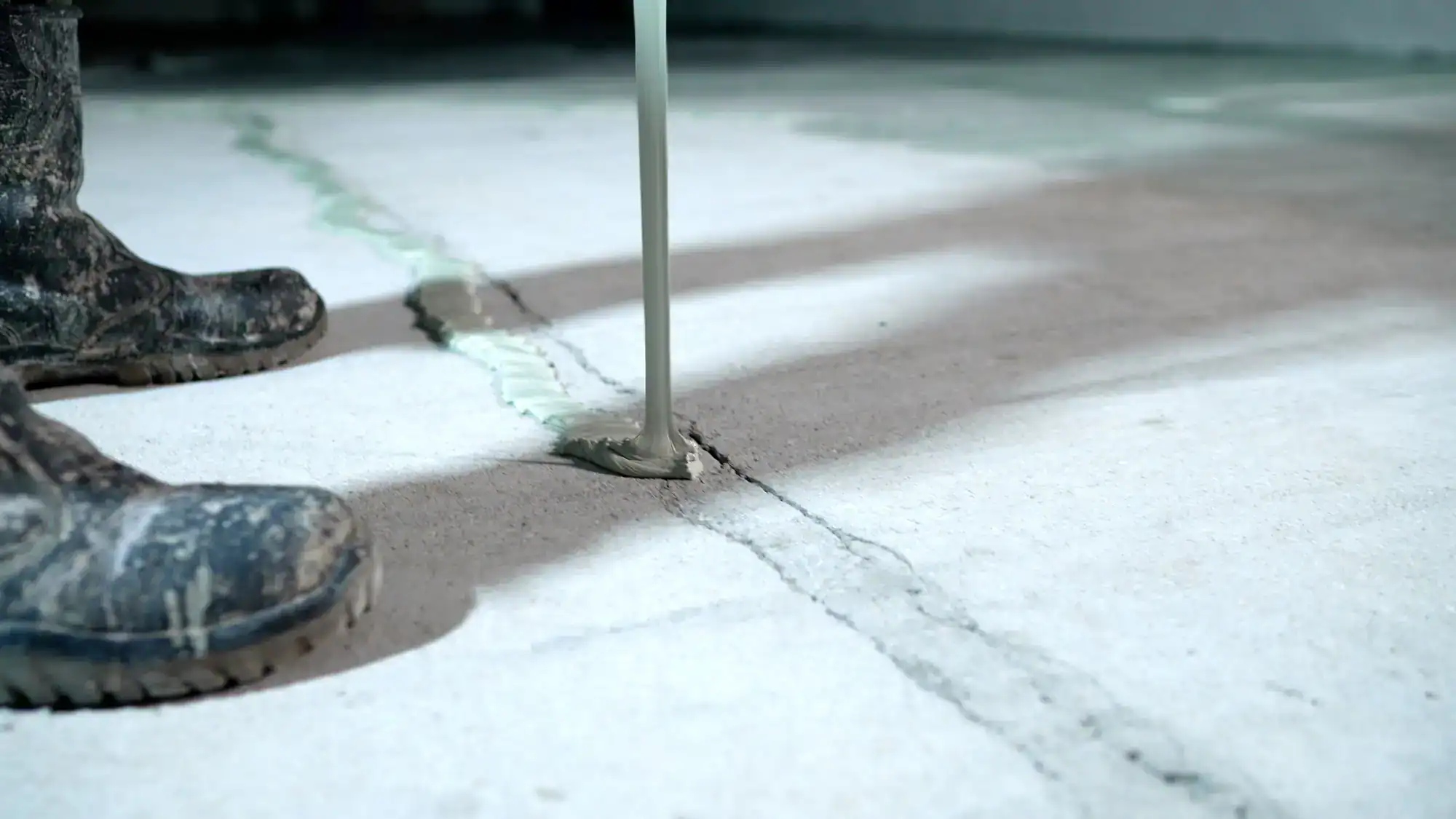
Once the scope is agreed on, we schedule and complete the job. For foundation crack sealing, that typically means injecting epoxy or polyurethane into the crack from the inside, which bonds to the concrete and stops water from following that path again. Sump pump installations are sized for your specific basement and, given the South Fork’s storm exposure, we strongly recommend battery backup on every primary pump. Before we leave, we walk you through what was done, what to watch for, and what your warranty covers.
Ready to get started?
Basement waterproofing in North Sea isn’t a single service it’s a diagnosis that leads to the right combination of solutions. The most common issues we see here are hydrostatic seepage through foundation walls, active cracks caused by freeze-thaw cycles, and sump pump failures during nor’easters and coastal storms. Each one has a different fix, and the right answer depends on what’s actually happening in your basement.
Foundation crack sealing uses professional-grade epoxy or polyurethane injection to close cracks from the inside out. It’s not a patch it bonds to the concrete and restores the structural integrity of that wall section. For basements dealing with broader groundwater pressure, an interior drainage system channels water away from the foundation perimeter before it can reach the floor, routing it to a sump pit and out of the house. We size every sump pump installation for the volume of water your basement is realistically dealing with and for properties in North Sea that sit vacant for months at a time, battery backup isn’t optional, it’s the only responsible choice.
Every job comes with a written warranty. If you’re planning to sell your North Sea property or already thinking about it a transferable warranty is a documented asset that shows up in buyer due diligence and can meaningfully support your asking price. In the Hamptons real estate market, that’s not a small thing.
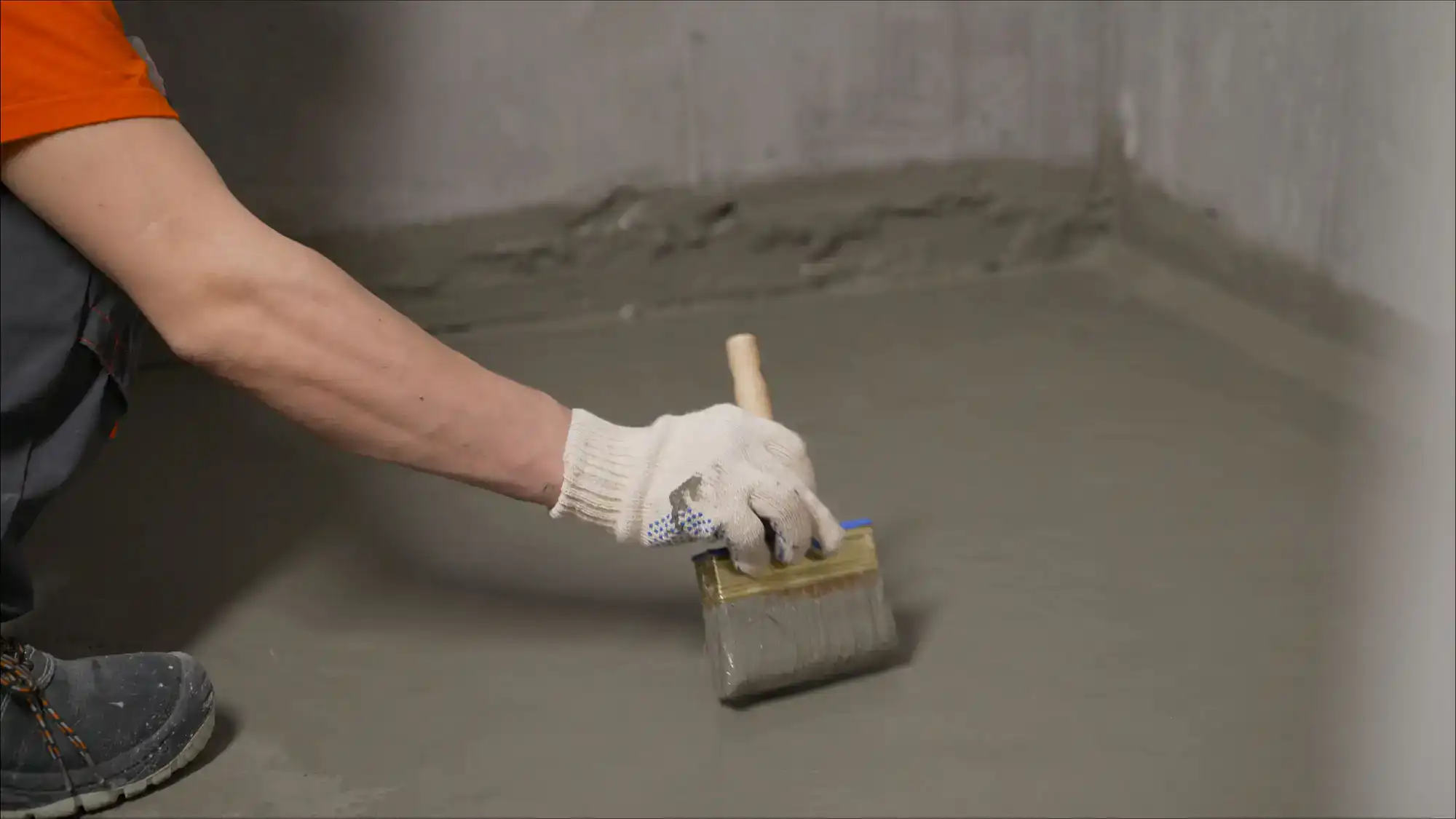
This is one of the most common frustrations we hear from North Sea homeowners, and it almost always comes down to the same root cause: the original sealing addressed the surface but not the pressure behind it. North Sea sits on a naturally shallow water table, and in low-lying areas near Little Peconic Bay and Conscience Point, groundwater doesn’t drain downward it moves laterally toward the bay. That means hydrostatic pressure is constantly pushing against your foundation from the outside.
Surface sealants and waterproofing paints can slow minor moisture vapor, but they’re not designed to resist sustained groundwater pressure. When that pressure builds especially after heavy rain, spring snowmelt, or a coastal storm it will find the path of least resistance, whether that’s a hairline crack, a wall-floor joint, or a porous section of older block foundation. A proper fix addresses the pressure itself, either by managing water at the perimeter with an interior drainage system or by sealing the specific entry point with professional-grade injection that bonds to the concrete rather than sitting on top of it.
The honest answer is that it depends on what’s actually wrong, and that’s exactly why we don’t give phone quotes. That said, here’s a realistic range based on common North Sea scenarios. Foundation crack sealing using epoxy or polyurethane injection typically runs $800 to $1,500 per crack. A sump pump installation including the pit, pump, and discharge line generally falls between $600 and $1,900 depending on the system and whether battery backup is included. A full interior drainage system for a larger basement, which is more common in the estate-level homes on the South Fork, can range from $5,000 to $15,000 or more depending on the perimeter footage involved.
For context, on a North Sea property with a median value over $1,000,000, a $7,000 waterproofing system represents less than 1% of the home’s value and it protects against water damage that can cost $30,000 to $100,000 to remediate if left unaddressed. The inspection is free, the estimate is written, and there’s no obligation. You’ll know exactly what you’re dealing with before you commit to anything.
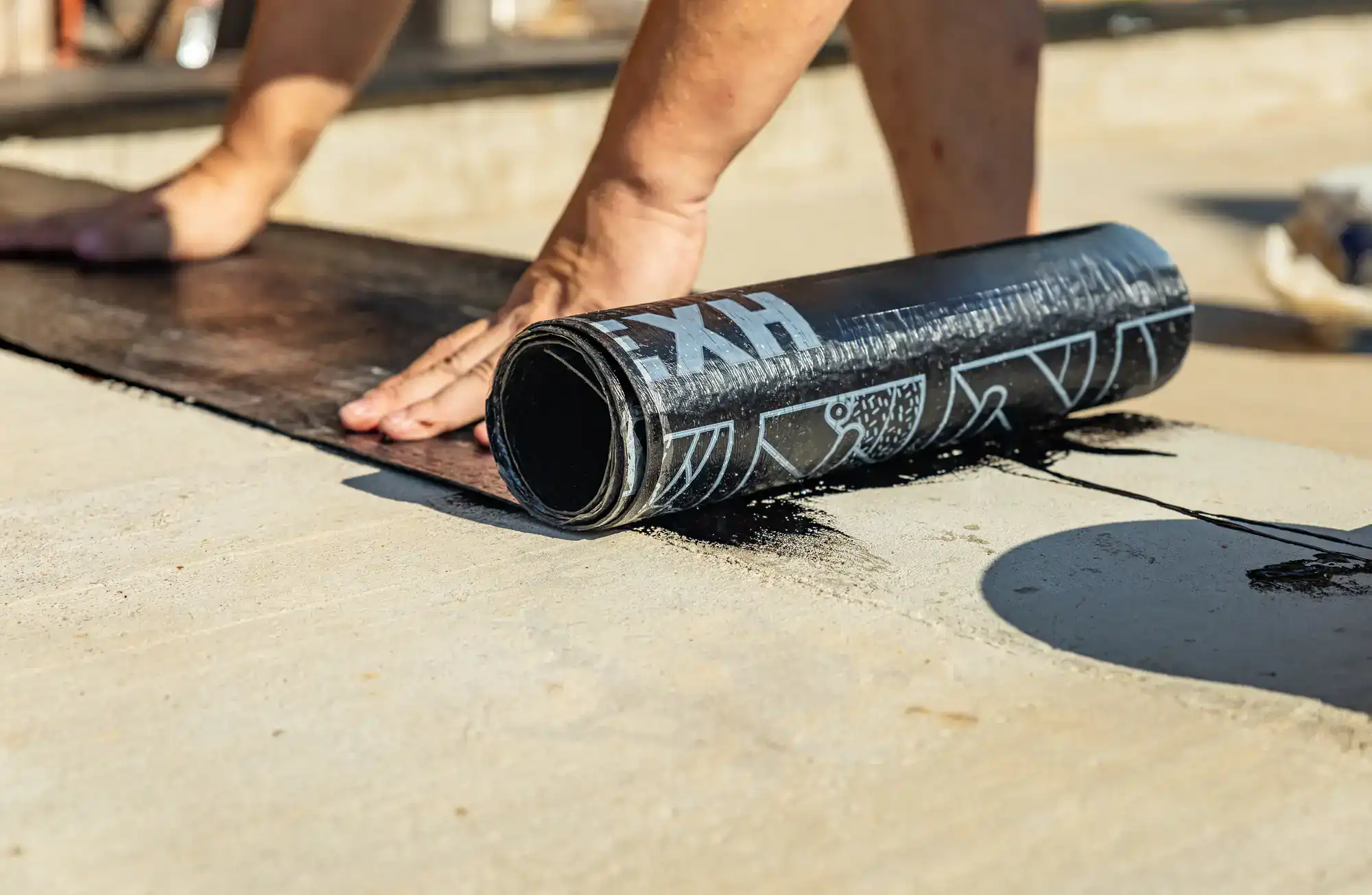
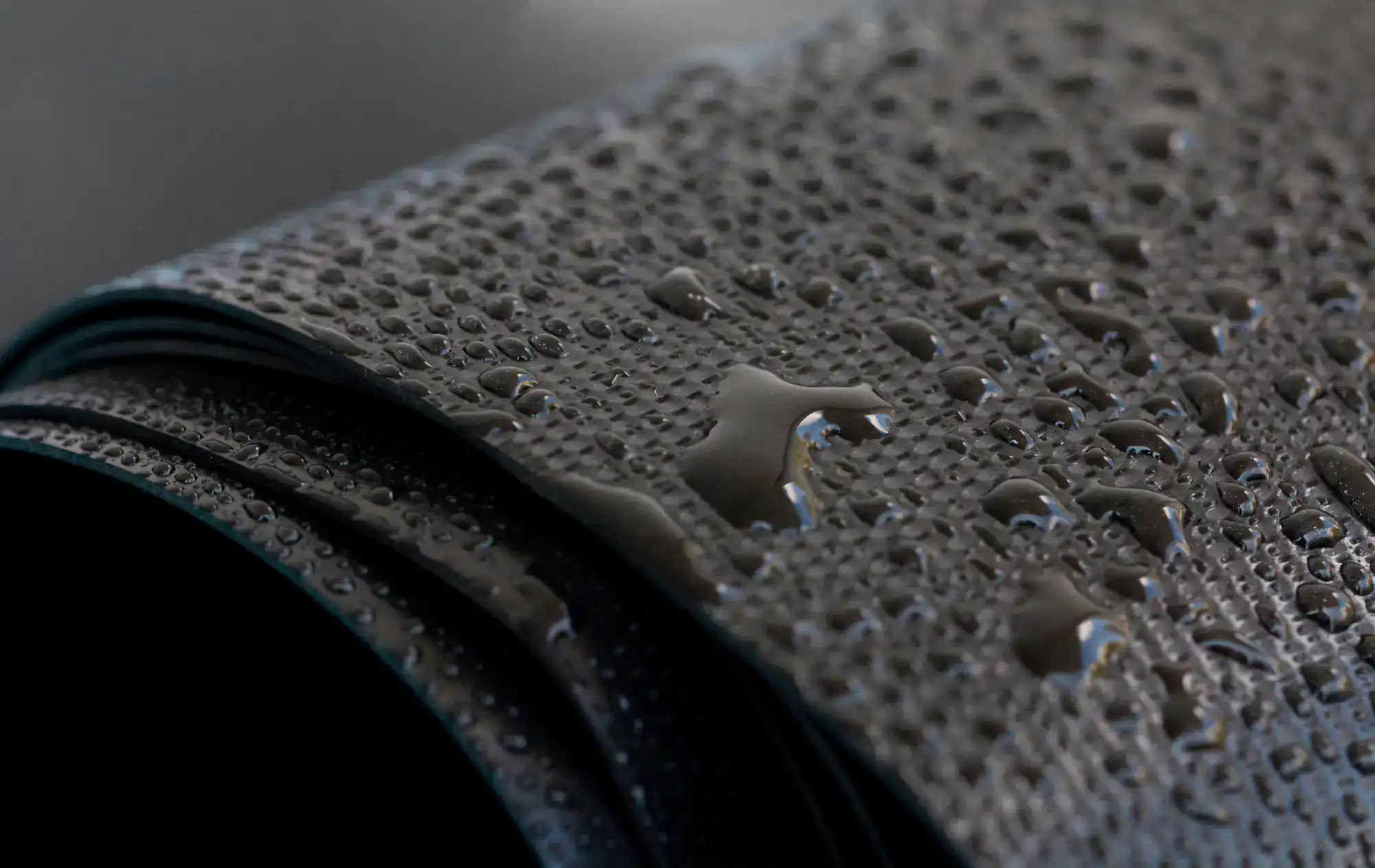
Exterior waterproofing means excavating around the foundation, applying a waterproof membrane or drainage board to the outside of the wall, and managing water before it ever reaches the foundation. It’s highly effective and is the preferred approach on new construction. On an existing home, though, it’s significantly more invasive and in North Sea, where many properties have mature landscaping, established gardens, and carefully maintained outdoor spaces, the disruption of a full exterior excavation is a real consideration.
Interior waterproofing manages water after it enters the foundation assembly but before it reaches your living space. A perimeter drainage channel collects seeping water and routes it to a sump pump, which removes it from the house. Combined with crack injection on active entry points, interior waterproofing is the most practical and cost-effective solution for the vast majority of existing North Sea homes. It doesn’t require excavation, it doesn’t disturb your yard, and when it’s designed correctly for your specific groundwater conditions, it works just as reliably as exterior systems. The right choice depends on your foundation type, the source of the water, and the layout of your property which is exactly what the inspection is for.
It depends on the scope of work. Minor crack sealing and sump pump replacements typically don’t require a permit in Southampton Town. However, structural work on the foundation including the installation of a new interior drainage system, a new sump pit, or any work that involves cutting the concrete floor generally does require a building permit from the Town of Southampton’s Building Department.
If your property is near a wetland area, a salt marsh, or a protected zone along Little Peconic Bay which applies to a meaningful number of North Sea properties, particularly those near Conscience Point or North Sea Harbor there may be additional requirements under the Town’s wetlands regulations. Sump pump discharge also needs to be directed in compliance with the Town’s stormwater management rules, which are designed to protect the water quality of local water bodies like Little Peconic Bay. We are familiar with Southampton Town’s regulatory requirements and will flag any permit needs before work begins, so you’re not caught off guard mid-project.
A battery backup sump pump is a secondary pump that activates automatically when your primary pump loses power or is overwhelmed by water volume. It runs on a charged battery and can typically operate for several hours to over a day depending on the system and how hard it’s working. When power is restored, the battery recharges automatically.
In North Sea, the case for battery backup is straightforward. The South Fork is directly in the path of Atlantic storms, nor’easters, and the remnants of tropical systems. The most intense rainfall events exactly the ones that send the most water toward your foundation are also the ones most likely to knock out power. A primary sump pump that goes dark during a storm is useless at the worst possible moment. For North Sea homeowners who spend time away from the property, that risk is even higher, because there’s no one there to catch the problem if the pump fails at 2 a.m. during a nor’easter in November. Battery backup isn’t an upsell it’s the only configuration that makes sense for a coastal property with a shallow water table and real storm exposure.
Yes and in the North Sea real estate market specifically, it can be a meaningful factor. Buyers and their agents in the Hamptons market are thorough. Home inspectors are experienced, and buyers doing due diligence on a property over $1,000,000 are going to look hard at the basement. Evidence of past water intrusion staining, efflorescence on walls, a musty smell, or an inspector’s note about moisture raises questions that can reduce the offer price, trigger demands for remediation credits, or stall a deal entirely.
A documented, transferable waterproofing warranty from a licensed contractor tells a different story. It shows the problem was professionally identified, correctly fixed, and backed by a warranty the new owner can rely on. That’s not just a checkbox it’s a selling point that experienced Hamptons real estate agents know how to use. North Sea home values have more than tripled since 2000, and protecting that equity means staying ahead of the issues that erode it. A properly waterproofed basement is one of the more straightforward ways to do that.