
Hear from Our Customers
The geology under north-central Suffolk County includes what the USGS calls the “Smithtown clay” a subsurface layer that traps moisture against foundation walls instead of letting it drain away. Most of the homes in Kings Park, Nesconset, and Smithtown proper were built in the 1960s and 70s. That means the original waterproofing on those foundations is decades past its useful life, and the concrete has been absorbing seasonal pressure ever since.
When basement waterproofing is done right, you stop reacting to every wet season and start ignoring it. Your storage stays dry. Your finished space stays usable. The musty smell that’s been there so long you stopped noticing it gone. And if you’re thinking about selling, a dry basement with documented waterproofing work is one less thing a buyer’s inspector can flag on a home worth $800,000 or more.
The August 2024 flooding event when the Blydenburgh Pond dam broke and sent hundreds of thousands of gallons into the Nissequogue River put four feet of water in the Smithtown Library basement and flooded homes across the township. That wasn’t a freak event. The Nissequogue corridor has a documented flooding history going back to 1936. If your home sits anywhere near that watershed, a properly sized sump pump with battery backup isn’t optional it’s what keeps the lights on when the power goes out and the water keeps rising.
We work on Long Island’s North Shore, and that matters because the conditions here the glacial clay deposits, the Nissequogue watershed, the aging split-levels and Capes in Kings Park and Nesconset are different from what you’d find on the South Shore or in Nassau County. We’re not applying a generic fix to a local problem.
Every job starts with a real inspection. We look at the interior and exterior of your foundation, the drainage conditions around your property, and where water is actually entering before we recommend anything. You’ll get a written, itemized estimate before any work begins. No phone quotes, no pressure, no guessing.
We’re a local, owner-operated contractor not a franchise with a call center in another state. When you need something after the job is done, you’re reaching the same team that did the work.
It starts with a free in-home inspection. We come out, walk the interior and exterior of your foundation, identify where water is entering and why, and explain what we’re seeing in plain terms. In Smithtown, that often means looking at how the clay soil around your foundation is holding moisture, whether your perimeter drainage from the 70s has collapsed, and whether existing cracks have been widening through freeze-thaw cycles.
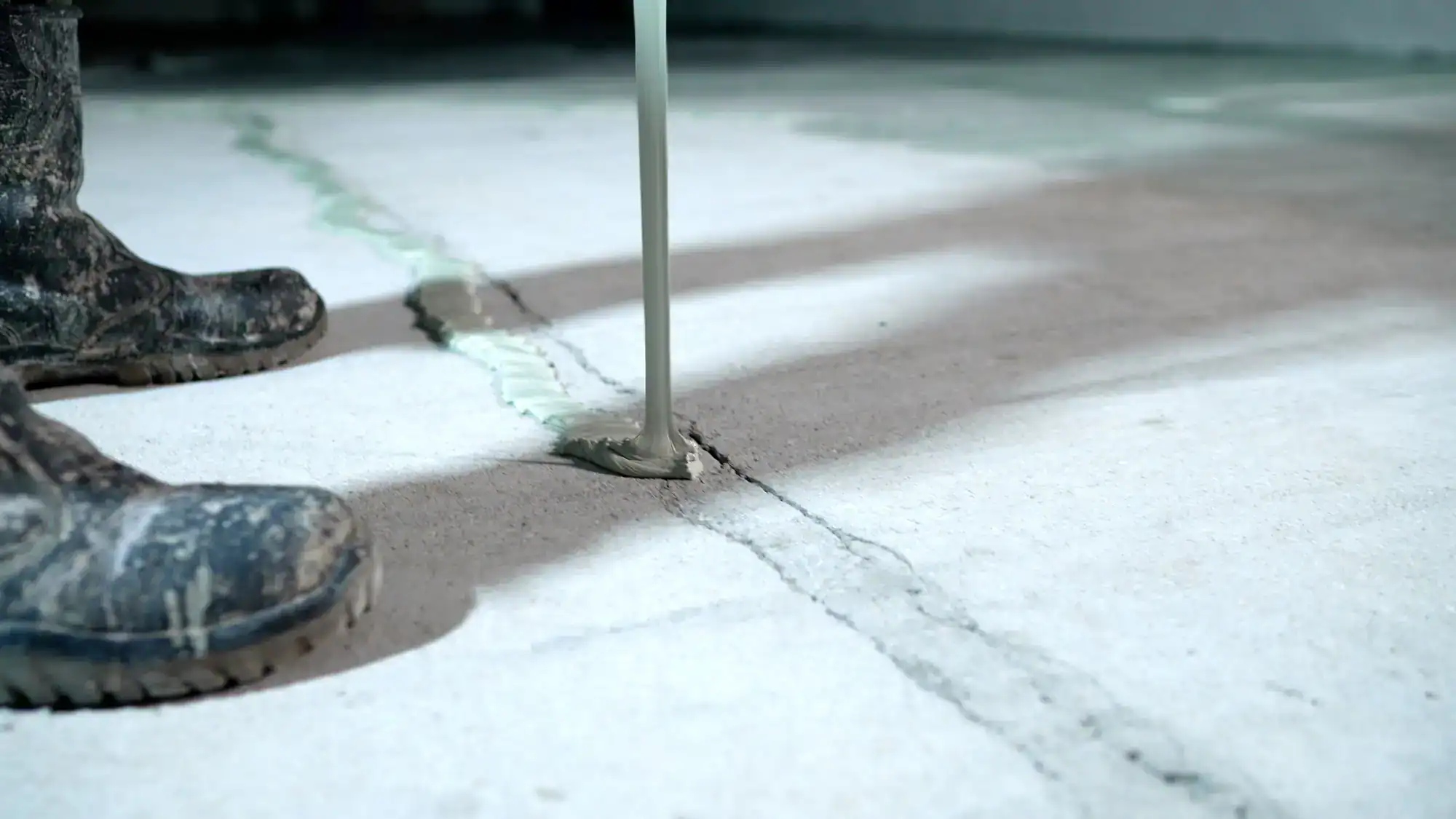
From there, you get a written estimate with a clear scope of work. If interior drainage is the right solution, we install a perimeter channel at the base of your foundation wall where water most commonly enters in Long Island’s poured concrete and concrete block foundations and route it to a sump basin. If foundation crack sealing is what’s needed, we use epoxy or polyurethane injection to fill the crack from the inside out and restore the wall’s integrity. Some scopes of work require a permit from the Smithtown Building Department, and we handle that process on your behalf.
Once the work is done, you’ll have documentation of what we installed, how it works, and what your warranty covers. Spring in Smithtown hits hard the ground is still half-frozen when the rain starts, and the clay holds every drop against your walls. The goal is to have everything in place before that season, not during it.
Ready to get started?
Basement waterproofing in Smithtown isn’t one-size-fits-all. A ranch in Kings Park built in 1964 has different foundation challenges than a colonial in Nesconset from the 1990s. The scope of work depends on what the inspection finds and we’ll tell you honestly what’s necessary and what isn’t.
Interior drainage systems are the right call when hydrostatic pressure from Smithtown’s clay soil is driving water through the wall-floor joint. A properly installed perimeter system manages that water before it spreads, and a sump pump with battery backup keeps it moving out of your home even when the power fails which matters in a town that declared a State of Emergency during the 2024 storm season. Sump pump installation typically runs $600–$1,900 depending on the setup, and battery backup is something we strongly recommend for any home in the Nissequogue corridor.
Foundation crack sealing is the right call when you have a specific entry point a visible crack in a poured concrete wall that’s been leaking for years. Epoxy and polyurethane injection runs $800–$1,500 per crack and stops the problem at the source. Interior waterproofing systems with a sump pump typically range from $4,500–$10,000 for most homes in the area. The cost of sealing a crack today is a fraction of what a structural foundation repair costs if that crack is left to widen through another decade of Long Island winters.
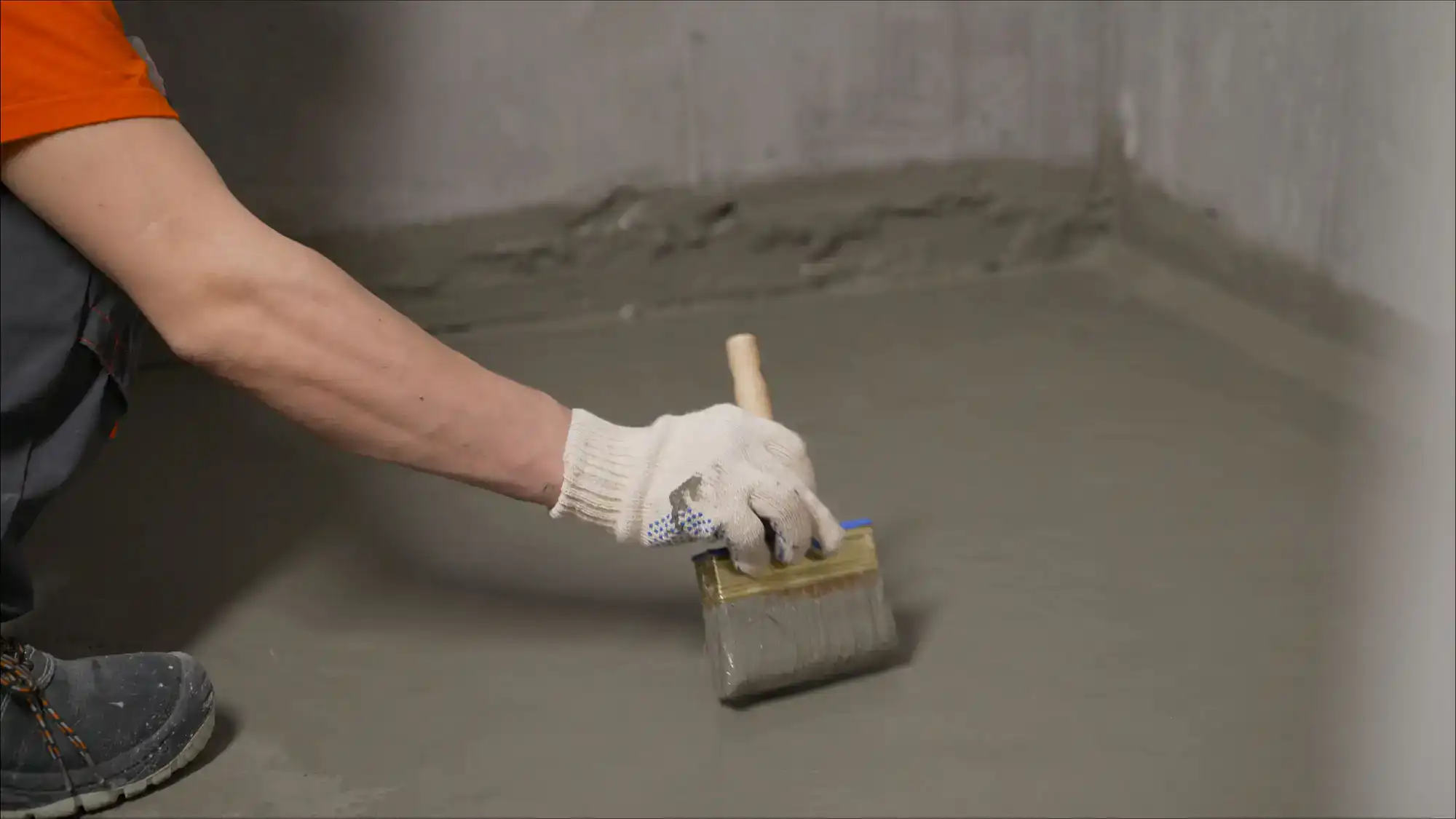
The most common reason is the soil itself. The USGS identifies a geological layer called the “Smithtown clay” in north-central Suffolk County a subsurface clay formation that doesn’t drain freely. Instead of water percolating away from your foundation after a storm, it builds up against the walls and floor. That hydrostatic pressure finds the path of least resistance, which is usually the wall-floor joint, a foundation crack, or a porous section of older concrete block.
For homes in the Nissequogue River corridor Kings Park, Smithtown proper, and the neighborhoods surrounding Blydenburgh County Park groundwater rises with the river during wet periods, which compounds the problem. If your basement floods consistently after heavy rain, it’s not bad luck. It’s a combination of local geology and a foundation that was never designed to handle it long-term. An inspection will tell you exactly where the water is entering and what will actually stop it.
It depends on what the problem actually is, which is why we don’t give phone quotes. That said, here’s a realistic range for the most common scopes of work in Smithtown. Foundation crack sealing using epoxy or polyurethane injection typically runs $800–$1,500 per crack. Sump pump installation is generally $600–$1,900 depending on the basin setup and whether you add a battery backup system. A full interior drainage system with sump pump which is the right solution when hydrostatic pressure from Smithtown’s clay soil is the primary driver typically ranges from $4,500–$10,000 for most homes in the area.
The honest framing is this: with homes in Smithtown averaging around $830,000 in value, the cost of professional waterproofing is a small percentage of what you’re protecting. A crack left unaddressed through a few more Long Island freeze-thaw cycles can turn into a structural repair that costs significantly more. The inspection is free that’s the right place to start.
Exterior waterproofing involves excavating around the foundation, applying a waterproof membrane to the outside of the wall, and installing drainage board and a footing drain to redirect water before it reaches the structure. It’s the most comprehensive approach, but it’s also the most disruptive and expensive and in many cases, it’s more than the situation requires.
Interior waterproofing doesn’t stop water from entering the wall, but it manages it before it can spread across your floor or damage your belongings. A perimeter drainage channel captures water at the wall-floor joint and routes it to a sump basin, where a pump moves it out of your home. For most of the 1960s and 70s-era homes in Kings Park and Nesconset, interior waterproofing is the more practical and cost-effective solution especially when the driving force is hydrostatic pressure from Smithtown’s clay soil rather than a single exterior crack. The inspection determines which approach is appropriate for your specific situation.
It depends on the scope. Surface-level crack sealing generally doesn’t require a permit. But if the work involves breaking up the concrete floor slab to install a perimeter drainage system, or if a new sump pump installation requires a dedicated electrical connection, those scopes typically do require permits from the Smithtown Building Department at 99 West Main Street.
We handle the permit process on your behalf when it’s required. We’re familiar with the Smithtown Building Department’s requirements and inspection process, so you don’t have to navigate that on your own. Skipping permits when they’re required isn’t worth the risk unpermitted work can create complications when you sell the home, and buyers’ attorneys in Suffolk County routinely pull permit histories during the closing process. Doing it right from the start protects you down the line.
A properly installed interior drainage system with a quality sump pump should last for many years with basic maintenance primarily keeping the sump pump clear and testing the battery backup before storm season. The drainage channel itself, once installed, doesn’t have moving parts and doesn’t degrade the way surface coatings do. Foundation crack injections, when done correctly, are a permanent repair the injected material bonds to the concrete and doesn’t re-crack at the same point.
We provide written warranties with plain-language terms not fine print that disappears when you need it. For Smithtown homeowners who may sell within the next decade, transferability matters. A documented, transferable warranty on a waterproofed basement is a concrete asset when you list your home. Buyers’ inspectors flag wet basements immediately, and a warranted system removes that objection before it becomes a negotiation.
For most homes in Smithtown and especially those near the Nissequogue River corridor yes. Here’s why: the conditions that cause your basement to flood are the same conditions that knock out your power. Heavy summer storms, nor’easters, and rapid snowmelt events don’t just bring water they bring outages. A sump pump that stops running when the power goes out fails at the exact moment you need it most.
The August 2024 storm that broke the Blydenburgh Pond dam and flooded homes across the township is a recent example, but the Nissequogue basin has a flooding history going back to 1936. Battery backup systems are sized to run for several hours after power loss long enough to get through most outage windows. For homes in lower-lying parts of Kings Park or Smithtown proper, it’s not an upgrade. It’s the baseline. We’ll tell you during the inspection whether your current setup has a backup and whether it’s adequate for your home’s water volume.