
Hear from Our Customers
West Islip homeowners don’t need a reminder of what a flooded basement looks like. Sandy hit hard south of Montauk Highway. Then came August 2014, when more than 10 inches of rain fell in 24 hours and the South Shore went underwater from Babylon to East Islip. If your basement made it through both of those and you still haven’t addressed the cracks or the seepage the next storm is the one you’re gambling on.
When basement waterproofing is done right, you stop reacting and start being prepared. No more watching the radar and hoping. No more shop-vac at 2 a.m. No more wondering if that musty smell is mold starting to take hold behind the drywall. For the families in West Islip and nearly 35% of households here have kids under 18 a dry basement isn’t a luxury upgrade. It’s a health decision.
There’s also the financial side. The median home in West Islip is worth around $725,000. A wet basement shows up in every buyer inspection, and it kills deals or kills your asking price. A properly waterproofed foundation with a transferable warranty doesn’t just protect the structure it protects what you’ve built here.
We work on Long Island. That means understanding the difference between a canal-adjacent property in southern West Islip and an inland home in Brentwood because those are genuinely different problems. The groundwater dynamics near the Great South Bay don’t behave like anything you’d find five miles north, and a solution that ignores that isn’t a solution.
Most of the homes we work on in West Islip were built around 1960. That’s over six decades of freeze-thaw cycles, storm events, and gradual foundation wear on materials that were never meant to last forever. We’ve seen what that looks like, and we know how to address it without overselling you on a system you don’t need.
Every job starts with an honest inspection not a sales call dressed up as one. You’ll get a straight answer about what’s causing the problem, what it takes to fix it, and what it’s going to cost. No pressure, no same-day urgency tactics. Just a clear picture of where things stand.
It starts with a free in-home inspection. We come out, look at the foundation, check the drainage patterns, and identify where water is getting in or where it’s building up pressure against the walls. For homes in the southern, canal-adjacent neighborhoods of West Islip, that often means paying close attention to hydrostatic pressure from the groundwater that sits persistently close to the surface. That’s a different diagnosis than a surface crack from freeze-thaw expansion, and it needs a different fix.
Once we know what we’re dealing with, we walk you through the options. If an interior drainage system makes sense channeling water away from the foundation perimeter and into a sump pit we’ll explain exactly how it works and why it fits your specific situation. If the issue is a cracked wall or floor joint, we’ll talk through epoxy or polyurethane injection and what that repair actually accomplishes. Where the scope of work requires a permit through the Town of Islip Building Division, we handle that process so you don’t have to navigate it yourself.
Work is scheduled around your timeline. When our crew leaves, the space is clean, the system is explained, and you know exactly what was done and why. No mystery, no unanswered questions.
Ready to get started?
Basement waterproofing isn’t one thing. What works for a canal-side property in southern West Islip where the water table is high year-round and tidal influence from the Great South Bay keeps groundwater pressure elevated is different from what works for a home closer to the Sagtikos Parkway corridor where the issue is more about surface drainage and aging concrete joints.
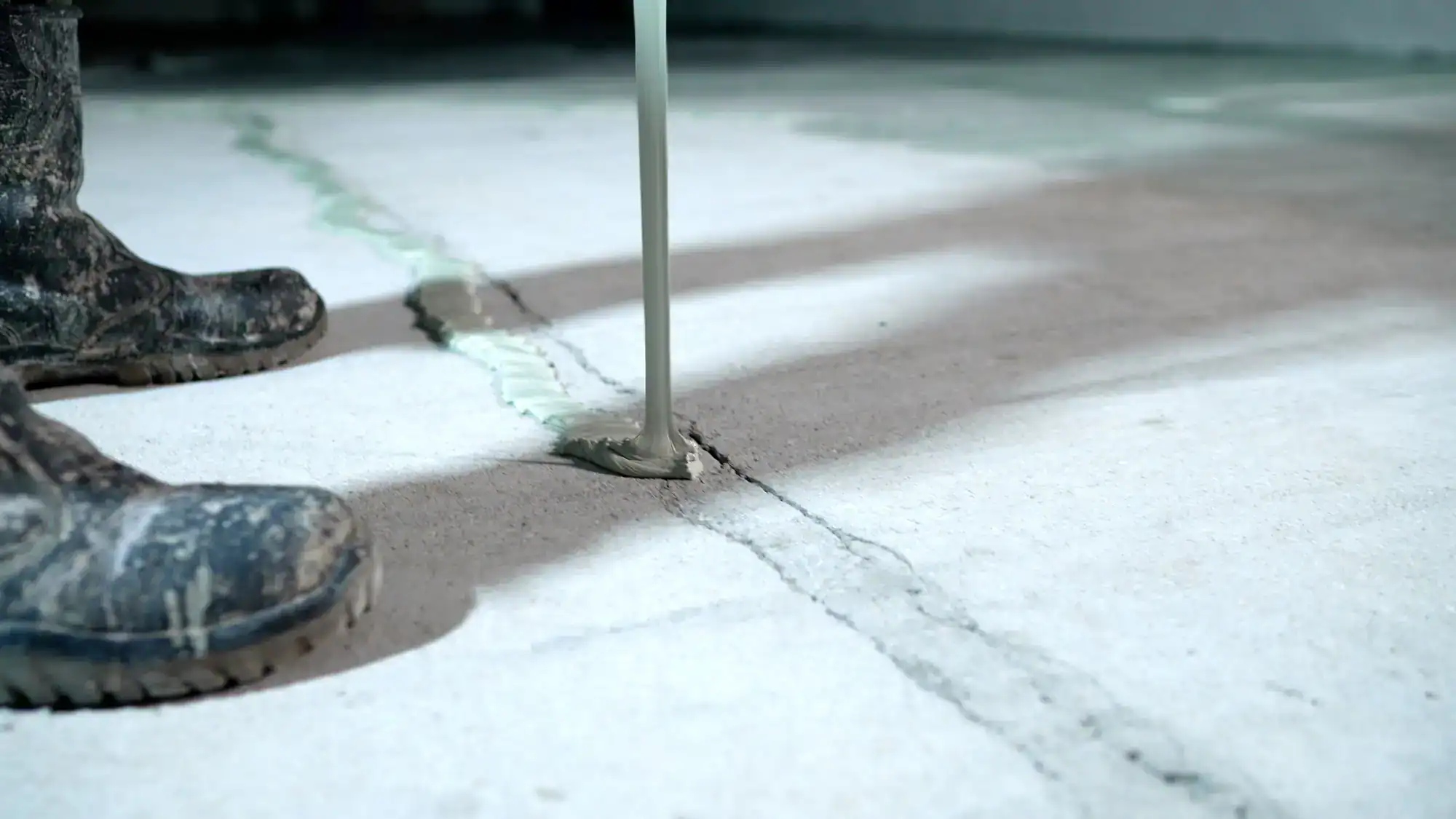
For persistent groundwater intrusion, interior drainage systems with sump pump installation are often the most practical and durable answer. We install primary sump pumps and battery backup systems because West Islip residents who lost power during Sandy know exactly what happens when a sump pump goes dead mid-storm. For foundation cracks, we use epoxy and polyurethane injection to seal from the inside out, bonding directly to the concrete and stopping the freeze-thaw cycle from widening the gap further each winter.
We also address wall seepage, floor cracks, joint separations, and surface waterproofing for basement walls. Every service comes with a written estimate before work begins, clear documentation of what was done, and warranty terms you can actually read and understand. If you’re in West Islip and you’re not sure what you need, that’s exactly what the inspection is for.
This is one of the most common questions we hear from homeowners in West Islip, and the answer usually comes down to groundwater pressure not just surface runoff. When it rains heavily, the water table in coastal South Shore communities like West Islip rises quickly. For homes in the southern, canal-adjacent neighborhoods especially, that water doesn’t just drain away when the rain stops. It sits against your foundation walls and pushes inward through any crack, joint, or porous section of concrete it can find.
The August 2014 storm when over 10 inches fell in 24 hours and set a New York State precipitation record at Islip gave a lot of West Islip homeowners a crash course in this. The flooding didn’t stop when the rain stopped because the ground was completely saturated. An interior drainage system with a properly sized sump pump is typically the most effective long-term answer for this kind of chronic groundwater intrusion. The inspection will tell you whether that’s what you’re dealing with or whether something simpler is causing the problem.
Cost depends heavily on what’s actually causing the problem, which is why we don’t quote jobs over the phone. That said, here’s a realistic range based on common scenarios in West Islip. Minor crack sealing and targeted repairs typically run $500 to $3,000. A full interior drainage system with sump pump installation generally falls between $4,500 and $10,000 for a standard basement. Sump pump installation on its own if the drainage is already in place usually runs $600 to $1,900. More significant structural foundation repairs can climb higher depending on severity.
For West Islip homeowners, it’s worth framing the cost against the alternative. Mold remediation after a flood typically costs $2,000 to $6,000. Structural foundation repair on a neglected problem can run $10,000 to $30,000 or more. With median home values around $725,000, a $6,000 waterproofing job that prevents a failed inspection or a price reduction at sale is not an expense it’s a return. You’ll get a written, itemized estimate after your inspection so there are no surprises.
It depends on the scope of work. Minor crack sealing and routine maintenance-level repairs generally don’t require a permit. But if the work involves installing a new interior drainage system, structural foundation repairs, or new plumbing connections for a sump pump, the Town of Islip Building Division typically requires a permit under the New York State Uniform Code and local zoning regulations.
The practical thing to know is that permitted work in the Town of Islip requires a minimum 48-hour notice for required inspections, and the applicant meaning the contractor is responsible for scheduling those inspections. We handle the permit process when it’s required, so you’re not left trying to navigate the Planning and Development Department on your own. If you’re not sure whether your project needs a permit, that’s a question we can answer clearly after the inspection.
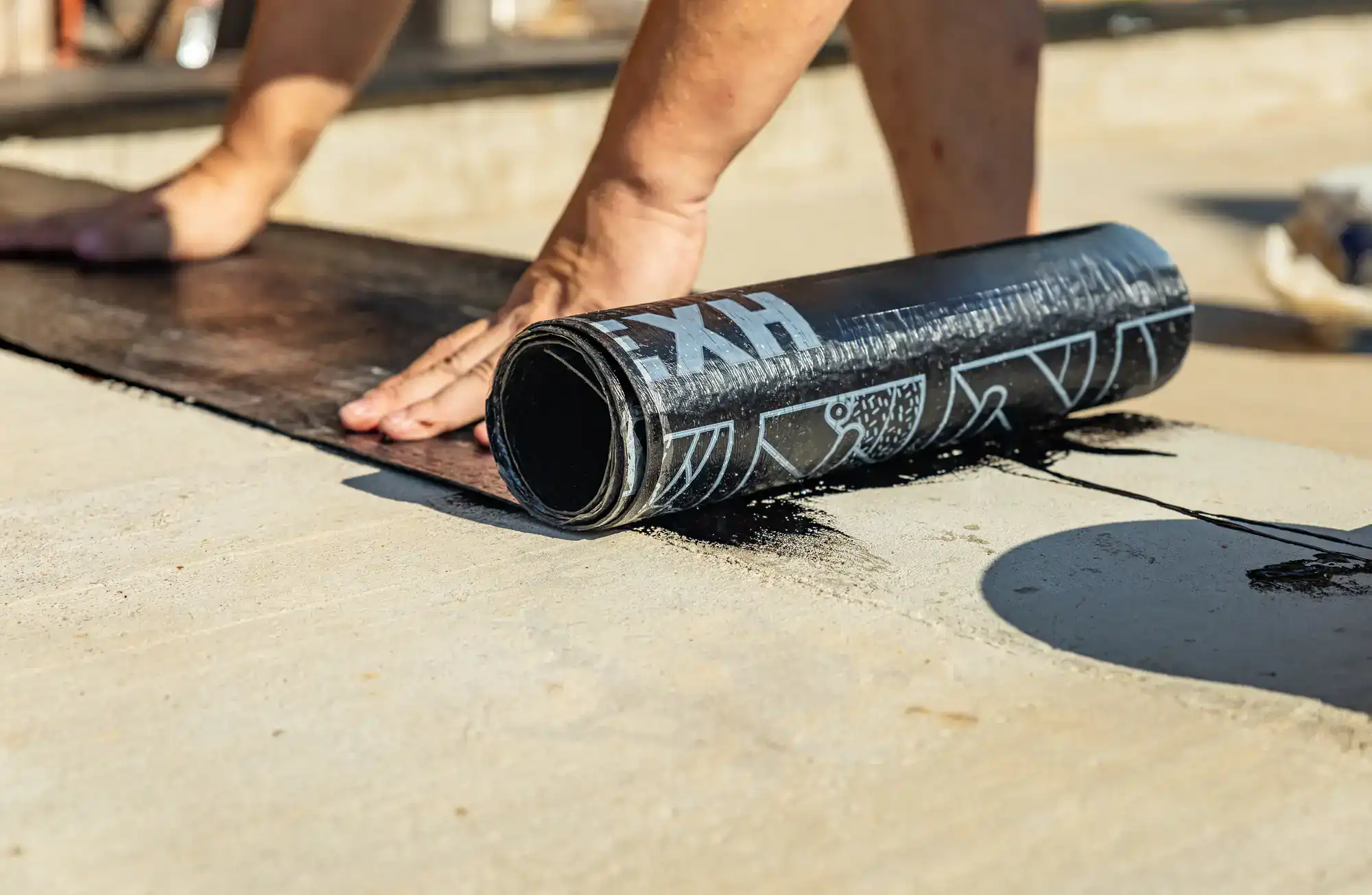
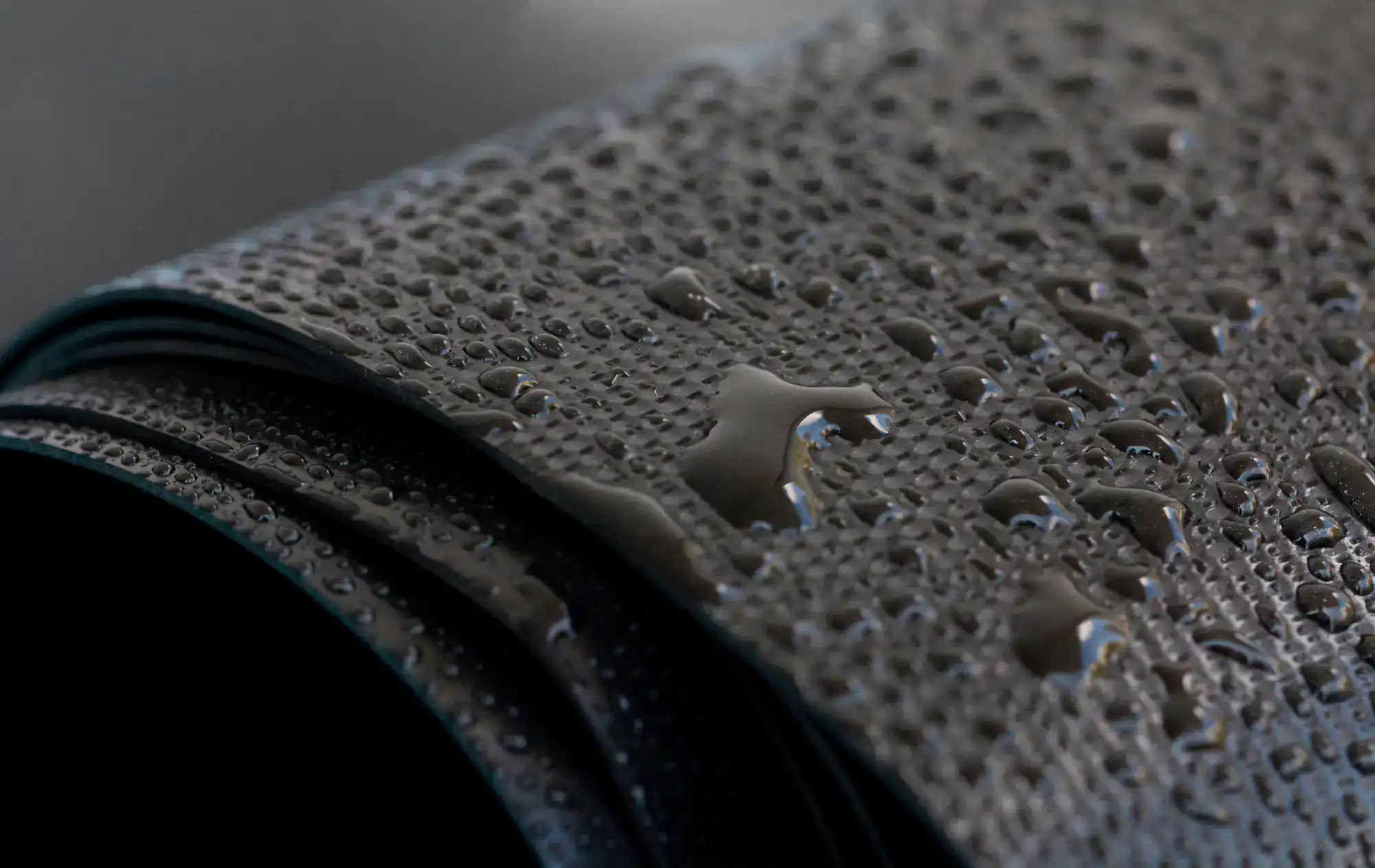
Exterior waterproofing involves excavating around the foundation, applying a waterproof membrane or coating to the outside of the foundation wall, and installing drainage to redirect water before it ever reaches the structure. It’s the most comprehensive approach when done correctly, but it’s also the most disruptive and expensive and in West Islip, where many homes sit close together on established lots with landscaping and mature trees, exterior excavation isn’t always practical.
Interior waterproofing manages water after it enters the foundation zone. A drainage channel is installed along the interior perimeter of the basement floor, water is directed into a sump pit, and a sump pump moves it out. This doesn’t stop water from reaching the wall, but it controls it effectively before it can cause damage and for homes dealing with persistent groundwater pressure from the canal-adjacent water table in southern West Islip, it’s often the most realistic and durable long-term solution. The right choice depends on your specific foundation, your lot, and what the inspection reveals.
Yes and West Islip residents who lived through Hurricane Sandy already know why. The worst flooding events on the South Shore almost always come with power outages. Sandy knocked out power across West Islip for days, and homes south of Montauk Highway were dealing with floodwater at the same time. A sump pump that loses power in the middle of a storm is a sump pump that isn’t working when you need it most.
A battery backup system kicks in automatically when the primary pump loses power or is overwhelmed by volume. For a community that sits at low elevation near the Great South Bay, experiences direct tropical storm exposure, and has a history of extended outages during major weather events, a battery backup isn’t an optional add-on it’s the part of the system that makes everything else worth installing. We include battery backup options in our sump pump installation recommendations for West Islip homes specifically because of this.
The honest answer is that you can’t always tell from looking at them and the ones that seem minor are sometimes the ones doing the most damage. Hairline cracks in poured concrete are common in older homes and often start as cosmetic issues. But West Islip’s freeze-thaw winters change that equation. Water gets into a hairline crack, freezes, expands, and makes the crack slightly larger. That happens repeatedly over a Long Island winter, and what started as a surface blemish becomes an active water entry point by spring.
The age of the housing stock here matters too. Most West Islip homes were built around 1960, which means the original foundation materials have been through 60-plus years of weather cycles, two major flood events, and the gradual stress of settling and soil movement. Horizontal cracks in block foundations are a more serious warning sign than vertical cracks in poured concrete, but neither should be ignored without a professional look. The inspection is free and it gives you a clear answer about whether you’re dealing with something cosmetic or something that needs to be addressed before the next storm season.