
Hear from Our Customers
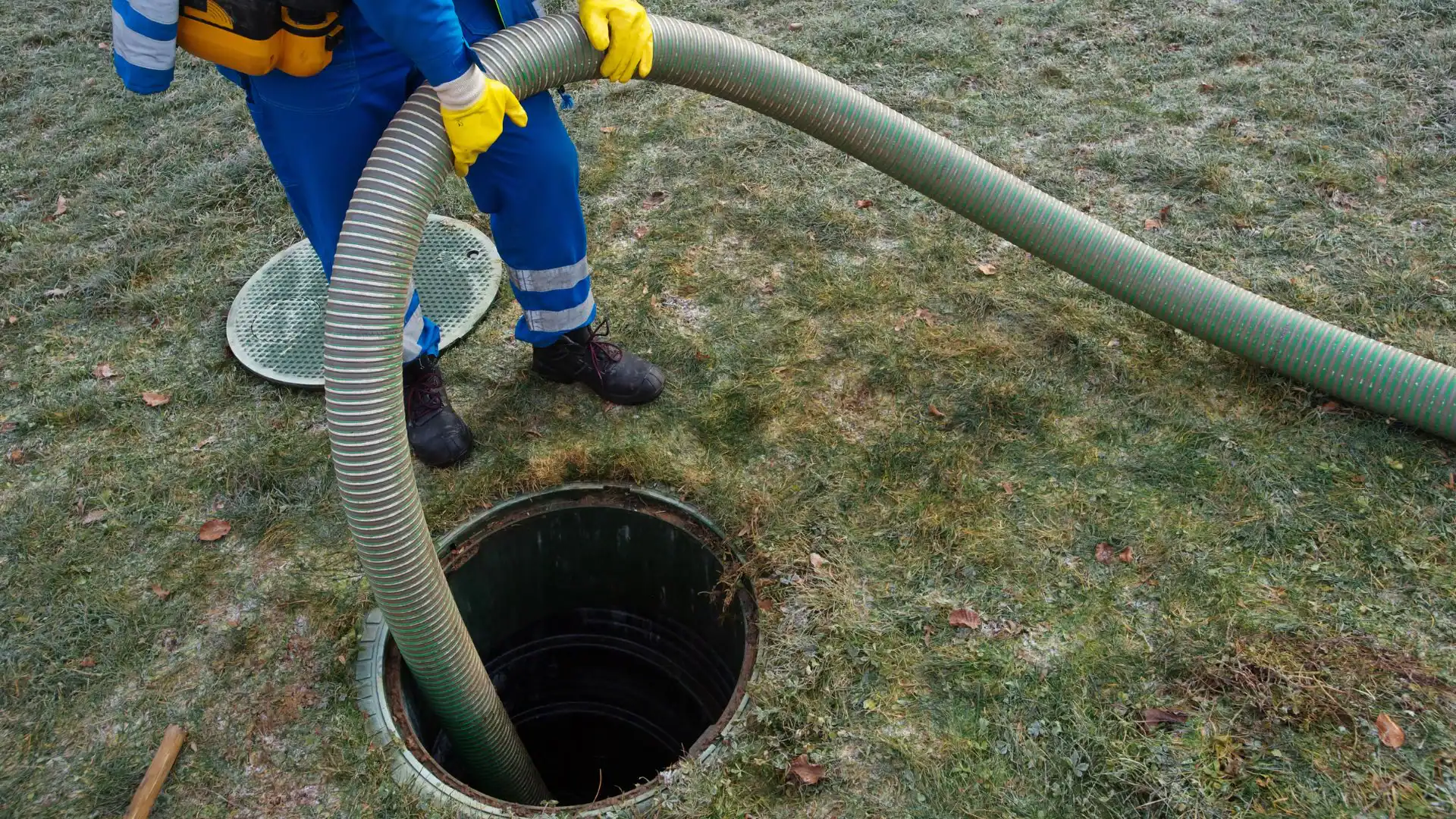
Standing water isn’t just an eyesore. It’s a slow drain on everything you’ve built your lawn, your landscaping, and a home that in today’s Nesconset market is worth close to $769,000. When water sits against your foundation long enough, the repair bills start at $23,000. A properly installed drainage system costs a fraction of that, and it eliminates the risk entirely.
Most of the drainage problems in Nesconset trace back to the same root cause: the rapid suburban development that followed the construction of NY-347 in the 1950s left behind compacted subsoils that water simply can’t move through. That original construction disturbance equipment-packed earth covered with a thin layer of fill and sod is still sitting under a lot of yards in this hamlet today. It doesn’t show up until it rains, and then it shows up everywhere.
What changes after a real drainage fix is straightforward. Your lawn stops turning to mud after every storm. The kids can actually be outside the next day. The water that used to pool near your foundation goes where it’s supposed to go. And you stop watching the weather forecast with that specific kind of dread that comes with knowing your yard is one heavy rain away from a problem.
We’re a landscape drainage contractor serving Nesconset and the broader Smithtown area of Suffolk County. The work we do is fundamentally different from what a plumber does we’re not clearing a pipe, we’re solving how water moves across and through your land. That distinction matters, and it’s the reason a lot of Nesconset homeowners end up calling us after a previous fix didn’t hold.
We know this area. We understand the soil conditions common to post-war subdivisions throughout Smithtown, the drainage dynamics along the Gibbs Pond Road corridor, and the groundwater considerations in the Lake Ronkonkoma boundary area that was incorporated into Nesconset in the early 1970s. These aren’t details you’d know from a map they come from actually working in this community.
Every project starts with a real site assessment. We look at where the water comes from, how much volume is involved, and where it needs to go before we recommend anything. That’s how drainage is supposed to work.
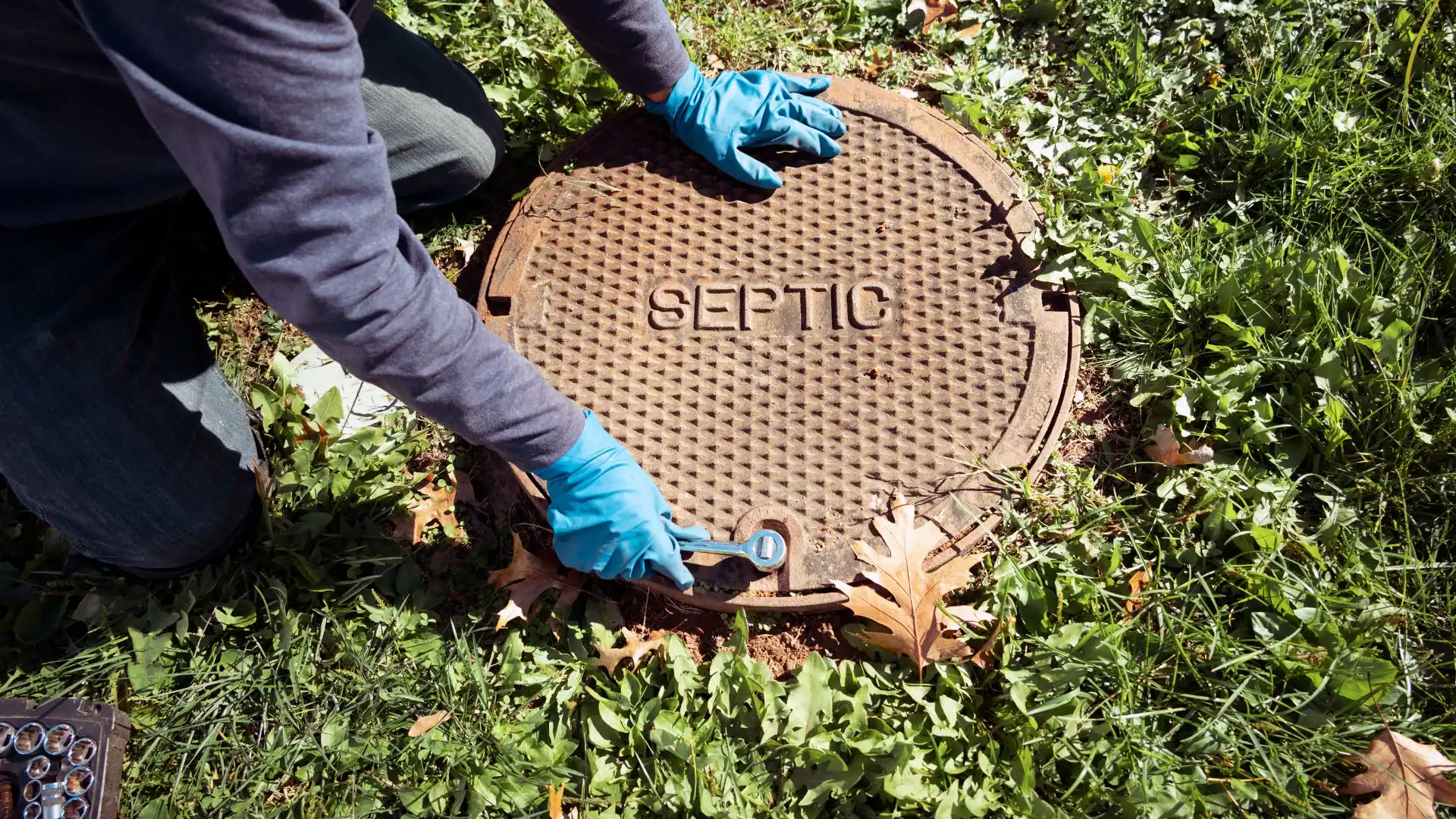
It starts with a site walkthrough not a sales pitch. We look at the full picture: where water is entering your property, how the yard is graded, what the soil conditions are doing underneath the surface, and where the water needs to discharge. In Nesconset, that last part matters more than most homeowners realize. Suffolk County has stormwater discharge regulations, and any drainage system needs to move water to an appropriate point not onto your neighbor’s property, and not into a location that creates a new problem somewhere else. We know the Town of Smithtown permit requirements and handle that process correctly from the start.
Once the assessment is done, we put together a written quote that breaks down exactly what’s being installed, what it costs, and what it will do. No vague estimates. No surprise additions once work begins. If the scope is right, we schedule the installation and that includes the full project, not just the drainage components.
That’s the part a lot of contractors skip: restoration. Drainage installation means excavation, and excavation means a torn-up yard unless your contractor puts it back together. We restore turf, topsoil, and landscaping as part of the project. When we’re done, your yard should look better than it did before we started. In a community like Nesconset, where homes are well-kept and owners have invested real money in their properties, that’s not optional it’s just how the job should be done.
Ready to get started?
Nesconset’s housing stock is varied compact post-war colonials along Smithtown Boulevard, larger properties in the Gibbs Pond Road corridor, homes in the Lake Ronkonkoma boundary area where the water table behaves differently than in the rest of the hamlet. There’s no single drainage solution that works across all of them, and any contractor who quotes a French drain before they’ve assessed your property isn’t doing their job.
We install the full range of landscape drainage solutions: French drains, catch basins, trench drains, dry wells, channel drains, and surface grading and regrading where the problem is a slope or grade issue rather than a system issue. The right combination depends on your specific property the soil profile, the volume of water involved, the discharge point, and what’s already been tried. For properties near Gibbs Pond or in the lower-lying sections of the hamlet, we design with the local groundwater table in mind, because a system that works in a dry year and fails when the water table rises isn’t a real solution.
Every installation is backed by a written workmanship warranty and completed by licensed, insured professionals. In New York, that’s not a given it’s something you should always confirm before any contractor starts digging on your property.
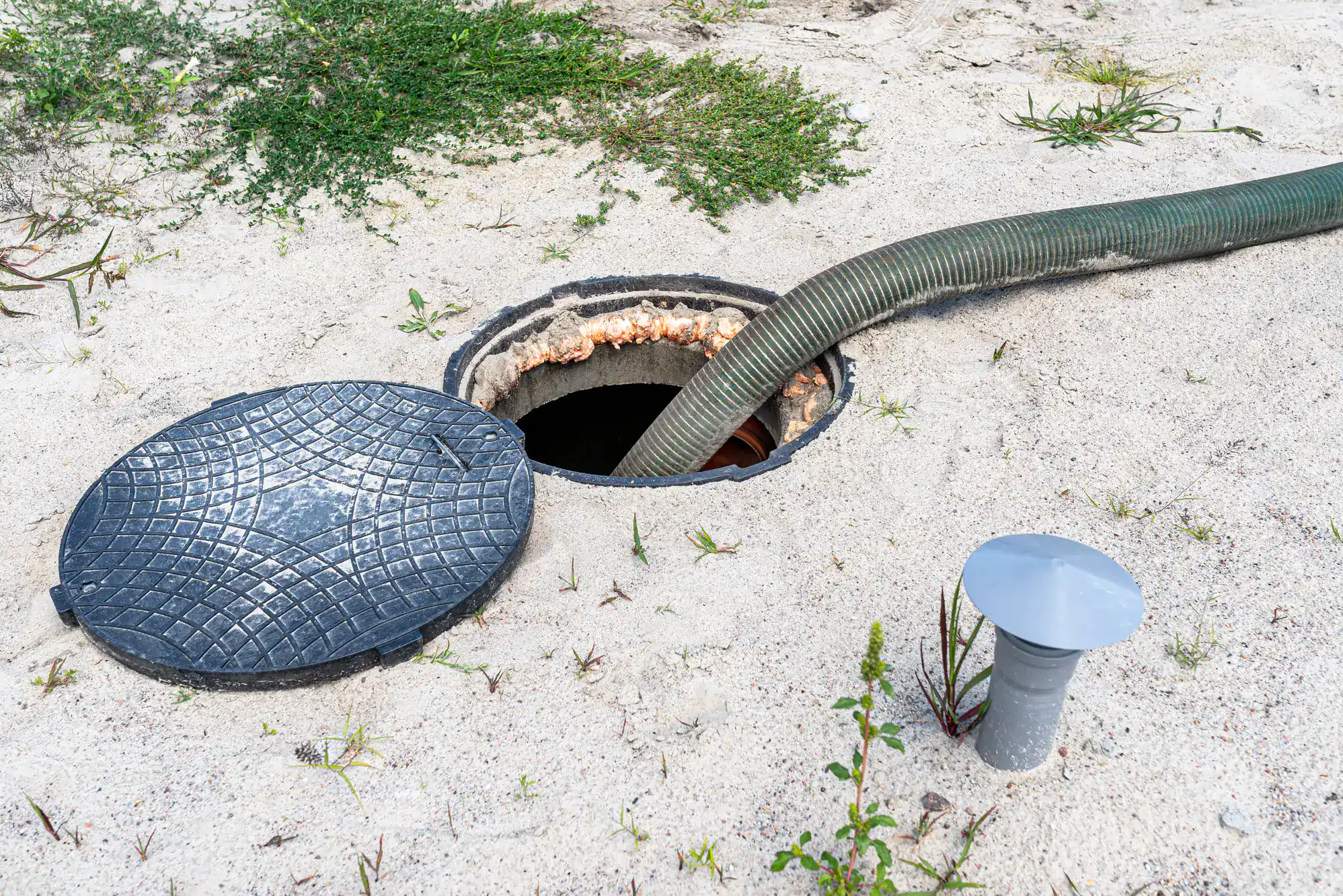
This is one of the most common situations we run into in Nesconset, and it almost always comes down to the same issue: the previous contractor treated the symptom instead of the source. They installed a French drain where the water was pooling, but didn’t trace back where the water was actually coming from or account for the full volume involved. So the system handles light rain and fails in anything heavier.
The other common culprit in this area is the soil itself. Nesconset was developed rapidly after NY-347 opened in the 1950s, and that construction era left behind compacted subsoils throughout many of the hamlet’s subdivisions. A drainage system installed without accounting for that compaction layer which acts like an underground barrier will underperform from day one. A proper fix starts with understanding what’s happening below the surface, not just on top of it.
A plumber works inside pipes clearing blockages, fixing broken drain lines, addressing anything connected to your home’s plumbing system. That’s genuinely useful when you have a clogged interior drain or a broken sewer line. But if your yard is flooding, the problem is almost never a clogged pipe. It’s how water is moving across and through your land which is a landscape drainage problem, not a plumbing problem.
Landscape drainage contractors like us design and install systems that manage surface water and subsurface water flow: French drains, catch basins, dry wells, grading corrections, and stormwater management systems. If you’ve called a plumber for a yard flooding problem and the yard is still flooding, that’s why. The two trades solve fundamentally different problems, and mixing them up costs homeowners real money and real time.
For most residential drainage projects in Nesconset, you’re looking at a range of roughly $2,145 to $7,163 depending on the scope the size of the area being addressed, the type of system being installed, and whether excavation and restoration are included. More complex situations, like properties near Gibbs Pond with groundwater table considerations or larger properties requiring multiple system components, can run higher.
The more useful number to keep in mind is what the alternative costs. Foundation repairs from water intrusion typically start at $23,000. Basement flooding averages $10,000 to $26,000 per incident. In a community where homes are listed at a median of around $769,000, spending $4,000 to $6,000 on a properly engineered drainage system is less than 1% of your home’s value and it eliminates the risk of damage that costs ten times that to repair. Every dollar invested in drainage protection saves an estimated $5 to $8 in downstream damage costs.
In most cases, yes at least for work that involves excavation, grading, or any connection to the municipal stormwater system. Nesconset falls under Town of Smithtown jurisdiction, which means permits for site work run through the Smithtown Building Department. Suffolk County also has its own stormwater discharge regulations that govern where water from a drainage system is allowed to go it can’t be redirected onto a neighbor’s property or discharged to an unauthorized point in the municipal system.
This is one of the areas where hiring a licensed, experienced contractor matters most. An unlicensed operator may install a system that looks functional but violates discharge regulations or was never permitted leaving you with potential liability and no legal recourse if something goes wrong. We handle the permitting process from the start, so you’re not dealing with that piece on your own.
The most common time homeowners call about drainage is spring April through June when the first heavy rain events make the problem impossible to ignore. That’s also when contractor schedules fill up fastest. If you’ve had a flooding problem this spring and you’re thinking about fixing it, late summer through early fall is actually an ideal installation window. The ground is workable, contractor availability is better, and you’ll have the system in place before the fall rain season and the freeze-thaw cycles that come with Long Island winters.
Winter is worth mentioning specifically. Nesconset’s four-season climate creates drainage stress year-round spring snowmelt, summer storm events, fall rain combined with leaves blocking catch basins, and winter freeze-thaw cycles that can disrupt drainage components and temporarily seal the upper soil layer. A system designed for Long Island’s full seasonal range, not just summer conditions, is what you actually need here.
Yes and this is the part that turns a yard drainage problem into a much more serious conversation. When water consistently pools near your home and has nowhere to go, it works its way toward the foundation, into crawl spaces, and eventually into basements. In Nesconset’s older housing stock a significant portion of which was built in the 1950s through 1970s foundation drainage systems weren’t designed with today’s impervious surface coverage in mind. Driveways, patios, and hardscaping added over the decades have increased the volume of water running toward homes that weren’t built to handle it.
The financial stakes are real. Foundation repairs from water intrusion typically run $23,000 to $48,000. Basement water damage averages $10,000 to $26,000 per incident. A properly installed landscape drainage system addresses the problem before it ever reaches your foundation which is the only point at which it’s still a manageable expense rather than a major one.