
Hear from Our Customers
When your yard pools after every summer storm, you’re not just dealing with soggy grass. You’re losing access to the outdoor space you actually paid for the lawn, the garden, the view during the exact months you want to use it most. A properly installed drainage system gives that back to you.
Noyack sits on the Ronkonkoma terminal moraine, which means your soil isn’t uniform. Sandy outwash pockets drain fast. Clay-rich glacial till holds water and perches it at the surface. That variability is why some drainage fixes work and others don’t the system has to match what’s actually happening underground, not just what looks like the problem from the surface.
For properties near Noyack Bay or the coves off Little Peconic Bay, the water table is already close to grade before a single storm rolls in. Add a nor’easter or a heavy August thunderstorm and you’re not just dealing with runoff you’re dealing with a yard that’s already saturated and has nowhere left to absorb. Getting ahead of that with the right drainage design means your property handles those events instead of suffering through them.
We’re a landscape drainage contractor serving the East End of Long Island, including Noyack, North Sea, Sag Harbor, and the surrounding Southampton Town communities. This isn’t a western Long Island company expanding east without knowing the territory the South Fork’s soil conditions, coastal water tables, and Town of Southampton permitting requirements are what we work with every day.
That local knowledge shows up in the work. When we assess a property near Long Beach Road or along one of the coves off Noyack Bay, we’re not guessing at soil behavior or learning the wetlands permit process for the first time. We’ve been through it. We know what Southampton Town’s Environment Division requires for drainage work near protected water bodies, and we design systems that hold up to the coastal storm exposure this area actually gets not just average rainfall on a calm day.
Every project comes with a written quote, a clear scope of work, and a workmanship warranty. No surprises mid-project, no verbal agreements that shift once the excavator shows up.
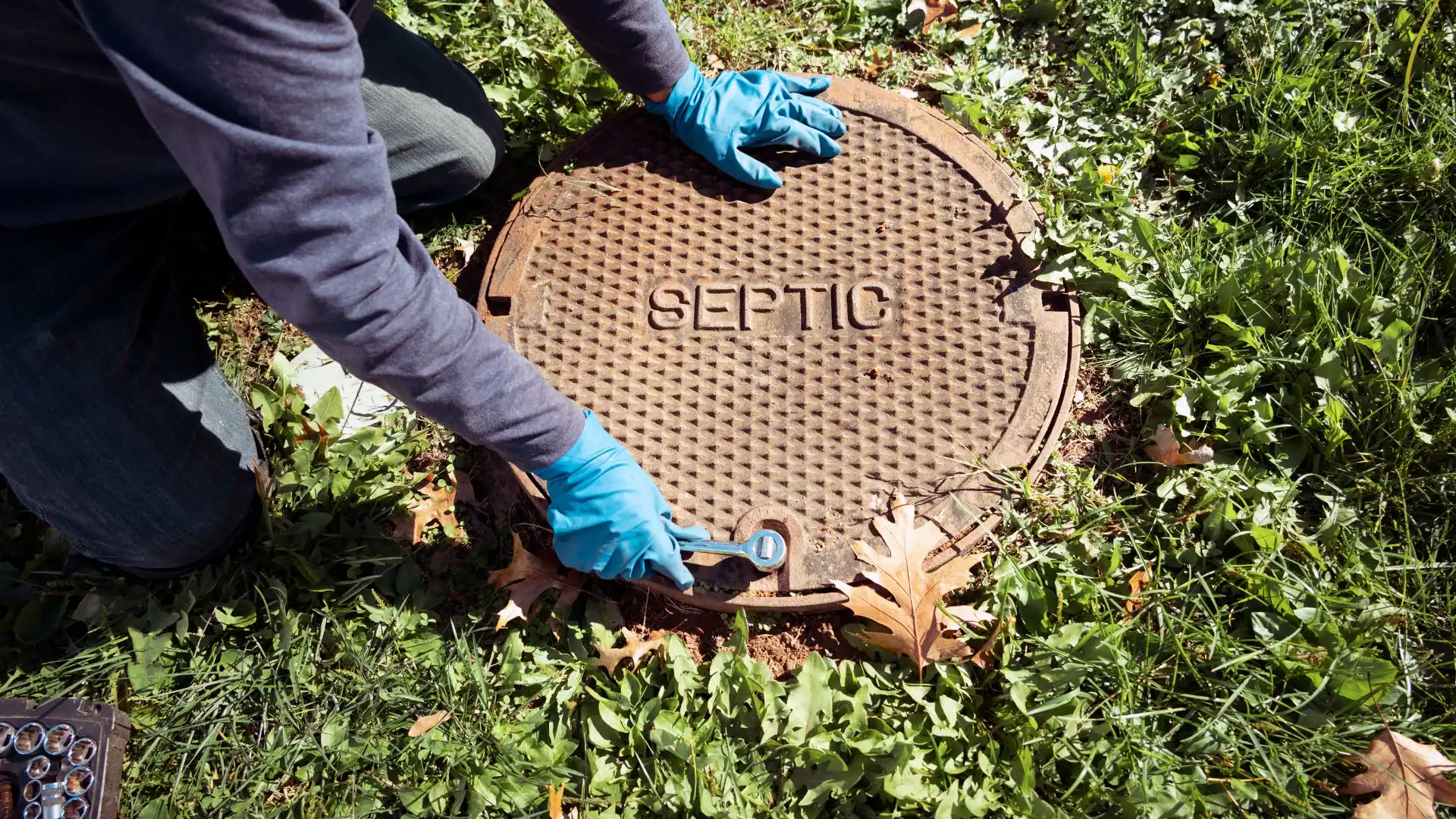
It starts with a site assessment. Before anything gets designed or quoted, we look at how water is actually moving across your property where it’s entering, where it’s pooling, and what the soil is doing beneath the surface. On the South Fork, that last part matters more than most contractors acknowledge. Glacial till and outwash behave differently, and a system designed without accounting for that variability will underperform from day one.
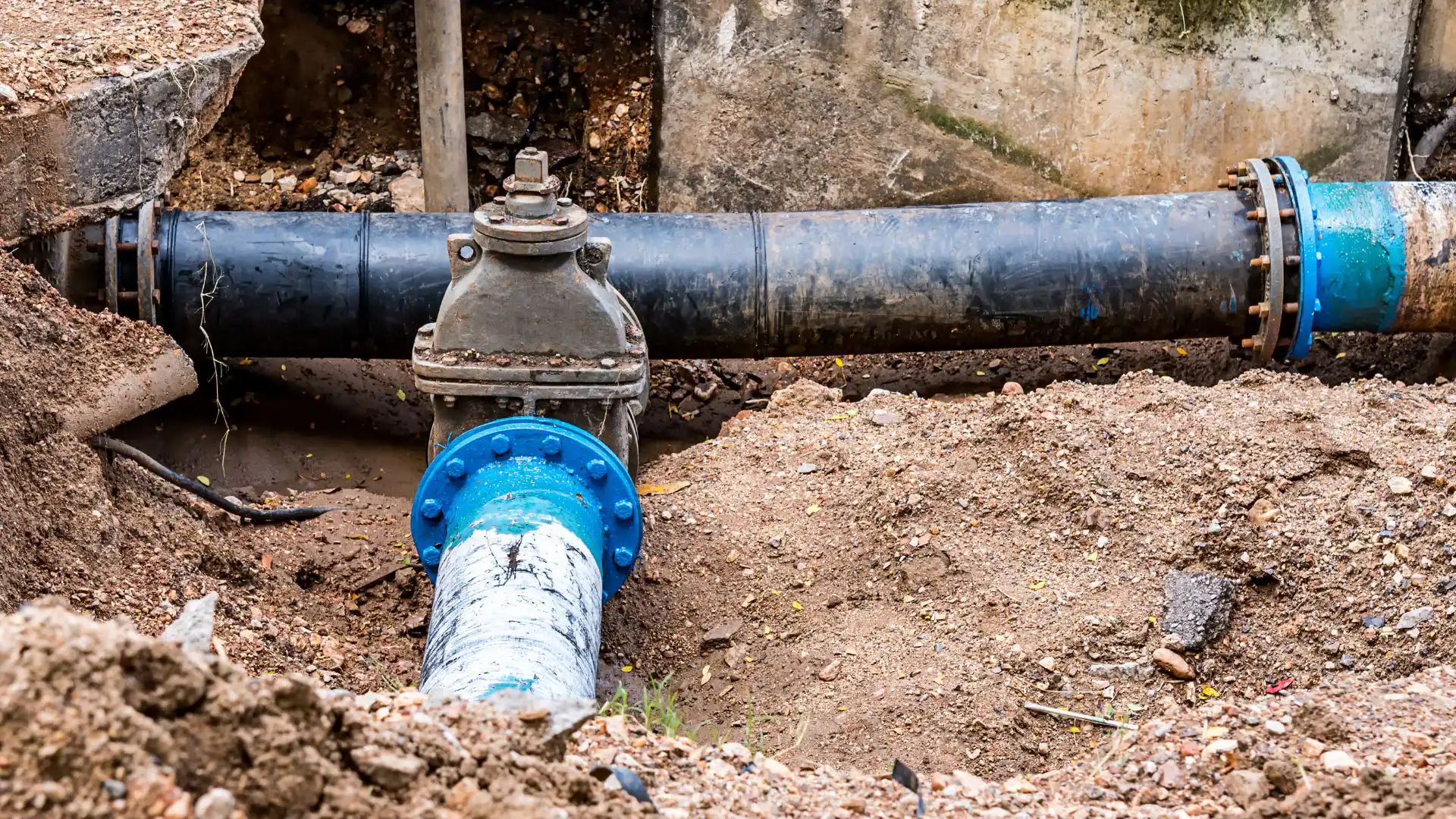
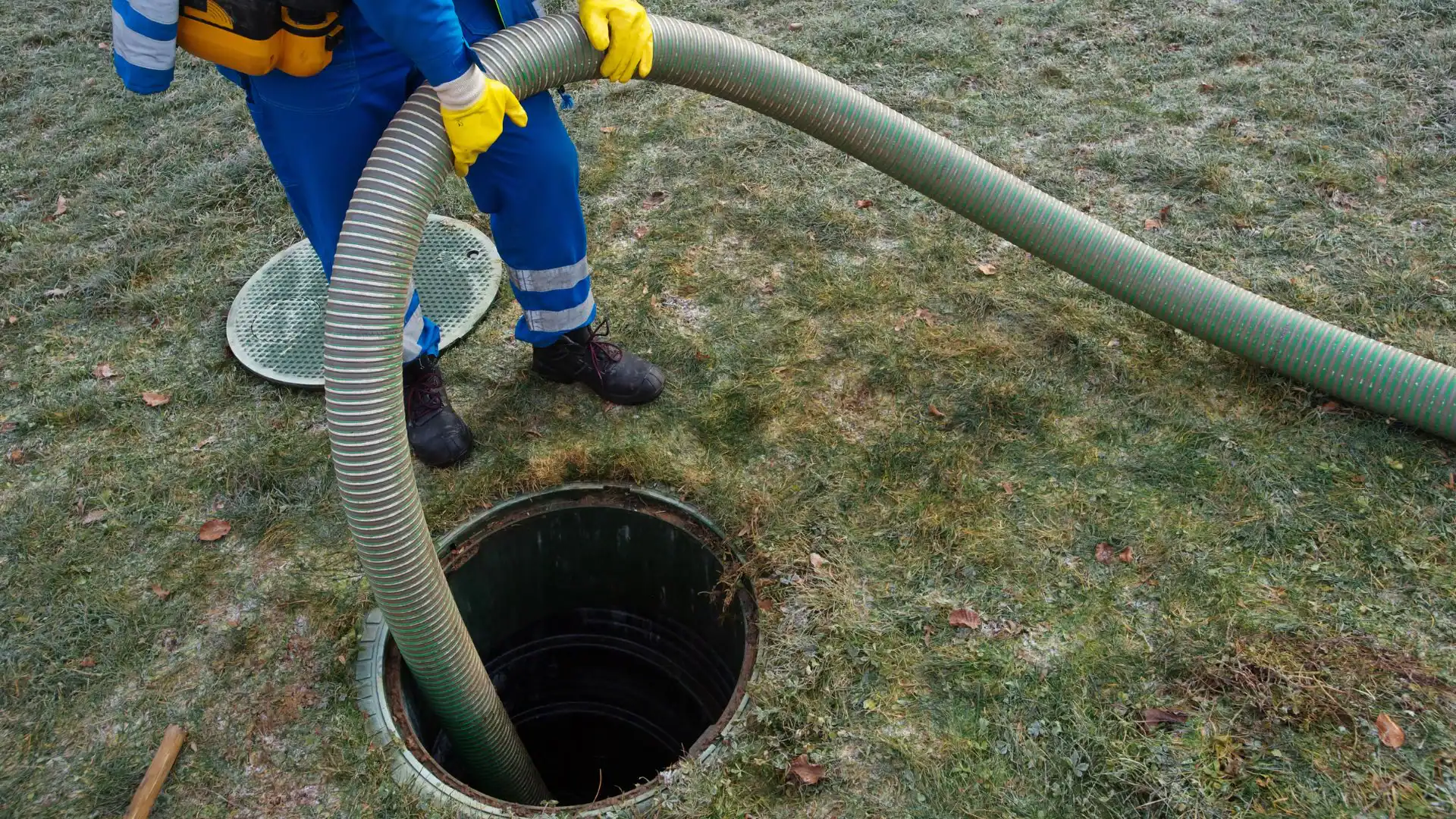
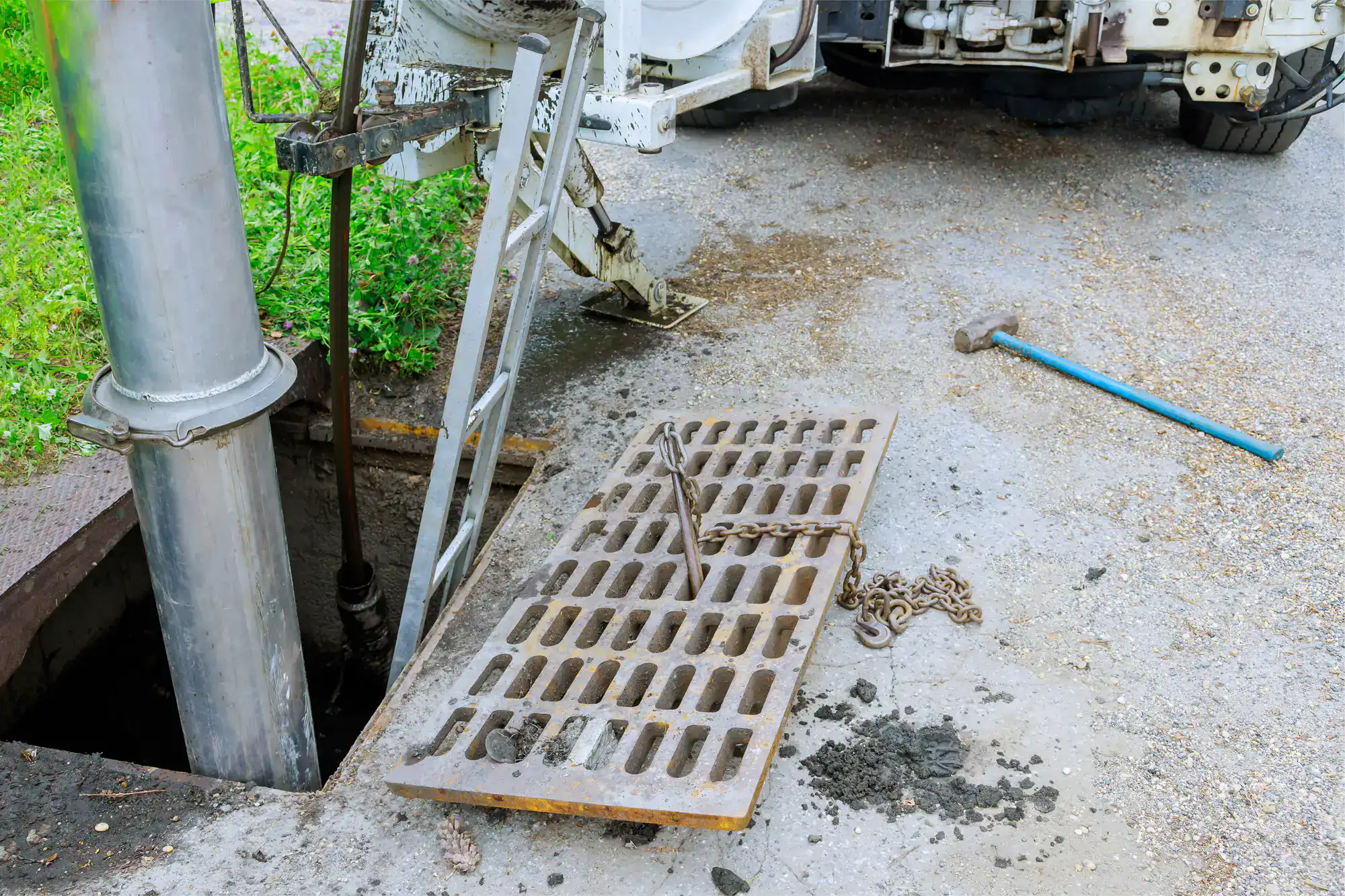
Once we understand the site, we design a drainage solution that fits it. That might mean a French drain to intercept water before it reaches your foundation, a catch basin system to collect surface runoff, a dry well to manage infiltration, or a combination of all three depending on what your property needs. If your project involves work near Noyack Bay, a cove, or any of the wetland areas that fall under Southampton Town’s jurisdiction, we handle the permitting process Town wetlands permits, NYSDEC stormwater compliance where applicable before a shovel goes in the ground.
Installation is followed by full landscape restoration. We don’t leave you with a torn-up yard and a finished drainage system. Turf, topsoil, and any disturbed plantings are restored as part of the job. When we’re done, the drainage is invisible and the yard looks like the work was never done except now it handles water the way it should.
Ready to get started?
The drainage problems that show up in Noyack aren’t the same ones you’d find in a flat suburban subdivision further west on the island. You’ve got rolling morainal terrain, coastal proximity, a high water table in low-lying areas, and a regulatory environment Southampton Town’s wetlands and stormwater codes that adds a layer most contractors outside the East End aren’t equipped to navigate. The yard drainage services we provide in Noyack are designed around those specific conditions.
For waterfront and bay-adjacent properties, that means drainage systems engineered to handle the saturation load that comes with a water table already close to grade. For newer construction on the wooded inland parcels that have seen significant development activity in recent years, it means addressing the runoff created by impervious surfaces driveways, patios, pool decks that didn’t exist when the land was undeveloped. Both scenarios require real design work, not a standard fix applied without thought.
For seasonal homeowners, timing matters too. Installing yard drainage solutions in Noyack during the fall off-season means your property is protected before you return the following spring not after you’ve discovered what a winter of unmanaged water did to your foundation or landscape. We work year-round and are happy to schedule around what makes the most sense for how you use your property.
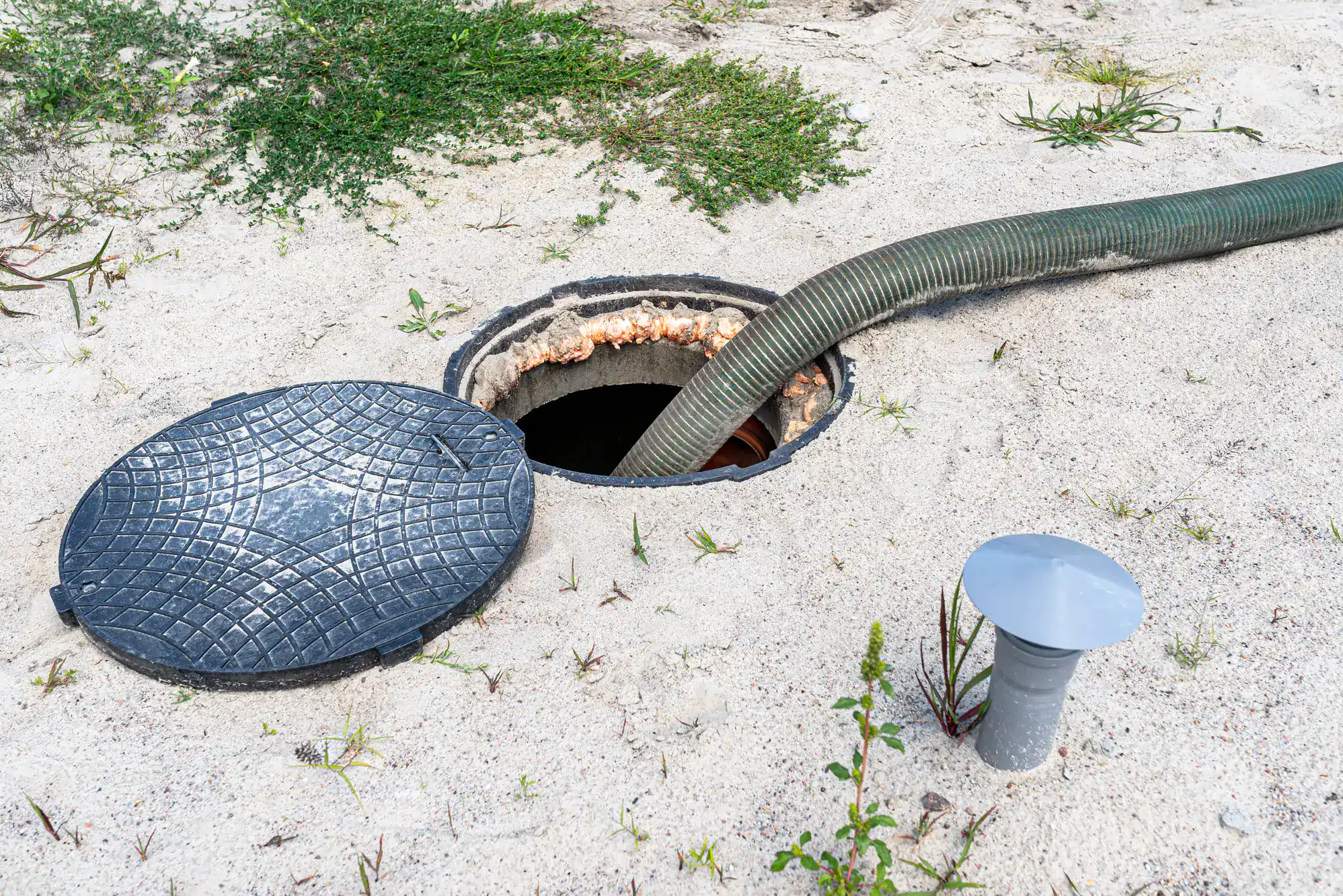
In many cases, yes and this is one of the most important things to get right before any work begins. Southampton Town’s Environment Division requires wetlands permits for drainage installations near protected water bodies, which includes Noyack Bay, Little Peconic Bay, and the various coves and wetland areas throughout the hamlet. Specific setback requirements apply, and subsurface drainage structures like dry wells are often subject to minimum distance rules from wetland boundaries sometimes 120 feet or more depending on the site.
If your project disturbs one or more acres of land, a NYSDEC SPDES Construction General Permit is also required, along with a Stormwater Pollution Prevention Plan. Working with a contractor who already knows this process rather than one who discovers the requirements mid-project protects you from stop-work orders, permit violations, and the legal exposure that comes with unpermitted work near protected coastal areas. We handle the permitting process as part of the project, not as an afterthought.
The most common reason is that the system was designed without accounting for what the soil is actually doing. Noyack sits on the Ronkonkoma terminal moraine, where glacial till and outwash deposits can shift within short distances across the same property. A dry well or French drain that works perfectly in a sandy outwash zone can fail completely in a clay-rich till pocket just twenty feet away because the soil’s ability to absorb and move water is fundamentally different.
The other common issue is capacity. A system sized for average rainfall events will be overwhelmed by the kind of sustained nor’easters and heavy summer thunderstorms that Noyack’s coastal position makes routine. If your current system handles light rain but fails when it actually matters, it was likely undersized for the site. A proper reassessment looks at soil conditions, water table depth, and storm load not just where the pipe runs.
They solve different parts of the same problem, and most properties need more than one. A French drain is a subsurface trench filled with gravel and perforated pipe that intercepts groundwater or surface water moving laterally across your yard it’s particularly effective on sloped morainal terrain where water migrates downhill toward a foundation or low-lying area. A catch basin is a surface inlet that collects standing water from a specific low point and routes it away through an underground pipe. A dry well is an underground structure that receives collected water and allows it to slowly infiltrate into the surrounding soil.
Which combination is right for your property depends on how water is entering your yard, where it’s accumulating, and what your soil can handle in terms of infiltration. On properties near Noyack Bay where the water table is already close to the surface, a dry well alone may not be sufficient during peak storm events the surrounding soil is already saturated. That’s when a more complete system, combining interception and discharge, becomes necessary. We assess all of this before recommending anything.
For most residential projects, professional yard drainage installation runs somewhere between $2,000 and $8,000 depending on the scope the size of the area being addressed, the complexity of the system, the soil conditions, and whether permitting is involved. More involved projects on larger or waterfront properties can go higher, particularly when Southampton Town wetlands permits are required or when the site demands a multi-component system.
The more useful frame, though, is what deferred drainage work costs by comparison. Foundation repairs from water intrusion typically run $23,000 to $48,000. A single water damage insurance claim averages nearly $14,000. For a Noyack property where values regularly exceed seven figures the cost of a proper drainage system is a fraction of what the alternative looks like. We provide written quotes with a clear scope before any work begins, so you know exactly what you’re investing in and why.
Fall is generally the best window typically October through early December. Contractor availability is higher, your outdoor space is less actively in use, and any disruption to the lawn or garden happens during the season when it matters least. More importantly, installing before winter means your system is in place and working before the freeze-thaw cycles and spring snowmelt that tend to expose drainage weaknesses on South Fork properties.
For seasonal homeowners in Noyack, the fall window is especially practical. You can schedule the installation after the summer season wraps up and before you leave for the off-season and come back in the spring to a property that handled the winter properly instead of one that shows the damage from months of unmanaged water. Summer installation is also possible and sometimes necessary after a storm event reveals an urgent problem, but scheduling is tighter during peak season.
Yes and it’s one of the more expensive problems to fix after the fact. When water consistently pools near a foundation, it creates hydrostatic pressure against basement walls and footings. Over time, that pressure causes cracks, seepage, and in more serious cases, structural movement. On properties in Noyack where the water table is naturally elevated particularly in low-lying areas near the bay or along drainage courses that pressure builds faster than it would on a higher, drier site.
The compounding factor here is that foundation damage often develops slowly and isn’t visible until it’s already significant. A yard that pools for a few days after every storm may seem like a nuisance rather than a threat, but the water sitting against your foundation during those days is doing cumulative work. Landscape drainage services in Noyack that address surface and subsurface water movement around the foundation perimeter are one of the most direct ways to prevent that damage from ever starting and far less expensive than addressing it once it has.