Hear from Our Customers
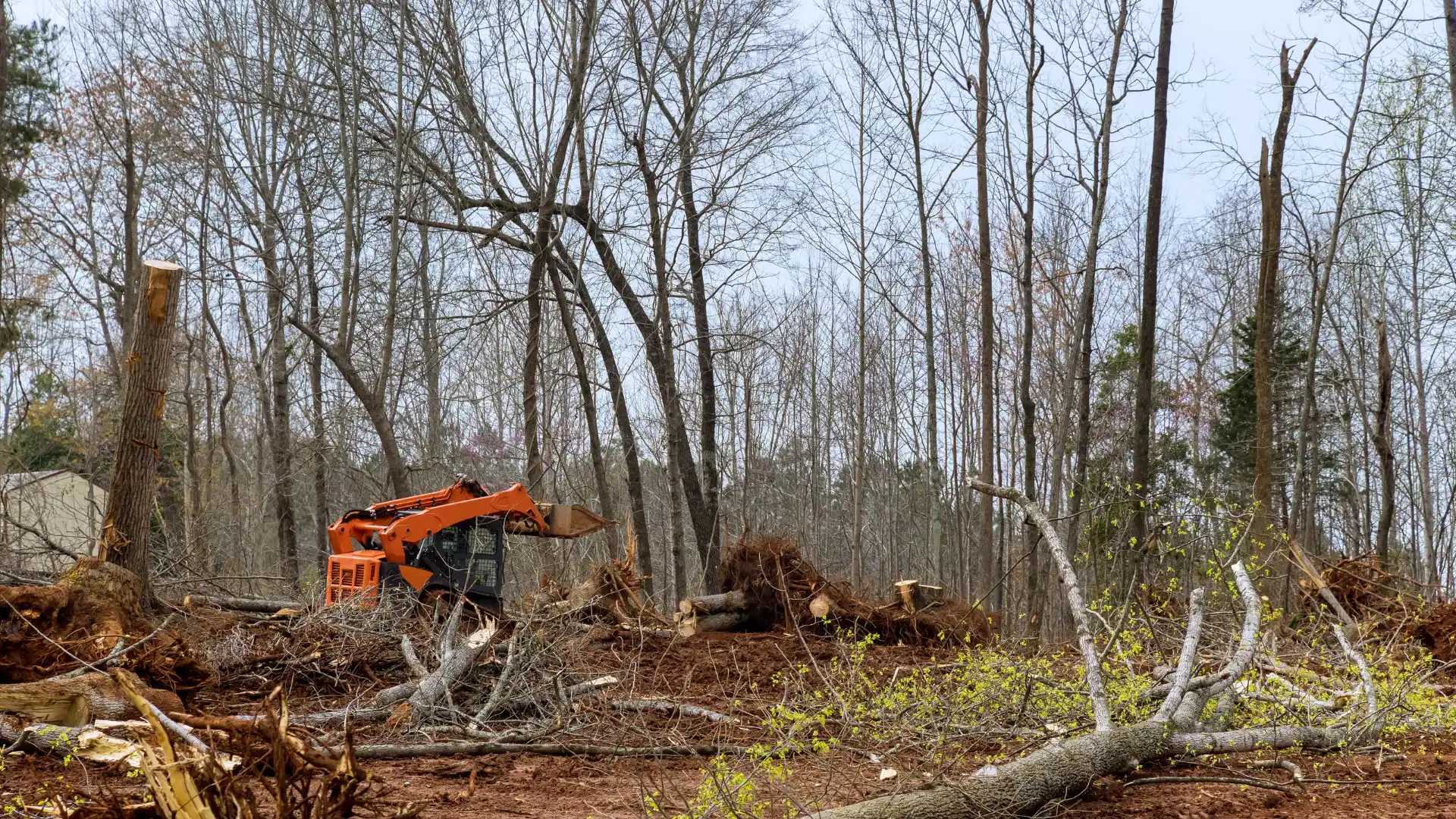
Clearing land in Noyack is not the same as clearing land anywhere else on Long Island. Southampton Town’s Vegetation Protection Ordinance, the wetland buffer requirements under Chapter 325, and the NYSDEC freshwater wetland regulations all apply here and a significant number of Noyack properties sit close enough to Noyack Bay, Little Peconic Bay, or Trout Pond that those rules are not hypothetical. They are the difference between a job that finishes on schedule and one that triggers an enforcement notice.
When you get this right, the outcome is straightforward. Your lot is cleared to a builder-ready or landscaping-ready condition, the site is clean, the debris is gone, and you have not created a compliance problem that costs more to fix than the clearing itself. For property owners preparing new construction on one of Noyack’s wooded parcels, that matters enormously especially when the land you are developing is worth what Noyack land is worth.
For owners reclaiming a neglected or seasonally abandoned property, the result is equally tangible. Land that has been overtaken by Oriental bittersweet, Phragmites, or years of unchecked scrub growth becomes usable again. The overgrown property clearing work we do in Noyack is not just about aesthetics it is about recovering the full value of what you already own.
We work on Long Island properties where the stakes are high and the regulations are real. Noyack sits in one of the most ecologically sensitive and legally complex clearing environments on the East End bay-adjacent lots, freshwater wetland buffers, aquifer protection overlay zones, and a Town that actively enforces its vegetation and wetland codes. That is not a reason to avoid taking on work here. It is a reason to know what you are doing before you start.
Every quote for land clearing services in Noyack, NY begins with an honest assessment of what the property requires and what the regulations allow. That means checking applicable setback distances from wetland boundaries, identifying any vegetation that falls under Southampton Town’s protection framework, and being upfront with you about what needs a permit and what does not. You get a clear scope before any equipment moves.
The work we do here whether it is brush clearing services on a coastal scrub lot near the bay, lot clearing services on a new construction parcel off Noyac Road, or land reclamation services on a property that has been left unmanaged for years is done with the same standard: the site gets left in better shape than we found it, and nothing happens that was not agreed to in advance.
It starts with a site visit. Before any quote is issued for land clearing services in Noyack, NY, we walk the property. That is the only way to give you an accurate scope and in a hamlet where wetland buffers, protected vegetation, and coastal terrain can all affect what is and is not clearable, it is also the only responsible way to work. You will not get a number over the phone based on lot size alone.
After the site visit, you receive an itemised quote that separates clearing, stump removal, debris processing, and any additional scope items. Every line is explained. If any part of the work requires a Southampton Town permit under Chapter 325 or the Vegetation Protection Ordinance, that is identified at the quote stage not discovered mid-job. If the property sits within the Aquifer Protection Overlay District, that gets flagged too. You know exactly what you are approving before work begins.
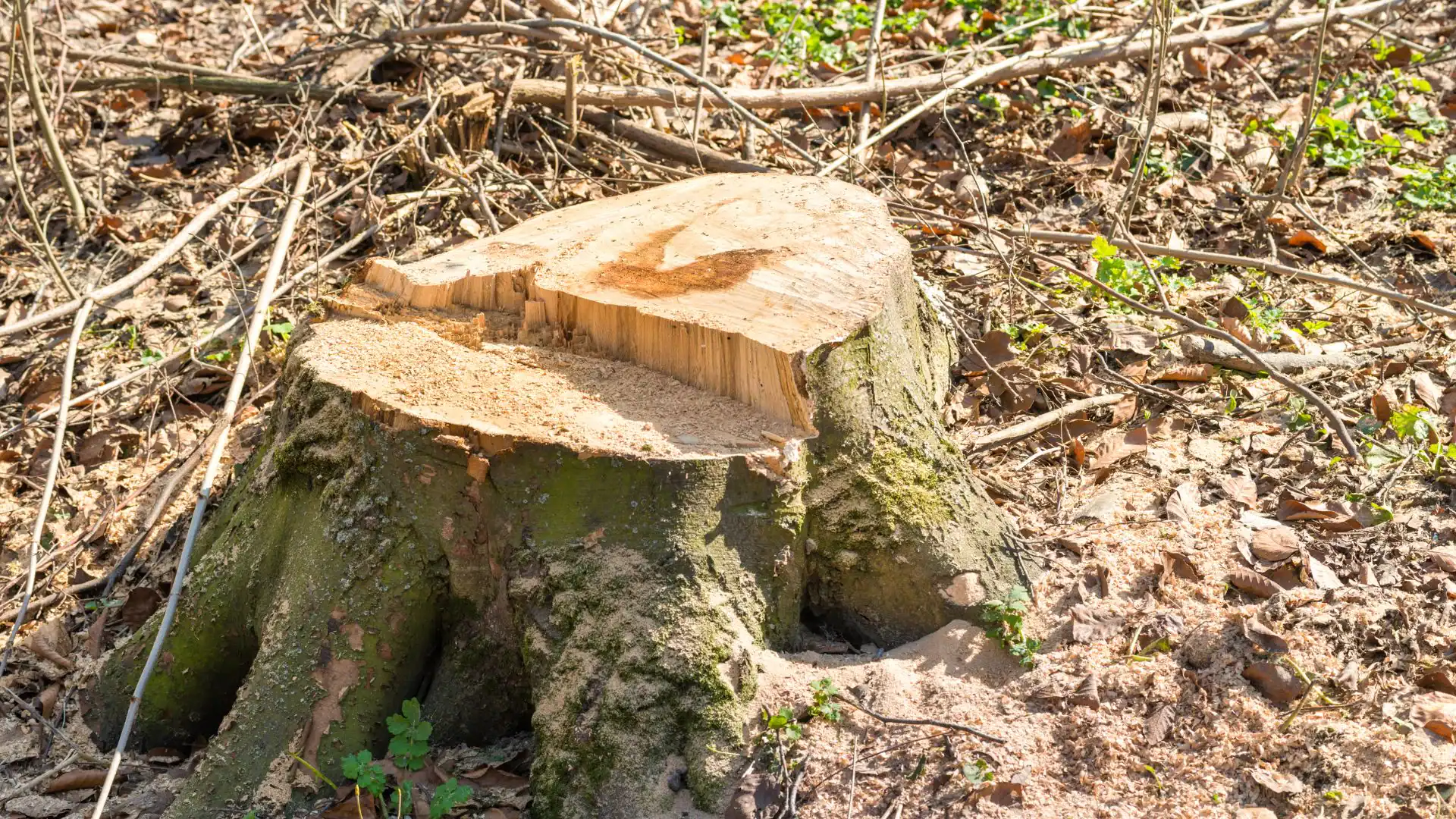
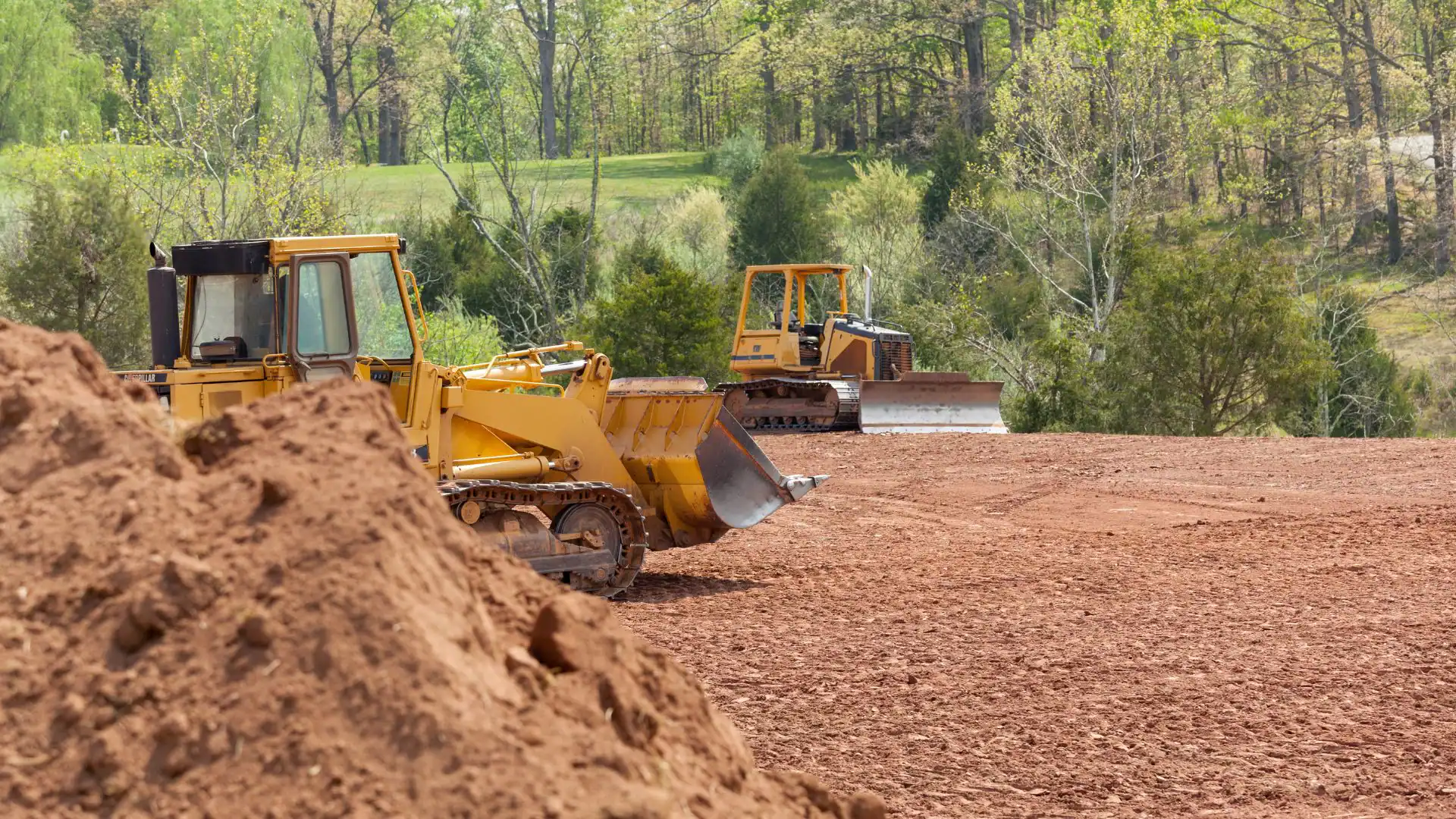
On the day of the job, our crew arrives with the right equipment for the terrain. Noyack’s wooded hillside lots, narrow access roads, and bay-adjacent parcels require a different approach than a flat suburban lot in mid-island Suffolk County. When the work is done, the site is clean. Debris is removed, stumps are ground to grade, and the property is left in the condition that was agreed on not a condition you have to manage after we leave.
Ready to get started?
The clearing work on Noyack properties covers a range of conditions, and the scope is built around what is actually on the land not a one-size package. Wooded flag lots off Noyac Road typically require full lot clearing services: felling established trees, stump grinding, invasive species removal, and site cleanup to a condition a builder can work with. Properties near the bay or Trout Pond often require vegetation removal services that are carefully scoped against the applicable wetland buffer distances before anything is touched.
Overgrown property clearing is one of the more common requests in Noyack. The hamlet has a significant number of properties that were seasonally occupied for years and have since been overtaken by invasive species Oriental bittersweet wrapping through mature trees, Phragmites colonising low-lying areas, multiflora rose and Japanese knotweed establishing themselves along fencelines and woodland edges. That kind of growth requires identification and targeted removal, not just a crew running machinery across the lot.
Land reclamation services go a step further recovering land that has degraded to the point where usable area has been genuinely lost. For properties where the vegetation has been unchecked for an extended period, this is a sequenced process: assessment, removal, stump management, and in some cases follow-up visits to address regrowth before the land is fully stabilised. Whatever the condition of your Noyack property, the scope is built around what it actually needs and quoted honestly before the work starts.
It depends on the property and what you are clearing. In the Town of Southampton, land clearing near wetlands, water bodies, or protected vegetation is regulated under Chapter 325 of the Town Code and the Vegetation Protection Ordinance. If your Noyack property is within 100 to 125 feet of a wetland boundary which includes areas near Noyack Bay, Little Peconic Bay, Trout Pond, or any of the mapped freshwater wetlands throughout the hamlet a permit from the Town’s Chief Environmental Analyst may be required before clearing can begin. The NYSDEC freshwater wetland regulations add another layer for properties within 100 feet of state-mapped freshwater wetlands.
The most important thing you can do before hiring anyone is make sure the contractor actually checks this before quoting. Clearing without a required permit exposes you not just the contractor to enforcement action, restoration orders, and fines. A site visit that identifies the applicable setbacks and regulated vegetation before work begins is not optional on a Noyack property. It is the baseline for doing the job correctly.
Yes, it affects both the approach and the cost. The South Fork of Long Island, including Noyack, has significant pressure from invasive plant species that establish themselves quickly on disturbed land, woodland edges, and wetland margins. The most common ones we encounter on Noyack properties are Oriental bittersweet, Japanese knotweed, common reed (Phragmites australis), and multiflora rose. These are not the same as native scrub or overgrown lawn they require targeted identification and specific removal methods to be dealt with effectively.
Oriental bittersweet, for example, wraps through tree canopies and can compromise structural integrity of trees that appear healthy from a distance. Phragmites colonises low-lying and wetland-adjacent areas rapidly and, because it grows in or near regulated wetland zones, requires careful handling to avoid triggering permit requirements. Japanese knotweed is one of the more aggressive invasives on the East End and can regrow from root fragments left in the soil. A clearing contractor who does not identify these species before starting work is likely to either miss the problem or create a new one.
There is no honest single-number answer to this, and any contractor who gives you one without visiting the property is guessing. The cost of land clearing services in Noyack, NY depends on lot size, vegetation density, terrain, access conditions, stump removal requirements, debris volume, and whether any permit work is involved. A straightforward brush clearing job on a half-acre lot with good equipment access is a very different scope from a full lot clearing job on a wooded flag lot with limited access, established hardwoods, and invasive species that need targeted removal.
What you should expect from us is an itemised quote after a site visit not a per-acre rate applied without inspection. In the Noyack market, where properties are high-value and the cost of a compliance problem can far exceed the cost of the clearing itself, the quote process matters as much as the price. Ask what is included, what is excluded, and whether debris removal and stump grinding are in the scope or priced separately. Those line items are where quotes often diverge significantly between contractors.
Spring and autumn are generally the strongest windows for land clearing in Noyack. Spring roughly March through May is the primary season for pre-construction clearing and pre-season property preparation. Ground conditions are typically firm enough for equipment access, vegetation has not yet reached peak density, and clearing completed in spring gives the site time to stabilise before summer construction or occupancy begins. For property owners with building permits or construction timelines tied to the summer season, spring clearing is often the critical path item.
Autumn is a strong second window, particularly after leaf drop in October and November. Lower vegetation density makes it easier to assess the full scope of what needs to be removed, and many Noyack property owners use the post-season period to plan and execute improvements ahead of the following year. Winter clearing is possible but access to wooded hillside properties can be complicated by saturated or frozen ground. Summer is the busiest season for the broader Hamptons market, which means contractor availability tightens if your project has flexibility, spring or autumn scheduling will generally give you better access to quality crews.
Yes, but it requires knowing exactly where the buffer begins before any work starts. Southampton Town’s Chapter 325 establishes a minimum 100-foot buffer from wetland boundaries for clearing and disturbance of natural vegetation, with 125-foot setbacks applying to certain activities. For properties near Noyack Bay, Little Peconic Bay, or the freshwater wetlands mapped throughout the hamlet, that buffer is not a rough estimate it is a regulated line, and clearing on the wrong side of it without a permit is an enforcement issue.
The practical approach is a pre-clearing assessment that identifies the wetland boundary, marks the applicable buffer distance, and establishes clearly what can be cleared without a permit and what requires one. On a bay-adjacent Noyack property, this is often not all-or-nothing there is frequently clearable area outside the buffer that can be addressed immediately, and a separate permit process for any work closer to the water. Getting that assessment done before the crew arrives is what separates a clean job from a complicated one.
The most useful question you can ask any contractor before hiring them is whether they check Southampton Town’s wetland and vegetation regulations before quoting. If the answer is vague or they move straight to price, that tells you something. Noyack is not a market where you want to find out mid-job that a permit was required, or post-job that a protected tree was removed without authorisation. The regulatory environment here between the Town’s Vegetation Protection Ordinance, Chapter 325 wetland buffers, the NYSDEC freshwater wetland permit requirements, and the Aquifer Protection Overlay District is specific enough that a contractor who does not know it is a genuine liability.
Beyond compliance, look for a contractor who visits the site before quoting, provides an itemised scope rather than a single lump-sum number, and is clear about what debris removal and stump work are included. In a hamlet where the Elizabeth A. Morton National Wildlife Refuge borders residential properties and bay-adjacent lots carry significant ecological sensitivity, you also want someone who understands the difference between native coastal vegetation and invasive species and clears accordingly. A contractor who treats a Noyack lot the same as a flat suburban parcel in western Suffolk County is not the right fit for this property or this market.