

Hear from Our Customers
When water gets into your basement, it doesn’t stay there. Moisture works its way into framing, insulation, and finished spaces above quietly raising humidity levels and creating conditions where mold takes hold. By the time you notice a smell or see discoloration on a wall, the damage has usually been building for a while.
In Noyack, this happens faster than most homeowners expect. The sandy glacial soils throughout the South Fork drain quickly on the surface but move water directly toward your foundation within hours of a significant rain. Add in the proximity to Noyac Bay and Little Peconic Bay, and you’re dealing with a baseline groundwater level that’s already elevated before a single drop falls. That’s a specific condition that affects homes along Noyac Road and throughout this community in a way that inland Suffolk County towns simply don’t face.
The outcome of getting this right isn’t just a dry floor. It’s a foundation that holds its integrity through another decade of freeze-thaw cycles. It’s a basement that doesn’t become a liability when you’re ready to sell. And for the seasonal homeowners who close up their Noyack properties in October and return in May, it’s the confidence that what you left behind is what you’ll come back to.
There’s a version of this industry that shows up, scares you with worst-case scenarios, and quotes a $15,000 interior drainage system before they’ve spent ten minutes looking at your foundation. That’s not how we operate.
Every project starts with a real inspection foundation walls, floor joints, exterior grade, drainage patterns, and any visible cracking. The goal is to understand what’s actually causing the water intrusion before recommending anything. Sometimes that’s a full interior waterproofing system. Sometimes it’s a targeted crack repair and a sump pump upgrade. The fix should match the problem, not the other way around.
We serve homeowners across the South Fork, including the older residential properties along Noyac Road in Noyack, homes near the waterfront areas off Noyac Bay, and the well-established neighborhoods that make up this community. Southampton Town has its own permitting environment, its own wetlands regulations near Mill Creek and the bay, and its own building department and we know how to navigate all of it on your behalf.
It starts with a free in-home inspection. There’s no quoting over the phone here, because two Noyack homes built in the same decade can have completely different water intrusion patterns depending on their proximity to the bay, the grade of the lot, and the condition of the original foundation. You need eyes on the actual problem before any number gets put on paper.
After the inspection, you’ll get a written estimate that explains what was found, why it’s causing the issue, and what the recommended solution addresses. If there’s more than one viable approach, we’ll walk through the tradeoffs honestly. There’s no obligation and no pressure to decide on the spot.
Once work begins, the process depends on what the inspection identified. Interior basement waterproofing typically involves installing a perimeter drainage channel at the base of the foundation wall, routing water to a sump pit, and installing or upgrading the sump pump system. Foundation crack sealing uses epoxy or polyurethane injection to restore the wall’s integrity from the inside. For homes near Noyac Bay or Mill Creek that fall within Southampton Town’s wetlands overlay areas, we’ll flag any permit requirements upfront so there are no delays once work starts. When the job is done, the space is cleaned up and you’ll know exactly what was installed, how it works, and what to watch for going forward.
Ready to get started?
Basement waterproofing isn’t one thing it’s a category of solutions that address different causes of water intrusion. What we recommend for your home in Noyack depends entirely on what the inspection finds, but here’s what the work typically involves.
Interior basement waterproofing is the most comprehensive approach for homes dealing with hydrostatic pressure from a high water table which, given Noyack’s position between Noyac Bay and the Peconic Bay estuary, is a common driver of basement flooding here. A perimeter drainage system is installed along the interior base of the foundation wall, water is channeled to a sump pit, and a properly sized sump pump handles removal. For Noyack homes that lose power during nor’easters which happen a battery backup sump pump isn’t optional, it’s essential infrastructure.
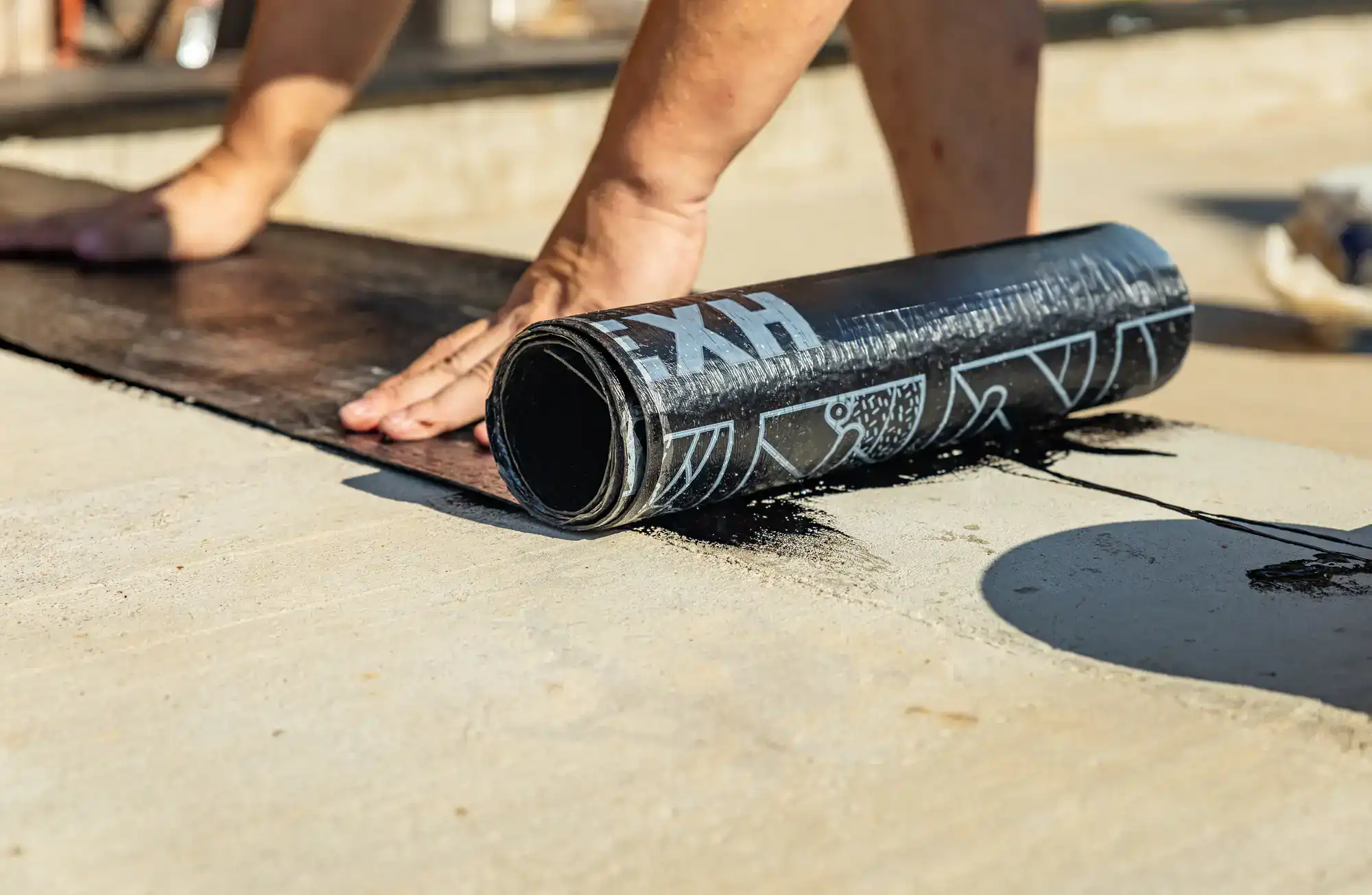
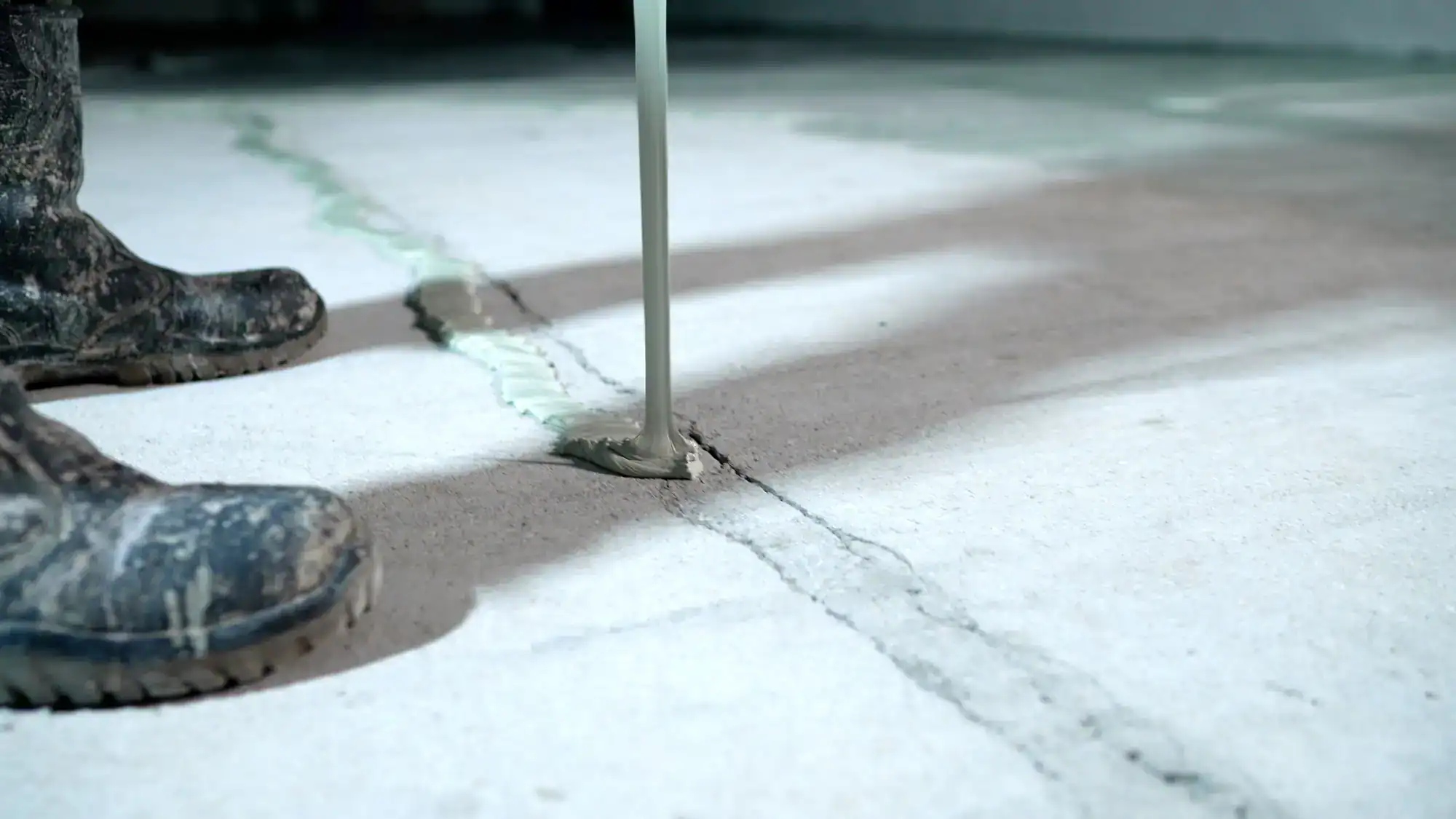
Foundation crack sealing addresses the specific cracks that have developed in your foundation walls over decades of freeze-thaw cycling. Many of the homes in this community were built between 1940 and 1969, which means those foundations have been through 55 to 80 winters. Epoxy and polyurethane injection methods bond directly to the concrete and restore structural integrity not just the surface appearance. Waterproofing basement walls through applied membrane systems may also be recommended depending on the extent of moisture intrusion. The goal across all of it is the same: stop water at the source, protect the structure, and give you a written record of the work that holds up whether you’re staying or selling.
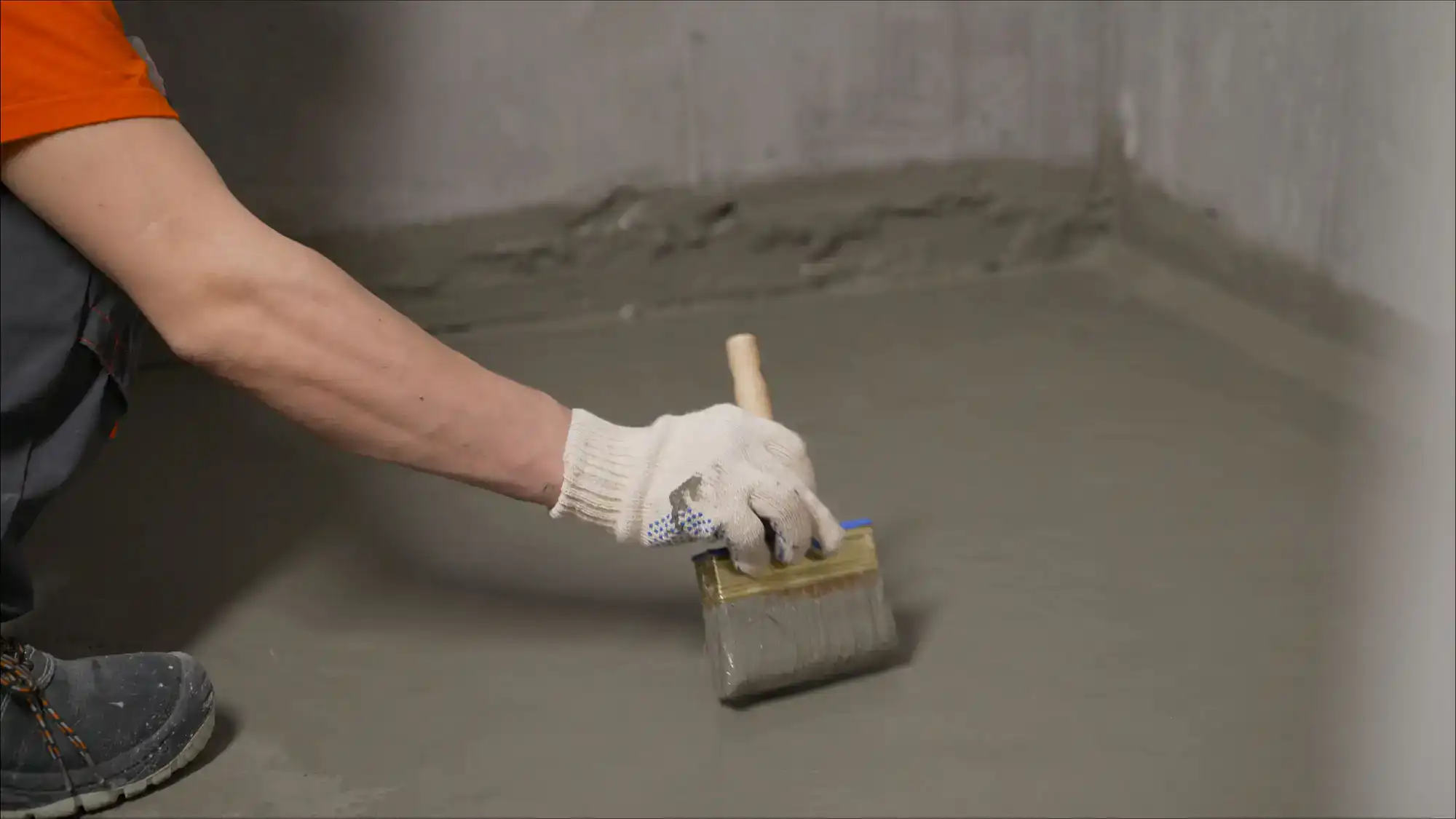
Surface sealants and waterproofing paints are designed to handle minor moisture vapor they are not built to withstand hydrostatic pressure. When the water table rises around your foundation, it pushes against the walls and floor from the outside with significant force. A coating on the interior surface of that wall can’t hold that back. It traps moisture instead, which often accelerates deterioration of the concrete or block beneath it.
In Noyack specifically, the combination of sandy, permeable soil and proximity to Noyac Bay means groundwater can reach your foundation walls within hours of a heavy rain event. If your basement has been sealed before and is still getting water, the issue almost certainly isn’t the product that was used it’s that a surface treatment was applied to a problem that required a drainage solution. A proper inspection will identify whether the source is wall seepage, floor joint intrusion, or hydrostatic pressure coming up through the slab, and the fix gets matched to the actual cause.
Cost varies depending on the size of the space, the source of the water intrusion, and what solution the inspection identifies. For general reference: sump pump installation typically runs between $600 and $1,900 depending on the system and whether a battery backup is included. Foundation crack sealing using epoxy or polyurethane injection generally costs $800 to $1,500 per crack. A full interior basement waterproofing system for a 1,000-square-foot basement averages around $13,000 to $15,000, though that number moves up or down based on the scope of work.
For Noyack homeowners, it’s worth thinking about this in context. Properties in this community regularly sell for $1.5 million or more. A documented waterproofing system with a written warranty is an asset in a real estate transaction buyers’ inspectors flag wet basements immediately, and a failed sump pump or active crack can reduce a sale price or kill a deal entirely. The investment in doing this right is proportionally small against the value of the property it protects. Every estimate from us is written and itemized no vague ranges, no surprises after the work starts.
Exterior waterproofing involves excavating the soil around the foundation, applying a waterproof membrane or coating to the outside of the foundation wall, and installing drainage board and a French drain at the footing to direct water away before it reaches the wall. It addresses the problem at the source and is highly effective when done correctly. The tradeoff is cost and disruption it requires significant excavation, which in a Noyack property with mature landscaping or waterfront setbacks can be a major undertaking. Properties near Noyac Bay or Mill Creek may also require review under Southampton Town’s wetlands regulations before any exterior excavation begins.
Interior waterproofing manages water that has already entered or is pressing against the foundation from outside. A perimeter drainage channel intercepts it at the base of the wall before it reaches the floor, routes it to a sump pit, and the pump removes it. It doesn’t stop water from reaching the wall, but it controls what happens when it does and for most Noyack homes dealing with hydrostatic pressure from a high water table, it’s the more practical and durable long-term solution. The right approach depends on your specific foundation, your lot, and what the inspection finds.
It depends on the scope of work. Routine interior waterproofing installing a drainage channel, sump pit, and pump typically doesn’t require a building permit in most cases, but this can vary based on the specific nature of the work and how the Southampton Town Building Department classifies it. Any work that involves structural modification to the foundation, significant exterior excavation, or alteration of drainage patterns near a wetland area is more likely to trigger a permit requirement.
Noyack sits within a community where wetlands regulations are a real consideration. Properties near Noyac Bay, Mill Creek, Ligonee Brook, or the tidal areas adjacent to Little Peconic Bay may fall within areas governed by Southampton Town’s Chapter 325 Freshwater Wetlands provisions. Before any exterior work or excavation begins near those areas, a wetlands permit or at minimum a pre-application consultation with the Town may be required. We identify these considerations during the inspection and handle the permit process on your behalf so you’re not navigating the Southampton Town Building Department alone while also trying to manage a water problem in your basement.
Seasonal homes are actually at higher risk for undetected basement water damage than year-round residences, for one straightforward reason: no one is there to notice when something goes wrong. A foundation crack that begins leaking in November can go unaddressed through an entire winter. By the time you return in May, mold has had months to establish itself, and what could have been a $500 crack repair has become a mold remediation project and potentially a structural repair job.
For seasonal homeowners in Noyack, the most practical approach is a pre-closing inspection in the fall before you leave to confirm that the sump pump is functioning, no new cracks have developed, and the drainage system is handling groundwater properly going into winter. A battery backup sump pump is especially important for a home that will sit unoccupied through nor’easter season, when power outages and heavy rain arrive together. If the pump loses power and there’s no one there to notice, the basement floods. Getting ahead of this before you close up the property is far less disruptive than dealing with the damage when you return.
The honest answer is that you need an inspection to know for certain but there are patterns that point in one direction or the other. If you’re seeing water intrusion at a specific, identifiable location a visible crack in the wall, a gap at a window well, a joint where two sections of the foundation meet crack sealing is often the right starting point. Epoxy or polyurethane injection stops the intrusion at that specific point and restores the structural integrity of the wall. It’s targeted, effective, and significantly less expensive than a full drainage system.
If water is appearing along multiple walls, coming up through the floor, or showing up after every significant rain with no clear single source, that pattern usually points to hydrostatic pressure from the water table rather than a discrete crack. That’s when an interior drainage system becomes the appropriate solution because there’s no single crack to seal when the pressure is coming from all sides. Many of the homes in Noyack were built between 1940 and 1969, and foundations that age have often developed multiple points of vulnerability over decades of freeze-thaw cycling and coastal moisture exposure. The inspection is what separates a targeted repair from a comprehensive system and it’s always where the conversation starts.