
Hear from Our Customers
Most drainage problems in Port Jefferson Station don’t start with one bad storm. They build slowly a soggy corner of the lawn that never fully dries out, a driveway edge that pools after every rain, a basement corner that stays damp longer than it should. By the time it becomes obvious, the damage is already working its way into your foundation, your lawn, and your property value.
When the drainage is right, your yard becomes usable again. The kids can be outside after a storm without sinking into the lawn. The patio isn’t a puddle. The garage floor is dry. That’s not a minor improvement for a home worth close to $550,000 in today’s Port Jefferson Station market, keeping water away from your foundation is one of the most financially sound decisions you can make as a homeowner.
What makes drainage here different from a lot of other parts of Long Island is the combination of North Shore topography and a water table that sits closer to the surface than most people realize. Properties on grades that slope toward lower lots which describes a large portion of Port Jefferson Station’s post-war residential neighborhoods don’t just pool water, they channel it. A drainage system that doesn’t account for where water is actually coming from and where it legally needs to go isn’t a fix. It’s a delay.
Gold Coast Landworks is a landscape drainage company serving homeowners across Long Island’s North Shore, including Port Jefferson Station and the surrounding communities of Terryville, Mount Sinai, and East Setauket. The work we do sits in a specific space not plumbing, not general contracting but the kind of whole-property water management that addresses how water moves across your land before it ever reaches a pipe.
What that means in practice is that we don’t show up, quote a French drain, and start digging. We assess the full site first the slope, the soil, the existing infrastructure, the neighboring lot grades, and the downstream discharge point. In a Town of Brookhaven hamlet like Port Jefferson Station, where stormwater regulations prohibit redirecting drainage onto neighboring properties without authorization, getting that assessment right isn’t optional. It’s what separates a system that works from one that creates a new problem next door.
Every project comes with a written quote, a clear scope of work, and a workmanship warranty. You’ll know what you’re getting before anything starts.
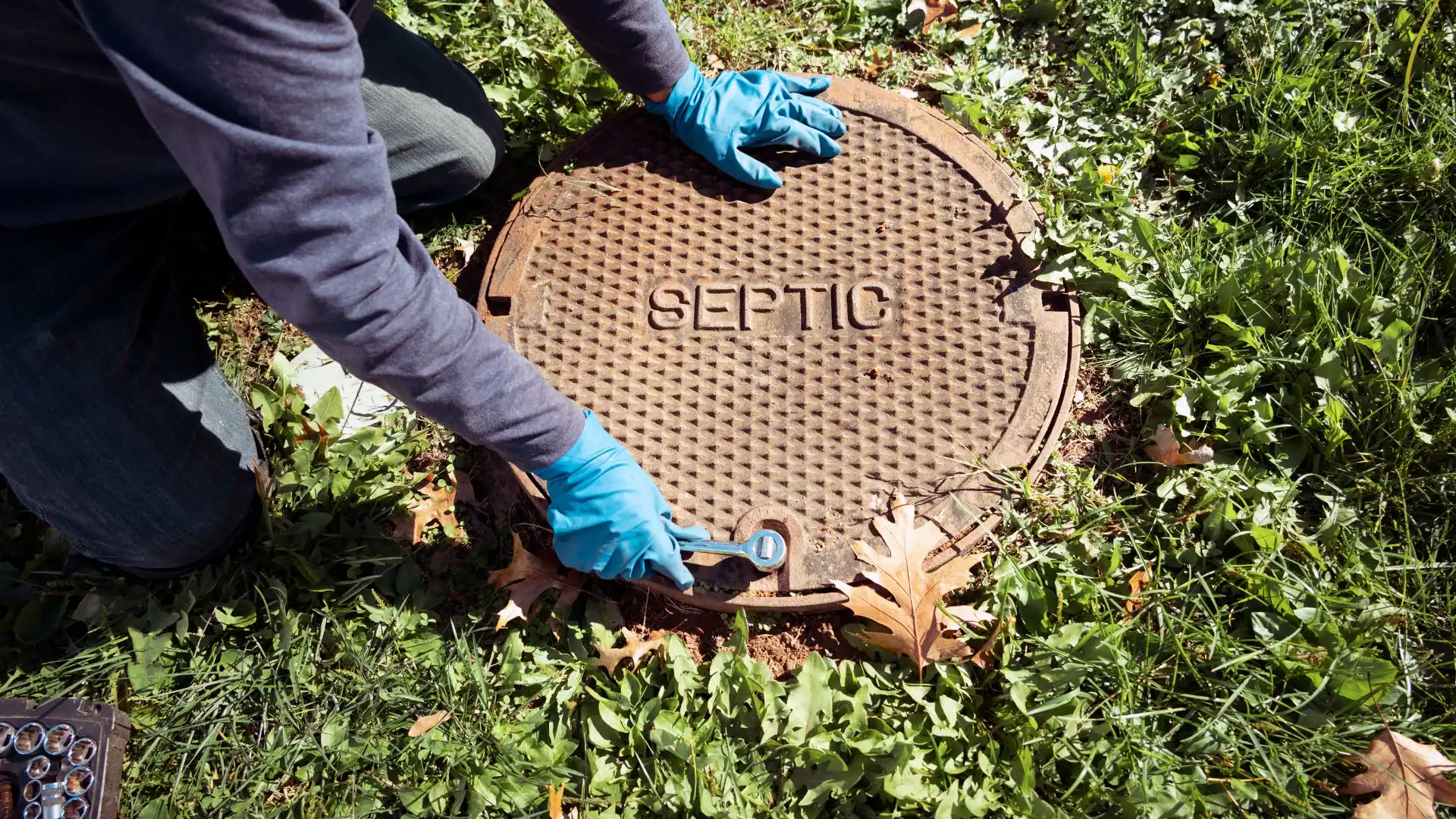
It starts with a site assessment. Before any recommendations are made, we walk the property and map how water actually moves where it enters, how it flows across the grade, where it accumulates, and where it needs to exit. For Port Jefferson Station properties, that means paying close attention to the North Shore slope patterns, the condition of any existing drainage infrastructure (a lot of which dates back to the 1960s and ’70s), and the groundwater conditions that affect how much subsurface capacity your soil actually has during a saturated period.
From there, we design a system specific to your property whether that’s a French drain, a catch basin, a dry well, a regrading of the surface, or some combination. Every design accounts for Town of Brookhaven’s stormwater discharge requirements, so the water has a compliant place to go and you’re not left with a liability issue down the road.
Installation comes next. We handle the excavation, the system build, and the full lawn and landscape restoration when the work is done. You’re not left with a torn-up yard waiting for a separate landscaper to come back and finish the job. Once the system is in, we walk you through what was installed, how it functions, and what to watch for. The real test is the next significant storm and we build every system to pass it.
Ready to get started?
Drainage work in Port Jefferson Station covers more ground than most homeowners expect when they first call. The visible symptom standing water, a soggy lawn, a wet basement corner is rarely the whole story. The service starts with understanding the full water flow path on your property, which in this area often involves accounting for runoff coming from uphill neighbors, improperly graded driveways, or decades-old dry wells that have silted up and stopped functioning.
Depending on what the assessment reveals, the work may include French drain installation, catch basin placement, surface regrading, dry well replacement or addition, downspout extension and underground routing, or trench drain installation in paved areas. These aren’t upsells they’re the components of a complete system, and which ones your property needs depends entirely on its specific conditions. Homes along the older residential streets off Route 112 and Route 347 often have a combination of issues: original drainage infrastructure that’s failed, surface grades altered by years of landscaping changes, and impervious surface coverage that’s grown with every patio, shed, and driveway expansion.
Everything is scoped in writing before work begins. The quote you receive reflects the actual work required not a low number designed to get the job started. Because the water table here is real, the storms are real, and a drainage system that underperforms is worse than no system at all it gives you a false sense of security until the next August downpour proves otherwise.
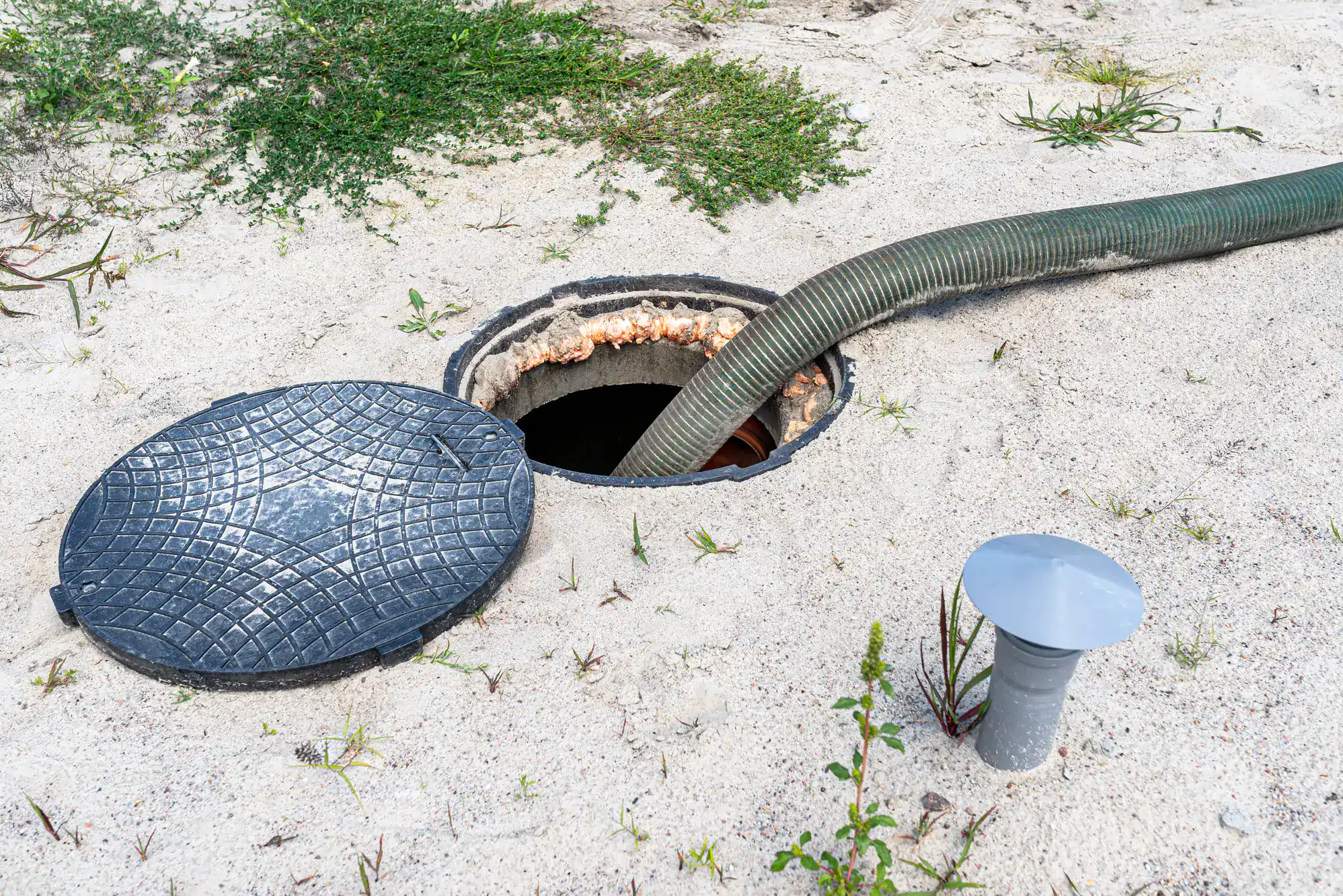
This is one of the most common questions we hear from homeowners in Port Jefferson Station, and the answer usually comes down to two things working against each other at the same time. First, the North Shore water table is closer to the surface than most people realize after a stretch of wet weather, the ground is already saturated, and even a moderate rain event has nowhere to go. Second, a large portion of Port Jefferson Station’s housing stock was built in the post-war era without modern stormwater management standards, meaning the original drainage capacity of these lots was never great to begin with.
Add to that the topographic reality that many properties here sit on grades that channel water from uphill lots toward lower ones, and you have a situation where your yard is absorbing not just your own rainfall but runoff from neighboring properties and roadways. The fix isn’t always a major excavation sometimes it’s a properly placed catch basin, a regraded swale, or an extended downspout system. But it does require a proper site assessment to understand which combination of factors is driving the problem on your specific property.
Port Jefferson Station falls under the jurisdiction of the Town of Brookhaven, which has an active stormwater management program with specific rules about how drainage water can be directed. For most standard residential drainage installations French drains, dry wells, catch basins a full building permit isn’t always required, but the work still has to comply with Brookhaven’s stormwater discharge regulations. That means water cannot be redirected onto a neighboring property or into the municipal stormwater system without proper authorization.
Where permits do become required is when the scope of work involves significant grading changes, work near wetlands or protected areas, or any project that connects to the Town’s stormwater infrastructure. Suffolk County’s Department of Health Services also has jurisdiction over subsurface drainage that could potentially affect groundwater which matters here because Long Island sits on a sole-source aquifer. We know which approvals apply to your specific project and handle that process before work begins, so you’re not left with unpermitted work that creates liability down the road.
It’s a fair question, and the confusion is understandable both deal with water. The difference is where the problem lives. A plumber works inside the pipe: a blocked drain, a broken stormwater line, a failed sump pump. A landscape drainage contractor works outside the pipe on how water moves across your land, through your soil, and away from your structure before it ever reaches a pipe or a foundation wall.
If your basement has a cracked pipe letting water in, that’s a plumber’s job. If your yard holds water after every storm, water is pooling near your foundation, or runoff from a neighbor’s property is saturating your lawn, that’s a landscape drainage problem. In Port Jefferson Station, most of the calls we receive are for issues that plumbers can’t fix because the problem isn’t inside a pipe, it’s in the grade, the soil, the aging dry well, or the way the property’s impervious surfaces have changed over the decades. Getting the right contractor to the right problem is the first step toward actually solving it.
Most residential drainage installations in the Port Jefferson Station area fall somewhere between $2,000 and $8,000, depending on the scope of the work, the complexity of the site, and what combination of drainage components the property actually needs. A straightforward French drain installation on a smaller lot is toward the lower end of that range. A more involved project one that includes catch basins, dry well replacement, surface regrading, and downspout routing will be toward the higher end.
The number that matters more than the installation cost is the cost of not addressing it. The average water damage insurance claim in the U.S. runs close to $14,000. Foundation repairs triggered by chronic water intrusion can reach $23,000 to $48,000. For a Port Jefferson Station home with a median value approaching $550,000, a properly installed drainage system is one of the highest-return investments available to a homeowner. We provide written quotes before any work starts, so you know exactly what the project involves and what it costs no estimates that balloon once the crew shows up.
There are a few signs that point toward failure versus routine maintenance, and in Port Jefferson Station’s older housing stock, actual failure is more common than most homeowners expect. If you have a dry well that was installed in the 1970s and your yard still floods after moderate rain, the dry well has almost certainly silted up it’s full of sediment and no longer has the capacity to absorb water. That’s not a maintenance issue; it needs to be replaced or supplemented with additional drainage capacity.
Signs of a failing system include water that pools in the same spots every time it rains, a lawn that stays wet for days after a storm, water appearing at the base of the foundation after rain events, or a catch basin grate that’s always dry during a storm (meaning water isn’t reaching it). Maintenance issues like a clogged catch basin inlet or a downspout disconnected from an underground pipe are usually faster and less expensive to address. A site assessment will tell you which situation you’re dealing with, and it’s worth knowing before you spend money on a repair that won’t actually solve the problem.
Yes but only if it’s sized correctly for peak conditions, not just average rainfall. This is where a lot of drainage installations fall short. A system designed for a typical one-inch rain event will be completely overwhelmed by the kind of storm that dropped several inches across the Port Jefferson area in August 2024 the event significant enough to trigger FEMA Hazard Mitigation funding for storm drain cleanup in the region. If the system isn’t designed with those peak events in mind, it will fail exactly when you need it most.
Proper sizing means accounting for the full drainage area contributing to the system your roof, your driveway, your lawn, and in some cases, the uphill properties whose runoff crosses your lot. It also means understanding the soil’s actual infiltration rate during saturated conditions, which on Long Island’s North Shore is meaningfully lower than during dry periods. Every system we install is designed for the conditions this area actually experiences, not the conditions that would make the installation simpler.
Other Services we provide in Port Jefferson Station