Hear from Our Customers
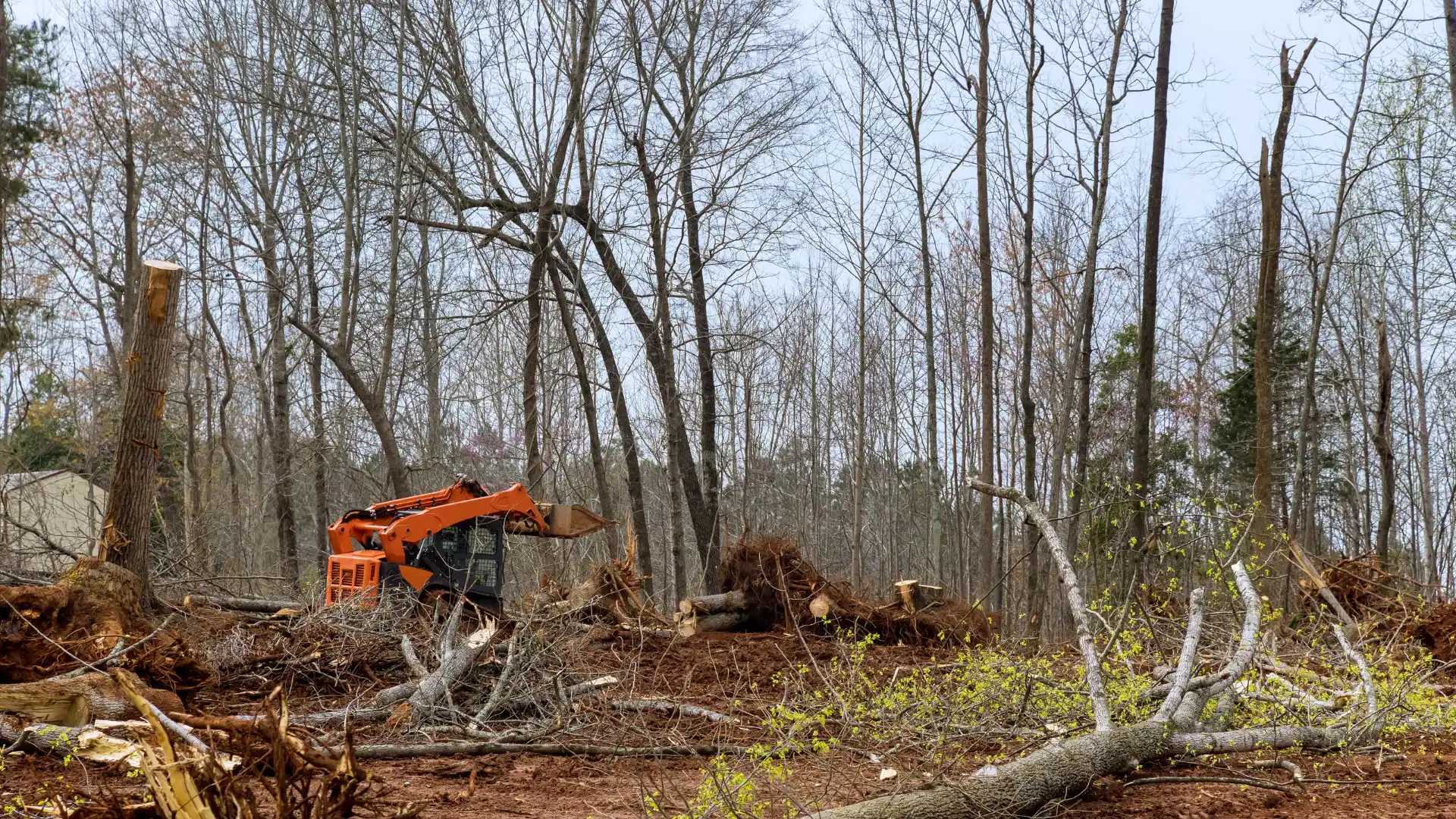
Port Jefferson Station sits on some of the most heavily wooded residential terrain on Long Island. The rolling, post-glacial landscape that makes the North Shore feel distinct is the same landscape that turns a neglected lot into a wall of mature oaks, invasive bittersweet, and dense understory that you can’t see through let alone build on. When that gets cleared properly, you’re not just removing trees. You’re recovering usable land.
The difference between a cleared lot and a construction-ready site comes down to what happens after the chainsaw. Stumps ground down, debris hauled off, and the ground left in a condition your builder or landscaper can actually work with. That’s what a real land clearing job looks like in Port Jefferson Station not a pile of brush pushed to the back fence and a bill that doesn’t match the quote.
If your property is near a drainage corridor, a pond, or anywhere close to the harbor environment, there are wetland setback rules that affect how and where clearing can happen. Getting that wrong creates real problems. Getting it right means your project moves forward without a stop-work order or a DEC enforcement letter sitting in your mailbox.
We work across Long Island, and the North Shore is its own category. The wooded, hilly lots between Route 112 and Terryville Road in Port Jefferson Station don’t behave like a flat South Shore parcel. The soil changes, the slopes matter, and the vegetation is a mix of native hardwoods and aggressive invasives that need to be handled differently depending on what’s actually growing there. That’s not something you figure out on the first job it’s something we’ve learned from doing this work here, repeatedly.
Brookhaven Town has specific tree clearing permit requirements under Chapter 70, and most property owners in Port Jefferson Station don’t know they apply until they’re already mid-project. If your lot is two acres or more, a permit is required before clearing begins. If you’re clearing more than an acre, a Stormwater Pollution Prevention Plan may be needed on top of that. We walk you through what applies to your specific property before any equipment rolls in so you’re not caught off guard.
It starts with a site assessment. Before any quote goes out, the property gets walked. That means understanding what’s actually on the lot mature trees, invasive species, stumps, slope conditions, proximity to any wetland features and what equipment and approach the job actually requires. On North Shore properties in Port Jefferson Station, that assessment often turns up things a phone conversation would miss entirely.
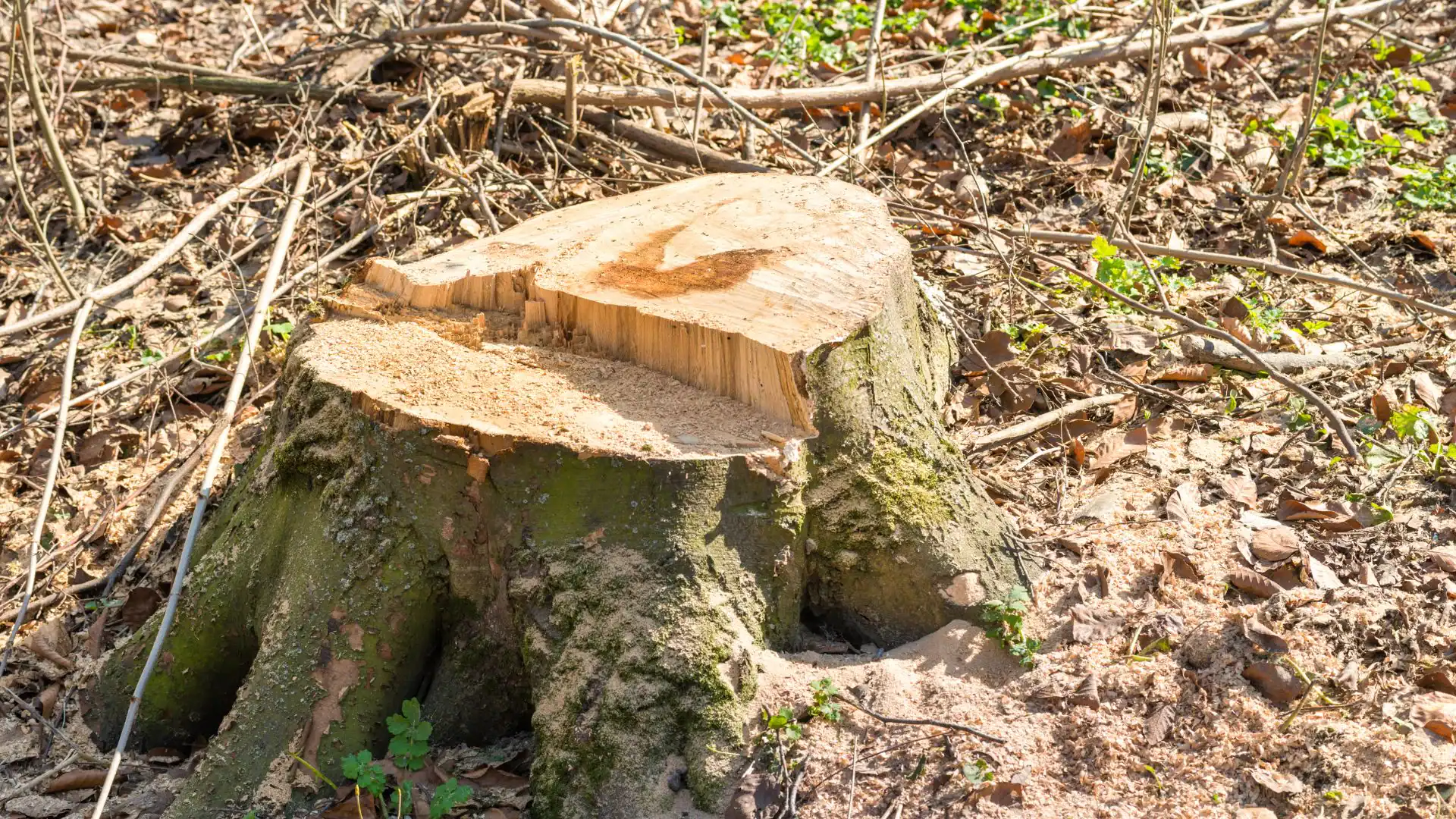
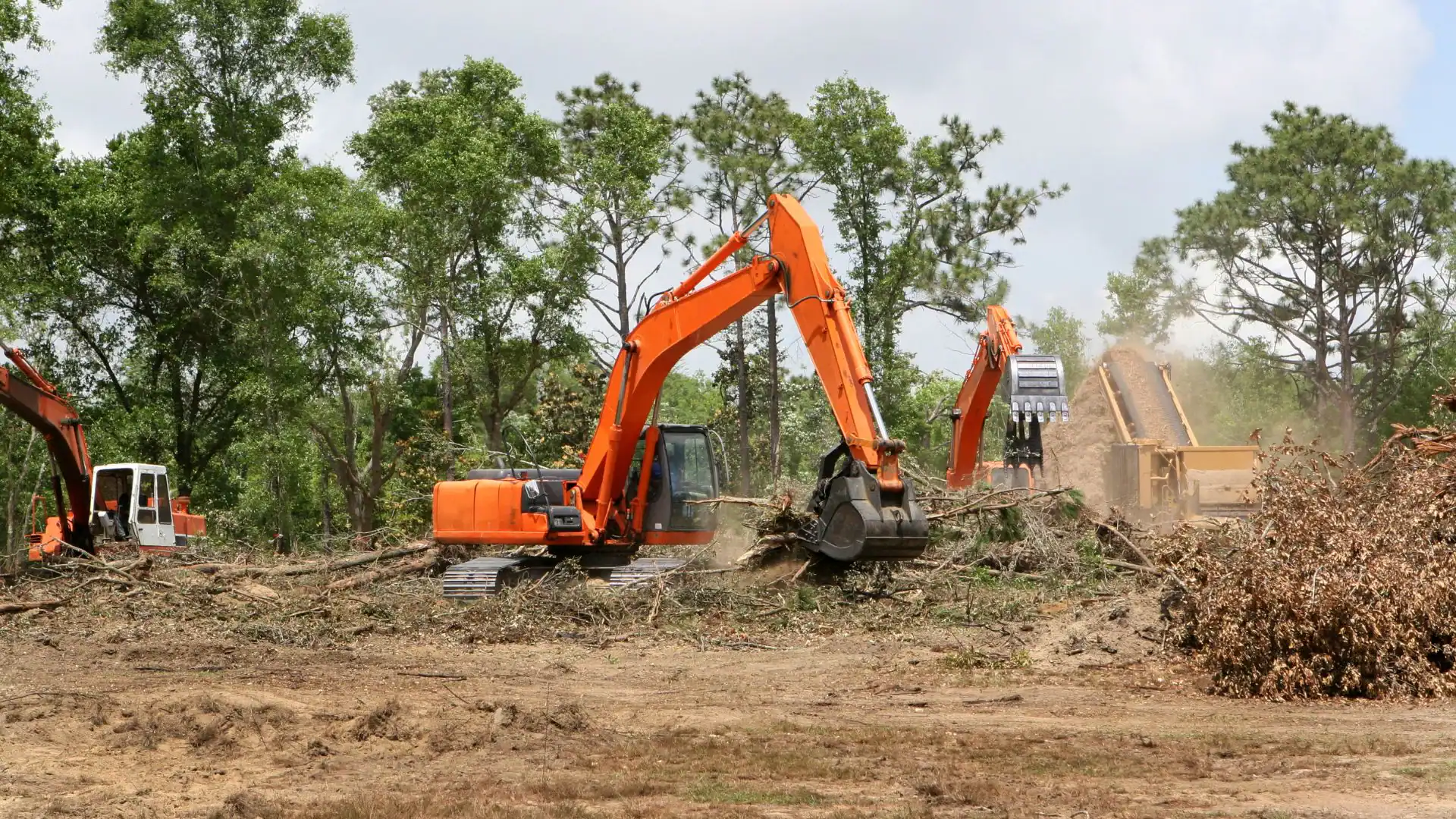
Once the scope is confirmed and any required Brookhaven Town permits are addressed, the clearing work begins in a logical sequence. Overgrowth and brush come first, then trees, then stump grinding, then debris removal. The order matters because it keeps the site accessible and prevents the kind of compaction and soil disruption that makes grading harder afterward. If invasive species like Japanese knotweed, bittersweet, or bamboo are present and on Port Jefferson Station lots, they often are those get treated as a separate scope item, because surface clearing alone won’t stop them from coming back.
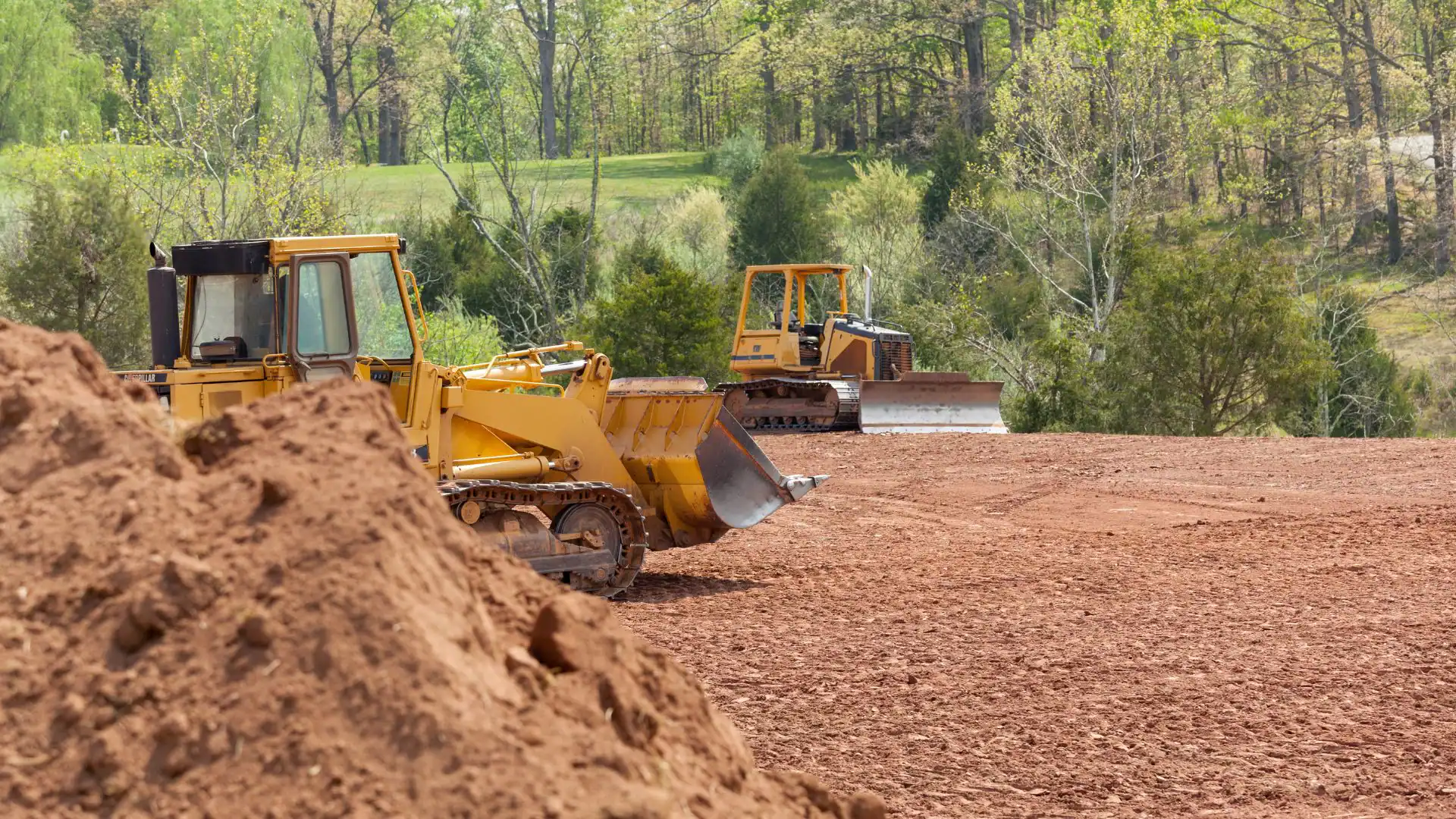
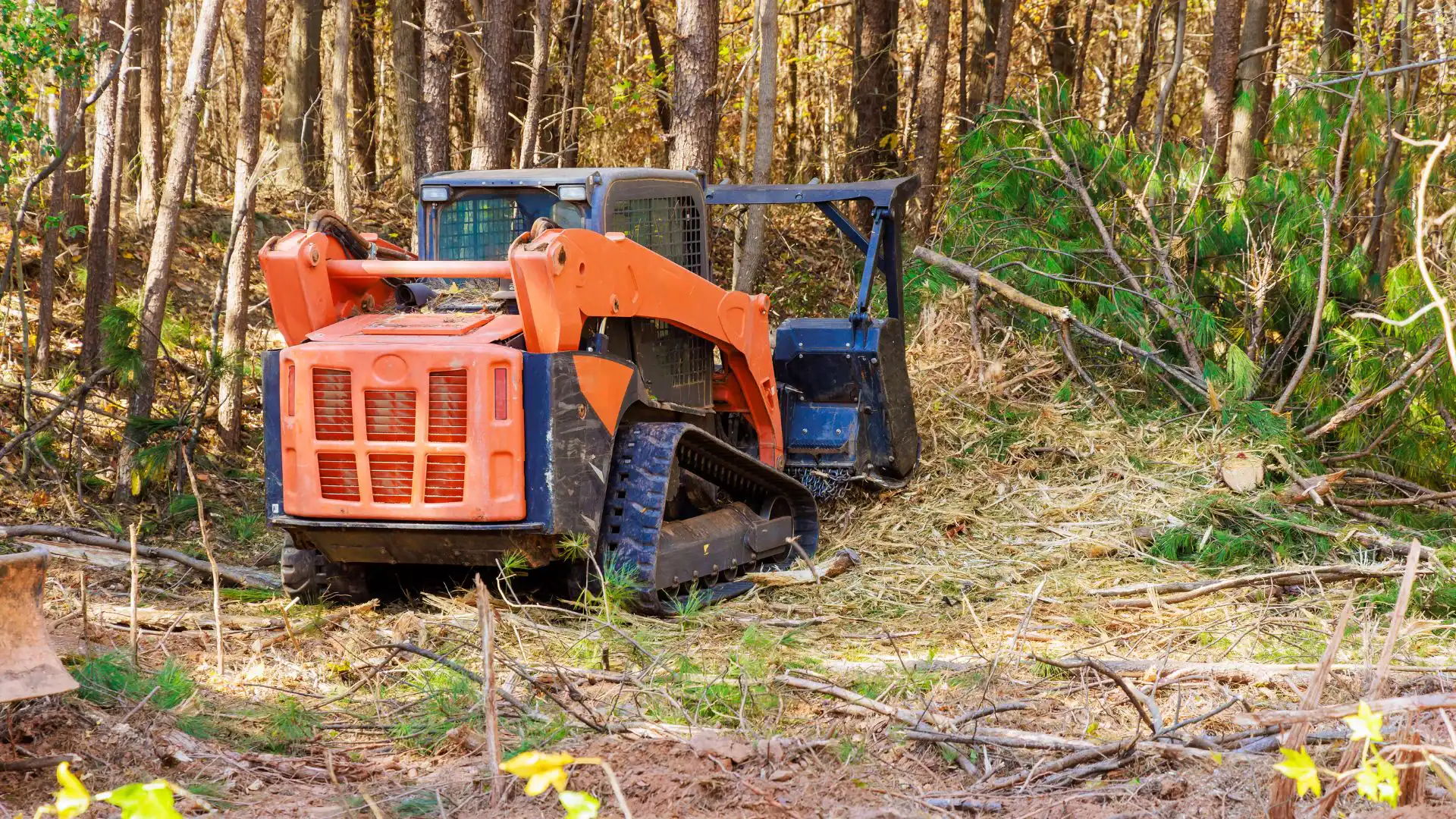
When the job is done, the site is clean. That means debris is removed or mulched on-site where it makes sense, stumps are ground to grade, and the ground is left in a condition the next contractor can actually use. You get a clear picture of what you own and what’s possible with it.
Ready to get started?
Land clearing in Port Jefferson Station covers a wide range of situations, and the scope of each job reflects what the property actually needs. For residential lots in Terryville and the surrounding Comsewogue area, that often means reclaiming wooded acreage that’s been untouched for years dense canopy, invasive understory, and root systems that go deeper than they look. For properties near the Route 347 corridor or closer to the LIRR station where active redevelopment is happening, it can mean full site preparation for a construction project with a defined timeline and a builder waiting on a cleared pad.
Brush clearing services address overgrown fence lines, invasive scrub, and the kind of dense vegetation that takes over a lot edge within a single growing season in Suffolk County’s humid climate. Lot clearing services take a property from wooded or neglected to construction-ready. Land reclamation services handle the more involved cases properties that have been left for years and need a full reset before any improvement work can begin. Vegetation removal services cover targeted clearing where you want specific growth removed without disturbing the surrounding landscape.
Whatever the scope, debris removal is part of the job. The quote reflects the full picture clearing, grinding, haulage, and any permit-related steps so there are no line items that show up for the first time on the invoice.
It depends on the size of your property and what you’re clearing. Port Jefferson Station falls under the Town of Brookhaven’s jurisdiction, and Brookhaven’s Tree Preservation ordinance Chapter 70 requires a Tree Clearing Permit for residential properties of two acres or more, including contiguous lots under the same ownership. If your property is under two acres, a permit is typically not required for standard residential clearing, but there are exceptions for properties near regulated wetlands or drainage features.
If the clearing scope covers more than one acre, you may also need a Stormwater Pollution Prevention Plan as part of the permit process. And if your property is within 100 feet of a NYS DEC-regulated water body which applies to some parcels near the harbor environment and local drainage corridors in the Port Jefferson area a separate state permit may be required before any work begins. Getting this wrong can result in a stop-work order or enforcement action, so it’s worth confirming your permit requirements before equipment shows up. We assess this as part of the site evaluation process.
Land clearing cost in Port Jefferson Station varies based on lot size, vegetation density, terrain, and what the scope includes clearing only, or clearing plus stump grinding, debris removal, and any required permit coordination. On a typical residential lot in the half-acre to one-acre range with moderate tree cover and understory growth, you’re generally looking at a range that reflects the full scope of work rather than a stripped-down headline number.
The rolling, wooded terrain of the North Shore adds complexity that a flat South Shore lot doesn’t have. Slopes affect equipment access, variable soil composition affects stump removal, and invasive species like Japanese knotweed or bittersweet require additional handling that goes beyond standard clearing. Any quote from us is itemised clearing, stump grinding, debris haulage, and permit-related steps are broken out separately so you know exactly what you’re paying for. The total may be higher than a lump-sum number from another contractor, but it won’t change between quote and invoice.
The North Shore of Long Island has a well-documented invasive species problem, and Port Jefferson Station lots are no exception. The most common invasives you’ll encounter on wooded residential properties in this area are Oriental bittersweet, multiflora rose, Japanese knotweed, and bamboo. All four are aggressive growers that establish quickly on neglected lots and fence lines, and all four will return within a single growing season if the clearing only addresses above-ground growth.
Bittersweet and multiflora rose typically colonize the edges of wooded lots and fence lines first. Japanese knotweed spreads through underground rhizomes that can extend several feet from the visible plant cutting it back without addressing the root system just triggers regrowth. Bamboo is similar in that regard, and it spreads faster than most property owners expect. When we identify invasive species on a Port Jefferson Station property, they’re treated as a distinct scope item with removal methods that address the root stock, not just the canopy. That’s the difference between a lot that stays cleared and one you’re calling about again in two years.
If your property is near a regulated water body a pond, drainage corridor, or any feature that falls under NYS DEC jurisdiction there are buffer rules that affect what can be cleared and how close to the water’s edge the work can go. The standard buffer under New York State regulations is 100 feet from the edge of a regulated wetland. Within that zone, clearing requires a separate DEC permit, and the scope of what’s allowed is more restricted than standard upland clearing.
Port Jefferson Station parcels near the harbor environment and local drainage features can fall within these buffer zones, and it’s not always obvious from a property survey alone. The Oak Street area, for example, has documented wetland features on parcels that otherwise look like standard wooded residential lots. We assess wetland proximity during the initial site walk and identify any DEC permit requirements before quoting the job. If a permit is needed, that gets addressed before work begins not discovered mid-project when equipment is already on site.
Fall is generally the best window for land clearing on North Shore Long Island properties, and it’s the season we prefer for wooded lots in Port Jefferson Station. Once leaf drop happens typically mid-October through November visibility into the wooded areas improves significantly, which makes it easier to assess what’s actually on the lot and work efficiently around trees that are staying. Ground conditions in fall are usually firm enough for equipment access without the soft, wet soil that can cause issues in early spring.
Spring is the second busiest season because it aligns with construction start timelines builders want sites cleared before the season gets going, and permit applications filed in winter often come through in March or April. Summer clearing is possible but the aggressive growing season means invasive vegetation can show visible regrowth within weeks of clearing if follow-up isn’t planned. Winter clearing works well on dry, frozen ground and is often the most efficient time to access sites with heavy clay content in the soil. If you have a specific project timeline driving the schedule, it’s worth discussing timing during the site assessment.
Debris removal is included in the scope of every job we quote it’s not a separate line item that appears at the end. When the quote goes out, it covers clearing, stump grinding, and debris removal or on-site mulching depending on what makes sense for the property and what you prefer. You know the full number before work begins.
This matters more than it might seem on a wooded North Shore lot. A mature wooded half-acre in Port Jefferson Station generates a significant volume of material when cleared full-canopy trees, dense understory, root masses from invasive species, and accumulated debris that can amount to multiple truckloads. Contractors who quote a low clearing number and then add debris haulage after the fact are a common complaint in the Suffolk County market. The itemised quote we provide breaks out every component so the total reflects the actual job and the site you get back at the end is clean, not a cleared lot with a brush pile problem you still have to solve.
Other Services we provide in Port Jefferson Station