
Hear from Our Customers
When your basement finally stops taking on water, everything downstream of that problem gets better. The air in your home improves. The finished space you’ve been avoiding becomes usable again. The worry that used to spike every time the forecast showed heavy rain gone.
That matters more in Port Jefferson Station than most people outside the area realize. The glacially deposited soils beneath these North Shore neighborhoods are highly permeable, and the water table rises fast after a storm. When it does, it pushes against your foundation with hydrostatic pressure that surface coatings and store-bought sealants simply aren’t built to handle. The ranch homes that define this community most of them built between the 1950s and 1970s have foundations that have been absorbing that pressure for decades.
And then there’s what a wet basement does to your home’s value. Median home prices in Port Jefferson Station have climbed to nearly $550,000. A documented water intrusion problem can stop a sale cold or hand a buyer the leverage to negotiate thousands off your asking price. A professionally waterproofed basement with a transferable warranty does the opposite it becomes a selling point your neighbors won’t have.
Gold Coast Landworks is a Long Island waterproofing contractor that works specifically with the kind of homes that define Port Jefferson Station post-war ranch construction, aging poured concrete and block foundations, and the particular drainage challenges that come with being two miles from Long Island Sound on top of glacial soil.
What separates us isn’t a longer service menu. It’s the fact that we inspect before we recommend. A lot of companies in this space lead with the most expensive solution. We don’t. Some basements in the Comsewogue area need a full interior drainage system. Others need a targeted crack injection and better exterior grading. We’re not going to sell you the first if the second is what actually fixes it.
Every job starts with a free, thorough in-home inspection interior and exterior before we put a number on anything. No phone quotes. No pressure. Just an honest read on what your foundation actually needs.
It starts with the inspection. We walk the full perimeter of your foundation inside and out looking at where water is entering, how it’s moving, and what’s driving it. In Port Jefferson Station, that usually means paying close attention to soil grading around the foundation, the condition of mortar joints in block walls, and whether the existing sump system (if there is one) is still doing its job. Homes in this area that were built in the 1960s often have original drainage infrastructure that’s simply worn out.
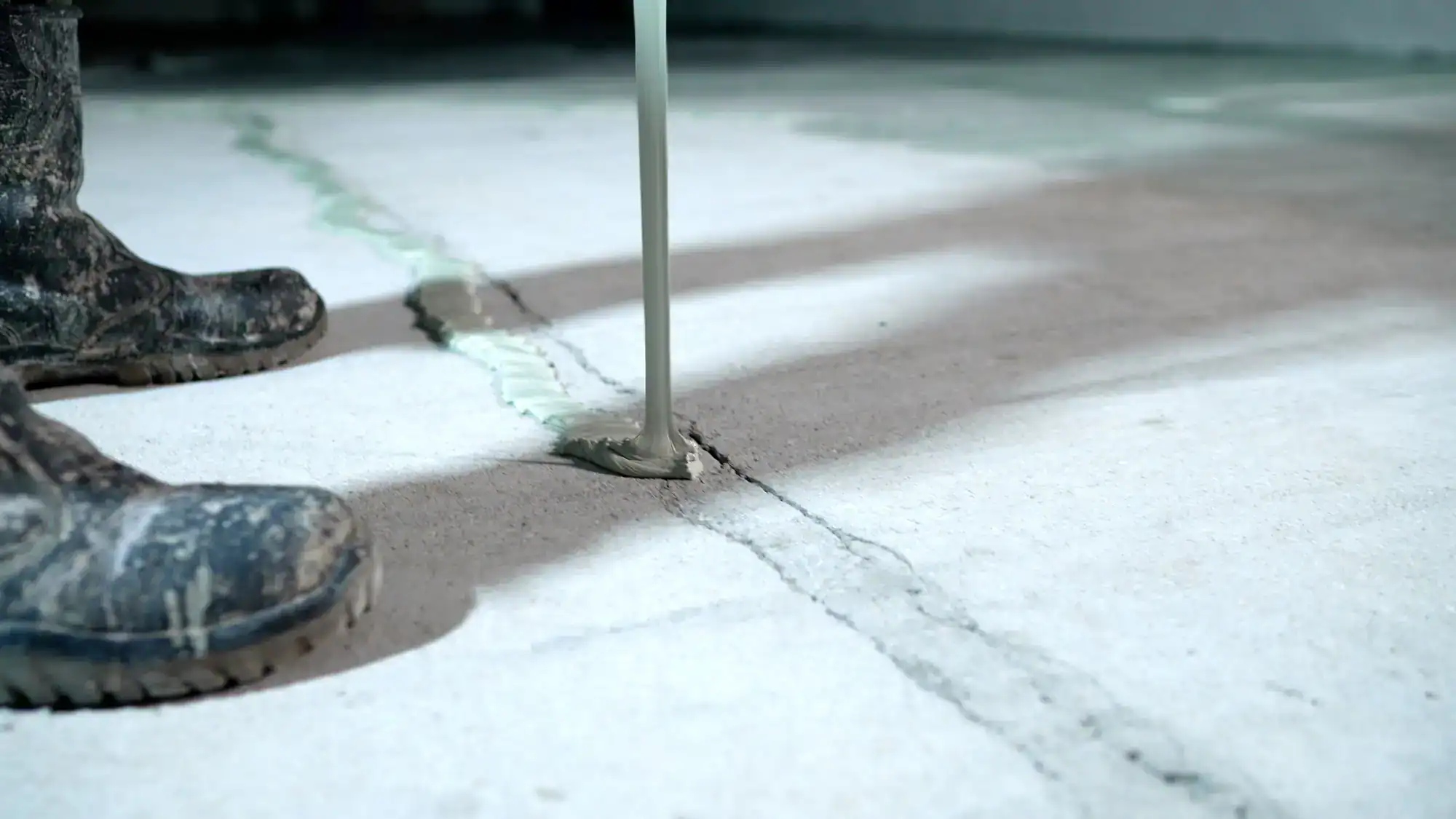
Once we understand the cause, we put together a written estimate that explains what we’re recommending and why. If it’s a foundation crack that’s letting water in, we address that directly often with an epoxy or polyurethane injection that seals the crack from the inside out. If the issue is hydrostatic pressure overwhelming the perimeter, we’ll walk you through what an interior drainage system actually involves: breaking the slab at the footing, installing a perimeter channel, and routing water to a properly sized sump pump before it ever reaches your floor.
After the work is done, you’ll know exactly what we installed, how it works, and what the warranty covers. If your home is in Brookhaven Town jurisdiction which Port Jefferson Station is we handle all applicable permit requirements. You shouldn’t have to navigate that on your own.
Ready to get started?
Basement waterproofing isn’t one thing. It’s a category that covers a range of problems and a range of solutions and the right one depends entirely on what’s happening in your specific foundation. We offer the full scope: interior drainage systems, foundation crack sealing, waterproof basement wall treatment, and sump pump installation and replacement.
For Port Jefferson Station homeowners dealing with active seepage through wall cracks common in the poured concrete foundations built throughout the Comsewogue district in the postwar decades foundation crack sealing stops the problem at the source. We use pressure-injected epoxy or polyurethane depending on whether the crack is structural or still experiencing movement. For homes where water is entering at the floor-wall joint or through the slab itself, an interior perimeter drainage system is the more appropriate fix. It doesn’t stop water from entering the wall it intercepts it before it can pool and routes it out through a sump system.
Sump pump installation is often part of the picture, and it’s worth doing right. A battery backup unit is something we strongly recommend for Port Jefferson Station homes given the summer storm patterns on the North Shore if a thunderstorm knocks out your power at 2 a.m., your primary pump is useless without a backup. We size every system to the actual water load your basement faces, not a generic spec.
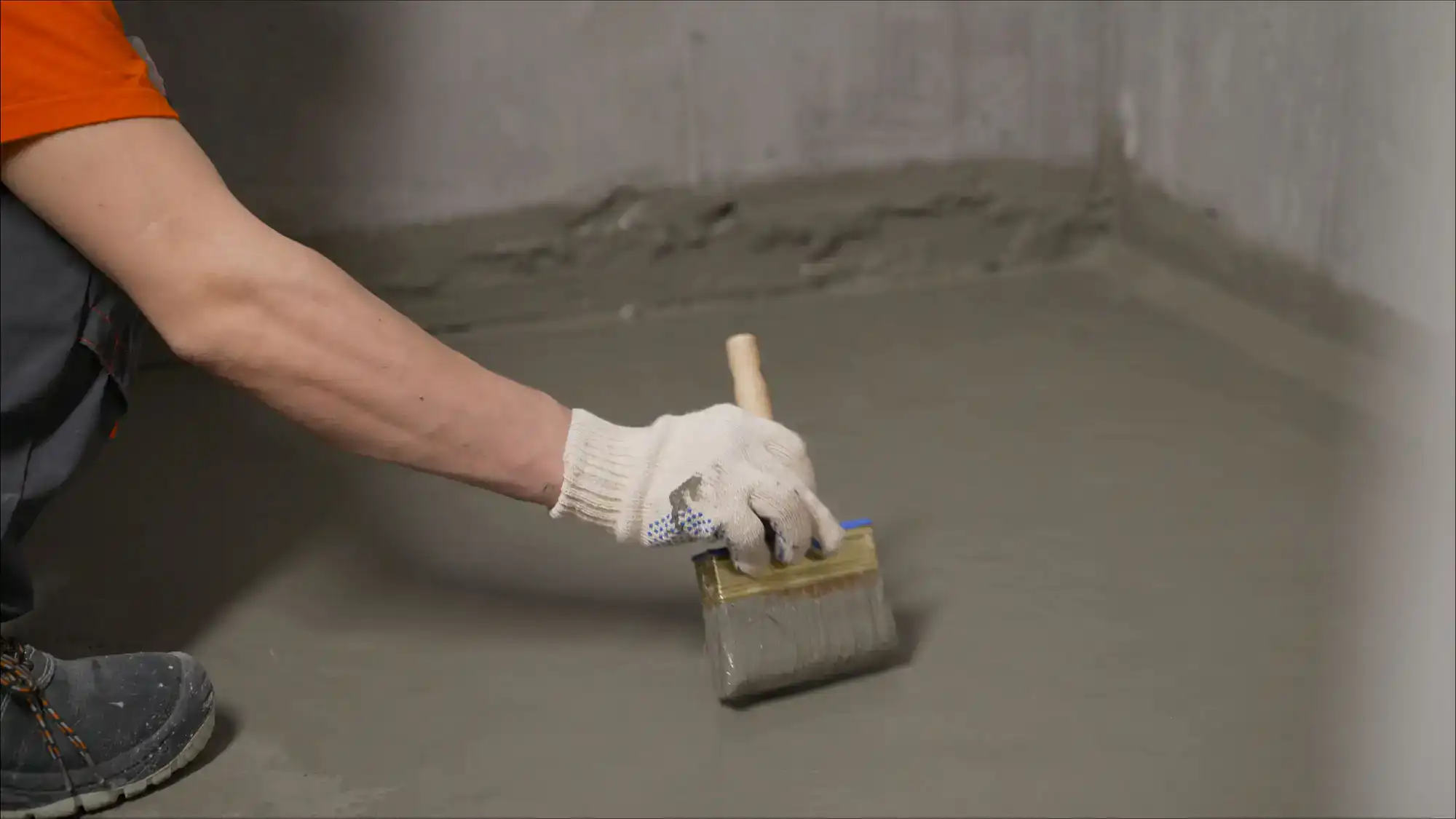
The short answer is hydrostatic pressure but understanding why it’s particularly common here helps. Port Jefferson Station sits on glacially deposited soil that’s highly permeable. When rain falls heavily or snowmelt runs off, that water moves quickly through the soil and the water table rises fast. Once it rises high enough, it pushes laterally against your foundation walls and upward against your basement slab. Older foundations and most homes in Port Jefferson Station were built between the 1950s and 1970s weren’t designed with modern waterproofing standards in mind.
The other factor is foundation age. Poured concrete shrinks and develops cracks over time. Concrete block walls lose mortar integrity at the joints. What started as a hairline crack thirty years ago has likely been widened by decades of freeze-thaw cycling, and it’s now an active water entry point. The fix depends on where the water is coming in and what’s driving it which is why an in-person inspection is the only honest starting point.
It depends on the scope of the problem, and any contractor who gives you a firm number over the phone before seeing your basement isn’t being straight with you. That said, here are realistic ranges so you’re not walking in blind. Foundation crack injections typically run in the $800 to $1,500 range per crack depending on length and access. Interior perimeter drainage systems the kind that involve breaking the slab, installing a channel, and connecting to a sump generally fall between $4,500 and $10,000 for a typical Port Jefferson Station ranch home. Sump pump installation runs roughly $600 to $1,900 depending on the system and whether a battery backup is included.
What you’re paying for matters as much as what you’re paying. A written warranty, licensed and insured crews, and a contractor who pulled the appropriate Brookhaven Town permits those aren’t extras. They’re the baseline. Get at least two written estimates before making a decision, and make sure both are based on an actual inspection of your foundation.
For most Port Jefferson Station homeowners, yes but it depends on what’s causing the problem. Interior waterproofing is the right solution when water is entering through the floor-wall joint, through hydrostatic pressure pushing up through the slab, or through foundation cracks that can’t be addressed from the exterior due to landscaping, finished grade, or access limitations. It manages water by intercepting it before it pools, rather than trying to stop it at the source.
What it won’t fix is a drainage problem caused by improper grading or a broken downspout extension that’s directing water straight toward your foundation. If that’s the issue, interior drainage adds cost without solving the root cause. We’ll tell you that upfront. The homes in Port Jefferson Station that benefit most from interior systems are the older ranch-style foundations where exterior excavation isn’t practical and where the water table is the primary driver which describes a significant portion of the housing stock here.
Not every crack in a basement wall is a structural emergency, but none of them should be ignored especially in a home that’s been through fifty or more Long Island winters. Hairline shrinkage cracks in poured concrete are common and often start as cosmetic issues. The problem is that each freeze-thaw cycle and Suffolk County sees roughly 30 to 40 of them per year forces any water that’s infiltrated the crack to expand as it freezes, widening the crack incrementally. Over time, a cosmetic crack becomes an active water entry point.
The things to watch for: Is the crack wider than a credit card? Is it horizontal rather than vertical? Is there white powdery residue (efflorescence) around it, which indicates water has been moving through it? Is it in a concrete block wall at the mortar joints? Any of those signs warrant a professional look. Horizontal cracks in block walls in particular can indicate lateral soil pressure and should be evaluated by someone who can assess whether there’s structural movement involved.
It depends on the scope of the work. Port Jefferson Station falls under the Town of Brookhaven’s building jurisdiction, and certain waterproofing work does require a permit particularly if you’re breaking the basement slab to install an interior perimeter drainage system, or if the work involves structural foundation repair. Sump pump discharge also has to comply with Brookhaven Town’s stormwater management requirements, meaning you can’t simply route it wherever is convenient it has to be directed in a way that doesn’t create drainage problems for neighboring properties.
The permit process isn’t something you should have to manage yourself. We handle that. If a company asks you to pull your own permits, or tells you the work doesn’t need one when the scope clearly suggests otherwise, that’s a red flag. Before any work begins, ask your contractor directly whether a permit is required for the specific scope they’re proposing and get the answer in writing.
Start with the basics: licensed, insured, and willing to put everything in writing. In New York State, home improvement contractors are required to be licensed, and you can verify a contractor’s license through the Suffolk County Consumer Affairs office. Any contractor working in Brookhaven Town should also be familiar with local permit requirements if they’re not, that’s worth noting.
Beyond the paperwork, pay attention to how they approach the inspection. A contractor who walks your basement for ten minutes and hands you a quote for a full interior drainage system before they’ve looked at the exterior grade, the downspouts, or the specific entry points that’s a contractor who’s selling, not diagnosing. The waterproofing industry on Long Island has a real history of overselling expensive systems when a simpler fix was the actual solution. Ask them to explain what’s causing the problem before they explain what they’re selling. Ask what the warranty covers and whether it transfers to a future buyer. In a community where home values have climbed as significantly as they have in Port Jefferson Station, that warranty is part of what you’re investing in.
Other Services we provide in Port Jefferson Station