
Hear from Our Customers
If your Southampton yard floods after a hard rain and takes days to recover, you already know the frustration. What you might not know is how much that standing water is quietly doing softening the soil near your foundation, killing turf, and making your outdoor space unusable for the better part of spring and fall. In Southampton, that’s not a small window to lose.
The South Fork gets hit from multiple directions. Atlantic storms push water in from the coast. Nor’easters park over the East End for days at a time. And when the soil is already saturated which it often is, especially in areas like Shinnecock Hills where glacial till sits just below the surface there’s nowhere for additional rain to go except across your lawn and toward your house.
A properly designed drainage system changes that equation entirely. Water moves where it’s supposed to move. Your yard recovers in hours instead of days. The lawn stays healthy. The foundation stays dry. And if you’re managing the property seasonally, you’re not coming back in May to find out what a wet winter did while you weren’t watching.
We work on the East End. That matters more than it sounds. Southampton’s drainage challenges aren’t generic Long Island problems they’re specific to the South Fork’s geology, its proximity to Peconic Bay and Shinnecock Bay, and a water table that responds quickly to tidal and storm conditions in ways that inland properties simply don’t experience.
We’ve worked across the hamlets Water Mill, North Sea, Noyac, Bridgehampton, Hampton Bays and the drainage solutions that work on a sandy coastal flat near the ocean are not the same ones that work on morainal terrain further inland. We know the difference, and we design accordingly.
Every project starts with an honest site assessment. We’re not going to recommend a system before we understand where your water is coming from and where it needs to go. That’s the only way to build something that actually holds up.
It starts with a site assessment. We walk the property, look at how water is moving across the surface and where it’s accumulating, check the soil type, and evaluate what’s happening at and around the foundation. In Southampton, that assessment also accounts for the water table because in many parts of town, the problem isn’t just surface runoff, it’s groundwater rising from below after sustained rainfall.
From there, we design the system. That might mean a French drain to intercept and redirect subsurface water, a catch basin to collect surface runoff, a dry well to manage discharge, or a combination of all three depending on what the site actually needs. We also flag any permit requirements upfront. The Town of Southampton has a formal stormwater management code, and projects that disturb a significant area of land may require coordination with the Town’s Engineering Division or a NYSDEC stormwater permit. You won’t find out about that after the fact with us.
Installation is done with the existing landscape in mind. We excavate carefully, protect plantings and hardscaping where possible, and restore the disturbed areas when the work is complete. When we’re done, the system works quietly in the background and your yard looks like a yard again, not a job site.
Ready to get started?
Southampton isn’t a market where drainage is a minor landscaping detail. The properties here whether it’s an estate in Water Mill, a year-round home in Hampton Bays, or a seasonal rental in Bridgehampton represent serious investments. The drainage system protecting that investment needs to be designed and installed to match.
We install French drains, catch basins, trench drains, dry wells, and surface grading corrections selected based on what your specific site requires, not what’s easiest to install. For properties near sensitive water bodies like Shinnecock Bay or Peconic Bay, we design systems that manage discharge responsibly and in compliance with the Town of Southampton’s stormwater code. That’s not a bonus it’s how the work gets done here.
If you’ve had drainage work done before that didn’t hold up, there’s usually a clear reason: the system was undersized, installed without proper fall so water stagnates instead of moves, or the root cause was never properly diagnosed. We start every project by mapping the full water flow path where it originates, how it travels, and where it needs to end up. That’s what separates a system that lasts from one that fails the first time a real storm rolls through.
It depends on the scope of the project. The Town of Southampton maintains a formal Stormwater Management and Erosion and Sediment Control Code, and any work that alters natural drainage patterns on your property may be subject to review. For larger projects particularly those that disturb one or more acres of land a NYSDEC SPDES stormwater permit is required, along with a Stormwater Pollution Prevention Plan.
For most residential drainage installations in Southampton, the scope won’t trigger the full permitting threshold, but it’s not something to assume. Properties near wetlands, tidal areas, or sensitive water bodies like Peconic Bay or Shinnecock Bay may face additional restrictions. Part of what we do upfront is identify exactly what applies to your property before any work begins so there are no stop-work orders, no surprise requirements, and no liability that lands on you after the fact.
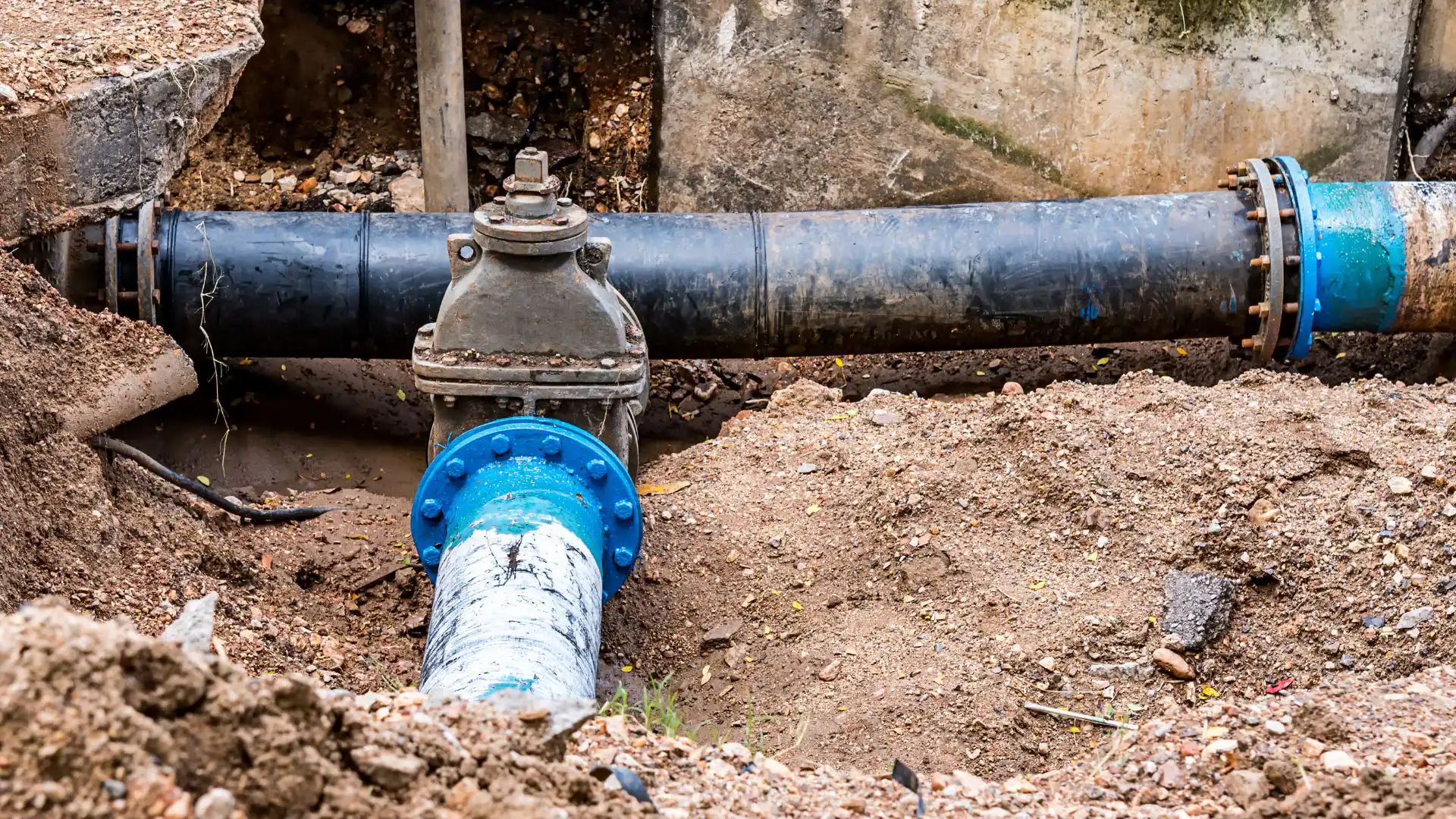
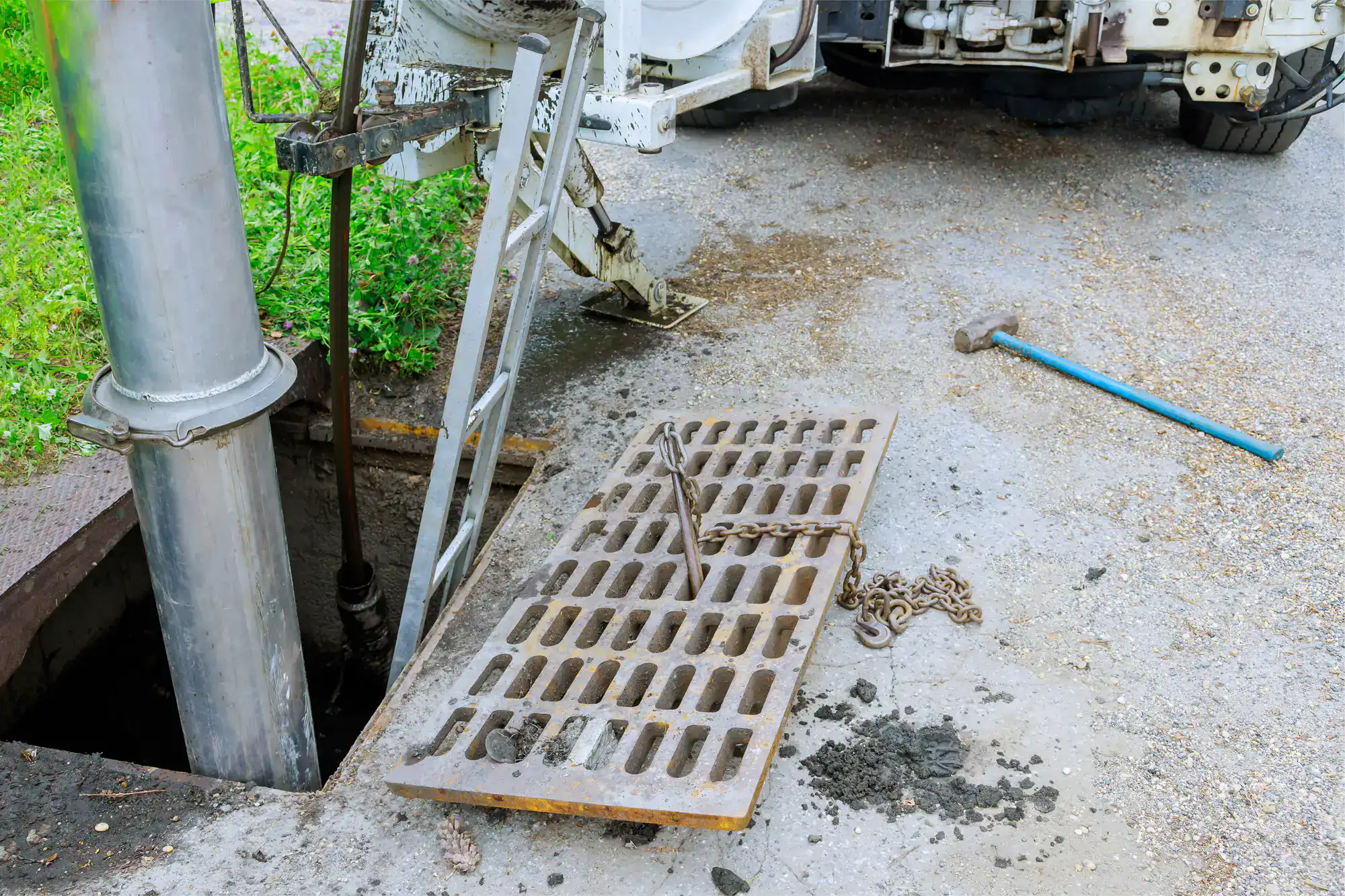
A French drain is a subsurface system a perforated pipe wrapped in gravel and filter fabric that intercepts groundwater or subsurface runoff and redirects it away from problem areas. It works best when water is seeping up through the soil or moving laterally underground toward your foundation. A catch basin is a surface inlet a grated box that collects standing water or concentrated runoff from a specific low point in your yard and channels it into an underground pipe system.
Most drainage problems in Southampton involve both. You might have surface water pooling in a low spot after rain (catch basin territory) and a persistently wet lawn caused by a high water table or subsurface flow (French drain territory). The right answer depends on a proper site assessment, not a default recommendation. We look at your specific conditions soil type, slope, proximity to the water table, and where water is actually coming from before recommending anything.
This is one of the most common questions we hear on the South Fork, and the answer usually comes down to groundwater. Southampton’s water table is shallow in many areas, and it responds relatively quickly to tidal cycles, sustained rainfall over multiple days, and seasonal saturation patterns. When the water table rises close to the surface, your yard can become saturated and begin showing standing water even without a major rain event the moisture is coming up from below, not down from above.
This is especially common in the morainal areas of Southampton places like Shinnecock Hills where glacial till soil has poor permeability and water doesn’t drain downward easily. It’s also common near coastal and bay-adjacent areas where tidal influence affects the local water table. A standard surface drainage fix won’t solve a groundwater problem. The system needs to be designed to manage subsurface conditions, which is why the site assessment matters so much before any work starts.
For a standard residential drainage installation a French drain, a catch basin system, or a combination of both you’re generally looking at a range of $3,000 to $8,000 depending on the size of the area being addressed, the complexity of the system, and the site conditions. Properties with difficult access, significant hardscaping, or soil conditions that require more extensive excavation will land toward the higher end of that range.
The more useful number to keep in mind is what drainage failure costs. Foundation repairs from water intrusion run $23,000 to $48,000. A single basement flooding event averages $10,000 to $26,000 in damage. In Southampton, where properties routinely represent millions of dollars in value, a well-designed drainage system is one of the more straightforward investments you can make in protecting what you own. We provide detailed written quotes before any work begins what’s quoted is what you pay.
Yes, and in Southampton specifically, this is something we take seriously. Estate-area properties across Water Mill, Bridgehampton, and Southampton Village often have mature plantings, formal gardens, and hardscaping that represent significant investment on their own. Excavating carelessly through that kind of landscape isn’t acceptable and it’s not how we work.
We plan the installation route to minimize impact on existing plantings and hardscaping wherever possible. When excavation is unavoidable near established plants or root zones, we work carefully and restore the area properly when the system is in. French drains can be installed beneath turf with minimal surface disruption. Catch basin grates can be set flush and unobtrusive. The goal is a drainage system that does its job without announcing itself and a yard that looks right when the work is done.
A properly designed and installed drainage system requires very little intervention once it’s in place. The components we use perforated pipe, geotextile filter fabric, properly graded outlet points are selected to perform through freeze-thaw cycles and extended wet periods without needing someone on-site to manage them.
That said, seasonal properties in Southampton do face a specific risk: drainage problems that develop during a wet fall or winter can go undetected for months. A system that was working in October may have a blocked outlet or a shifted grade by May if something disrupted it over the winter. We design with that in mind outlet points that are accessible for a quick visual check, systems that are sized for the worst-case storm events the East End delivers, not just average rainfall. If you’re managing a property that sits empty from October through spring, having a drainage system you can trust is genuinely one of the better decisions you can make for that asset.