
Hear from Our Customers
In most places, a wet basement is an inconvenience. In Southampton, it’s a threat to one of the most valuable pieces of real estate on Long Island. Whether your home is a year-round residence in North Sea or a seasonal property off Wickapogue Road, unresolved water intrusion compounds fast mold establishes in weeks, wood framing starts to deteriorate, and what could have been a straightforward fix becomes a much larger project by the time you catch it.
The groundwater situation here is well-documented. The Town of Southampton’s own planning records acknowledge that seasonally high groundwater is common across the town and that basements are specifically susceptible. The soil is predominantly sandy, which means water moves through it quickly and hydrostatic pressure against your foundation walls can build within hours of a heavy rain. That’s the geography of the South Fork.
Getting this handled means you stop worrying every time a nor’easter comes up the coast. It means your basement stays usable, your foundation stays intact, and your home holds the value it’s supposed to hold. For seasonal homeowners especially, a properly waterproofed basement with a reliable sump pump system is the difference between coming back in May to a dry space and coming back to a remediation project.
We work across Long Island, and we know Southampton and the surrounding South Fork well enough to understand that a cinder block wall in North Sea behaves differently than a poured concrete foundation in Water Mill. The groundwater conditions, the soil composition, the age of the housing stock it all factors into how we approach the work. We don’t show up with a preferred system already picked out before we’ve looked at your basement.
What you get from us is a thorough in-person inspection before anything else. We look at the foundation walls, the floor-wall joint, the existing drainage setup, and the exterior grading. We tell you what we actually see not what justifies the largest invoice. Southampton homeowners, whether they’re here year-round or managing a property from out of state, deserve a contractor who gives them a straight read on what’s happening and what it actually takes to fix it.
It starts with a site visit. We come to the property, walk the basement, and look at everything wall conditions, floor-wall joints, any visible cracking, how water is entering and from where. In Southampton, that last part matters more than people expect. Water coming through a foundation crack behaves differently than water coming up through the floor from a high water table, and the fix for each is different. We don’t move forward until we understand the source.
From there, we put together a written, itemized estimate. No phone quotes, no ballpark ranges designed to get you to commit before you’ve seen the numbers. If the work requires a building permit which interior drainage system installation typically does in the Town of Southampton we handle that process and make sure everything is documented properly. Permitted work protects your investment, especially in a real estate market where buyers’ inspectors are thorough and a basement with unpermitted work can complicate a closing fast.
Once the scope is agreed on, we get to work. Depending on what your basement needs, that might mean foundation crack sealing with epoxy or polyurethane injection, installation of an interior perimeter drainage system, sump pump installation with battery backup, or a combination of these. After the work is complete, you get documentation of everything done useful whether you’re managing the property yourself or coordinating with an estate manager from out of town.
Ready to get started?
Not every wet basement in Southampton needs the same solution. A home near Shinnecock Bay with chronic hydrostatic pressure against its block walls has a different problem than a Southampton Village property with a single foundation crack that opened up after last winter’s freeze-thaw cycles. The approach has to match the actual condition and that’s something you only know after a real inspection.
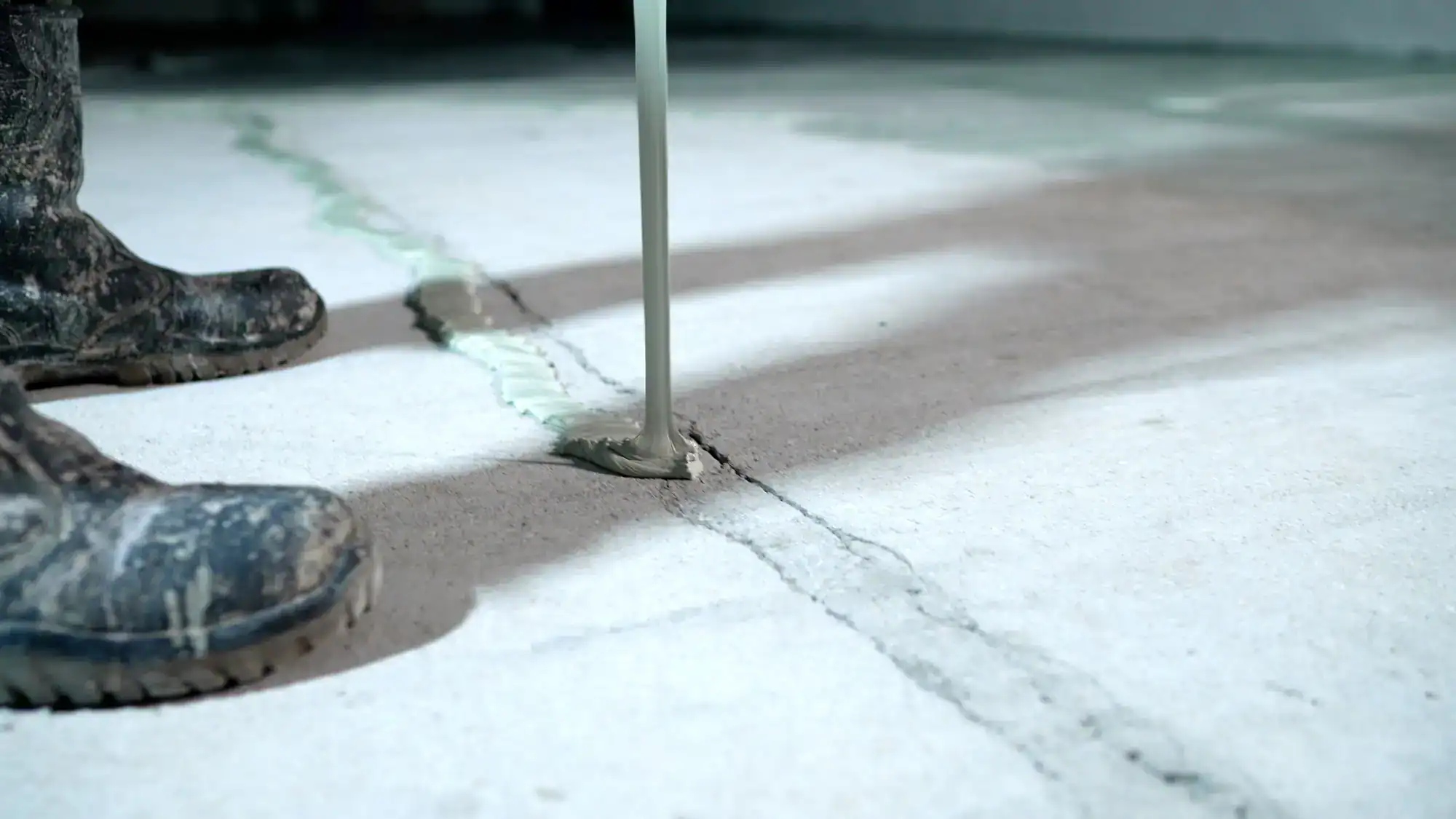
For homes dealing with groundwater pressure, interior drainage systems that capture water at the foundation perimeter and route it to a sump pump are typically the most effective long-term solution. Sump pump installation with battery backup is a standard recommendation for Southampton properties given the area’s storm exposure a pump that loses power during a nor’easter is useless at the worst possible moment. For homes where a specific crack is the entry point, foundation crack sealing using epoxy or polyurethane injection addresses the problem at the source without tearing up the floor.
For seasonal properties and there are a lot of them across the Town of Southampton’s hamlets the priority is often a system that works reliably without someone there to monitor it. That means properly installed equipment, correct sump pit sizing, and a battery backup that can carry the system through an extended outage. We also provide full written documentation of completed work, which is something property managers and out-of-state owners consistently tell us they need and rarely get from other contractors.
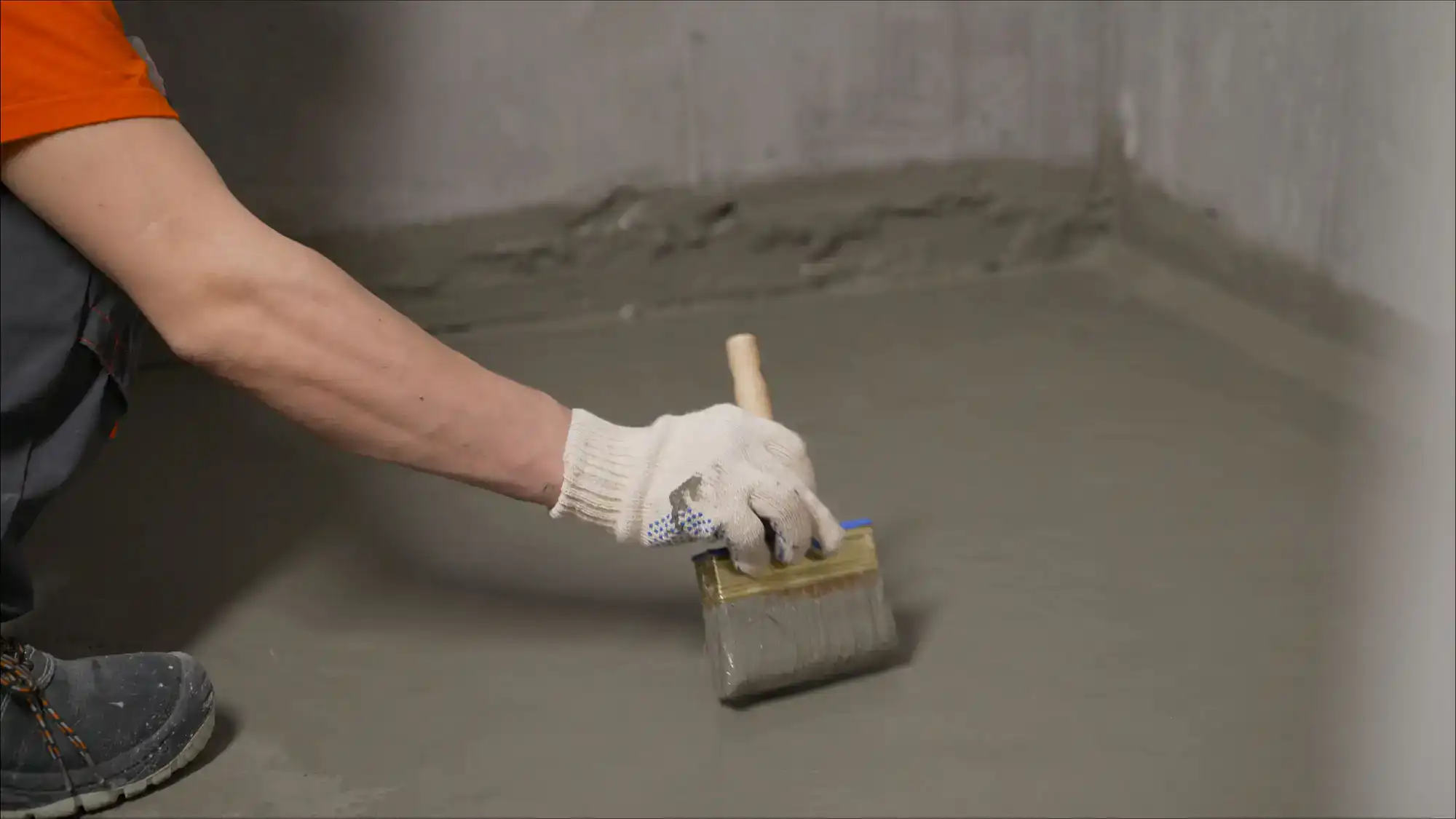
The most common reason is the water table. Southampton sits on the South Fork of Long Island, surrounded by Shinnecock Bay, the Peconic estuary, and the Atlantic and the groundwater here is close to the surface year-round. The Town of Southampton’s own planning documents specifically note that seasonally high groundwater is common across the town and that basements are susceptible. After a heavy rain, that water table can rise quickly, and the hydrostatic pressure it creates against your foundation walls and floor is what drives water inside.
The sandy soil composition of Long Island accelerates this. Water moves through it fast, which means groundwater levels respond to rainfall quickly and pressure builds against your foundation sooner than it would in a clay-heavy soil environment. If you’re seeing water come up through the floor-wall joint or seep through block walls during or after storms, that’s almost always a groundwater pressure issue and surface coatings or paint-on sealants won’t hold against it. An interior drainage system that intercepts water at the perimeter and channels it to a sump pump is typically the right fix for this specific condition.
Based on local data for Southampton, NY, the average cost for basement waterproofing runs around $5,800, with most projects falling somewhere between $3,500 and $8,200. More complex situations larger basements, severe water intrusion, homes with aging block foundations can push into the $10,000 to $13,000 range. Those numbers reflect real local pricing, not national averages applied generically.
What actually determines your cost is the scope of the problem. A single foundation crack that needs epoxy injection is a very different project than a full perimeter drainage system with sump pump installation. That’s why we don’t give phone quotes the range between a targeted crack repair and a full interior drainage system is significant, and you deserve a number based on what your basement actually needs. In Southampton’s real estate market, where home values regularly exceed $1.5 to $2 million even at the more accessible end, the cost of waterproofing is almost always a fraction of what deferred water damage ends up costing in repairs, remediation, and lost value at resale.
It depends on the scope of the work. For foundation crack sealing epoxy or polyurethane injection into an existing crack a permit is generally not required. But for interior drainage system installation, which involves cutting the concrete floor and installing a perimeter channel and sump pit, a building permit is typically required under the Town of Southampton’s building code. Suffolk County also requires that contractors performing drainage system work hold a valid home improvement contractor license under Suffolk County Code.
This matters more than some homeowners realize. Unpermitted work in Southampton can create real problems when you go to sell the property buyers’ inspectors in this market are thorough, and undocumented structural work raises flags that can stall or kill a closing. Getting the permit done correctly also means the work is on record, which protects you if there’s ever a question about what was done and when. The Town of Southampton Building Department is located at 116 Hampton Road. We handle the permit process as part of the job, so you’re not navigating that on your own.
For most Southampton properties, yes and the reason comes down to when your sump pump is most likely to be working hardest. Nor’easters and tropical storms that track up the Atlantic coast are the conditions that push the most water against your foundation. Those same storms are also the ones most likely to knock out power. A sump pump that shuts off when the grid goes down stops working at exactly the moment you need it most.
For seasonal properties across Southampton, the case is even stronger. If your home sits vacant from October through May, a power outage during a winter storm could leave your basement unprotected for days before anyone notices. A battery backup system keeps the pump running through outages long enough to get through most storm events without damage. It’s not an upsell it’s the part of the system that makes everything else reliable. We include battery backup as a standard recommendation for sump pump installation in Southampton because the local storm exposure and seasonal vacancy patterns here make it genuinely necessary, not optional.
Waterproofing addresses the root cause of most basement mold moisture. Mold needs water to grow, and a basement that’s repeatedly exposed to seepage, condensation from humidity, or standing water after storms is exactly the environment where it establishes and spreads. Once the moisture source is controlled through proper waterproofing and drainage, you stop feeding the conditions that allow mold to come back.
That said, waterproofing alone doesn’t remediate existing mold. If you already have visible mold growth on walls, framing, or insulation, that needs to be addressed separately before or alongside the waterproofing work. In Southampton, the combination of high summer humidity from the ocean and bay, seasonal vacancy periods where problems go undetected, and the area’s documented groundwater conditions creates a particularly favorable environment for mold in basements that aren’t properly protected. Getting the waterproofing right is the long-term fix but if mold is already present, that’s a conversation worth having upfront so the full scope of the problem gets addressed together.
In a market like Southampton, it does and the math is straightforward. Buyers’ agents and inspectors in the Hamptons are experienced, and a wet basement history is one of the issues that most reliably surfaces during due diligence. It can trigger price negotiations, require escrow holdbacks, or in some cases cause a deal to fall apart entirely. A professionally waterproofed basement with documented, permitted work and a transferable warranty removes that objection before it becomes a problem.
Southampton home values have been appreciating at roughly 6 to 7 percent annually in recent years. On a property worth $2 million or more, a $6,000 to $10,000 waterproofing investment that protects the foundation, prevents mold, and comes with a transferable warranty is genuinely small relative to what it protects. For seasonal homeowners who are eventually planning to sell, it’s also worth noting that a dry, documented basement is a selling point not just the absence of a red flag. Buyers in this market pay attention to how a property has been maintained, and a properly waterproofed foundation is evidence of exactly that.