Hear from Our Customers
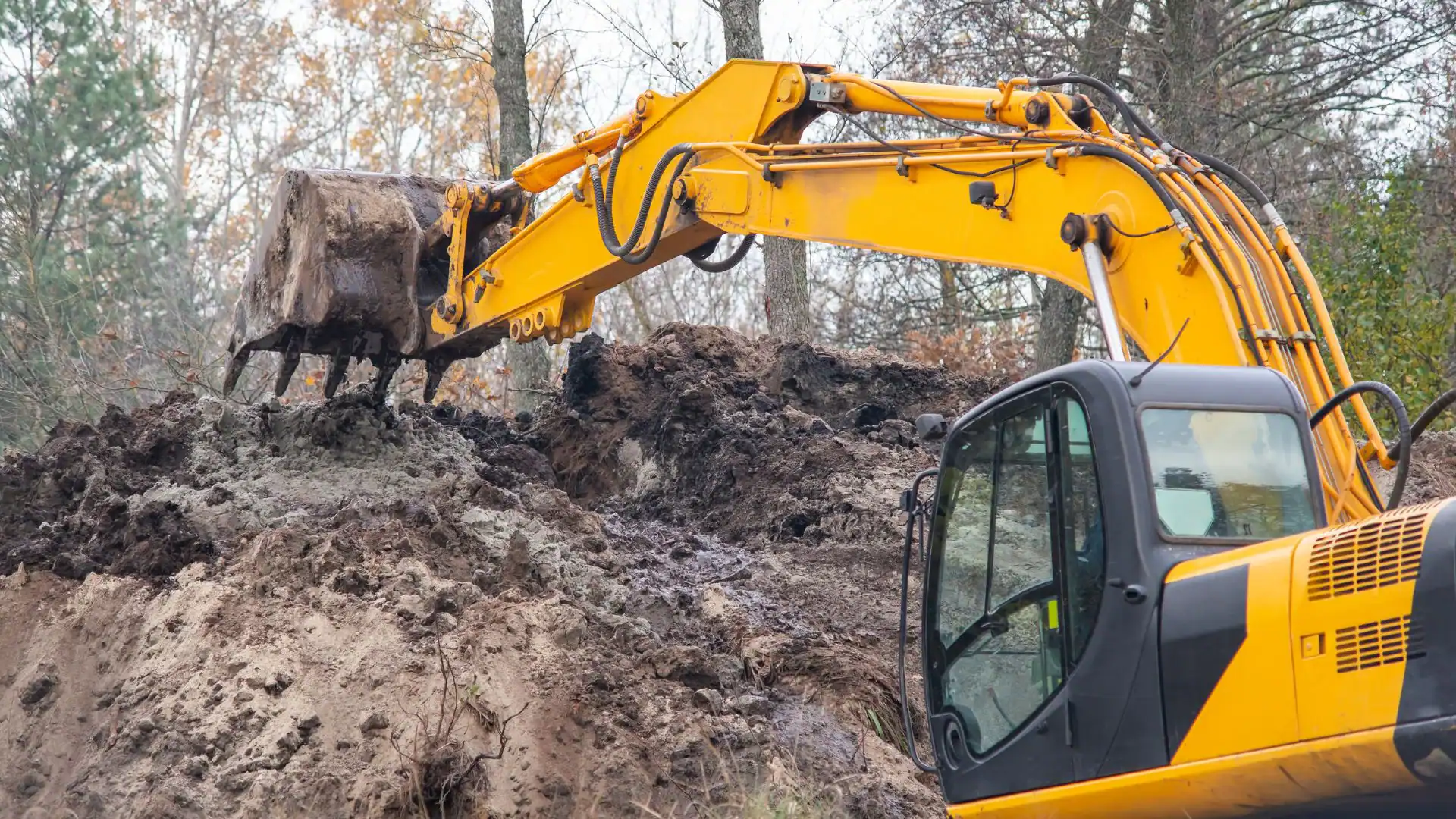
Fort Salonga properties aren’t typical Long Island lots. You’re dealing with rolling, glacially-formed terrain, mature tree canopy, and subsoil that’s heavy with the same red clay that once powered the hamlet’s historic brickworks industry. That clay drains poorly, shifts with moisture, and makes excavation genuinely harder than what you’d find on a flat South Shore lot. When it’s not accounted for from the start, you end up with drainage problems, unstable grades, and a finished project that creates more headaches than it solves.
The stakes are higher here because the property values are higher. A home in Fort Salonga is worth well over a million dollars. The mature trees, the natural slope, the wooded privacy those aren’t just aesthetic features, they’re part of what you paid for. A contractor who doesn’t respect that can do real, lasting damage to a property that took years to establish. The right excavation work protects all of that while still delivering exactly what you’re building toward.
Whether you’re putting in a pool on a sloped lot in Point of Woods, preparing a pad for an addition on a wooded Salonga Seas property, or fixing a drainage situation that’s been getting worse every spring, the outcome you’re after is clean, precise work that leaves your land better than it found it. That’s what residential excavation services in Fort Salonga, NY should look like.
We’re a licensed and insured excavation contractor serving Fort Salonga, NY and the broader North Shore of Long Island. We work on the kinds of properties that are common here large lots, significant grade changes, clay-heavy subsoil, and proximity to protected areas like the Crab Meadow Watershed. That context shapes how we plan every job before equipment touches the ground.
Fort Salonga sits across two township boundaries, which means your excavation permit might come from the Town of Huntington’s Building and Housing Division or the Town of Smithtown’s Building Department depending on which side of Bread and Cheese Hollow Road your property falls on. We know both regulatory environments and handle permit coordination as part of the job, not as an afterthought.
You’re not hiring a company that treats your property like a production line. You’re hiring a team that understands what’s at stake on a North Shore lot and operates accordingly carefully, precisely, and with the full scope of local knowledge that this area genuinely requires.

It starts with a site visit. Before we quote anything, we look at the actual conditions the grade, the soil, the access points, the proximity to trees or existing structures, and anything that might affect how the work gets done. On Fort Salonga properties, that walkthrough almost always turns up something a phone conversation wouldn’t catch. Clay subsoil, unexpected grade changes, root systems near the dig zone these things matter, and they affect the plan.
Once we’ve assessed the site, you get a detailed written quote that covers everything: scope of work, equipment, spoil removal, erosion controls, site cleanup, and what happens if something unexpected comes up mid-job. Nothing gets started until that’s agreed upon in writing. If your property falls within the Town of Smithtown’s jurisdiction, we comply with their Minor Excavations and Regrading code provisions. If it’s on the Huntington side, we work through their Building and Housing Division. Either way, we complete the required New York 811 utility notification before any ground is broken that’s not optional, and we treat it accordingly.
The work itself is planned around your property, not just the target area. Access routes are chosen to protect lawns and tree roots. Spoil is managed and removed efficiently so your driveway and landscaping aren’t buried under excavated material for weeks. When the job is done, the site is clean, the grade is right, and you’re ready for whatever comes next.
Ready to get started?
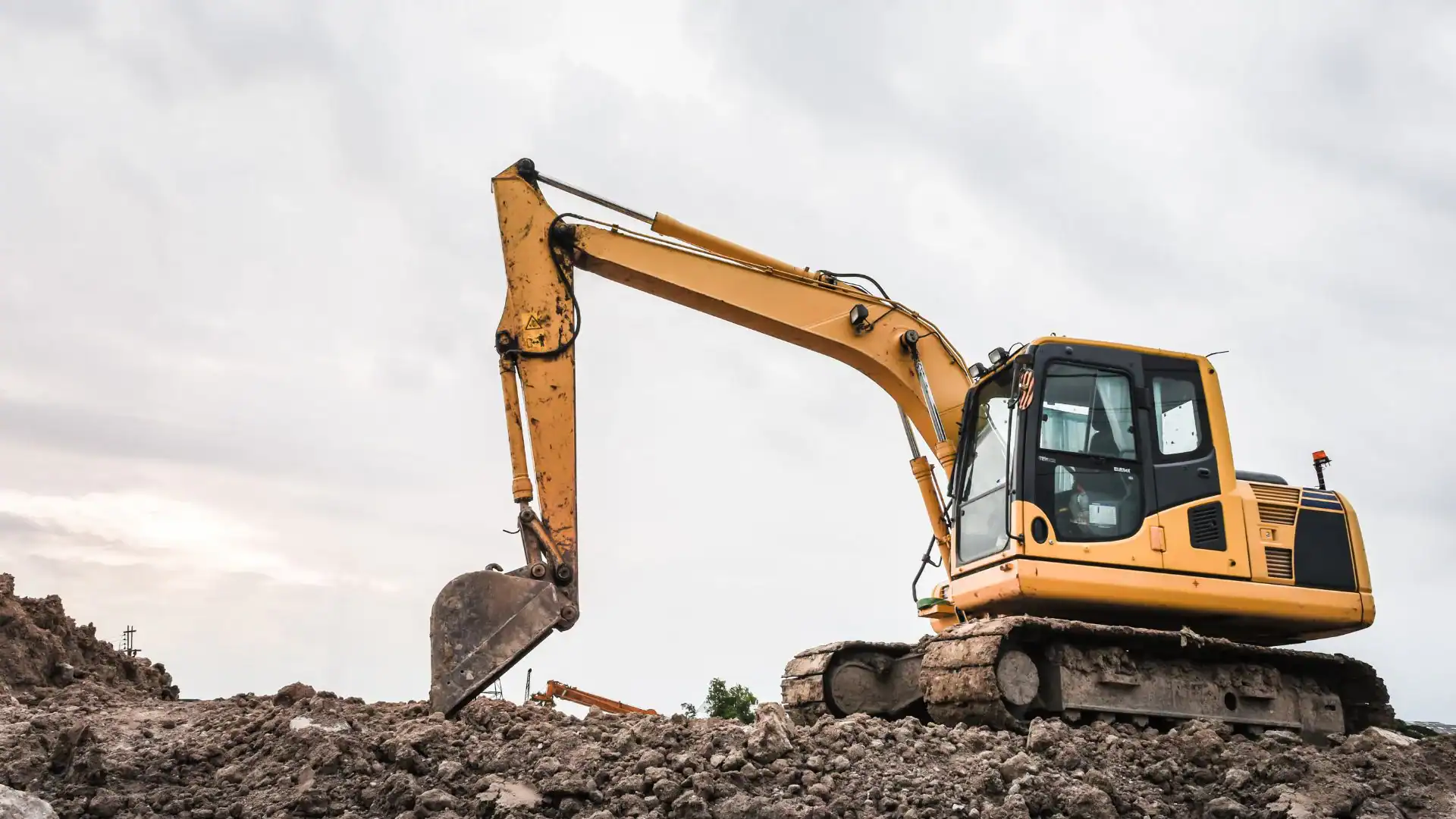
The excavation and grading services we deliver in Fort Salonga, NY cover the full range of what residential and commercial properties here actually need. Pool excavation on sloped or wooded lots. Site preparation for additions and new structures. Drainage corrections for properties dealing with the runoff and saturation issues that come with clay-heavy soil and rolling terrain. Retaining wall excavation to manage grade changes. Driveway preparation and regrading. Utility trenching. Dig and haul services that get excavated material off your property cleanly and responsibly.
Every project in Fort Salonga gets treated as site-specific work, because it is. The northern sections of the hamlet near Crab Meadow Beach and the Crab Meadow Watershed sit adjacent to state-designated protected wetland areas, which means erosion and sediment controls aren’t optional on those jobs, they’re required. We implement them as standard practice on every site regardless, because runoff that damages a neighbor’s property or a protected drainage system is a problem that outlasts the project itself.
The dig and haul side of the operation matters more than people realize until they’re looking at a yard full of spoil and no clear plan for removal. Spoil in Fort Salonga is often clay-heavy and compacts when wet, which means it doesn’t disappear on its own. We include full material management from start to finish contained, hauled, and disposed of properly so your property is ready for the next phase of work without delay.
Yes, and the specific permit depends on which side of Fort Salonga your property sits on. The hamlet straddles the boundary between the Town of Huntington and the Town of Smithtown, divided roughly at Bread and Cheese Hollow Road. If your property falls within Huntington’s jurisdiction, excavation and site preparation work is overseen by the Town of Huntington’s Building and Housing Division. If you’re on the Smithtown side, the Town of Smithtown Building Department applies and they have specific code provisions governing minor excavations and regrading, including requirements around sidewall stability and retaining structure approvals.
Most homeowners don’t know which municipality governs their parcel until they look it up or ask someone who works in the area. We handle permit coordination as part of the job. We identify the correct jurisdiction, pull the appropriate permits, and ensure your project is documented and compliant before any work begins. You don’t need to navigate two different building departments on your own.
Fort Salonga’s subsoil is shaped by its glacial history, and a significant portion of it is clay-rich the same red clay deposits that supported a thriving brickworks industry in the hamlet after the Civil War. Clay behaves very differently from the sandy soils you’d find further east or on the South Shore. It’s denser, harder to dig through, drains poorly, and expands and contracts with changes in moisture. That last point is especially relevant for foundations, driveways, and any grade work near existing structures.
In practical terms, clay soil often means going deeper than standard to reach stable, workable ground and it means drainage planning is not optional. If you’re installing a pool, preparing a building pad, or regrading a sloped lot, the drainage solution has to account for how water moves through clay-heavy subsoil, not just how it moves across the surface. Getting that wrong leads to pooling, erosion, and structural issues down the road. We assess soil conditions during the site visit and build the approach around what’s actually in the ground, not what a standard estimate would assume.
Work near the Crab Meadow Watershed and the protected wetland areas along Fort Salonga’s northern shoreline requires careful handling. The Crab Meadow Watershed covers approximately 3,560 acres and includes 300 acres of salt marsh designated as a Significant Coastal Fish and Wildlife Habitat by the New York State Department of State. Properties near Crab Meadow Beach, Waterside Road, and the Sound shoreline may fall within or adjacent to buffer zones that carry specific environmental restrictions on excavation, grading, fill placement, and vegetation removal.
That doesn’t mean excavation can’t be done near these areas it means it has to be done correctly. Erosion and sediment controls are required, not optional. Depending on the proximity to the protected area, additional environmental review or permits beyond standard building department approvals may be necessary. We implement erosion controls as standard practice on every job, and we’re familiar with the state and local environmental requirements that apply to work near Fort Salonga’s waterfront sections. If your property is near the water, we’ll identify the applicable constraints during the site assessment before any commitments are made.
Pool excavation on a sloped lot is meaningfully more complex than digging a flat rectangular hole in level ground. Fort Salonga’s rolling, glacially-formed terrain means that many residential lots have significant grade changes sometimes across the footprint of the pool itself. That requires cut and fill work to establish a level pad, careful management of the excavated material, and attention to how the finished grade will drain water away from the pool structure and surrounding area.
On top of the topographic challenges, Fort Salonga’s clay-heavy subsoil affects how deep you need to go to reach stable ground and how the excavated walls behave during and after digging. Clay sidewalls can shift, especially when saturated, which is why proper shoring and slope management matters. The Town of Smithtown’s code specifically addresses sidewall stability in excavation work, requiring that walls either maintain a naturally stabilized slope ratio or be supported by approved retaining structures. A pool permit from the applicable building department either Huntington or Smithtown depending on your parcel is required before work begins. We coordinate all of that and make sure the excavation is done to the spec your pool contractor needs to move forward without delays.
It depends on the scope, but most residential excavation projects in Fort Salonga run anywhere from one day for straightforward utility trenching or smaller grading work to several days for pool excavation, site preparation for an addition, or drainage correction on a larger lot. The clay-heavy subsoil common to this area can slow digging compared to sandier ground, and sloped lots with significant grade changes require more careful planning and execution than flat sites.
Seasonal timing also plays a role. Spring in Fort Salonga brings saturated soil conditions from thaw and rainfall, which can make clay particularly difficult to work with and creates site access challenges on larger lots. Summer is the peak season for pool and addition work, and booking windows fill up quickly. Fall is a strong window for drainage work and site preparation before the ground hardens. If you’re planning a project, reaching out early to confirm availability and get a start date committed is the most reliable way to protect your timeline especially if you’re coordinating around a pool contractor, builder, or landscaper who’s waiting on the excavation to be completed first.
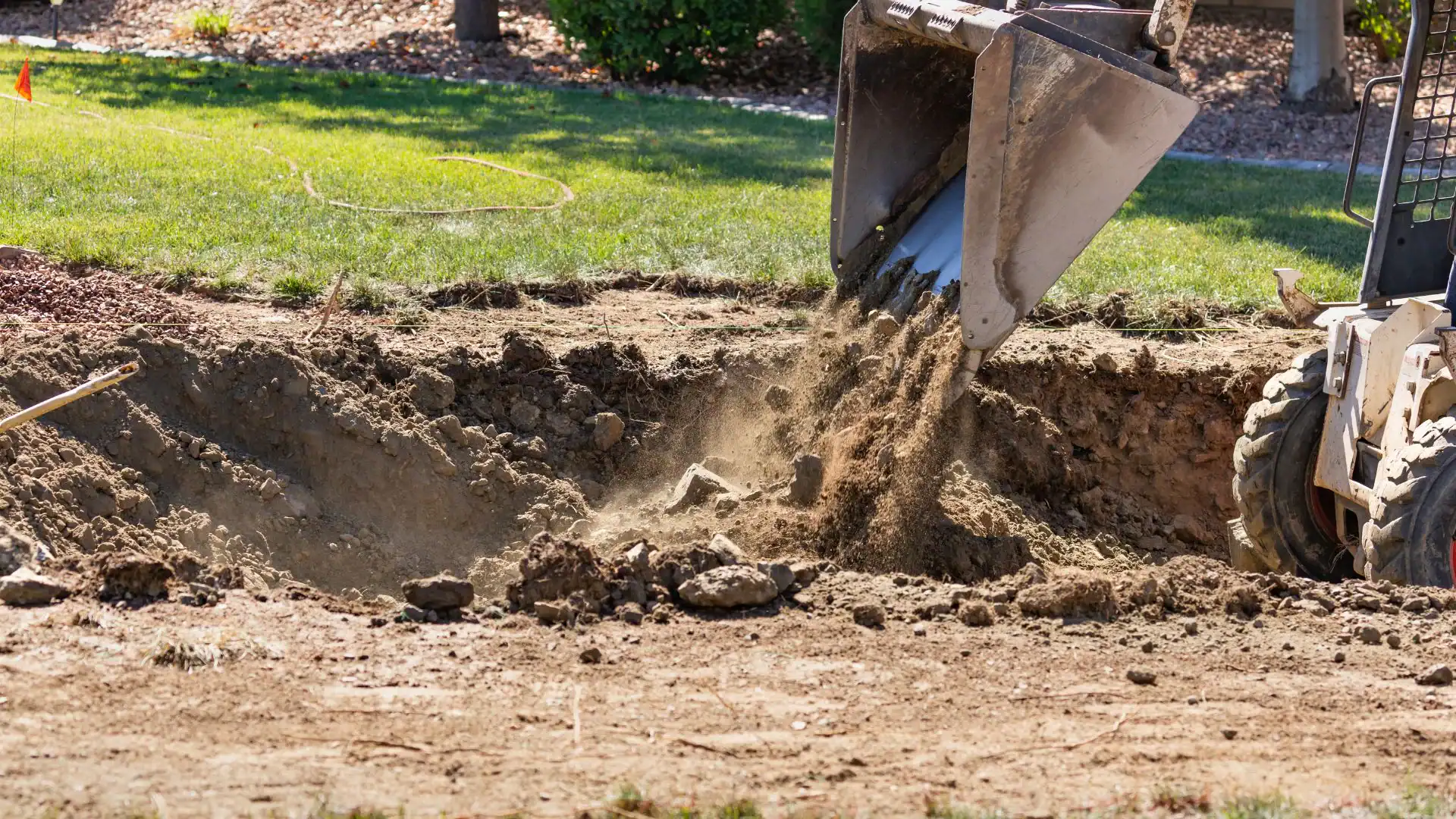
Spoil management is something a lot of homeowners don’t think about until they’re looking at a large pile of excavated clay sitting on their driveway with no clear plan for what happens next. On Fort Salonga’s large residential lots, improper spoil handling can damage lawns, block access, and create drainage problems that persist well after the job is technically finished. Clay spoil in particular is heavy, compacts when wet, and doesn’t just disappear on its own.
We include spoil containment, removal, and responsible disposal as part of the excavation and grading services we deliver in Fort Salonga, NY. We plan the removal logistics before the job starts not as a scramble at the end. Material is staged appropriately during the dig to avoid unnecessary damage to surrounding turf and landscaping, then hauled off-site and disposed of correctly. When the job wraps, your property is clean and accessible. You’re not left managing the aftermath of the excavation on top of coordinating the next phase of your project.