
Hear from Our Customers
When your basement stays dry, you stop losing square footage to buckets, mold, and anxiety every time it rains. You get back usable space, peace of mind, and a home that holds its value which matters a lot when Fort Salonga homes are selling anywhere from $600,000 to well over a million dollars. A wet basement doesn’t just affect your comfort. It shows up on inspection reports, it stalls closings, and it gives buyers leverage they shouldn’t have.
Fort Salonga sits on the Harbor Hill Moraine and that means clay-heavy soil that swells against your foundation walls when it’s wet, then pulls away and cracks when it dries. That cycle repeats every season, and it’s why so many homes here that were built in the 1950s, 60s, and 70s are now dealing with water intrusion that their original construction was never equipped to handle. The fix isn’t complicated once you understand what’s actually driving it but it does need to be done right.
A properly waterproofed basement also means your sump pump isn’t running on borrowed time every nor’easter that rolls off the Sound. With the right interior drainage system and a battery backup pump in place, a storm that knocks out your power doesn’t knock out your basement’s protection.
We’re a Long Island waterproofing and foundation contractor, and our name isn’t accidental. Fort Salonga is the easternmost community of the historic Gold Coast and this is the ground we work on. We’re not a national franchise routing calls through a call center. We’re a local crew that understands the specific conditions on the North Shore: the moraine soils, the coastal moisture, the older housing stock, and the drainage challenges that come with it.
Fort Salonga straddles two towns Huntington to the west of Bread and Cheese Hollow Road, Smithtown to the east. That means permit requirements can differ depending on which side of that line your home sits. We know both jurisdictions and handle that process correctly from the start, so you don’t run into delays or compliance issues mid-project.
Whether your home is near Crab Meadow, off Pulaski Road, or tucked into the wooded lots closer to Breeze Hill Road, we’ve seen what this area’s soil and weather do to foundations and we know how to fix it.
It starts with a free in-home inspection not a phone estimate, not a ballpark based on your zip code. We come to the property, look at the foundation, assess the soil conditions, check your current drainage setup, and identify exactly where water is getting in and why. In Fort Salonga, that often means looking at how surface runoff is moving across your lot given the moraine’s rolling terrain, and whether your sump pump basin is positioned and sized correctly for the volume your yard generates after a heavy rain.
From there, we walk you through what we found and what we recommend in plain language. If it’s a foundation crack that needs sealing, we’ll tell you that. If it needs an interior drainage channel and a new sump pump, we’ll explain why and what that involves. We don’t push the most expensive solution. We recommend what the situation actually calls for.
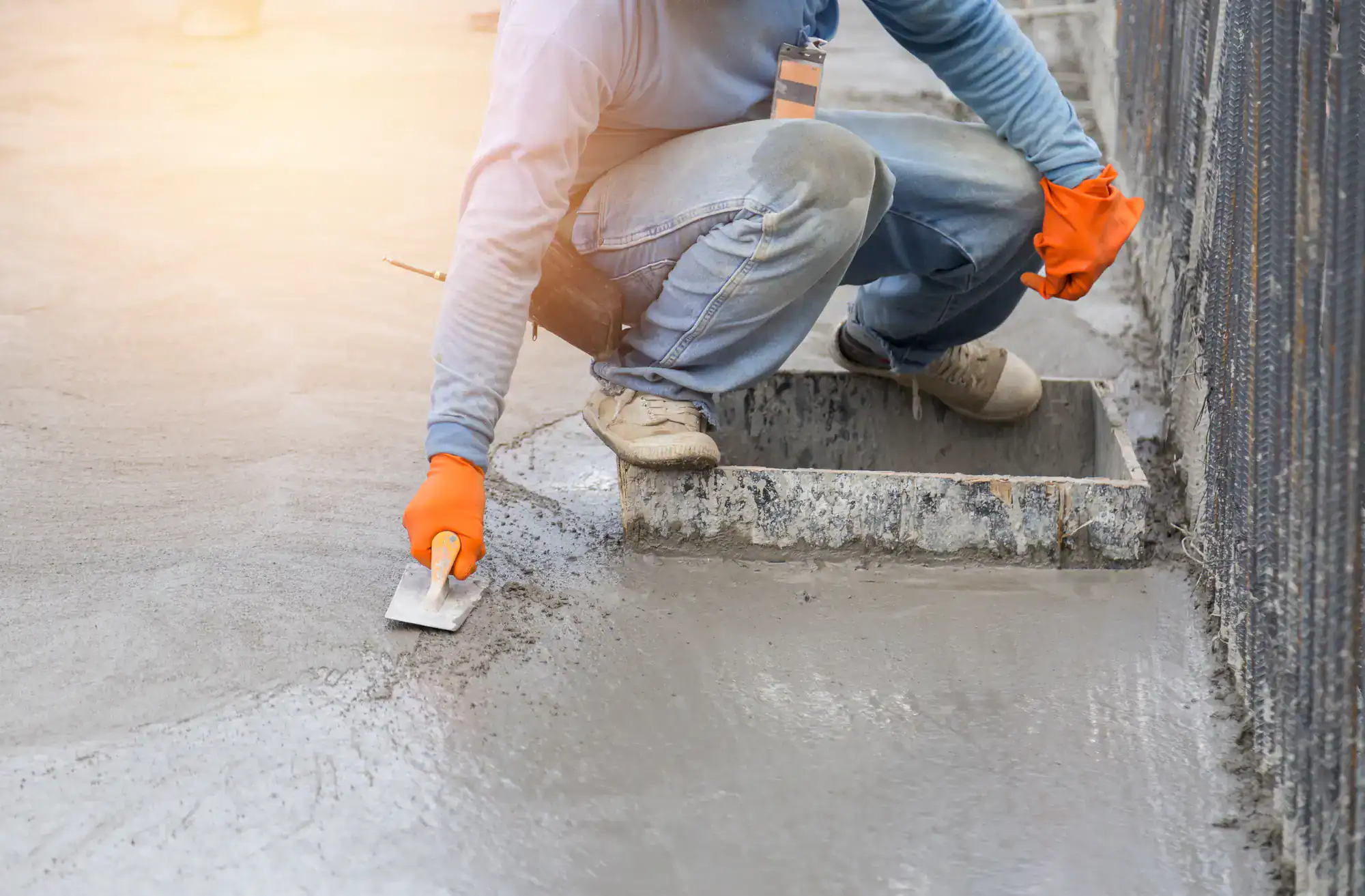
Once you approve the scope, we schedule the work and get it done. Interior waterproofing work typically doesn’t require excavation, which keeps the project cleaner and faster. For homes on the Huntington or Smithtown side of Fort Salonga, we pull the appropriate permits before any work begins. When the job is complete, you get a written warranty and if you ever sell the home, that warranty transfers to the next owner.
Ready to get started?
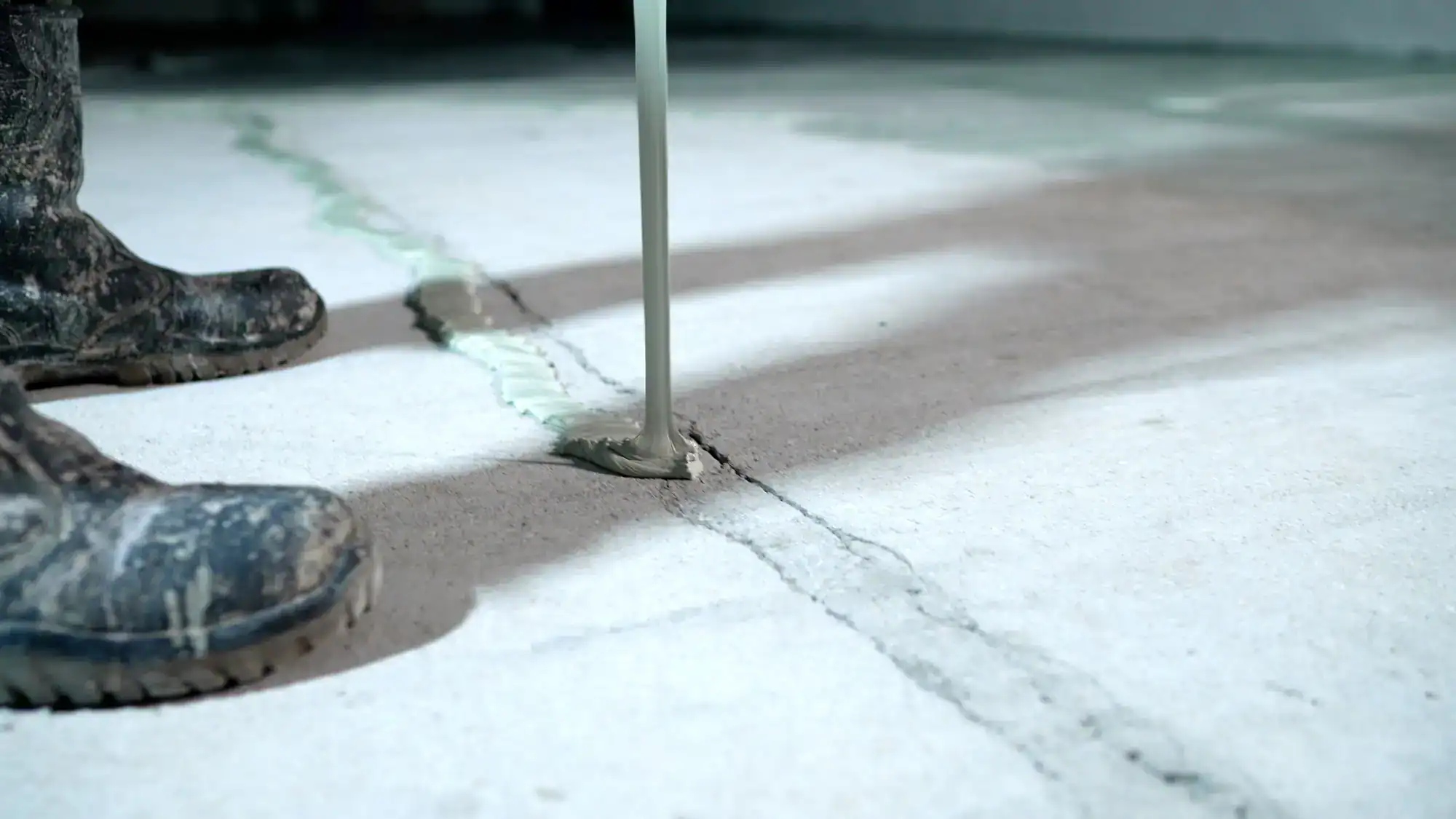
Basement waterproofing in Fort Salonga isn’t one-size-fits-all, and the work we do reflects that. Foundation crack sealing addresses what’s often the first and most treatable stage of water intrusion before freeze-thaw cycles this winter widen a hairline crack into something that costs ten times more to fix. We use epoxy and polyurethane injection to fill cracks from the inside out, restoring the foundation’s integrity and stopping the seasonal progression that the North Shore’s winters accelerate.
For basements dealing with more significant water entry seepage through walls, water pooling on the floor after rain, or persistent dampness regardless of the season interior basement waterproofing is typically the right call. That means a perimeter drainage channel installed at the base of the foundation wall, a properly sized sump pump basin, and a discharge line routed to the exterior in compliance with local stormwater requirements. For homes near the documented drainage problem area at Bread and Cheese Hollow Road and Pulaski Road, we pay particular attention to how groundwater is moving through the surrounding soil and whether the system needs to account for above-average subsurface water volume.
We handle sump pump installation including battery backup systems as part of what we do, and it’s not an afterthought. On the North Shore, losing power during a nor’easter is a real scenario. A battery backup unit keeps your system running when the grid doesn’t.
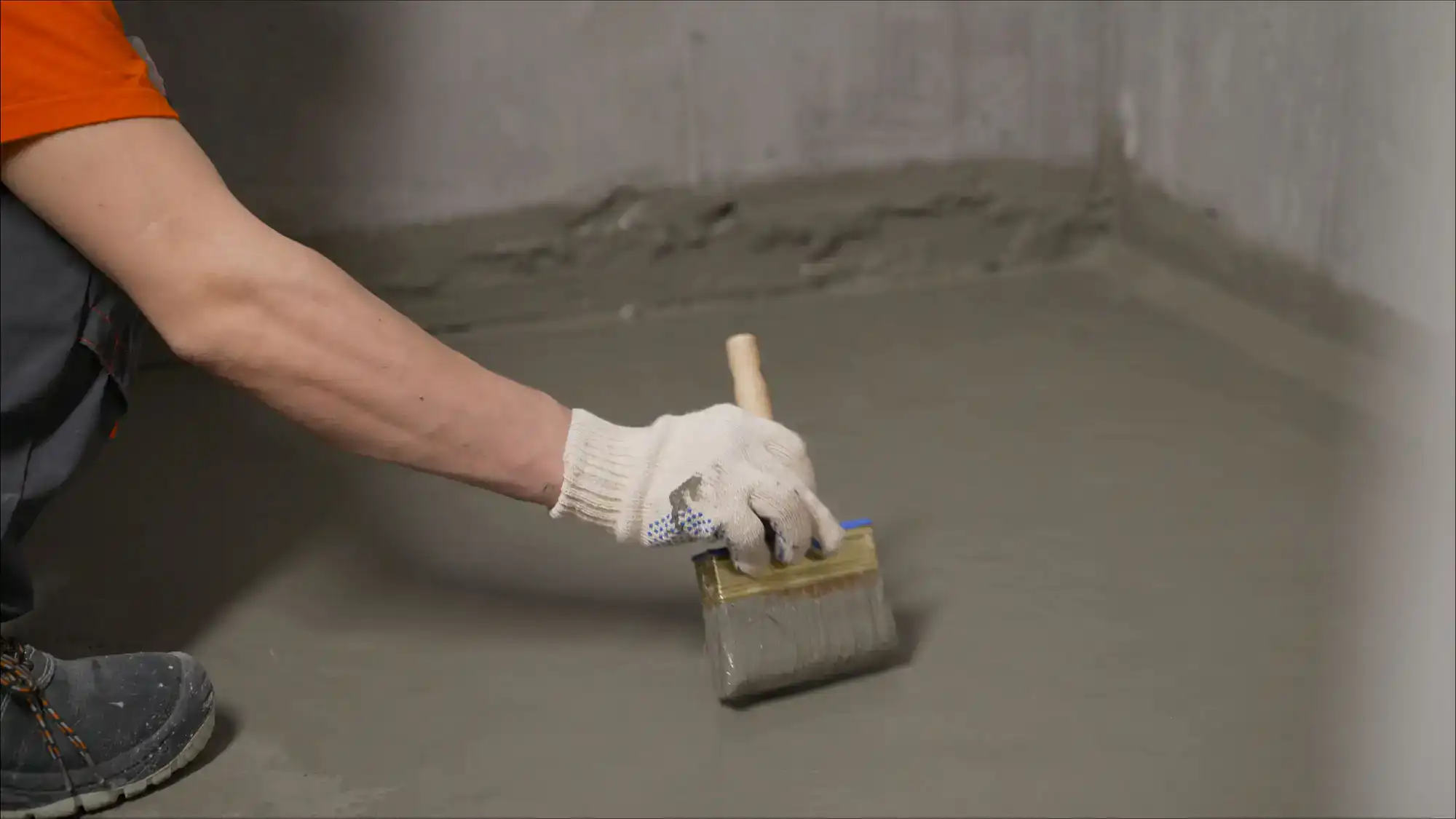
Spring is peak water intrusion season on the North Shore, and Fort Salonga’s geology is a big part of why. The clay-heavy soils that sit on top of the Harbor Hill Moraine absorb a significant amount of water during snowmelt and spring rain and because clay doesn’t drain quickly, that saturated soil stays pressed against your foundation walls for days or weeks at a time. That sustained pressure is what forces water through cracks, mortar joints, and the cold joint where your floor meets the wall.
If your basement leaks every spring but seems fine the rest of the year, it doesn’t mean the problem is minor it means the conditions that trigger it are seasonal. The underlying cause is still there, and it will get worse over time as freeze-thaw cycles widen existing cracks and the soil’s expansion-contraction cycle creates new entry points. Getting an inspection done in late summer or fall before the next freeze season is the most cost-effective time to address it.
The short answer is: it depends on the scope of work, and anyone who gives you a firm number over the phone without seeing the foundation isn’t giving you a real quote. That said, here’s a realistic range to work with. Foundation crack sealing typically runs $800 to $1,500 per crack depending on the length, depth, and access. Interior basement waterproofing with a perimeter drainage system and sump pump installation in an average Fort Salonga basement generally falls in the $5,000 to $12,000 range, though larger basements or more complex water problems can push that higher.
What drives the cost up is usually the size of the basement, the number of walls affected, whether the existing sump pump needs to be replaced or relocated, and any permit fees required by the Town of Huntington or Town of Smithtown depending on which side of Bread and Cheese Hollow Road your home sits. We give you a written, itemized estimate after the inspection no surprises, no add-ons after the fact.
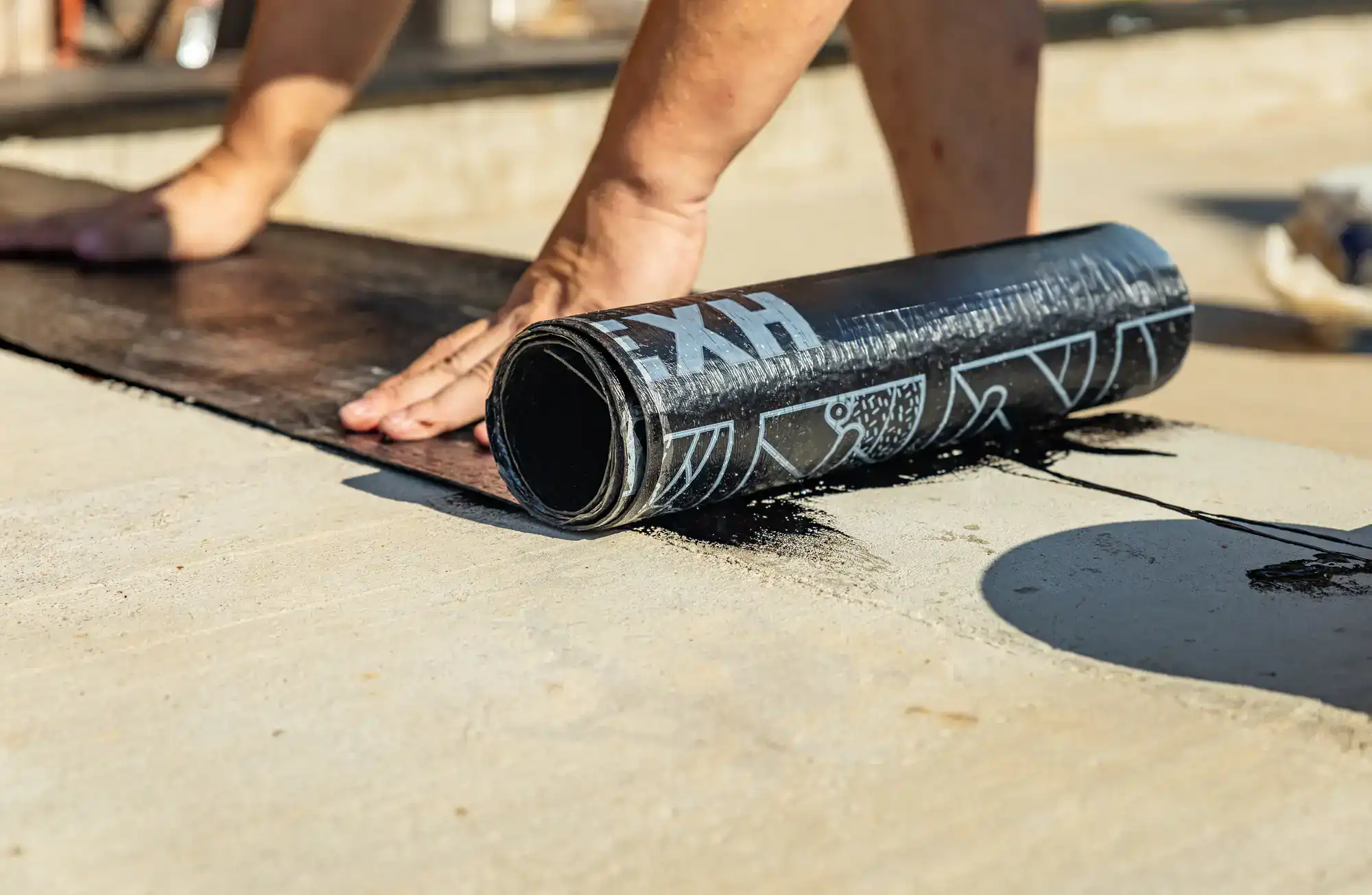
Interior waterproofing is a legitimate, long-term solution but it’s worth understanding what it does and doesn’t do. It doesn’t stop water from reaching your foundation. What it does is manage that water effectively so it never enters your living space. A properly installed interior drainage system collects water at the perimeter, channels it to a sump basin, and pumps it out before it can cause damage. When it’s installed correctly and maintained, that system can last the life of the home.
What makes it a real fix rather than a temporary patch is the combination of components working together: the drainage channel, the sump pump, and critically a battery backup system for when power goes out during a storm. For Fort Salonga homes, where nor’easters can knock out power and dump several inches of rain in a short window, that backup unit isn’t optional. It’s the part that keeps the system working exactly when you need it most.
It depends on the scope of work and which side of Fort Salonga your home is on. Because the hamlet straddles two towns Huntington to the west of Bread and Cheese Hollow Road and Smithtown to the east the permit requirements are governed by two different building departments. Work that involves breaking concrete, installing a drainage system, or modifying how water is discharged from the property typically requires a permit in both jurisdictions, though the specific thresholds and requirements can differ.
Crack sealing alone generally doesn’t require a permit. But if you’re having an interior drainage system installed or a new sump pump added with an exterior discharge line, it’s worth confirming with the appropriate town before work begins. We handle that process as part of the job we know both municipalities and pull the correct permits based on your property’s location. You don’t have to figure out which town you fall under or navigate the building department yourself.
The difference usually comes down to where the water is entering and how much of it there is. If you have a single visible crack in a poured concrete wall and water is tracking in specifically at that point, crack injection epoxy or polyurethane depending on whether the crack is active or dormant is often all you need. It’s targeted, it’s cost-effective, and when done correctly it restores the structural integrity of that section of wall.
If you’re seeing seepage across a broader section of wall, efflorescence (that white chalky residue), or water coming up through the floor along the perimeter, that’s a sign that hydrostatic pressure is pushing water through the wall at multiple points not just one crack. That’s when a full interior waterproofing system makes more sense than trying to seal individual spots. In Fort Salonga’s clay-heavy soil environment, where pressure builds against the entire foundation perimeter during wet seasons, wall-wide seepage is actually more common than isolated crack leaks in older homes. An inspection will tell you which situation you’re dealing with.
For most Fort Salonga homes, interior basement waterproofing takes one to two days to complete. Foundation crack sealing on its own can typically be done in a few hours, depending on how many cracks are being addressed and their location. The longer jobs full perimeter drainage systems with sump pump installation usually run a full day for an average-sized basement, sometimes two days for larger footprints or more involved layouts.
One thing that can affect the timeline in Fort Salonga specifically is the permitting process. Homes on the Huntington side of the hamlet go through the Town of Huntington’s building department; homes on the Smithtown side go through Smithtown’s. We account for permit lead times when we schedule the work, so the job doesn’t start until everything is properly approved. We’ll give you a realistic timeline when we walk through the estimate including when we can get on the schedule, how long the work itself will take, and what to expect in terms of access to your basement during and after the job.