Hear from Our Customers
The most expensive excavation mistake isn’t the one you see on the invoice it’s the one that shows up six months later. A poorly graded lot in Port Jefferson Station holds water after every storm. Sandy soil that wasn’t properly compacted shifts under a foundation or patio.
When the earthworks are done correctly from the start, those problems don’t happen. Port Jefferson Station sits on North Shore Long Island’s glacial outwash terrain sandy, well-draining soil that excavates quickly but moves just as fast if it isn’t managed properly.
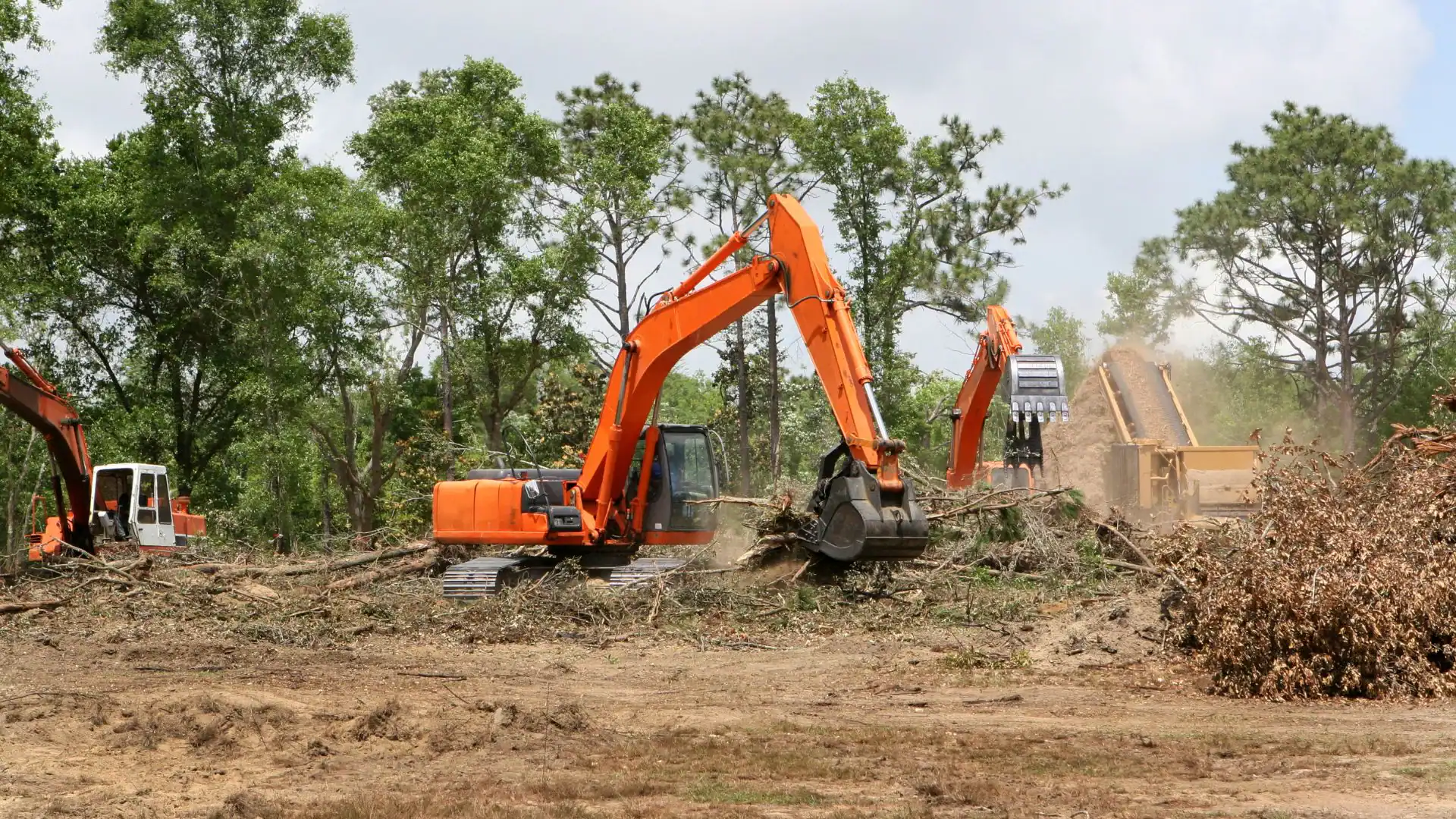
We’re a full-service excavation contractor serving Port Jefferson Station and the surrounding communities across Suffolk County. Our work covers the complete earthworks scope land clearing, cut and fill, dig and haul, trenching, grading, and retaining walls.
Port Jefferson Station has its own set of requirements that a contractor either knows or doesn’t. The Town of Brookhaven has specific permitting processes for excavation, grading, and drainage work. Properties near wetland areas in the Brookhaven jurisdiction require additional review.
It starts with a site visit, not a phone estimate. Port Jefferson Station lots vary a tight infill property near Route 112 has completely different access, soil depth, and drainage considerations than a larger clearing job on the outskirts of the hamlet.
Once the scope is confirmed, NY 811 notification goes in mandatory under New York State law, filed at least two business days before any ground is broken. This covers the utility infrastructure running beneath Port Jefferson Station’s established residential streets and commercial corridors.
Ready to get started?
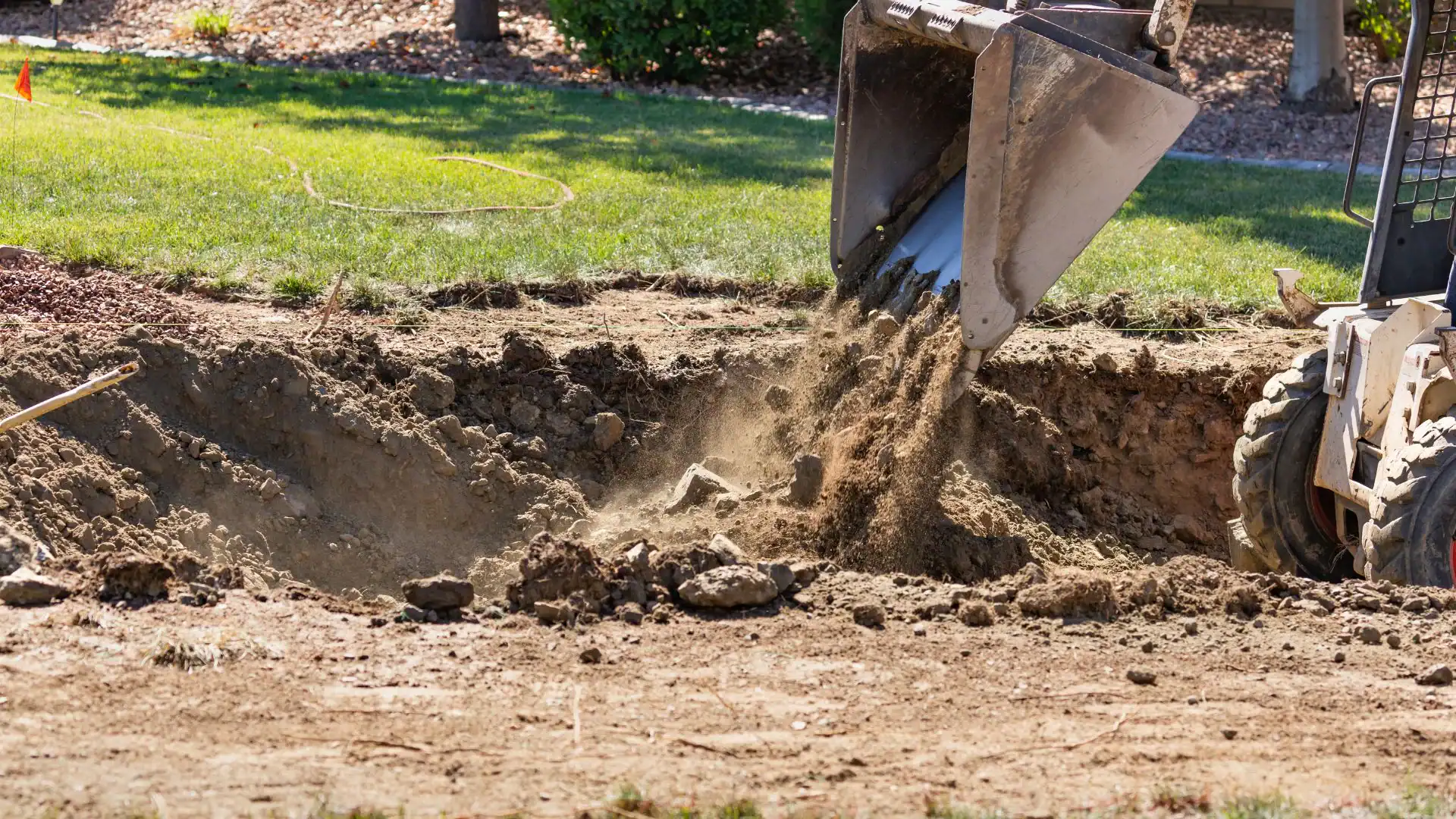
We handle the full range of excavation work that Port Jefferson Station generates residential and commercial, new construction and existing property improvements. On the residential side, that includes site preparation for new builds, foundation excavation, pool excavation, drainage correction, and more.
On the commercial side, the Route 112 and NY 347 corridors, along with the light-industrial zone on Industrial Road, generate consistent demand for site preparation, utility trenching, parking lot grading, and commercial earthworks. Our equipment range and operator experience covers both ends of that spectrum.
Whether you need a permit depends on the scope of the work. Port Jefferson Station falls under the Town of Brookhaven’s building and land use jurisdiction. The Town requires building permits for new construction, additions, and any excavation tied to foundation work.
Significant grading or drainage modifications that alter how water moves across a site may require separate approvals from Brookhaven’s Building or Engineering divisions. If your project involves any septic system work installation, replacement, or modification you’ll need approval from the Suffolk County Department of Health Services.
NY 811 also called Dig Safely New York is New York State’s mandatory utility notification system. Before any excavation begins, contractors are legally required to notify NY 811 at least two business days in advance.
Once notified, the relevant utility companies mark the locations of underground gas lines, electrical infrastructure, water mains, and more. This isn’t optional, and it isn’t a formality. Striking an unmarked utility line during excavation creates serious safety risks and significant legal liability for the property owner.
Port Jefferson Station sits on North Shore Long Island’s glacial outwash terrain, where sandy, well-draining soils are the norm. Sandy soil excavates relatively quickly compared to clay-heavy or rocky ground, which can work in your favor on timeline and equipment costs.
But it also creates specific challenges that need to be managed properly throughout the job. Without proper erosion controls in place during active excavation material migrates off-site with rainfall, creating drainage issues and potential liability for neighboring properties.
Duration depends on the scope, but for a typical residential project in Port Jefferson Station site preparation for a new build, pool excavation, or drainage correction the active excavation phase generally runs anywhere from one day to a week.
What affects that range most is site access, the volume of material being moved, whether dig and haul is required, and how much grading work follows the initial cut. Planning ahead, especially if you’re working toward a builder-imposed start date, is the most effective way to keep the overall project on schedule.
Cut and fill means the excavated material stays on-site and gets redistributed soil is cut from higher areas and used to fill lower areas. It’s cost-effective when your site has the right volume of usable soil and the grade change works in your favor.
Dig and haul means the excavated material is removed from the property entirely and hauled off-site. This is necessary when the soil isn’t suitable for reuse, or when there’s more material than the site can absorb. We identify which approach your project requires during the site visit.
Late spring through early fall roughly May through October is the most reliable window for excavation work in Port Jefferson Station. Ground conditions are stable, frost isn’t a factor, and site access with heavy machinery is generally straightforward.
Winter excavation in Port Jefferson Station is possible but comes with constraints. Frost depth on Long Island can reach up to 36 inches in a hard winter, which affects trenching, foundation work, and more. For planned projects, earlier scheduling gives you more control over when the work actually happens.
Other Services we provide in Port Jefferson Station