
Hear from Our Customers
When you’re preparing a Southampton property for construction, the cleared site isn’t the finish line it’s the starting line. Stumps still in the ground, debris pushed to the tree line, or clearing that crossed a wetlands buffer can stop a project cold before the first foundation pour. What you actually need is a site that a builder, surveyor, or landscape architect can walk onto and get straight to work.
Southampton’s geography makes this more complicated than most towns on Long Island. A significant portion of properties in Southampton sit within 100 feet of a wetland boundary whether that’s Shinnecock Bay, Mecox Bay, Noyac Bay, or one of the dozens of freshwater wetlands spread across the South Fork. Clearing that ignores those buffers doesn’t just create an environmental problem. It creates an enforcement problem, and those tend to surface at the worst possible moment.
The other reality is the vegetation itself. Inland Southampton parcels particularly in the areas north of Route 27 are frequently dominated by dense scrub oak, pitch pine, and a heavy layer of invasive species like Oriental bittersweet and Japanese knotweed that have had years to establish. Standard clearing equipment handles the easy stuff. What you need is a crew that knows what they’re looking at and how to clear it completely, not just push it back.
We operate across Long Island with a specific focus on the conditions, regulations, and expectations that come with working in Southampton and the surrounding South Fork communities. That means understanding Southampton Town’s Vegetation Protection Ordinance before quoting, identifying wetland boundaries before clearing begins, and knowing that properties inside the Village of Southampton carry an additional layer of tree protection under Chapter 107 including the requirement for a written permit from the Village Arborist before any work within 20 feet of a public tree.
This isn’t general knowledge. It’s the kind of detail that protects you from enforcement actions that catch property owners off guard when they’ve hired a contractor who didn’t check first.
From estate lots in Water Mill and Bridgehampton to raw parcels in North Sea and Noyack, we have the local terrain knowledge, the right equipment, and the regulatory awareness to deliver cleared sites that are genuinely ready for the next phase not just visually cleared and quietly non-compliant.
It starts with a site assessment. Before any equipment is scheduled, we review your property against Southampton Town’s current vegetation and wetlands regulations. If your parcel is near Shinnecock Bay, a freshwater wetland, or any protected water body, that 100-foot clearing buffer gets mapped before work begins not discovered mid-job. If the property is within the Village of Southampton, the additional tree ordinance requirements are checked at this stage too. This upfront review is what keeps your project moving without regulatory interruptions.
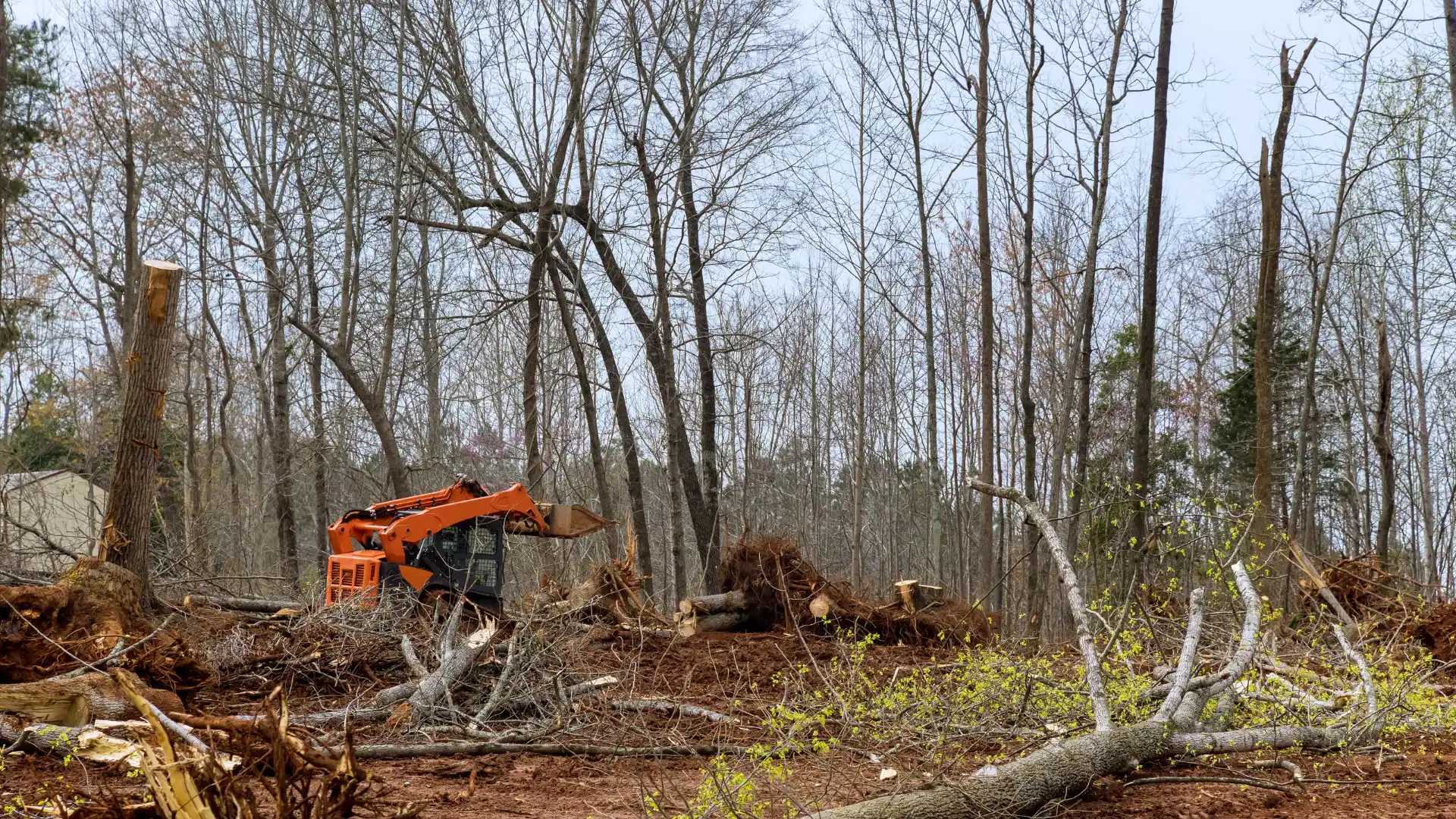
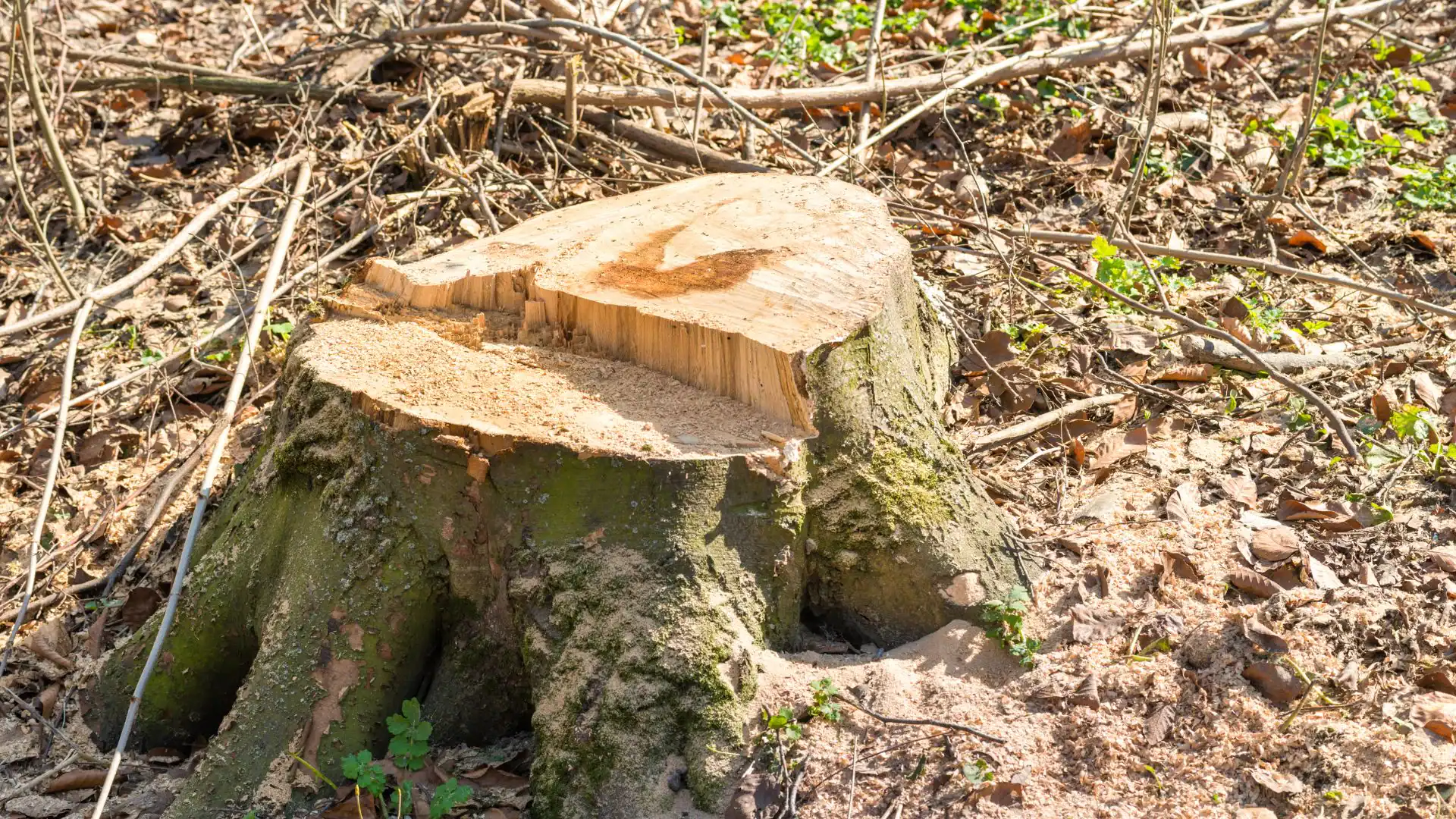
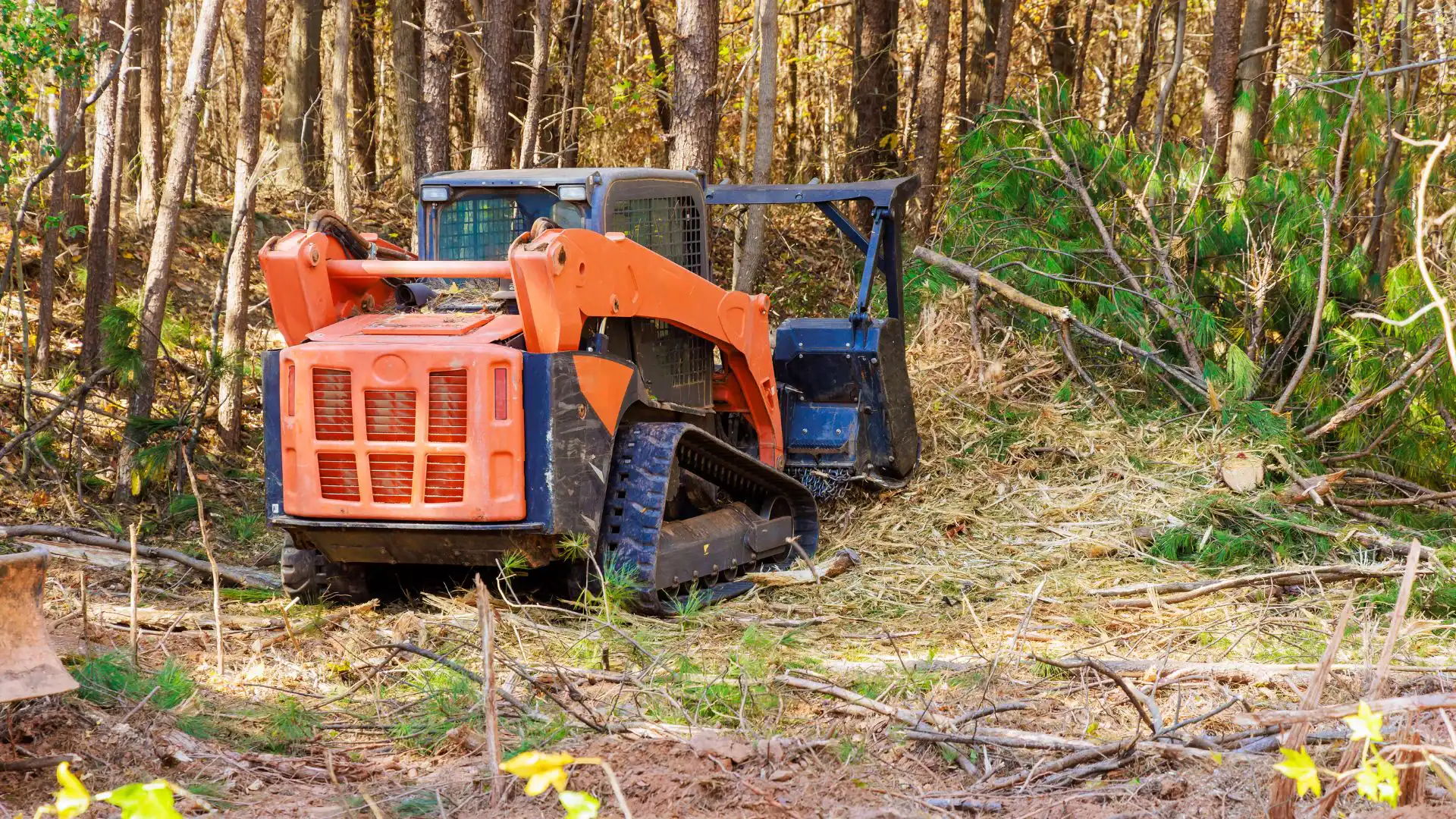
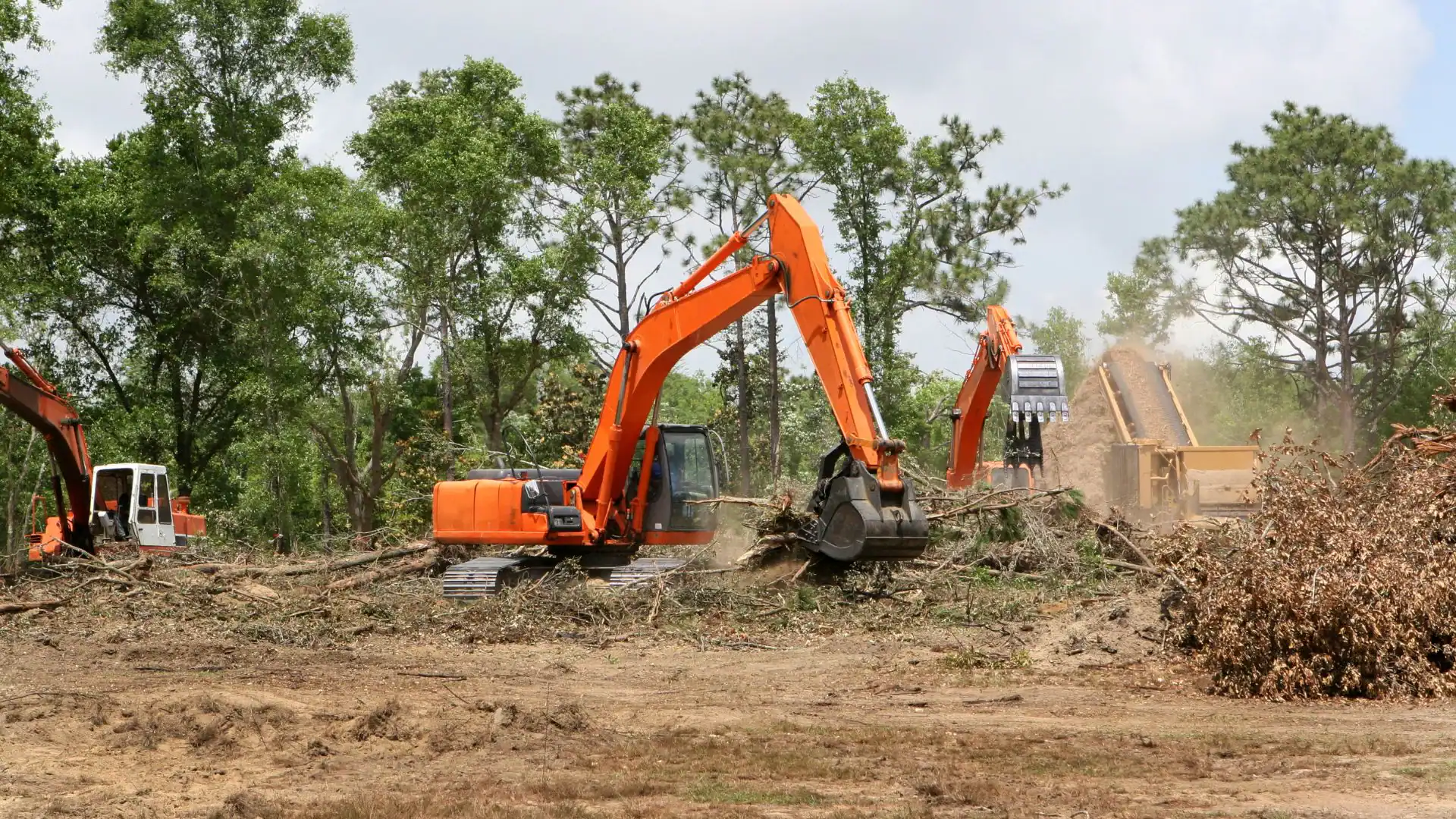
Once the scope is confirmed and any required approvals are in place, clearing begins systematically. Dense scrub oak, pitch pine, invasive species, overgrown brush, and existing vegetation are cleared using the right equipment for the terrain. Sandy soils in Southampton’s interior are erosion-prone, so sediment control measures are part of the process not an afterthought. Stumps are removed or ground below grade depending on what your next phase requires. Nothing gets pushed to a corner and left.
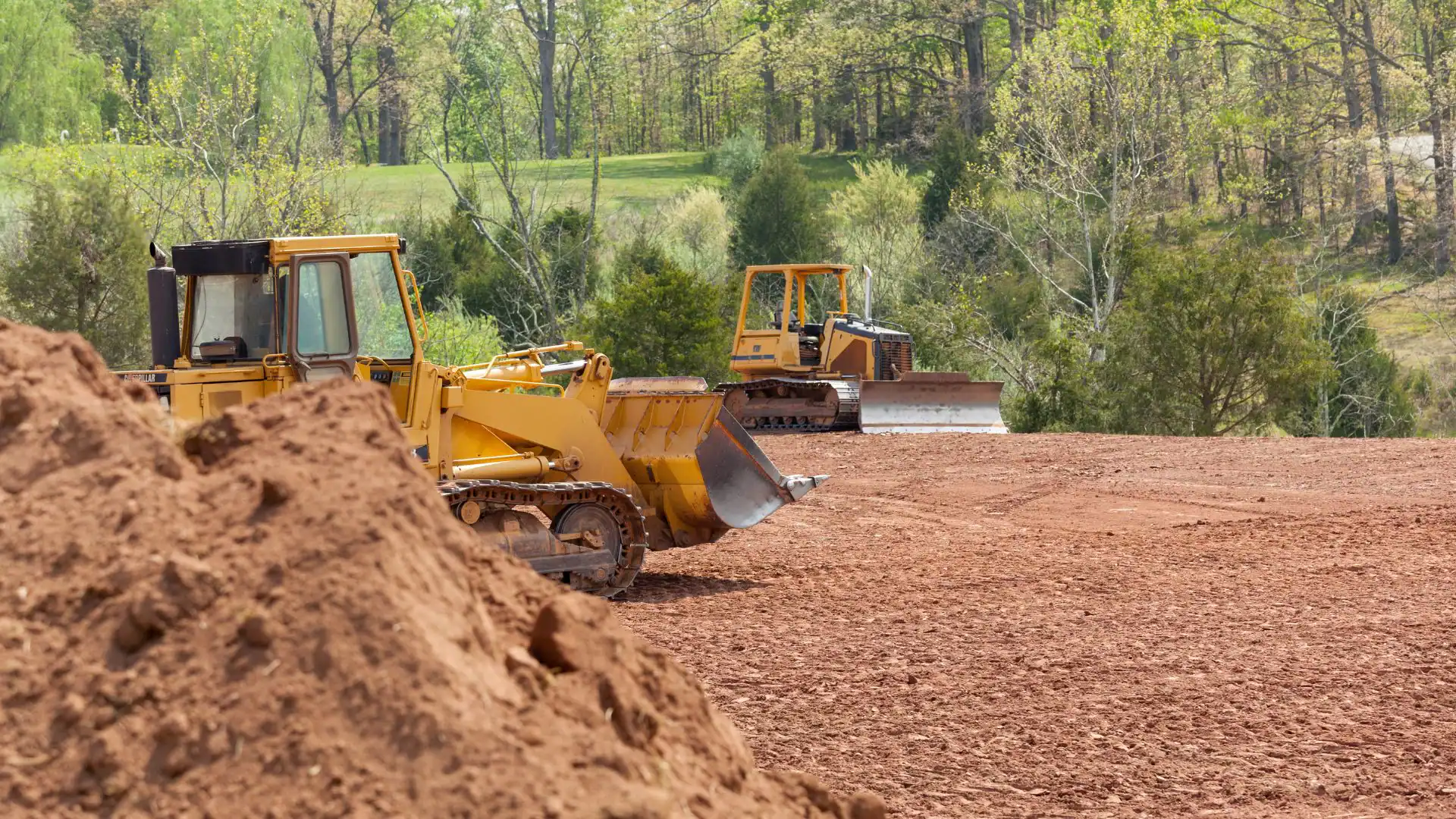
When the job is complete, all clearing debris is removed from the property. What’s left is a clean, level site that your builder, surveyor, or architect can access immediately. If you’re working against the Hamptons construction calendar which most Southampton property owners are that timeline is built into the project from the first conversation, not figured out after the equipment arrives.
Ready to get started?
Land clearing in Southampton isn’t one thing. A waterfront lot in Sag Harbor with phragmites colonizing the wetland margin needs a different approach than a five-acre inland parcel in Hampton Bays overrun with Oriental bittersweet and scrub oak. We handle the full range standard lot clearing services in Southampton, NY for parcels being prepared for new construction, brush clearing services in Southampton, NY for overgrown residential and estate properties, and full land reclamation services in Southampton, NY for neglected parcels that haven’t been actively managed in years.
For properties that have been held as investment land or left unmanaged through an ownership transition, land reclamation often means more than clearing what’s visible. It means systematic removal of invasive root systems, stump grinding, debris haulage, and grading the kind of comprehensive scope that gets a raw parcel to a genuinely usable condition rather than a superficially cleared one that re-establishes within a season.
Overgrown property clearing in Southampton, NY is also a common need for buyers who’ve acquired teardown properties where the existing vegetation has had years to take hold. In every case, the scope is confirmed in writing before work begins, the quote is itemized so you know exactly what you’re paying for, and the site is left clean when the job is done. No debris. No surprises on the invoice. No compliance issues left for you to sort out after the fact.
It depends on what you’re clearing, where the property sits, and whether you’re inside the Town of Southampton or the incorporated Village of Southampton. Southampton Town has a formal Vegetation Protection Ordinance that restricts the removal of vegetation under certain conditions, and the town’s wetlands regulations require a minimum 100-foot buffer between any clearing activity and the nearest wetland boundary. Given how many Southampton properties sit near Shinnecock Bay, Mecox Bay, Noyac Bay, or one of the town’s numerous freshwater wetlands, that buffer affects more parcels than most people expect.
If your property is within the Village of Southampton, an additional layer applies. The Village’s tree ordinance under Chapter 107 prohibits removing trees without authorization, and heritage trees carry absolute protection. Any work within 20 feet of a public tree requires a written permit from the Village Arborist. The short answer is: don’t assume you don’t need a permit. The right move is to have the property reviewed against current town and village code before any clearing begins which is exactly what we do before quoting any Southampton job.
Pricing for land clearing in Southampton depends on several factors: the size of the parcel, the density and type of vegetation, whether stumps need to be removed or ground, how much debris needs to be hauled off, and whether the site requires any erosion control measures given the sandy, erosion-prone soils common in Southampton’s interior. A straightforward residential lot clearing job on a well-maintained parcel will cost considerably less than a full land reclamation on a multi-acre estate property that’s been overgrown with invasive species for years.
What you should expect from us is an itemized quote one that separates clearing, stump removal, debris haulage, and any additional scope items so you know exactly what you’re paying for before work begins. In the Southampton market, where projects are often part of a larger estate build or development, a quote that blows out at invoice isn’t just frustrating it disrupts a construction timeline and budget. We provide written, itemized quotes on every job, and the invoice matches the quote.
Southampton Town’s Vegetation Protection Ordinance is a formal chapter of the town code that makes it unlawful to remove, damage, or destroy vegetation under specified circumstances. The ordinance recognizes that trees and vegetation serve essential functions soil stabilization, watershed protection, air quality, wildlife habitat and that Southampton’s identity as a rural resort community depends on maintaining that character. It applies to private property, not just public land, which surprises many property owners who assume they can clear whatever they want on land they own.
In practical terms, the ordinance means that certain clearing activities require town approval before they can proceed. Heritage trees receive the highest level of protection. Clearing that affects native vegetation or significant tree canopy may trigger a review process. The ordinance works alongside the town’s wetlands buffer rules, which restrict clearing within 100 feet of any wetland boundary. For property owners planning construction or development in Southampton, understanding both layers the vegetation ordinance and the wetlands rules before clearing begins is essential. Skipping that step is how projects end up with stop-work orders and fines.
Southampton Town’s wetlands regulations set a minimum 100-foot buffer zone between any clearing or vegetation disturbance and the nearest wetland boundary. For structures, that minimum extends to 125 feet, and for sanitary systems, it’s 150 feet. On developed properties with existing conditions, a reduced minimum of 75 feet may apply in some situations, but that determination requires a review it’s not automatic.
What makes this particularly relevant in Southampton is the sheer density of wetland systems across the town. Shinnecock Bay, Peconic Bay, Noyac Bay, Mecox Bay, and dozens of freshwater wetlands and tidal marshes are distributed throughout the South Fork. A property that looks like it sits well inland can still have a wetland feature a seasonal pond, a freshwater marsh, a tidal creek that triggers the buffer requirement. We identify potential wetland boundaries during the site assessment phase, before any clearing is quoted or scheduled, so you know exactly what the workable clearing area is before a machine moves.
Yes, and it’s one of the more common scopes on Southampton properties particularly on waterfront lots, neglected parcels, and properties that have changed hands after sitting unmanaged for a number of years. Oriental bittersweet, Japanese knotweed, phragmites, and multiflora rose are widespread across Southampton and the broader South Fork. Each one presents a different clearing challenge. Bittersweet wraps and girdles trees and needs to be removed at the root to prevent regrowth. Knotweed spreads aggressively from root fragments, so mechanical removal alone is rarely enough without follow-up treatment. Phragmites colonizes wetland margins quickly and can significantly reduce the usability and value of a waterfront property.
Standard clearing equipment handles surface vegetation, but effective invasive species removal requires identifying what’s on site, using the right removal method for each species, and advising on follow-up treatment to prevent re-establishment. A site that looks cleared in October and is fully re-colonized by June the following year isn’t a cleared site it’s a deferred problem. We assess invasive species as part of the initial site review and scope the removal accordingly.
For most Southampton property owners preparing for construction, the answer is as early in the year as possible. The Hamptons construction calendar runs on a real and unforgiving seasonal rhythm builders who want to be active through summer need cleared, graded sites ready before Memorial Day. That means the spring booking window, roughly March through April, fills up fast with property owners who are working toward a summer construction start. If you’re planning to build in the coming season, getting your clearing scheduled in late winter or early spring is the practical move, not the cautious one.
Fall is a secondary clearing window that works well for properties where the next construction phase is planned for the following year. Leaf drop makes it easier to assess the full extent of vegetation, and Southampton’s sandy soils remain workable through much of the winter. The one scenario that changes the calculus is proximity to wetlands wet conditions in late fall and winter can make access difficult on lower-lying properties near Shinnecock Bay or the Peconic Bay system. We build the seasonal timing conversation into every initial assessment so your project is scheduled when conditions and your construction timeline actually align.